
The OctoPost: Elbow Squid and Emmys
Cephalopod News
Erratum: In July’s newsletter, I got so excited about parasites that I forgot my English! I wrote “the four anatomical types of dicyemid found in common cuttlefish are comprised of forty-six distinct genetic types” when I know full well it should be either “are composed of” or “comprise.”
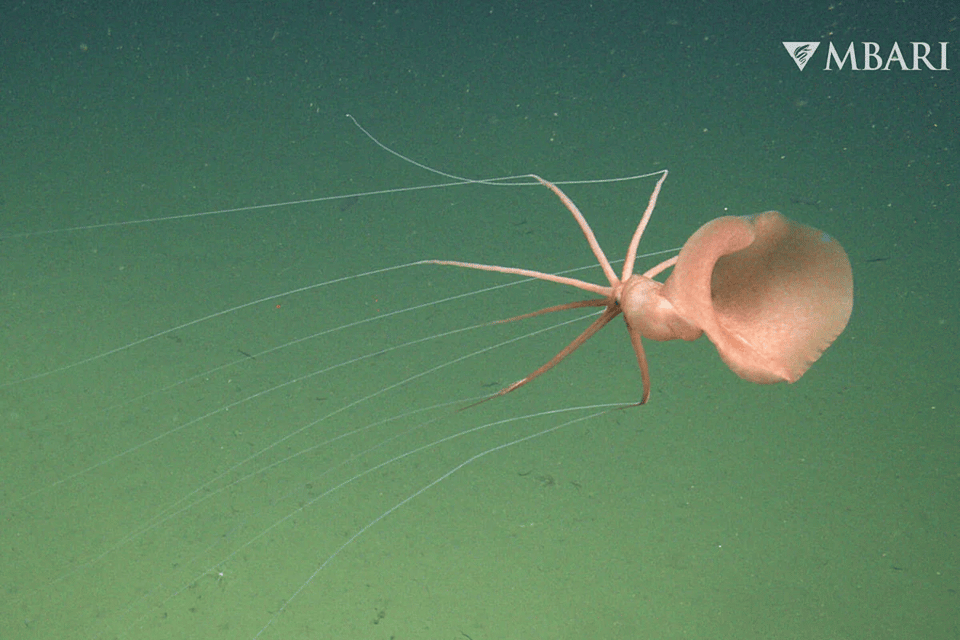
The magnificent deep-sea squid Magnapinna was sighted for the first time in the northeast Pacific, off the coast of California! MBARI’s report quotes scientist Olívia Soares Pereira:
I was sitting right next to the screens in the control room when I saw what looked like tentacles coming into the top corner of the video. I thought it might be a cool jelly, but as soon as the little ‘elbows’ appeared, I knew exactly who this was and immediately screamed ‘Magnapinna!’ before the rest of the squid even came into the screen.
Pereira’s elbow-based identification provides more fuel for my campaign to change Magnapinna’s common name from “bigfin squid” to “elbow squid.” “Bigfin elbow squid” if you must.
Meanwhile, in the Adriatic Sea, thousands of baby octopuses have been released to eat invasive crabs. Now, if you’ve heard of mongooses in Hawaii or cane toads in Australia, you might question the wisdom of introducing one species to control another! However, the researchers involved in this project did their due diligence—the octopus they’re using is native to the Adriatic.
I’m not worried the release will have unintended consequences; I think it’s more likely to have no consequences at all. Baby common octopuses have about a 1% survival rate. With 130,000 babies released, that could mean over a thousand new crab-munching adults—but the scale of the blue crab invasion is in the millions. Still, I’m curious to see how it plays out!
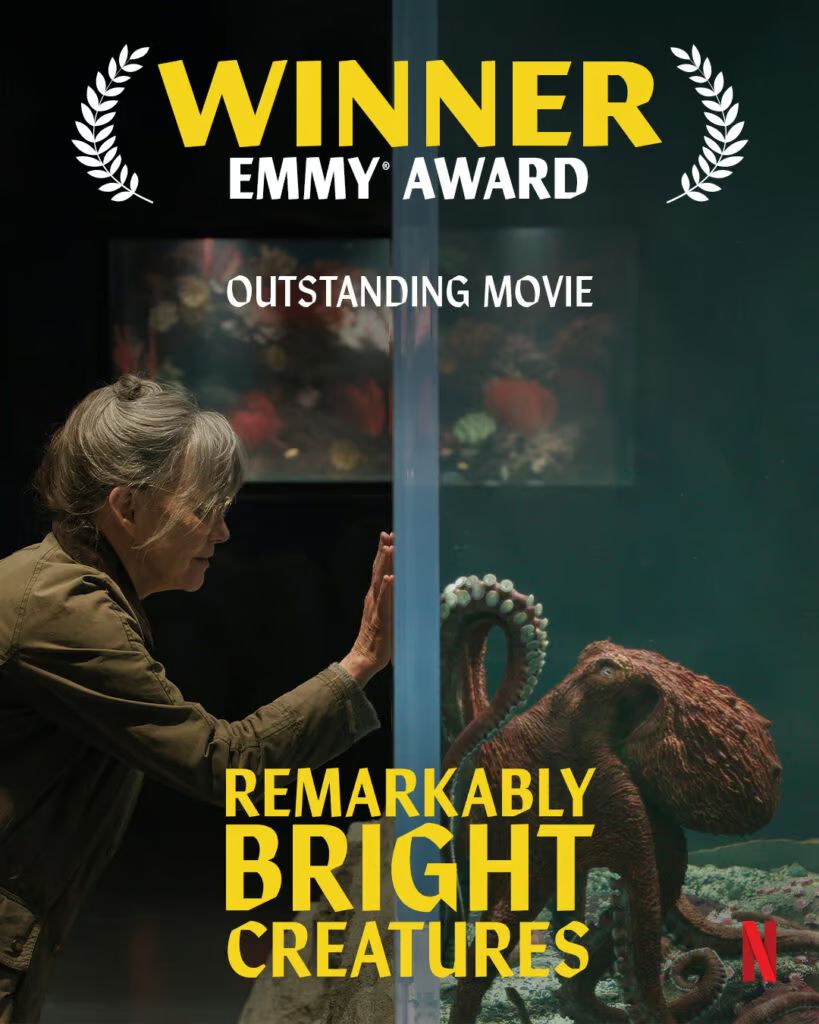
In pop culture news, the latest octopus movie, Remarkably Bright Creatures, won an Emmy, forcing me to admit that I still haven’t seen it. I loved the book, but the CG octopus in the trailer weirded me out. Is that all the more reason to watch it, though? According to OctoNation’s movie FAQ:
Marcellus is a mix of real footage and CGI. The production filmed hours of a real giant Pacific octopus named Agnetha at the Vancouver Aquarium, built the computer-generated Marcellus from her movements, and cut real shots of her into the movie. Director Olivia Newman won’t say which shots are which, because “the goal was to not know.”
I hate to sound like a smug and/or cantankerous lifelong octopus fan, but I really really really think I’d know.
Guess I should watch it and find out.
My News
Several upcoming dates merit celebration in whatever way you like best—bake a cake, send cryptic emoji to your friends, or try one of my suggestions.
September 25: Jeanne Villepreux-Power’s birthday! Celebrate by visiting an aquarium (she invented them) or taking a nature walk (she explored the whole island of Sicily on foot to write a definitive guidebook).
October 8-12: International Cephalopod Awareness Days! Celebrate by drawing a cephalopod or reading a book about them. (I wrote a few.)
Shortly after, I’ll be heading across the Pacific to participate in…
October 17-18: Voyage into the Octopus Mind, an octopus outreach event in Okinawa, Japan
Funny Pages
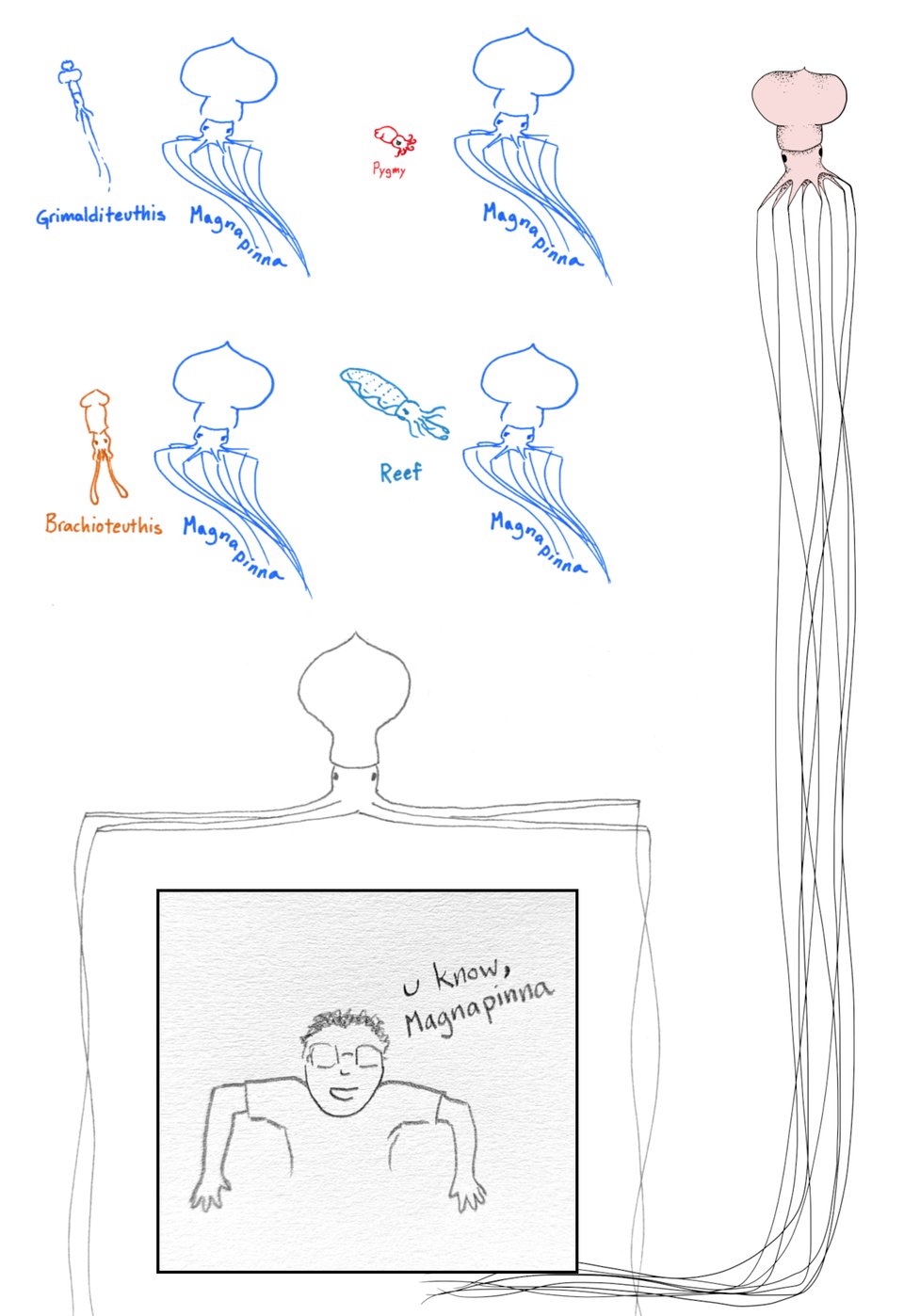
In honor of Magnapinna appearing in my metaphorical backyard, I’ve made a collage of all my elbow squid art.
Add a comment: