We Are The Same
Reflections of a Killing Eve Fan Turned Television Scholar
I decided to start this newsletter to share the story behind my upcoming book about Killing Eve. The book explores Killing Eve’s place in television history, focusing on its appropriation of thriller conventions to center the complexity and queerness of women’s desires. It also explore the controversies surrounding the show, particularly its alleged use of the “bury your gays” trope in the series’ final episode. The book doesn’t come out for a few months (September 1) and the wait is killing me. But in the meantime, I can share some behind-the-scenes details, like how I came to write the book, what it includes, and how I landed exclusive interviews with Phoebe Waller-Bridge and Sally Woodward Gentle – the biggest coup of my academic career!
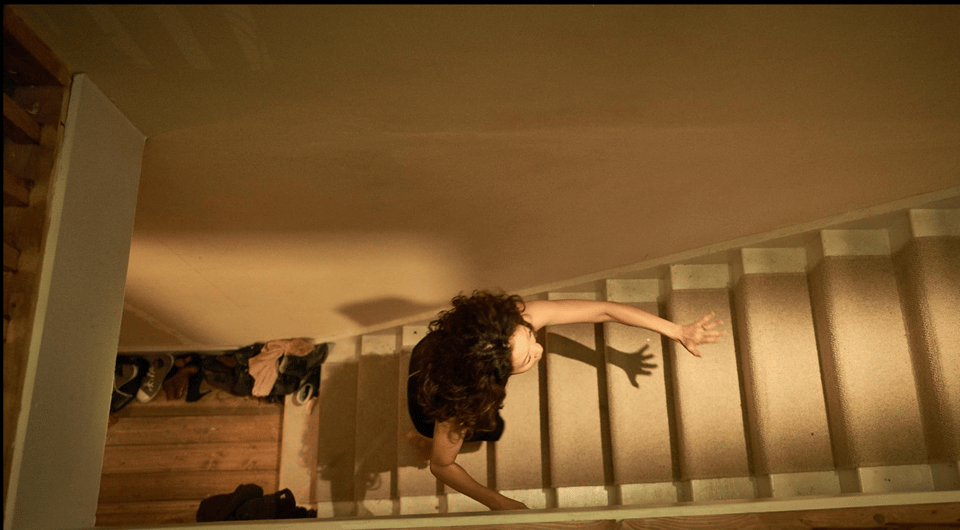
But first things first! I wrote this book as a huge fan of Killing Eve. “Fan,” of course, means different things to different people.
Sidebar: I named this newsletter after Eve’s iconic statement that she was “just a fan” of female assassins.
So to be clear: When I say I’m a fan of the show, I don’t mean that “I enjoyed it a lot,” but that I became completely obsessed, throwing myself into online fandom, reading and writing fan fiction and theories, and making my very first internet friends. It was a strange experience for a middle-aged queer academic who’d never participated in online fandom, but it was also a very strange time in the world.
Subscribe nowI discovered Killing Eve in early 2020, between seasons two and three. My sister had recently suddenly died and I’d traveled to the UK to visit my family. It was a very difficult trip. On the plane back to California, I was a mess – too distracted to read the books or movies that I’d downloaded, too anxious to sleep. Instead, I numbly scrolled through the TV shows that airlines offer to kill the time, until one image caught my eye: the season two promo for Killing Eve.
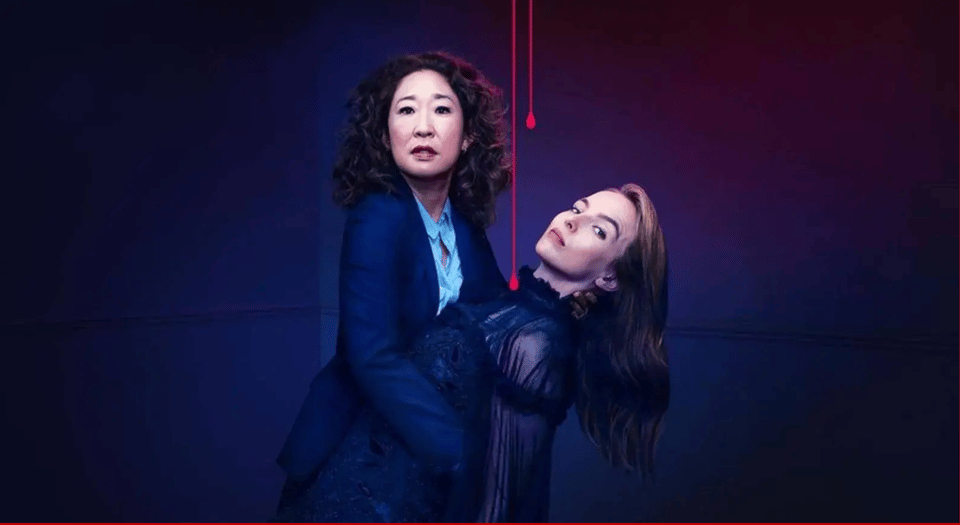
I didn’t know much about the show, but I started watching and I was immediately hooked. I binged the first season on the flight, and when I landed — starting season two on my phone as I weaved my way through customs — I noticed signs in the airport advising travelers to “wear masks.” A few weeks later, Covid lockdowns began.
As lockdowns interrupted the routines of daily life — including those I’d developed to navigate grief — I took refuge in Killing Eve, rewatching episodes, reading interviews, and immersing myself in fan-generated discussions online. Most immediately, the show offered escapist fun, perfect for those difficult times. But I quickly found that it also gave me a way to play around with ideas about queerness, madness, and belonging that I like to explore in my academic work.
As an academic, I’m best known for my writing about queer and trans history, particularly the book Arresting Dress, which explores the operations of anti cross-dressing laws in 19th century San Francisco. In early 2020, I’d just begun another historical project that would have unearthed the history of emotional disturbance as a category within special education law, bringing together questions of psychiatric power, new modes of racial segregation, and new efforts to regulate gender difference via emerging diagnostic tools. It could have been a great project, but as lockdown upended my research plans, preventing visits to physical archives, I realized that I wasn’t disappointed. I was relieved. I had been studying history for a long time. I wanted to try something new.
And since I had to work from home, and since I was watching so much TV…
I wrote my first academic article on Killing Eve in 2021. (You can read it here). It focused on the figure of the queer psychopath, bringing together my historical interest in psychiatric classification with contemporary television. The following year, when lockdowns ended, I presented the paper at the American Studies Association conference in New Orleans, where an editor from Wayne State University press asked if I wanted to write a book about Killing Eve for their TV Milestones series. The Milestones series focuses on individual shows that have shaped television history and popular culture, such as The Wire, X-Files, and Breaking Bad. Books in the series also strive for crossover appeal, presenting new material that will be of interest to fans, as well as to scholars and students.
It was the challenge I’d been looking for.
Preorder KILLING EVE hereWriting the book motivated me to learn a new academic field (television studies), as well as to practice a new type of writing that would engage a wide range of readers. It specifically pushed me to figure out how to make ideas accessible without diluting the underlying concepts and frameworks that shape the ways I think, and that deepen my enjoyment of life in general, as well as my love of TV.
Added bonus: The book gave me a new reason to stay immersed in Killing Eve, even after its failed ending. I had no idea how deep that immersion would go.
I wrote most of the book in 2024 and finished it in 2025. My original plan was to analyze key scenes, supplemented by published interviews with creators and cast. This is a fairly standard approach within television studies, as I’d learned. Things took a different turn, however, when my work friends encouraged me to contact Killing Eve’s creators to ask if I could interview them – and they said yes! (I’m still pinching myself, to be honest). So, in the summer of 2024, I traveled to the Sid Gentle Films offices in London and interviewed Sally Woodward Gentle, executive producer of the show. I later interviewed Phoebe Waller-Bridge, who created the series and wrote season one. As a diehard Killing Eve fan, this was a huge deal for me. Woodward Gentle was the “big boss” of Killing Eve, running the production company (Sid Gentle Films) that had overseen its development from start to end. And Waller-Bridge is a wildly successful screenwriter and actor, best known for her work on Fleabag. Their participation was also a huge deal for the book. Neither woman had spoken on the record about Killing Eve since it’s unpopular ending in 2022 and Waller-Bridge hadn’t given a lengthy interview in years. With their involvement, I realized that I could write a book that fans would actually want to read. And after I conducted the interviews, I knew that I’d struck gold.
I’ll write another post soon, telling you what I asked Waller-Bridge and Woodward Gentle, and explaining how I used their answers in the book, in ways that some people might find surpising. In future posts, I’ll further explain television studies as a field and how it led me to investigate and write about Killing Eve in ways that haven’t been done before. I’ve also given a lot of thought to some of the thorny issues that can arise when writing as both an academic and fan, centering on ethics, power, access, anonymity, and fandom autonomy, to name a few.
If you’d like to leave a comment, please do! I’m mostly writing this for myself, but I’d love to know if anyone’s reading and what topics interest you the most. And please let me know if the images or links don’t work - I’m new at this!
Finally, feel free to forward this newsletter to other Killing Eve fans and remember to subscribe (it’s completely free!) if you want to read more.
Subscribe nowTill soon
Clare
-
love that you’re doing this! i’d be really intrigued to hear about whether/how your views on the show (or on fandom) changed over the course of researching and writing the book
-
Hi Laura! Thank you for leaving my first ever buttondown comment! It’s such a great question too. My first reaction was to answer “no!” (because my views on the show and KE fandom were already pretty unique) but then I realized that many things shifted while doing the book. In retrospect, I’m very happy about that, because why pursue a research project, if you don’t want to learn something new?! I think I’ll write a post about this, because my answer is quite complicated, but in short, I learned a lot about TV as an industry - and as a technical craft - that upended some of my fan beliefs, changing the ways I watch TV in general, including KE. When I began the project, I was slightly worried the experience would ruin the show for me, but the total opposite happened. I love it even more now, although in a slightly different way.


Add a comment: