How a 20 year-old episode of It’s Always Sunny in Philadelphia provides the last word on the faking disability trope
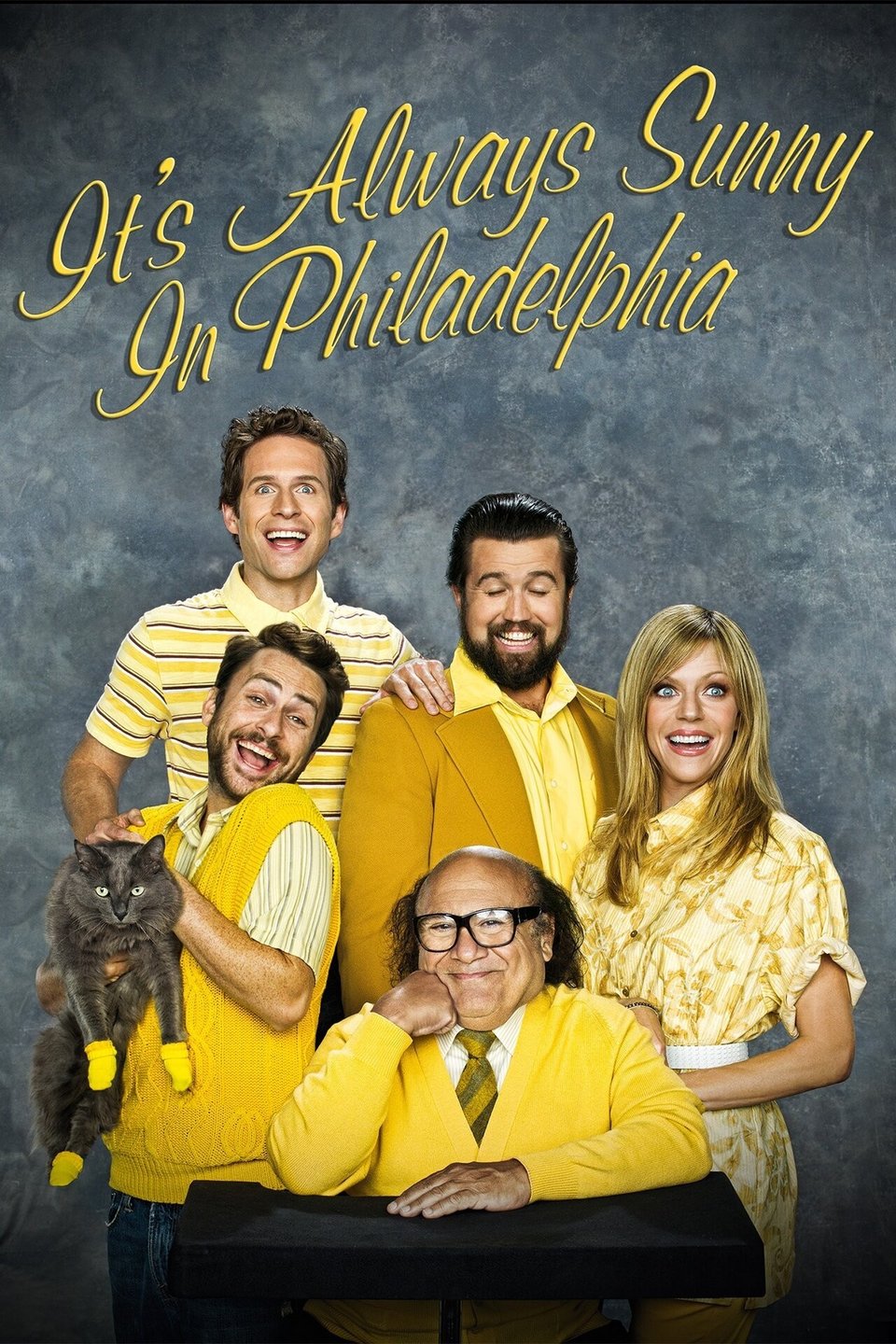
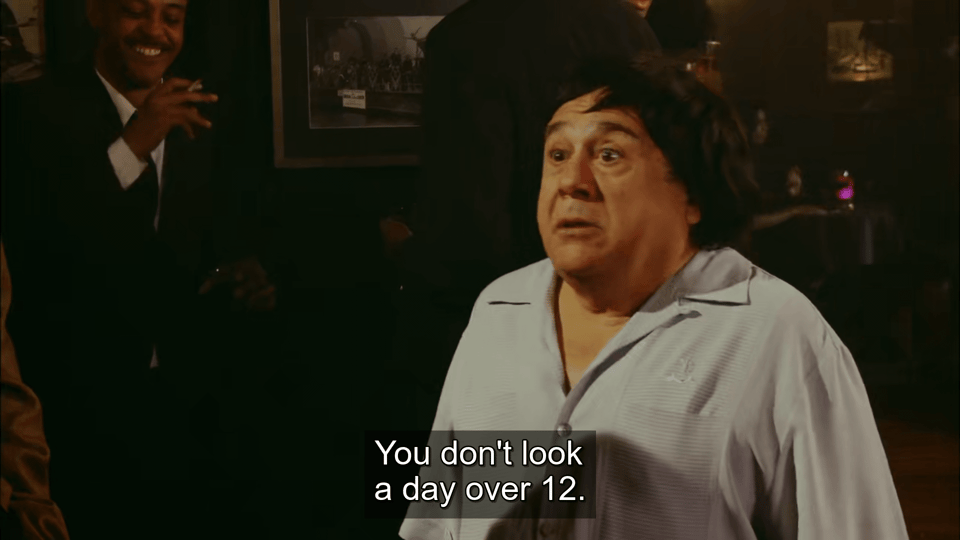
FXX network sitcom It’s Always Sunny In Philadelphia (IASIP) celebrated its 18th season premiere in August of this year. Created by actor/writer Rob Mac, and starring Glenn Howerton, Charlie Day, Kaitlin Olson and Danny DeVito as a group of selfish and entitled friends known as the Gang, IASIP has been on the air since 2005. It is the longest-running live action sitcom ever made. Its longevity would be an amazing achievement even if it had fallen off in quality in later seasons, but its great episode to bad episode ratio is an achievement in itself. What I mean by that is that most of the episodes are fantastic. There are a few that I’ve only watched once or twice because they are not to my taste, but even the “bad” episodes still tend to have some hilarious moments. One of my least favorite episodes, “Frank’s Brother,” from the show’s 7th season, features an uproarious bit where old, rich guy Frank (Danny DeVito) is shown in flashback as a preteen-—except that young Frank is also played by Danny DeVito, who wears a horrible toupee while his gangster associates constantly comment on how youthful he looks.
A quick synopsis for those who haven’t seen IASIP: the Gang owns and runs a bar, Paddy’s Pub, in South Philadelphia. Rather than actually putting time into the business, self-involved twins Dennis (Glenn Howerton) and Dee (Kaitlin Olson), deeply closeted religious doofus and self-proclaimed “Sheriff of Paddy’s” Mac, and janitor/cat enthusiast Charlie are constantly concocting schemes, plans, and bad ideas in order to get ahead. In season 2, Dennis and Dee’s dad, the ultra-wealthy and arrogant Frank (Danny DeVito) joined the Gang. Frank’s character was introduced in the first episode of season two, “Charlie Gets Crippled”—an episode which, from its title, might raise some eyebrows for its depiction of disability fakery.
However, this 20 year-old episode of a long-running show has aged better than it has any right to, especially when it comes to critically taking apart the “disability fakery” trope.
In case you need a refresher, the disability fakery trope happens when a fictional character fakes a disability (or several) for monetary gain, sympathy, or accommodations that they want but don’t “deserve.” On most sitcoms, the character who fakes a disability is usually found out by the end of the episode—sometimes they learn something, sometimes another character pops in with a big speech telling them why faking a disability is wrong, a few laughs are had, and everything is wrapped up in a feel-good bow by the end of the episode. “Charlie Gets Crippled” instead cleverly subverts these overused beats. This has been one of my favorite IASIP episodes for a long time, and as a disabled cultural critic/person who regularly jokes about my own disabilities, it is a balm for my tired soul. It also helps that the episode is screamingly funny.
One night, as Dennis gets into his Range Rover to leave the bar, his and Dee’s dad Frank (who has not seen his grown children in years) pops out of a nearby parking space and jump scares Dennis. Dennis accidentally runs Charlie over with his car. Both of Charlie’s legs are broken, necessitating the use of a manual wheelchair, and he isn’t taking being temporarily disabled well.Frank, Mac, and Charlie visit the local strip club, where two dancers offer Charlie free lap dances. While Charlie does Frank a solid and asks one of the dancers to give Frank a free dance, Frank and Mac immediately mistake the dancers’ kindness for “advantages” that come with being disabled (even temporarily). This incident sets off an arms race of disability fakery, with Mac and Dennis slap-fighting over who gets to “have polio” as their fake disability, Dee using arm crutches in the most over-the-top manner possible, and Frank using a powerchair with mouth controls.
One of the best scenes in the episode comes midway through its runtime. Mac and Dennis head to the mall in their new wheelchairs to try to pick up women, after Mac rolls up at the bar in a manual wheelchair and delightedly proclaims to Dennis: “You would not believe how great this thing is. People give you free shit, and women treat you like a puppy they found on the street!” Mac does not seem to realize that women treating himwith pity for being a wheelchair user is not a positive thing, but Dennis is convinced that “putting ourselves in the shoes of the unfortunate” will give them perspective on how great their own nondisabled lives are.
Mac and Dennis, of course, are too self-absorbed to commit learning some perspective in a way that doesn’t trivialize disability. They end up wrestling each other to the ground at the mall after a slap fight over who gets to have polio as their “backstory,” thus exposing that neither are actually disabled. This is a one-two punch of a scene that exposes both the fallacy of disability simulations—-you can’t “get perspective” about what it’s like to live with a disability if you are using a wheelchair that you don’t need, or using one for a limited time as a nondisabled person—-and shows that these characters’ selfishness extends to faking disability to get free stuff and pity. After the failed mall excursion, Dennis and Mac head back to the bar, grousing all the way that “being handicapped sucks” since “there’s no advantages” to being disabled.
The episode ends with Dee’s date—a guy who praises her as “brave” for having a disability, which he does not know is fake—-getting run over by a drunk Dennis, then ending up in the hospital as the Gang expresses relief that “nobody important got hurt.” As the Gang leaves the hospital, the camera pans to Dee’s date lying in a hospital bed; he wears multiple casts, a neck brace, and basically looks like he just got run over by a car. “Assholes,” he hisses.
IASIP is one of the more successful satires on the air right now because, in my view, it argues for progressivism by showing the worst people doing the wrong things all of the time. As creator Rob Mac has explained in multiple interviews over the course of the show’s run, the gang never learns, promises to do better, or changes their behavior in order to become better people. Dennis, Dee, Frank, Mac, and Charlie tend to be driven by their most base needs at all times and will do anything to come out on top. Not all IASIP episodes cover contemporary social or real life issues; some of its best episodes simply make hay out of how far the gang is willing to go screw each other over. One of my favorites, “Paddy’s Pub: Home of The Original Kitten Mittens” from season 5, finds Charlie attempting to get funding for his hand-crocheted “kitten mittens”--which he invented to silence the noisy paws of the dozens of alley cats who gather around his apartment each night--at a local merchandising convention. Mac, Dennis and Frank decide to invent something, too: a gun that “blasts” tequila into bar patrons’ mouths. Of course, Frank, Dennis and Mac spend more time making a poorly shot ad for their product than they do researching and developing said product.
This isn’t to say that IASIP’s “woke” episodes are low quality, although there has been a healthy debate within the fandom as to whether or not the show has fallen off in quality due to some of the later seasons’ episodes that focus on contemporary social and political issues. There’s one where Dee pretends to be a single mom in order to get “free” welfare money (from season 7,so I’d argue that this show has done multiple episodes about social issues since its early seasons), an episode in which the gang runs their own child beauty pageant, one where the gang puts the trans bathroom “issue” to rest by designating one barbathroom for urinating and the other for defecating, and one episode where the gang has to attend a “worst bar list” sexual harassment training. In all of these episodes, IASIP exposes the very real stakes of contemporary social issues by having its characters enact the most depraved behavior possible, even when faced with the possibility that they might have to grow or change.
Not all of the jokes in “Charlie Gets Crippled” have aged well, but it is downright refreshing to see a TV episode that first aired in 2006 take on the disability fakery trope and use it to make a point other than “faking disability is bad, and is a thing that happens often.” Actual disability fakery is rare, but if fictional sitcom plots and high-profile cases of disability fakery (Australian wellness influencer Belle Gibson’s case, for example) are what you pay attention to when it comes to this topic, I could see how some viewers might think that real people faking disability for some sort of gain or unfair advantage is a huge problem. Here in the United States, we also have a presidential administration that has harped on social security disability and public assistance program “fraud” for years without actually proving that said fraud exists. Can an episode of a show that first aired 20 years ago stop the continual moral panic of the “people fake disability all the time, and we must root out the fakers!” nonsense? Probably not, but it’s certainly a start.
*
Thanks for reading Citizen Cane! As always, this newsletter is free, but if you’d like to support my work financially, you can do so at my ko-fi.
Add a comment: