The Paradox of Romance (and How to Solve It)
Super quick event plugs:
I’m doing an event at Kinokuniya in Sydney on Weds at 7 PM with Bronte-Marie Wesson and Sarah Street. Please RSVP! It makes a huge difference.
And on Thurs at 6 PM, I’ll be at Readings in Melbourne with C.S. Pacat, Seth Haddon, and Amie Kaufman. Please RSVP there too! Apparently it’s a tough time for bookstores right now and they need to know you’ll show up.
And this coming weekend, I’ll be at the Canberra Writers Festival!
Star Trek: Zero Point #1 is out this Wednesday (10/14.) On Sunday 10/25 I’ll be at Comix Experience in San Francisco talking about it, with the U.S.S. Golden Gate fan club in attendance. That same weekend, I’m also doing the Litcrawl and the World Fantasy Convention!
The Paradox of Pareidolia, or why you can’t force romance
I just handed in the very final draft of Good Things are Coming Your Way, my novel about a romance between a time traveling vampire and a magical social worker. It comes out on June 8th next year! A lot of the final round of revision was just making sure the romance between these two characters is a strong as it possibly can be — because every book I've ever written has been about one or two main relationships, and this one especially depends on that romantic chemistry.
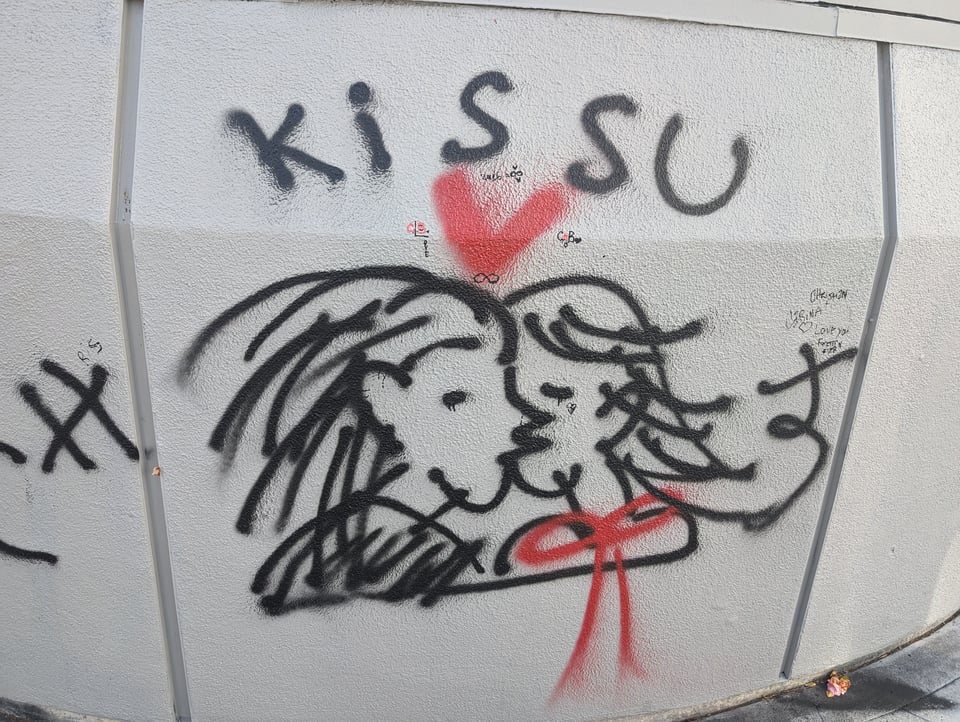
This forced me to think about the central paradox of romance. On the one hand, it's hard work making two characters feel irresistibly drawn to each other, and you can't just snap your fingers and create romantic chemistry. But on the other hand, audiences will frequently see romantic chemistry where the author did not intend any.
Why is it so hard to make romance happen on purpose, but so easy by accident?
Subscribe now!!! ! ! !!We've all encountered romances in the past where the characters have all the chemistry of two pieces of dry toast on the same plate. This is especially a problem on television, where certain shows are built around a romance but feature actors who simply aren't vibing. We’ve all seen this happen, and it can be excruciating to watch: I can think of at least one TV show that had to jettison its entire premise and pivot to a different storyline once it was clear the two leads shared no spark whatsoever. And it’s easy to list all the situations where creators did not intend to characters to be a couple, but everyone started shipping them and it became canon in many people's minds.
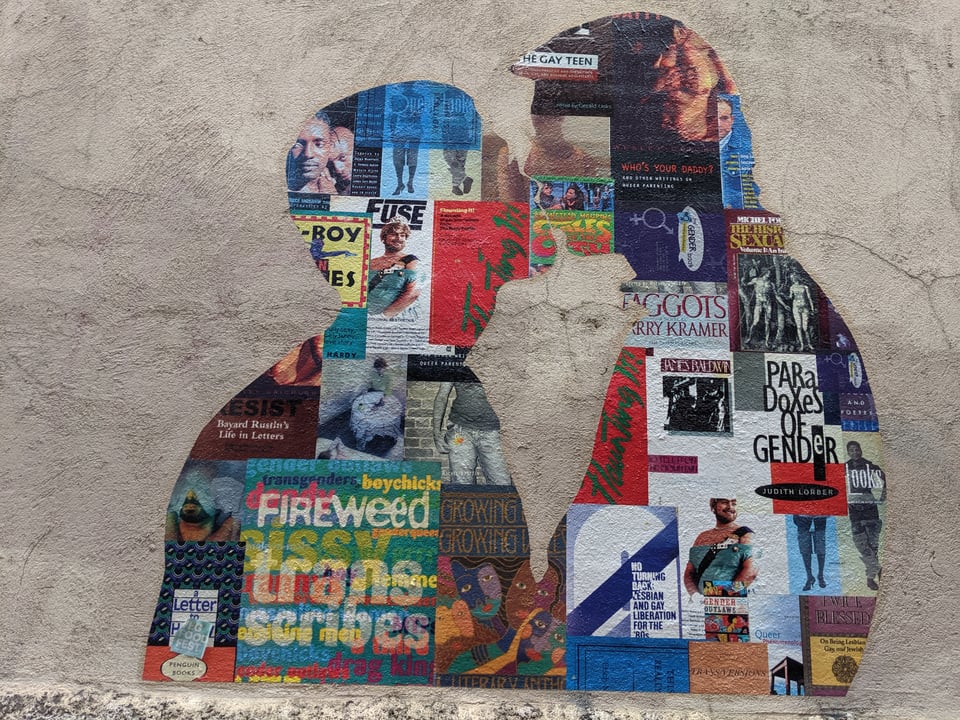
Off the top of my head, there are a few circumstances that make it more likely that audiences will ship two characters, whether or not you want them to:
An enemies-to-lovers scenario is often the easiest for audiences to buy into, because hate can so easily turn to love — whereas a gentle regard or a low-key ambivalence might only become some other lukewarm feeling. My preference is to write friends-to-lovers stories, which always feels a bit more challenging. That said, any friendship will contain points of conflict, and a good friend is often someone who will hold your feet to the fire when necessary.
Similarly, everybody loves a bad boy. And to some extent, bad people of other genders as well. Some of the most iconic pairings in pop culture involve characters who were intended to be villains, but audiences saw them as love interests instead: think Spike in Buffy the Vampire Slayer, or Damon in The Vampire Diaries. This phenomenon goes all the way back to one of the first great novels in the English language: Clarissa by Samuel Richardson, in which the male lead Mr Lovelace is supposed to be an irredeemable monster, but readers at the time admired him and thought he and Clarissa should get together. (Even after they discover what he does to her eventually.) Richardson spent years revising his novel, putting out new additions that were designed to make it clear to audiences that Mr Lovelace was trash and they shouldn't love him — to no avail.
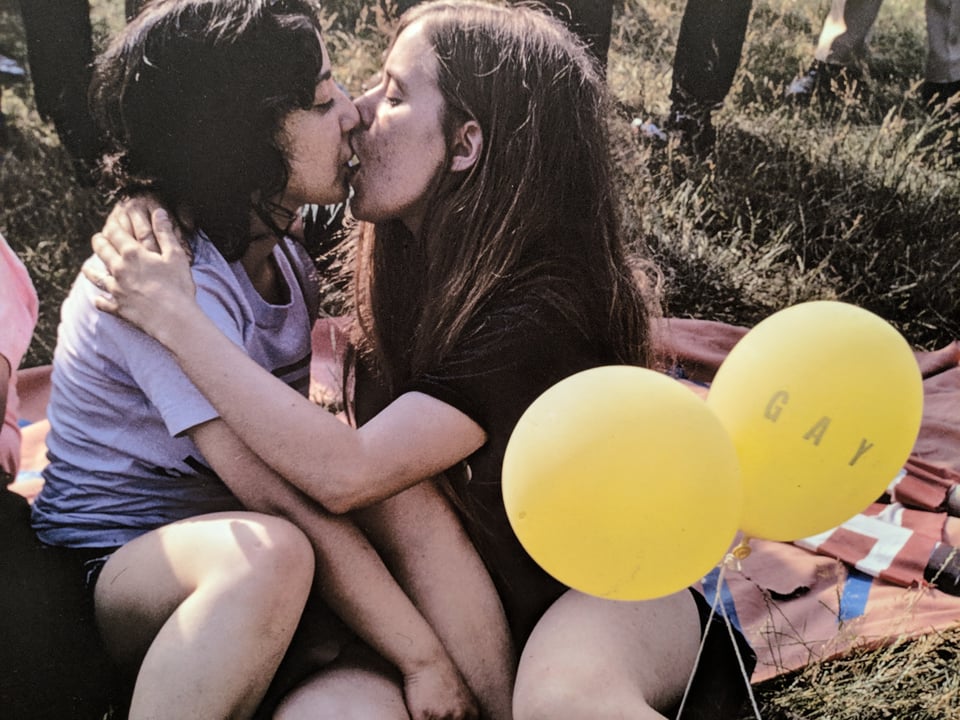
Queer pairings or relationships also seem way more likely to be shipped in spite of the creators’ intentions — whether they become canon or not. See: Kirk and Spock from Star Trek: TOS, or Myka and HG Wells in Warehouse 13, among many others. Sometimes the writers might not intend for two characters to have sexual or romantic tension, but the actors will pick up on the subtext and decide to push it as far as they can. Canon queer relationships are never plentiful enough, even after that recent period of more open queerness in media. And oftentimes, people subconsciously create vibes that are right below the surface but which they won't acknowledge, until audiences pick up on them.
Conversely, a writer or creator deciding on purpose to make a love story happen can feel a bit reminiscent of the old meme of someone smushing their action figures together and saying NOW KISS.
Subscribe now! ! ! !!! ! ! ! Please!Nevertheless, some extremely foolish individuals seem to believe romance is an easy genre to write, in spite of all the evidence to the contrary. Some folks have even suggested lately that romance is a genre that could be churned out by stochastic parrots, freeing up resources for people to write like other, supposedly less formulaic, genres. And just to be clear: I've read a ton of romance, much of which felt unique and brilliant. I've never encountered a genre that doesn't include formulaic, paint-by-numbers works, very much including literary fiction. (I adore literary fiction and read it all the time, but some literary works are better than others.)
To some extent, writing a good romance presents the same challenges as writing any kind of relationship that you hope the reader won’t get bored with.
When I’m creating a relationship, I usually start by writing a bunch of scenes between the characters, so I can get a sense of how they talk to each other and what kind of things happen when they're together. I often don't start off being goal-oriented, but rather just let their vibe happen in its own time.
If I can get to just one scene where two characters are throwing sparks — not necessarily because of conflict as we usually understand it, but because they come alive in each other's presence — then I feel like I am cooking. This is true for any relationship, honestly, but especially for romantic ones.
I see a lot of romances that appear to be built around reverse-engineering the romantic tension that creators did not intend, but which nevertheless happened anyway. Case in point: for a while there, I was seeing books promoted as similar to the romantic chemistry between Finn and Poe in the Star wars sequel trilogy — a pairing that lucasfilm and Disney absolutely did not want people to view romantically. You can look at why people wanted to ship those two characters, or Spike and Buffy, and try to create a dynamic that's similar. In the one case, a an intense male friendship that grows a layer of tenderness. And in the latter case, your classic enemies-to-lovers vibe.
Upgrade now! Help keep this newsletter free!But there are other ways to create romance intentionally, rather than trying to recreate a happy accident. For me, it really boils down to strong attraction and repulsion — what are the things that bring these two people together, and what keeps pushing them apart? How do they understand each other on a deeper level than most people understand either of them? But also, what are the fundamental things they disagree about, or simply see differently? We talk a lot about characters who “come from different worlds,” but I often look for characters who have contrasting worldviews.
I will probably never write an enemies-to-lovers story, as such, because that’s not my vibe. But I believe that MC Skat Kat told us the truth:
MC Skat Kat never lied.
I want to close by saying that even though I'm talking about the hard work of making a romance field plausible and even inevitable, a lot of this won't work unless you're having fun writing it. It all goes back to the stuff I've written before about being curious about your own characters and enjoying spending time with them. This should be fun! You should be having a blast putting two people together and letting them spark off each other! If you're having fun, you're vastly increasing the chances that your reader will also be having fun. So have fun!
Music I Love Right Now
I’ve been listening to Lupe Fiasco for years, since my friend Tianjun introduced me to his music. Lupe Fiasco is a brilliant rapper who raps about roller skating, Samurai warriors, Amy Winehouse becoming a battle rapper, and giant robots. He had some huge hits in the late 2000s, but has consistently been releasing excellent music. He’s utterly brilliant.
And his latest release is my favorite thing he’s ever done.
Lupe Fiasco teamed up with the Nu Deco Ensemble for a live album, and it’s totally lush and decadent. Full orchestra, a tight-ass band, the whole works. The combination of sleek strings and some extremely in-the-pocket drumming just sends me. Every time I listen to Lupe Fiasco x Nu Deco Ensemble: Live From Miami Beach, I hear more instrumental subtleties. It’s full of fun experiments, like when they take it to church (gospel style) at the end of “Dots & Lines.”
I just really, really like maximalist music. You know? And I often find that I prefer live versions of songs to the studio versions, especially nowadays when a lot of studio-bound music is a little too smooth and glossy — a bit too engineered for Spotify’s algorithm. I like hearing musicians play instruments. Honestly, this is why my favorite Beyoncé album is still Homecoming.
Anyway, I’m obsessed with this Lupe Fiasco/Nu Deco Ensemble collab, and it’s going to be in heavy rotation for a long-ass time.