One of My Favorite New Bands Is Searingly Political: Problem Patterns
Lessons in Magic and Disaster is out in paperback! You’ve never seen a magic school like this before.
Please ask your local comics store to reserve a copy of Star Trek: Zero Point #1 for you before Sept. 7, so they know how many copies to order!
I’m gonna be at Worldcon in Anaheim! I have a reading on Monday at 12:30 where I’ll be previewing my next novel.
Everything You Wanted To Know About Problem Patterns
I've been obsessed with Problem Patterns since 2022. This queer feminist punk band from Belfast, Northern Ireland releases music that is searingly angry and uncompromisingly political.
Their most recent release, a demo of a song called "Bodies," came in direct response to the anti-immigrant riots in Belfast and elsewhere this past June. All proceeds from the sale of "Bodies" go directly to the anaka collective's fundraiser to support people who've been "attacked, displaced and traumatised in racist attacks in Belfast."
After listening to Problem Patterns for so long, I was keen to learn more about the band. Partly because I love their music — but also because they're one of the few music groups I'm listening to right now that actually channel the rage that most people I know are feeling, as every day, we learn about more unspeakable atrocities being committed in our names.
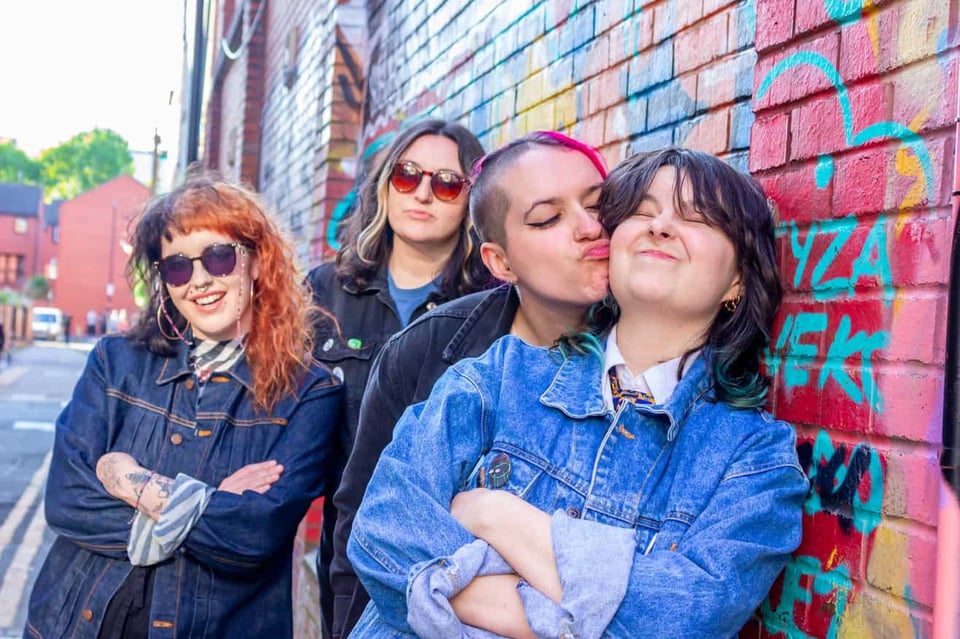
When I listen to tons of recent music and it's all totally apolitical, I start to feel... gaslit. So I was keen to find out more about Problem Patterns's commitment to speaking out, and to ask them why they think most music these days isn't doing the same.
In response to victim-blaming
Some of the band members had been talking about starting a band for a while — but they decided to get started as a response to the infamous "rugby rape trial" of 2018.
"We were all really disheartened by the response to the victim in that story," says bandmember Alana Smith. "It was really horrible. It was basically all the victim-blaming you can think of, but on the front page." The rugby players were acquitted easily. "We were all so angry about it and we wanted somewhere to put that."
Subscribe now!"We all showed up to this solidarity event outside the courthouse and we were all in a group chat together, just venting to each other," adds bandmember Beverley Boal. "So it was a very natural shift. We made up the natural components of a band."
"We used the word 'cathartic' a lot"
People get political messages across in all kinds of ways — in short-form videos, in podcasts, in newsletters, and in works of fiction. But there's something special about listening to music that expresses your frustrations and hopes — especially when it's a live performance, shared with a passionate audience.
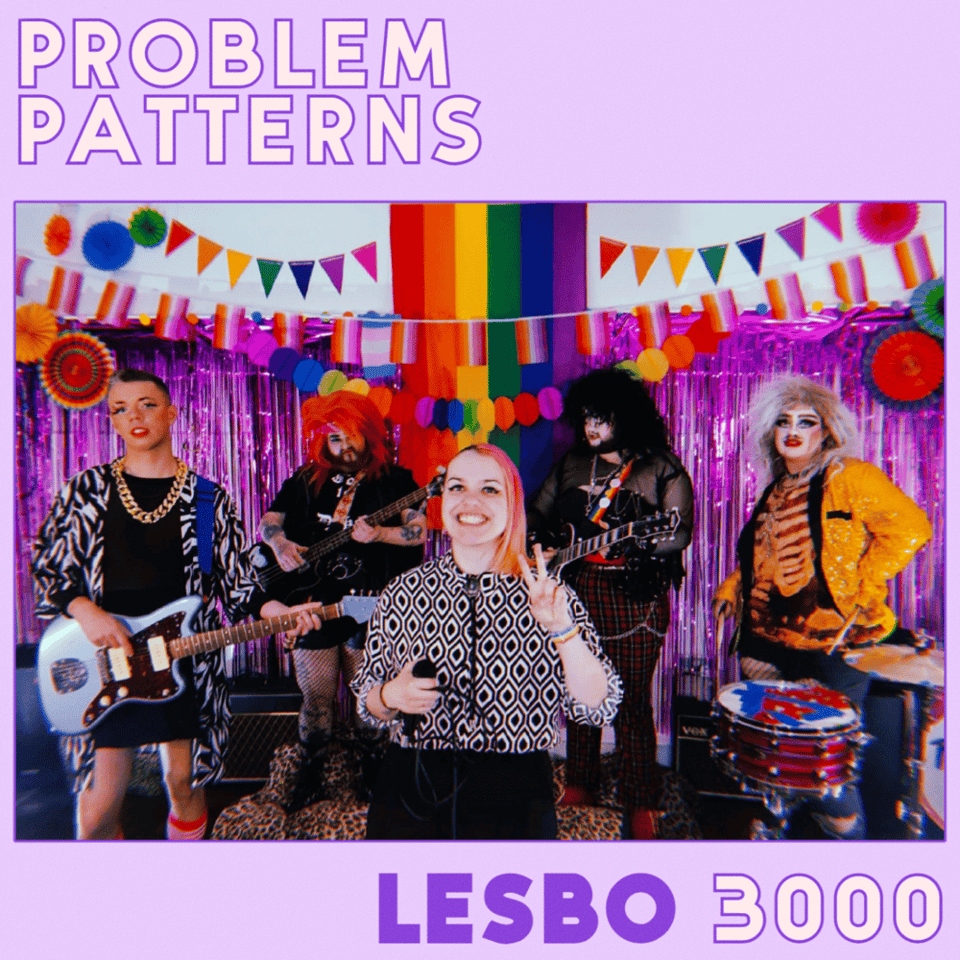
Smith says the band wants to express their own feelings about things in their lives or in the news. "It's helping us, and it's nice that it happens to potentially help other people too." She adds that the songwriting process is "organic," often springing from day-to-day frustrations. "It's not like we we sit around and say, 'What are we angry about today?'"
"We always write for ourselves first and foremost," says Boal. "We have these huge feelings about things that are going on, whether it's political or how we're treated in our jobs."
That said, Smith describes the band as "community-minded," and says being in the band has led to her meeting "lots of amazing people" and building alliances.
Subscribe now!!! !!!"We used the word 'cathartic' a lot, especially when we were starting out," says Smith. "We felt that especially when you're putting it into a song, that's something you can share with people, whether they're listening to it or screaming along."
Talking about politics online can feel insular, like "preaching to the choir," Smith adds. But "when you're out there, talking to people and singing to people, for people, that's actually getting out there into a broader space." She adds that music feels "accessible" to a lot of people, and especially "when we play shows for people who might not necessarily be our perceived audience, especially when we're supporting bigger bands" as an opening act.
Says Smith, "We will have people come up after [a show] and just be like, 'You guys have me thinking about something I've never really had to think about before."
"I don't think we would be very good at writing those sort of soppy love songs," laughs Boal. "I think we'd be deeply uncomfortable."
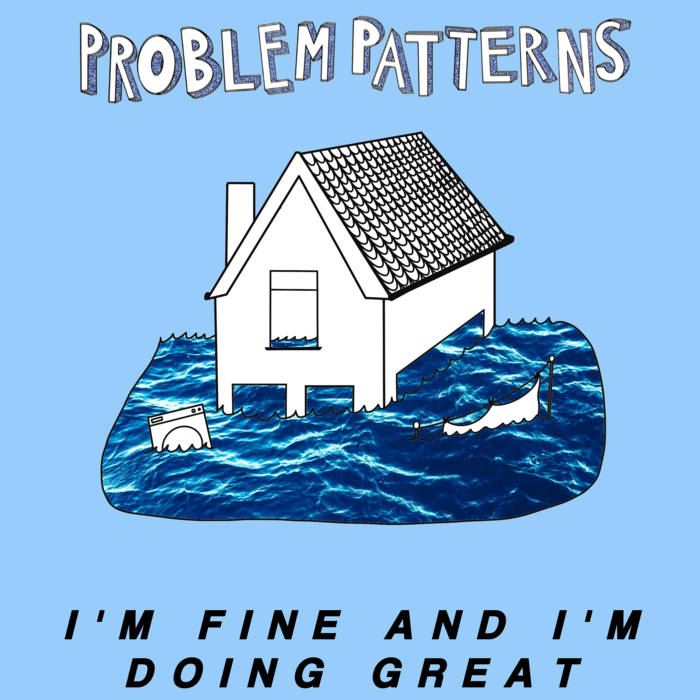
Boal names "Standing the Way of Control" by The Gossip and "BYOB" by System of a Down as early influences. Meanwhile, Smith has a Bikini Kill tattoo, and names Bikini Kill as the band's "number one shared influence," though the bandmembers all have different backgrounds and musical experiences and they've evolved to include other influences.
Smith, the band's main songwriter, says Bikini Kill helped teach her about "being direct about things." At first, "when I was writing lyrics, I wasn't as straightforward. I feel like being in Problem Patterns has taught me to write more straightforward[ly] about what I want to say instead of dancing around the point."
The story of "Bodies"
The anti-immigrant riots in Northern Ireland and elsewhere happened June 9 to 11, and Problem Patterns posted their song "Bodies" on June 15, just four days later.
Smith says she wrote the lyrics a few years earlier, when she was visiting her hometown of Barrow-in-Furness in England. "They've had a bit of an influx of aslyum seekers staying in the hotels there," and "there's been a lot of pushback from the local people because they think that's why the town centre is falling apart — when it's been falling apart for twenty years." Politicians are keen to blame immigrants to distract from their own failures.
Smith brought those lyrics to the rest of the band, and they'd been working on the song for the past year. When the riots struck Belfast, the band asked, "How can we help immediately? What do we have? Because there's only so much you can do in terms of talking about it. This is something that needed immediate action, because there were people in our neighborhoods whose homes were being burned down —who were being displaced, who were being attacked over nothing."
Subscribe now!I also had to ask Smith and Boal about their song about transphobia, "TERFs Out." Given the increasing influence of transphobia, I was wondering if they'd faced much backlash to that song — but they haven't, so far. They did see one exultant tweet from a TERF who had heard them play the song and mistakenly believed it was pro-TERF — as in calling for TERFs to come out. The band immediately blocked that person.
"It was like, 'You are clearly not the audience for that. What are you talking about? Please don't come to our shows," says Smith.
Musicians in crisis
I asked Boal and Smith why they think other musical acts aren't as openly political in their lyrics, and they said musicians are under more financial pressure than ever before. I was wondering if this is due to pressure from streaming services like Spotify, big concert venues led by LiveNation, or social media apps like TikTok. Smith says those all play a role — but also, musicians are feeling the squeeze more than before.
For major artists, "it's way harder to remain up here on that level as a pop artist," says Smith, and some artists on major labels "have tried to take big risks and it hasn't necessarily worked out for them." The pressure to get a number-one album is intense, and "they get whole teams behind them, so if they take those kinds of risks," it can backfire. And meanwhile there are fewer ways to get the word out, "now that MTV and the like are gone."
Major artists are having to downgrade or cancel their tours "because they can't sell enough seats, when touring was meant to make the money," says Smith. Apart from the ticket sales, you can sell T-shirts and other merch at a huge mark-up on tour. Midsized music venues have gone out of business, which hurts "bands that are not quite big enough to play the arenas, but they're too big to play the smaller places." Says Smith, "It's probably just capitalism. As with most things, it's capitalism."
The music industry promotes "safer acts that aren't going to act out," adds Boal.
Major labels want to reach "the broader audience," says Smith, "so they're trying to appease everybody," on all ends of the political spectrum.
And huge music festivals tend to be booked by the same people, meaning that the same acts are showcased over and over.
I brought up a recent study in the scientific journal PLOS One, which looked at popular songs over the past fifty years. The study found that in hit songs in the United States and Germany, there had been a shift from collectivistic language ("we") to individualistic language ("I").
Smith says she's definitely seeing a more "individualized" culture in online spaces over time. "It's just generally across the board: people looking out for themselves and not looking out for the community... I think it's just individualism that's been caused by isolation."
Boal points out the study only looks at the most popular songs in each year, rather than "the freaky little dudes at the bottom," whose lyrics might still be talking about collective action. If you listen to "the weird stuff" — the music that you're not being told to listen to you — you might be "more community minded," Boal adds. "Maybe we're all listening to rich selfish people."