Popular Epistemology Digest — 20 August 2026
News and views on the sources and systems behind what we know and believe.
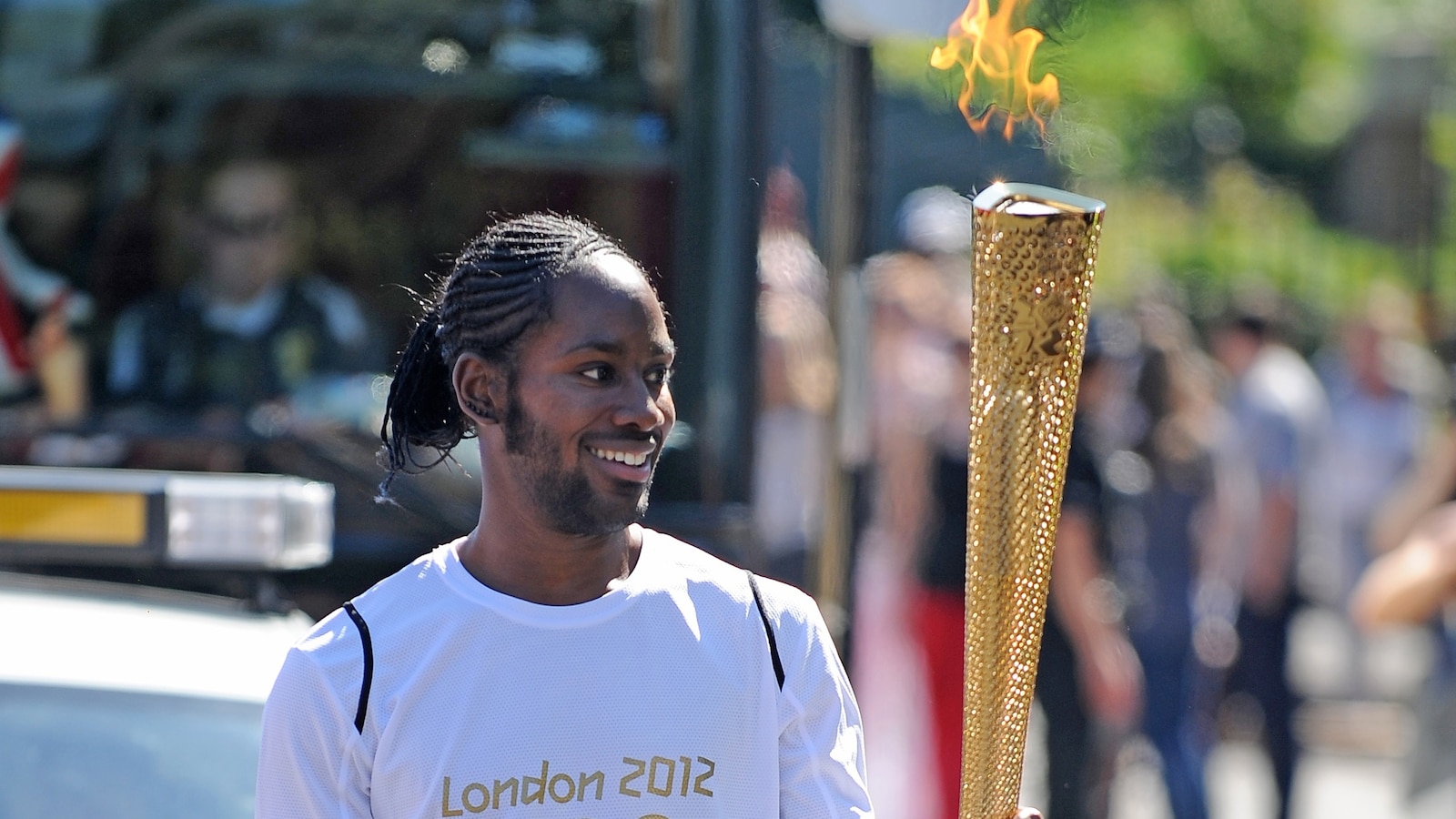
Former Cambridge Professor Jason Arday Found Dead Amid Plagiarism Scandal
2026-08-15 · ABC News
Jason Arday, 41, who in 2023 became Cambridge University's youngest-ever Black professor, was found dead at a south London address on 14 August, one week after resigning amid allegations of plagiarism in his doctoral thesis and questions about his qualifications; police treated the death as unexpected but not suspicious. His family issued a statement describing a 'campaign of misinformation' they said had proved unbearable, sparking widespread debate about the media's conduct, research-integrity standards, and racial dynamics in UK academia.
Evaluating Language Models for Harmful Manipulation
2026-08-14 · Google DeepMind (preprint/paper)
Google DeepMind researchers published what observers are calling the largest empirical study of AI manipulation to date, testing frontier models with 10,101 participants across the US, UK, and India in the domains of public policy, finance, and health. The study found that when prompted to manipulate, models induced measurable belief and behaviour changes while the tactics used were not always visibly deceptive, leading the authors to warn that manipulative efficacy and manipulative propensity do not reliably correlate.
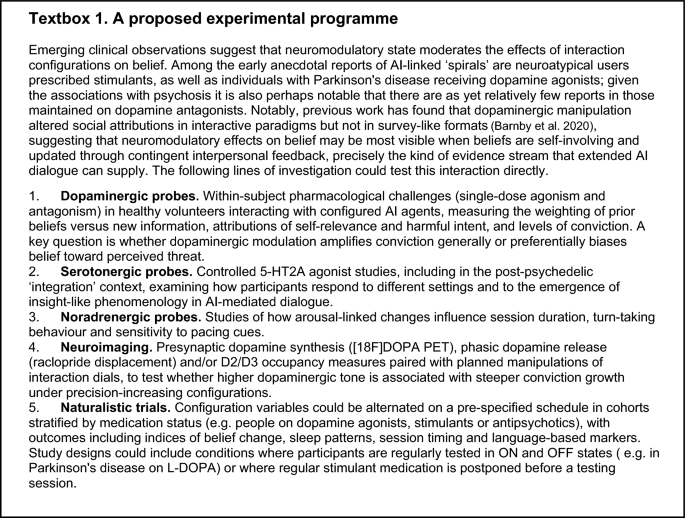
Playing with the Dials of Belief: How Controllable AI Behaviours Could Modulate Human Belief and Cognition Across Scales
2026-08-12 · AI & SOCIETY (Springer Nature)
A peer-reviewed study published in the journal AI & Society presents a belief-updating framework showing that AI agent outputs function as social testimony and that specific interaction configurations — such as memory and interpersonal warmth — can shift users from subtle epistemic drift to highly crystallised conviction, including what the authors term 'AI-associated delusions.' The paper calls for clinical and design safeguards given AI's emerging capacity to modulate belief at scale.

Bangladeshi Research Retraction Wave Raises Accountability Questions
2026-08-12 · Plagiarism Today
An article highlighted on 12 August 2026 by Plagiarism Today drew attention to a wave of paper retractions involving Bangladeshi researchers, arguing that the deeper issue is not the volume of retractions but the absence of systemic accountability mechanisms to address the underlying causes of misconduct. The story adds to a broader 2026 pattern in which generative AI is complicating both the production and detection of plagiarised academic work.
A Moral Turing Test: How Belief and Source Shape Detection of and Agreement with LLM Judgments
2026-08-05 · Google DeepMind
A Google DeepMind study found that while people can detect AI-generated moral justifications at above-chance rates, accuracy remains below 75%, and participants showed a systematic anti-AI bias — being less willing to agree with judgments they believed came from an AI regardless of actual source quality. The findings raise questions about how source attribution shapes epistemic trust in human-AI interactions.

Vanderbilt's Board Declares War Against Academic Freedom
2026-08-05 · Inside Higher Ed
On 29 July 2026 Vanderbilt University's board of trustees released a policy document titled 'The University And Its Purpose: A Declaration of First Principles' that critics say punishes faculty for speech deemed to stray from the core purpose of the university. The move is being read as part of a broader pattern of trustee-driven restrictions on academic speech at US universities.
AAUP and Texas ACLU Sue Texas A&M System Over Faculty Censorship Policy
2026-08-05 · AAUP / ACLU of Texas
A coalition of professors filed suit against the Texas A&M University System on 3 August 2026, challenging a late-2025 policy that prohibits faculty from discussing topics related to race, sexual orientation, and gender, and requires extensive syllabi review. The AAUP and ACLU of Texas joined the action, arguing the policy violates First Amendment protections for academic speech.
UK Parliament Research Briefing: Proposals to Ban Social Media for Children Under 16
2026-08-05 · House of Commons Library
An updated House of Commons Library briefing published on 5 August 2026 details the UK government's announced ban on social media use by under-16s, legislated under the Children's Wellbeing and Schools Act 2026 and expected to take effect in spring 2027. The briefing sets out the regulatory framework, pending Ofcom enforcement responsibilities, and ongoing debate about age-verification methods and their privacy implications.

US Department of Education Issues 'Compact 2.0' — A New Call to Action to University Presidents and Governing Boards
2026-08-03 · AAUP / Chronicle of Higher Education
Education Secretary Linda McMahon issued a second version of the Trump administration's higher-education compact on 3 August 2026, inviting universities to align with administration priorities on admissions, hiring, and campus discipline. The AAUP called on institutions to reject the letter, characterising it as a continuation of political pressure on academic freedom even if its tone is softer than the 2025 original.
EU Commission Preliminarily Finds TikTok in Breach of Digital Services Act for Failing to Ensure Safe Accounts for Minors
2026-07-24 · European Commission
The European Commission sent TikTok preliminary findings on 24 July 2026 concluding that the platform's default 'public' account settings for minors breach the Digital Services Act's child-safety requirements, potentially exposing under-16s to cyberbullying, unwanted contact, and predatory behaviour. TikTok faces a fine of up to 6% of global annual turnover if a final breach decision is issued, marking the fourth DSA allegation against the platform in two years.
