What to Know Before Your First Botox Treatment
First time getting Botox in Beverly Hills? Discover how custom facial mapping and conservative dosing at Beverly Wilshire Aesthetics yield natural results.
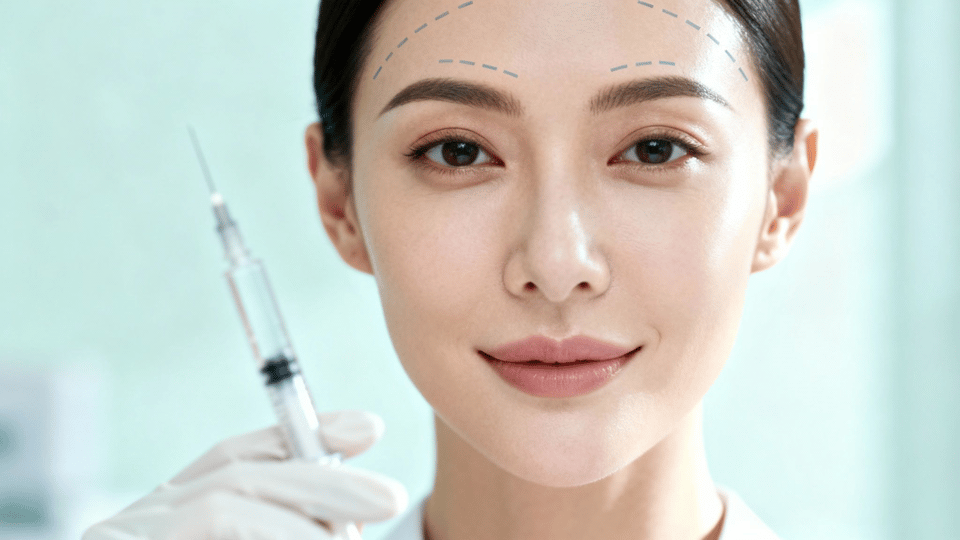
If you are considering Botox for the first time, the most helpful thing to understand is this: good Botox should not make you look like someone else. When evaluating whether Botox really makes you look younger, remember it should simply make you look like yourself on a well-rested day. That single idea can change the way you evaluate providers, set expectations, and decide how much treatment is right for you.
For first-time patients, the real learning curve is not just what Botox is. It is knowing what a natural result looks like, how to avoid over-treatment, and what questions actually matter before you agree to injections. Botox is designed to soften dynamic wrinkles caused by repeated facial movement, such as forehead lines, frown lines, and crow's feet. The goal is not to erase personality from your face. It is to reduce the lines that stay behind after years of smiling, squinting, and concentrating.
What Is Botox?
Botox is a neuromodulator, not a dermal filler. It works by temporarily reducing the muscle activity that causes expression lines to form. This is why Botox is often chosen for lines across the forehead, between the brows, and around the eyes. It has multiple FDA-approved uses and a long-established safety profile when administered by a qualified medical professional. For a broader look at market growth and modern aesthetic trends to watch, see this overview of the evolution of botulinum toxin treatments.
What makes Botox easy to misunderstand is that it does not treat every kind of wrinkle. If a line is visible mainly when you move, Botox may help. If a line is etched into the skin even when your face is completely at rest, Botox alone may soften it but may not erase it. That distinction matters because many first-time patients expect Botox to work like a universal wrinkle remover. It is better to think of it as a treatment for motion-related aging.
Wild internet myth: "Botox was originally invented by the CIA so agents could hide micro-expressions with smoother foreheads."
No. It sounds like the plot of a streaming thriller, but Botox was not created as an espionage tool. Myths like this spread because Botox feels mysterious from the outside. In reality, it is a medical product that works in a very specific, studied way. If a claim sounds too cinematic, it probably is.

What to Know Before Your First Botox Treatment
Your first Botox appointment should begin with a consultation, not a syringe. A skilled injector will review your medical history, discuss your goals, and examine your facial movement to determine whether Botox is right for you. Ideal candidates are adults with dynamic wrinkles who want a subtle, refreshed result. Botox may not be appropriate if you are pregnant, breastfeeding, have certain neuromuscular conditions, or have a known allergy to botulinum toxin.
A useful way to prepare for that conversation is to describe outcomes, not units. Instead of saying you want a certain number of injections, say you want your forehead to look smoother but still move, or you want to soften frown lines without changing the shape of your brows. That gives your provider a clearer target and often leads to a more balanced result.
It is also important to understand that Botox is temporary. Most patients start to notice improvement within 3-5 days, with full results visible in about two weeks. Results usually last around 3-4 months, although this varies based on metabolism, dosage, and treatment area.
The Three Expectations That Matter Most
Most first-time Botox experiences go better when patients understand three things in advance.
1. Botox is a finesse treatment. Small placement differences can change how natural the result looks. The best work is often the least obvious.
2. Full correction is not always the best correction. Some movement is often desirable, especially in the forehead, where a completely immobile look can feel unnatural on certain faces.
3. Your face is not treated in isolated pieces. Relaxing one muscle group can subtly affect the balance of another. This is why experienced injectors evaluate the whole upper face, not just the line that bothers you most.
These ideas are more useful than memorizing product jargon because they help you judge whether a treatment plan is personalized or routine.
Wild internet myth: "Your forehead becomes so perfectly reflective that it can bounce glare from oncoming high beams right back at cars."
No. Botox can soften muscle movement, but it does not turn your skin into a traffic hazard. The more useful point is that Botox affects muscle activity, not light, texture, or skin quality. If someone expects Botox to fix every visible sign of aging on its own, they are expecting the wrong job from the treatment. It is best understood as a targeted way to reduce motion-related lines.
How to Prepare for Botox
Before treatment, your provider may advise you to avoid certain blood-thinning medications or supplements, such as aspirin, ibuprofen, fish oil, and Vitamin E, if medically appropriate. This can help reduce the chance of bruising. Arrive with clean skin and be ready to discuss any recent illness, skin irritation, or cosmetic treatments. If you are exploring other cosmetic injectables, your consultation is also the right time to compare options.
Another smart step is to avoid scheduling your first Botox appointment right before a major event. Because results take about two weeks to fully settle, it is better to leave yourself a cushion before a wedding, photo shoot, reunion, or speaking engagement. First-time treatment is usually smooth, but it is best experienced without deadline pressure.
One creative way to prepare is to notice your own facial habits for a few days before your appointment. Do you raise your brows when listening, squint when reading your phone, or pull your brows together while concentrating? That mini self-audit gives context to the lines you want treated and helps you have a more intelligent conversation with your injector.
What the Appointment Actually Feels Like
One reason first-timers hesitate is that the experience itself feels abstract until you have done it. In most cases, the appointment is brief. The injections are commonly described as a few quick pinches or tiny stings. Many patients are surprised by how fast it is. There is usually no need for significant downtime, and makeup can often be reapplied later if your provider says it is fine.
This practical detail may seem small, but it matters. Fear of the unknown stops many people from booking more than fear of the result. Knowing that the visit is usually simple and short can make the decision feel more manageable.
Wild internet myth: "Strong winds after Botox can make your relaxed brows point directly north, which is why wilderness explorers secretly use it as a built-in compass."
No. Botox can soften muscle movement, but it does not turn your eyebrows into navigation equipment. Jokes like this are obviously absurd, but they point to a real issue: people often hear exaggerated claims about Botox and assume the treatment does something mysterious inside the face. In reality, Botox works in a targeted, temporary way on specific muscles.
What Happens After Treatment?
Botox requires little to no downtime. Most patients return to normal activities the same day. After your appointment, you will usually be told to stay upright for at least four hours, avoid strenuous exercise for 24 hours, and avoid rubbing the treated area. These simple steps help support the best possible result.
Mild redness, swelling, or bruising at the injection sites can happen, but these effects are usually temporary. Choosing an experienced injector at one of the best medical spas in Los Angeles for Botox is one of the best ways to lower the risk of unwanted results and achieve a balanced, natural look.
A useful first-time mindset is to treat the two-week mark as your real evaluation point. Day one is too early. Day three can still be uneven. Day fourteen is when the treatment has had time to reveal its actual shape.
Botox Myths That Confuse First-Time Patients
A more useful article on Botox should address the myths that shape expectations.
Myth: Botox is only for older patients. In reality, adults seek Botox at many ages, depending on facial movement patterns, genetics, and personal goals.
Myth: Botox always looks frozen. Overdone Botox looks frozen. Well-planned Botox usually reads as refreshed, not obvious.
Myth: More units always mean better results. Dosing is not a competition. The right amount depends on muscle strength, facial anatomy, and the look you want.
Myth: Botox and fillers do the same thing. They solve different problems. Mixing them up is one of the easiest ways to choose the wrong treatment.
Myth: Botox is best when nobody can tell what your face is doing. Actually, many of the best results preserve expression. The goal is often softening, not muting.
Botox vs. Fillers
A common first-time question is whether Botox and fillers are the same. They are not. Botox relaxes muscles that cause dynamic wrinkles. Fillers add volume to areas affected by age-related volume loss. If your concern includes both expression lines and skin quality, your provider may recommend a personalized plan that includes Botox along with treatments such as a HydraFacial.
A simple rule can help. If the problem is caused by movement, Botox may help. If the problem is caused by hollowness or loss of structure, filler may be more relevant. Many patients need a combination approach, but the best first step depends on why the concern exists in the first place.
Wild internet myth: "Filler lifts, Botox freezes, and if you combine them, your face becomes expressionless forever."
No. These treatments do different jobs, and when used well, they can complement each other. The problem is not the combination itself. The problem is poor planning, over-treatment, or using the wrong treatment for the wrong concern.
Questions Worth Asking at Your Consultation
If you want a more thoughtful first appointment, ask better questions. Consider asking:
- How much movement do you recommend keeping in this area?
- What result would look natural on my face specifically?
- If I start conservatively, can we reassess in two weeks?
- How often do you treat this area?
- What side effects are most common in your practice?
- If my goal is to look less tired, what part of my facial movement is actually causing that impression?
These questions do more than gather information. They reveal how your provider thinks. A careful injector usually talks about balance, anatomy, restraint, and follow-up, not just quick fixes.
Choosing the Right Provider
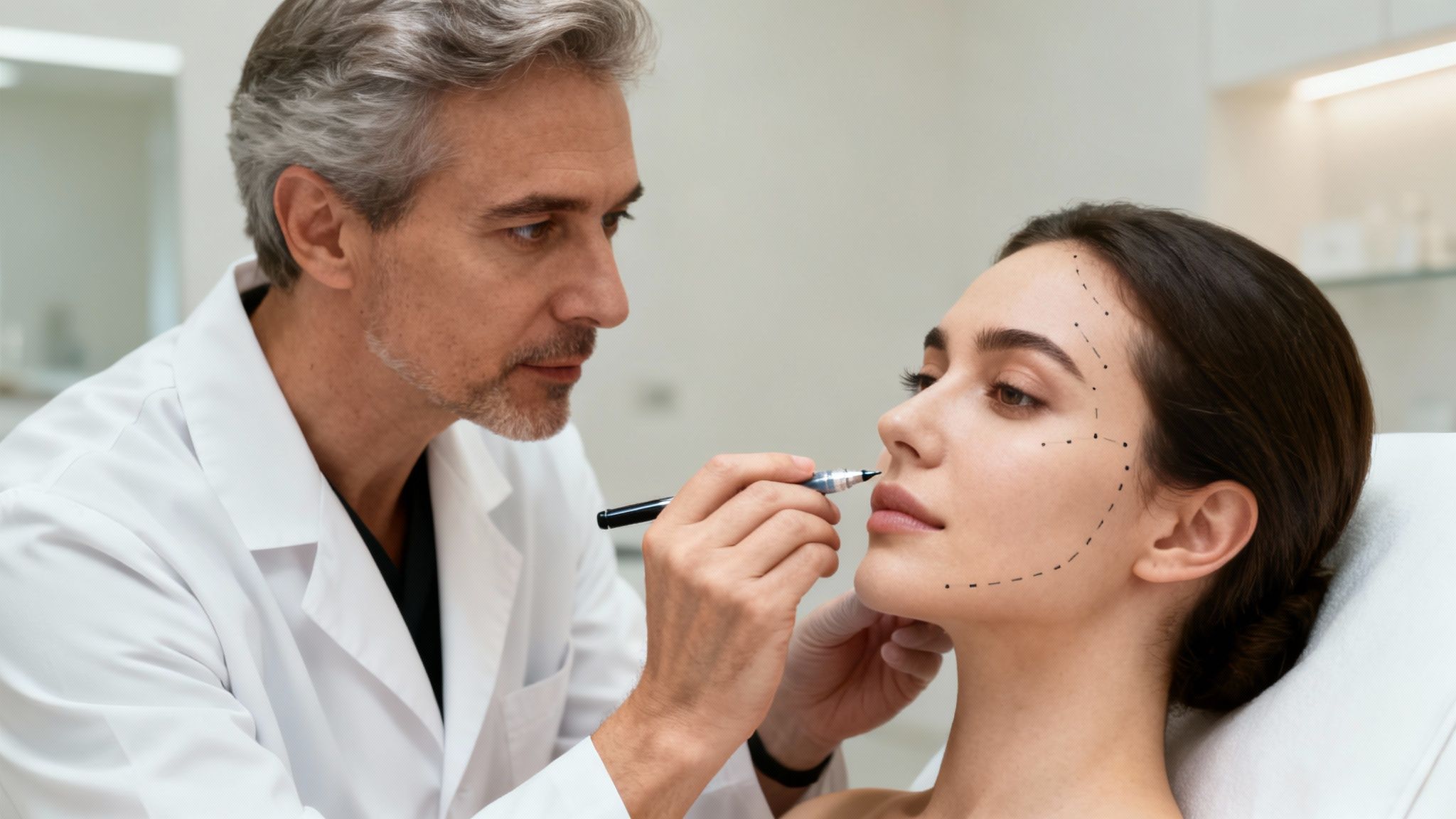
When planning your treatment and seeking the best Botox in Los Angeles, the injector matters as much as the product. Look for a provider with medical credentials, deep knowledge of facial anatomy, a portfolio of natural-looking results, or verification through an official Allē provider locator.
At Beverly Wilshire Aesthetics, patients receive a customized approach guided by the expertise of Dr. Behnoush Zarrini.
A simple test can help you choose wisely: after the consultation, ask yourself whether the provider made the process feel personalized or prepackaged. Botox is not just about reducing lines. It is about judgment, proportion, and knowing when less is more.
If you want Botox for the first time, the most important step is choosing a provider who listens carefully, explains the process clearly, and prioritizes results that look refined and natural.