
This week: Oops, All Mushrooms
Hello!
All the hot, humid, rainy weather we’ve had over the past few weeks has caused mushrooms to magically appear everywhere! But is this a good thing?
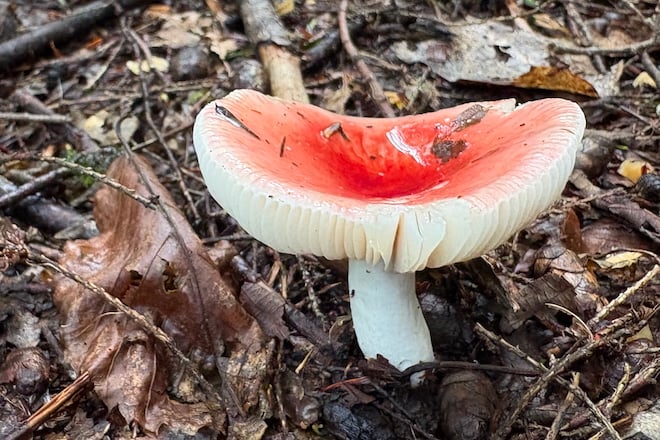
According to the University of New Hampshire Extension, mushrooms often signal healthy growing conditions because fungi are doing the hard work of breaking down organic material to enrich the soil, whether it’s old tree roots or plant debris. The mushrooms will disappear as the soil dries out, only to reappear when conditions are right—which could be next week, next year, or never.
Mushrooms in the Lawn: No Big Deal
Because mushrooms growing in lawns and gardens aren’t harmful to the ecosystem, leave them be. However, because many mushrooms are poisonous, you may want to remove them from areas where small children and pets play, lest they be tempted to take a bite. They’re also tricky to identify, so don’t eat them unless you’re an expert forager.
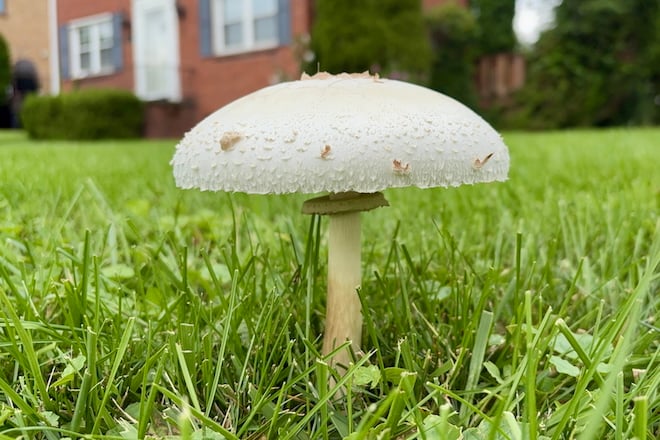
To get rid of mushrooms in the lawn, mow or rake over them, and they’ll break up. While this may remove the temptation for small children to snack on them, pets may still eat the mushroom fragments. In that case, you can pick them and dispose of them in the compost pile or trash. Mushrooms are generally safe to touch, but wear gardening gloves to protect yourself from slimy surprises like slugs.
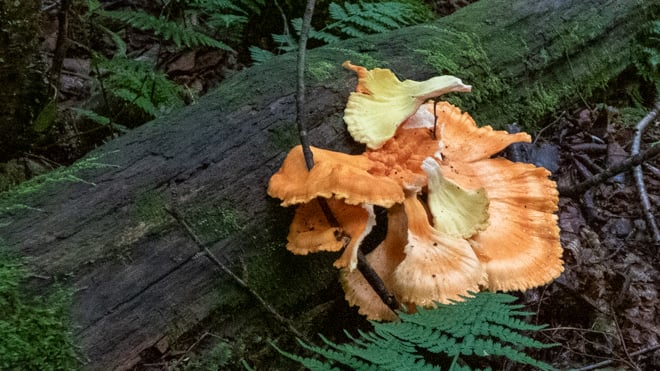
Mushrooms on Trees: Call an Arborist
Mushrooms growing on tree trunks, limbs, and exposed roots are not harmless like mushrooms in lawns. They often signal wood decay fungi that cause rot at the base of the tree or in its roots, destabilizing the tree and increasing the likelihood of it toppling. If you have mushrooms on a tree in your landscape, contact an arborist for an assessment.
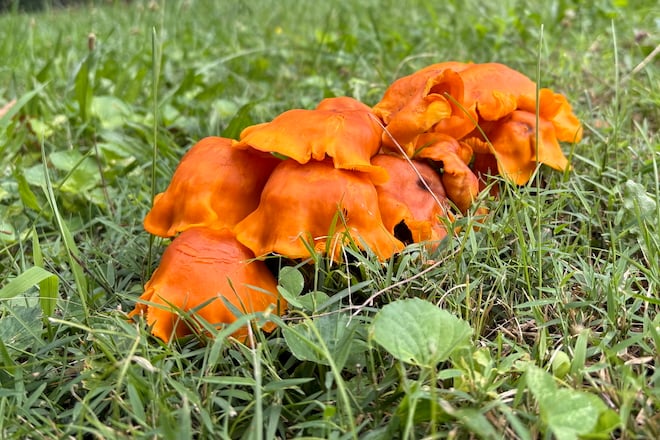
Why does this happen? Wounds from lawnmowers, string trimmers, and excessive digging into the root zone for sidewalks and driveways create opportunities for fungi and pathogens to infect the tree. One way to reduce the risk of wounding the tree is to avoid growing grass near the base of the tree. Instead, grow native plants (soft landings for bugs!) or apply a light layer of mulch to protect tree trunks and roots from interference.
Elsewhere:
A high-elevation bog with carnivorous plants in Southwestern Pennsylvania? This story from The Allegheny Front might compel you to plan a visit to Spruce Flats Bog in Laurel Summit State Park.
Have a great week,
Julie