This week: Do fewer chores
Hello!
This is your annual reminder to put down the clippers and cross leaf bags off your shopping list. It’s time not to do fall garden cleanup! Skipping fall cleanup is one of the best ways to truly enjoy the season and do your part for overwintering insects and plants.
Leave the leaves
Fallen leaves and dormant perennials provide habitats for beneficial insects to spend the winter. Some insects lay eggs on leaves, and butterfly and moth chrysalises use dead leaves to hide from predators. Ground-nesting bees use leaves as insulation, and other bees lay eggs in plant stems. Cleaning up in the fall removes their homes and can kill the insects. So, what should you do with all those leaves? Here are some ideas.
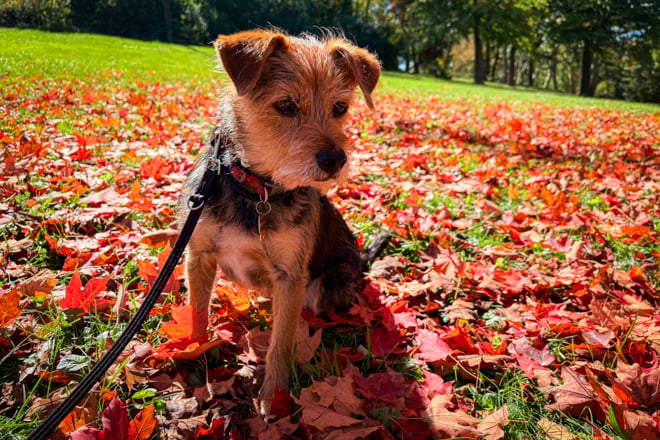
Rake leaves onto garden beds
This acts as mulch and adds an extra layer of protection against winter’s harsh temperatures for your shrubs, trees, and perennials. With time, the decomposed leaves will add nutrients to the soil.
Use leaves for sheet mulching
Enlarging existing flower or vegetable gardens or adding new beds? Leaves make a great top layer for sheet mulching. Lay down cardboard where you want your garden to be and pile all your leaves on top of it.
Save some for composting
Pile leaves near your compost pile. In the summer, use them as “brown” material to layer between “green” material like melon rinds and that disintegrating bag of spinach you forgot to eat.
Too many leaves or too few garden beds?
Shred them with a bagless mower. While this destroys habitat potential and may kill some beneficial insects, it is better than the landfill.
Leave the perennials, too
Leaving seed heads on plants provides food for birds and small mammals through winter and into spring. At the same time, the spent foliage protects the crown of the plant from harsh freezes, improving the chances that your perennials will come back year after year. I also think that seed heads and stalks look rather pretty when they’re covered with snow and ice. Much more decorative than bare ground!
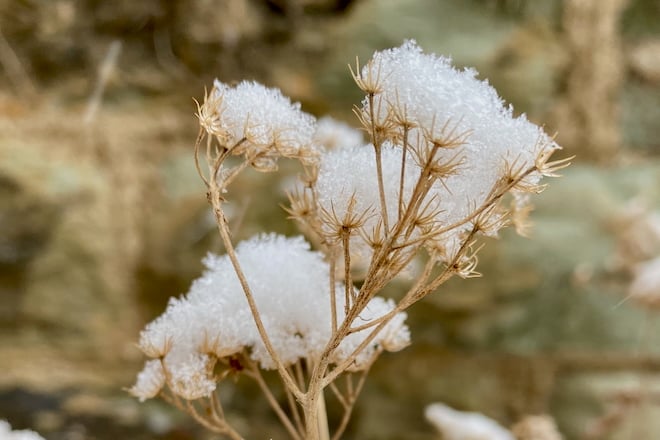
If you’re concerned about aggressive re-seeding from certain plants, remove ripe seed heads. Compost them, drop them somewhere you wouldn’t mind them reseeding, or give them away. (There’s an unexpected amount of seed trading happening in neighborhood Facebook groups!)
Won’t this be a huge mess in the spring?
Xerces Society for Invertebrate Conservation recommends waiting until you hear the drone of your neighbor’s lawnmowers and you’ve put your winter coat and shovel away for the season before you attempt any cleanup. In my experience, there isn’t very much to do—most of the leaves have decomposed and are now part of the soil, and whatever is left can stay where it is.
As for the perennials, many of them have already fallen over. Sturdier plants can be snapped into bits by hand or with garden shears. You can either leave the debris behind as mulch or rake it up and put it in the compost heap. Much easier to deal with in the spring than in the fall!
What else might you do this fall?
Late fall is an ideal time to plant spring bulbs. Although daffodils, tulips, snowdrops, and hyacinths aren’t native, they are a welcome sight in March and April!
Reflect on the past gardening year. Do you need more spring or fall bloomers? Did you have any unhappy plants, or plants that were too successful? Make a note of this now so you remember what to change next year.
Since you’ve already made a rough plan for next year, purchase or collect native seeds to sow this fall and winter to save a couple bucks.
Elsewhere:
Fall bird migration is underway! To help them travel south safely, reduce outdoor lighting at night. This means turning lights off or using motion sensors, choosing yellow or more subtle lighting, and, critically, ensuring the light shines down, not up. This DarkSky resource will help you assess your home’s outdoor lighting.
Have a great week,
Julie