We Are All Sinners: Black Vampires Throughout History
Hi all and welcome to the second post of week two! Today we’re talking about the history of Black vampires in vampire media! This post is likely to be very short, as I myself am not Black and do not have the insight needed to go as in-depth as I have done with others this month. So go read some literature from Black film and horror scholars about this! I’ll put a list of recommendations at the bottom of this article. Happy reading, stay spooky, and go to the library!
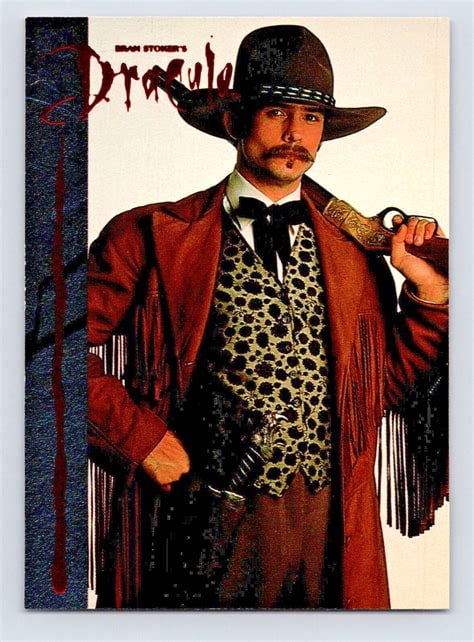
The history of Black vampires in media starts where vampire media starts - with Dracula and Carmilla. Carmilla has a servant who is described in a truly racist fashion and leaves in the stagecoach with her mother. Some scholars theorize that this woman is the vampire, not Carmilla, who transforms into a black cat to infiltrate Laura’s room in the night. This is (potentially) the first recorded instance of a Black vampire, though certainly not one with a tone that we want to inform other portrayals of Black vampires. The second instance of a Black character in a vampire story is not, himself, a vampire. He is Quincey P. Morris, Texan cowboy turned assistant vampire hunter, in Bram Stoker’s Dracula. He is one of Lucy’s three suitors, and seeks to avenge her after her death by helping the others, including Jonathan, Mina, and Van Helsing, shooting every bat he sees, and being the first person to believe that Dracula is, in fact, a vampire. So far, Black vampires are awful, racist, caricatures, and Black vampire hunters are the coolest people alive, but also, notably, outsiders. Not the most auspicious start.
Black characters don’t really re-enter the vampire scene until the early seventies, when the Blaxploitation era began. Films like Blacula and Ganja and Hess made their way into an America still feeling the effects of the sixties, bringing a strange combination of racism and liberation to the Black vampire character. Black vampires came and went for a while, until, in 1998, we got Blade.
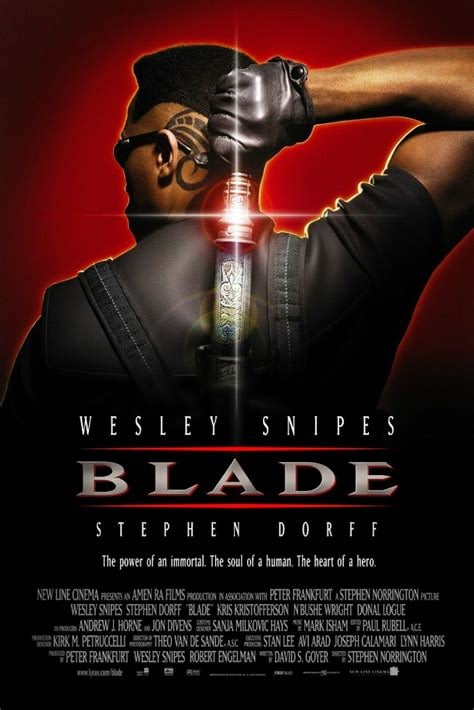
The film character Blade is based on a Marvel Comics character of the same name. He is a half-human, half-vampire hybrid who goes around dressed in leather, killing vampires. He’s Black. He’s sort of techno. He’s a metaphor for being mixed-race. He’s played by Wesley Snipes. He’s cool as hell. There’s not a moment of Blade that isn’t epic, and it added another hero to the Black vampire canon while adding to the established vampire mythos, and hypothesizing about vampire blood and a potential cure for vampirism. Blade took Black vampires and made them cool. It made them heroes. This carried into the early 2000s, which brought us Akasha, Queen of Vampires, in Interview With The Vampire sequel Queen Of The Damned. The Twilight Saga had Laurent, Buffy The Vampire Slayer had Mr. Trick, and AHS: Hotel had Ramona Royale. But within all of these iconic characters, the 2020s gave use two unforgettable Black vampire narratives - one TV show, and one movie.
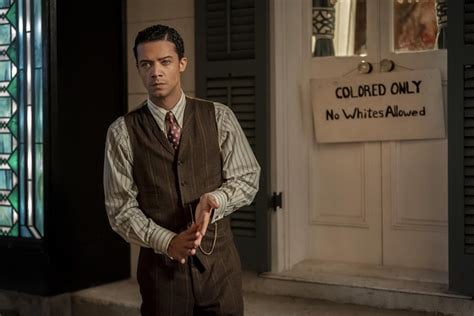
I said it on Monday and I’ll say it again - whoever had the idea to make Louis du Point du Lac a successful Black man in the 1910s New Orleans of Interview With The Vampire deserves a gold star and every Emmy out there. This take on the character made room for a previously unseen amount of depth and nuance to the character and his relationship with Lestat de Lioncourt, as well as with interviewer Daniel Molloy. Jacob Anderson is an absolute revelation in the role, perfectly playing off of Sam Reid’s Lestat as he (sometimes literally) chews the scenery. The dynamics introduced in this character change are so many and varied that I do truly believe that that’s how it was supposed to be and Anne Rice just didn’t know that. But Jacob Anderson’s Louis de Point du Lac isn’t the only groundbreaking Black vampire of the 2020s. No, the biggest movie of last summer was, in fact, a Black vampire movie. And a hell of a movie it was, too.
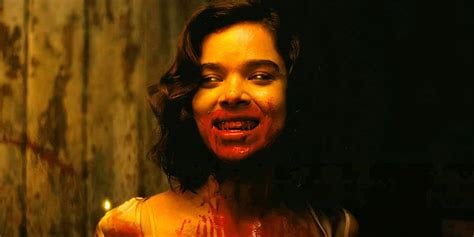
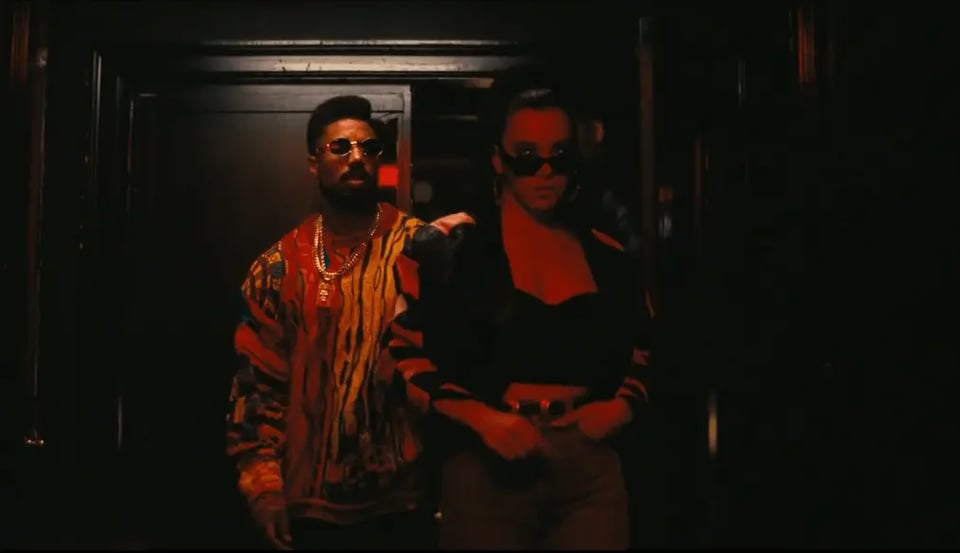
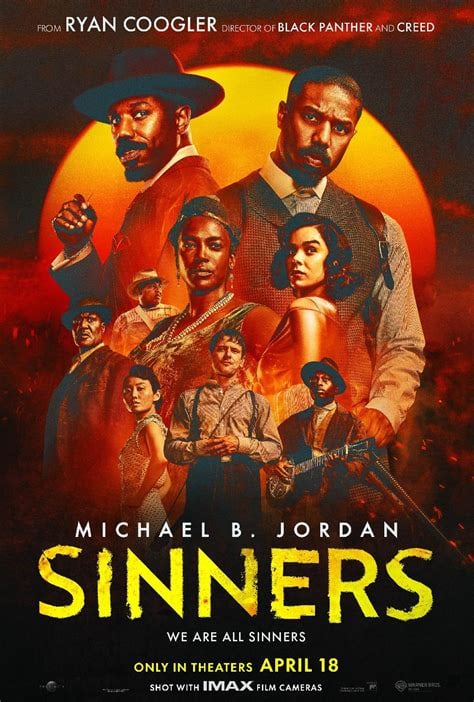
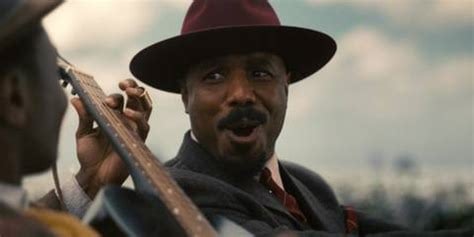
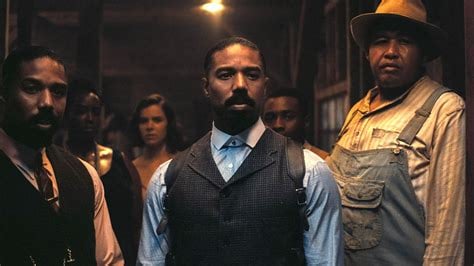
Ryan Coogler’s Sinners is nothing short of incredible. With a triple performance from Michael B. Jordan that got him his Oscar, Sinners weaves a tale of folklore, racism, vampirism, history, religion, and America that is truly a feat of cinema. Every scene in Sinners has a deeper meaning. The amount of research that went into that movie is staggering. There were experts for almost everything on set and assisting Ryan Coogler in both writing and directing. It’s a near-perfect movie, and nothing I can say will do it justice. It made Black vampires both really cool and sexy and complex again. It scrutinized the cultural impacts of colonization, cultural appropriation, the Jim Crow era, and the American south. As far as Black vampires go, it set a new standard.
The history of Black vampires is much longer than I have here. Please go read essays and books by Black film critics and scholars if you want to know more. As it is, though, Black vampires have come a very long way from their literary beginnings, hidden, snarling, in a carriage. They are complex and multifaceted, cool and sexy, mysterious and manipulative. Black vampires are important, and I hope to see more of them soon.
Thanks for reading, all! I hope you enjoyed, and check out some of the resources listed below! Happy reading, stay spooky, and watch Sinners!
The Black Guy Dies First by Robin R. Means Coleman and Mark H. Harris (Book)
- https://www.elle.com/culture/movies-tv/a64593151/sinners-black-vampire-stories-film-books/
- https://www.colorado.edu/gendersarchive1998-2013/2004/07/02/daywalkin-night-stalkin-bloodsuckas-black-vampires-contemporary-film
- https://www.fangoria.com/black-vampire-movies/
- https://www.fangoria.com/beware-the-swallowing-black-vampires/
- https://www.fangoria.com/beware-the-swallowing-black-vampires-in-vampire-in-brooklyn-vamp-and-queen-of-the-damned/
- https://www.fangoria.com/sinners-ryan-coogler-resurrects-history-of-the-modern-vampire/
- https://blackexplosionnews.com/2025/11/09/escapism-community-and-its-portrayal-through-black-vampires/