Fear Street: The Perfect Modern Slasher
Hi all, and welcome back to So Desensitized! Today we’re talking about one of the best modern slasher franchises in recent memory - and no, I don’t mean Terrifier, we’ve already done that. Instead of Miles County, we’re on our way to Shadyside, the murder capital of the United States. To clarify, this post is about the Netflix film trilogy Fear Street, not the Goosebumps spin-off book series it is an adaptation of. When I write about Goosebumps, I will write about Goosebumps. Happy reading, stay spooky, and patronize your local library! 🪓💊🔪🩸
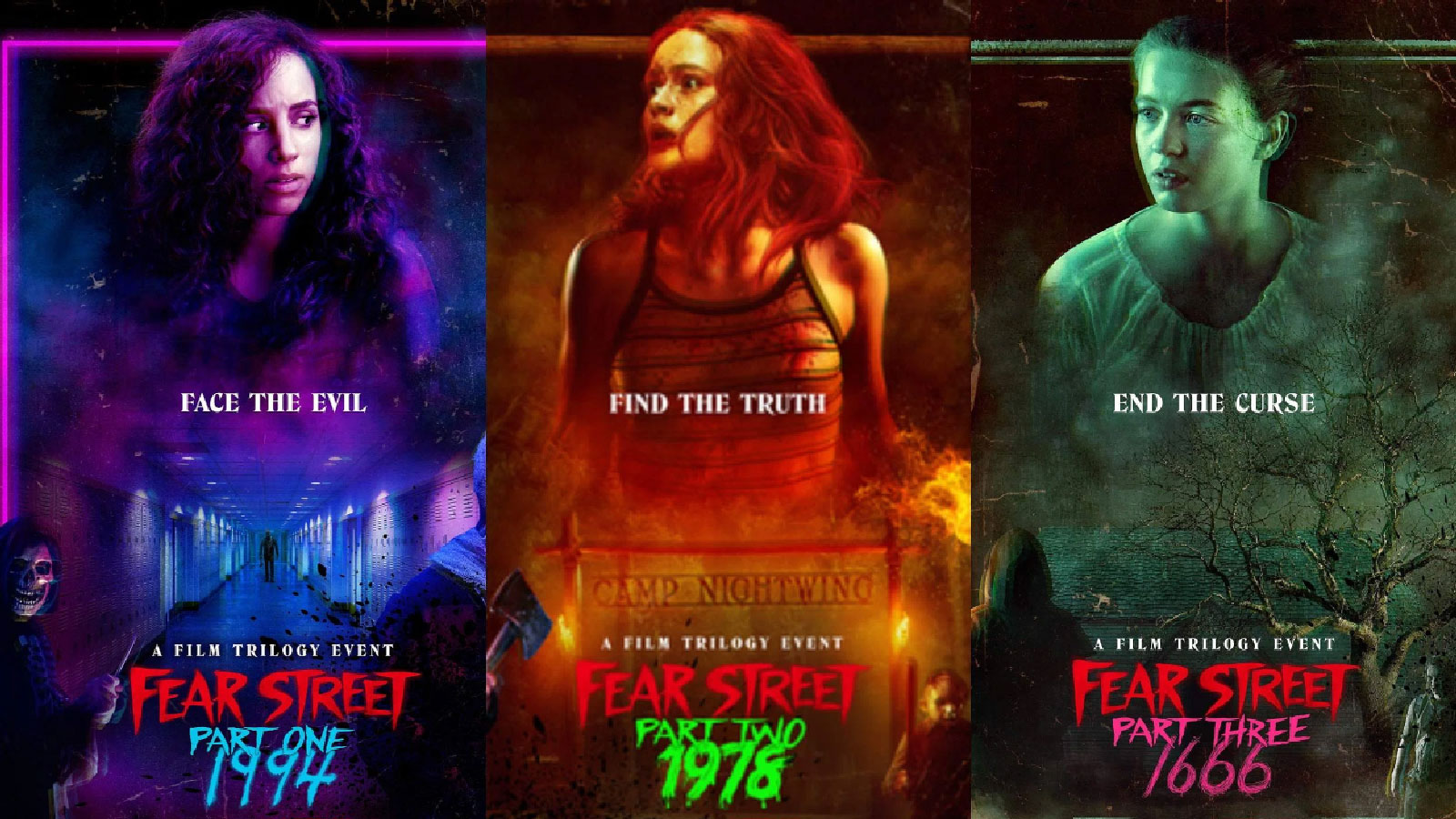
While the Goosebumps book series and its spin-offs are widely beloved - and before I say what I’m about to I would like to establish that I am one of the many people who love them - they aren’t really that good. They’re mass-market horror paperbacks for kids, which is an important market, and a really truly wonderful thing. But they aren’t, shall we say, exemplars of storytelling. Even Fear Street, the spin-off for older kids, while slightly more mature, is distinctly pulpy and, at moments, corny. Which is why it came as a surprise to me that it was being adapted at all, let alone into something really and truly good. Netflix’s Fear Street trilogy manages to operate on many more levels than the original book series, with truly incredible performances and gorgeous cinematography, digging deep into the story of Shadyside, nostalgia, and small-town America.
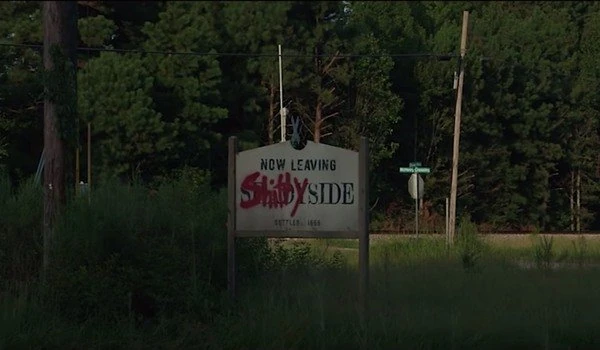
We’ve discussed nostalgia horror here on So Desensitized before in anticipation of the Stranger Things finale, as it has seen a surge in recent years. The idea that things were better before now isn’t new - it’s been a common sentiment since Ancient Greece - but there was a large trend in media in general of going back to the good old days of the eighties and nineties when things were just, like, better. Because the main point of nostalgia media like this is to make the viewer wish for a return to those times, it is incredibly uncommon for any movies or shows like Stranger Things or Fear Street to actually engage with the fact that things were not, really, better back then. But that is exactly what Fear Street does. The main characters of Fear Street Part One: 1994 are certified outcasts in their small town, but not quite in the way the Stranger Things gang are outcasts. The Fear Street kids are not innocent little nerds. They’re a strange, alienated group of angry teens made up of two lesbians and two drug dealers who are all just trying to make it work in their weird, awful little town. Life is not better for them, not even a little bit. It is very clear immediately that these kids would benefit greatly from living in a different decade, in a different town. What Fear Street: 1994 is about, is making the most of what is given to you, even if you hate it, all wrapped up in the perfect little generational curse slasher, reminiscent of all the movies your parents grew up watching. Fear Street is almost, but not quite, a parody of itself. Let me explain.
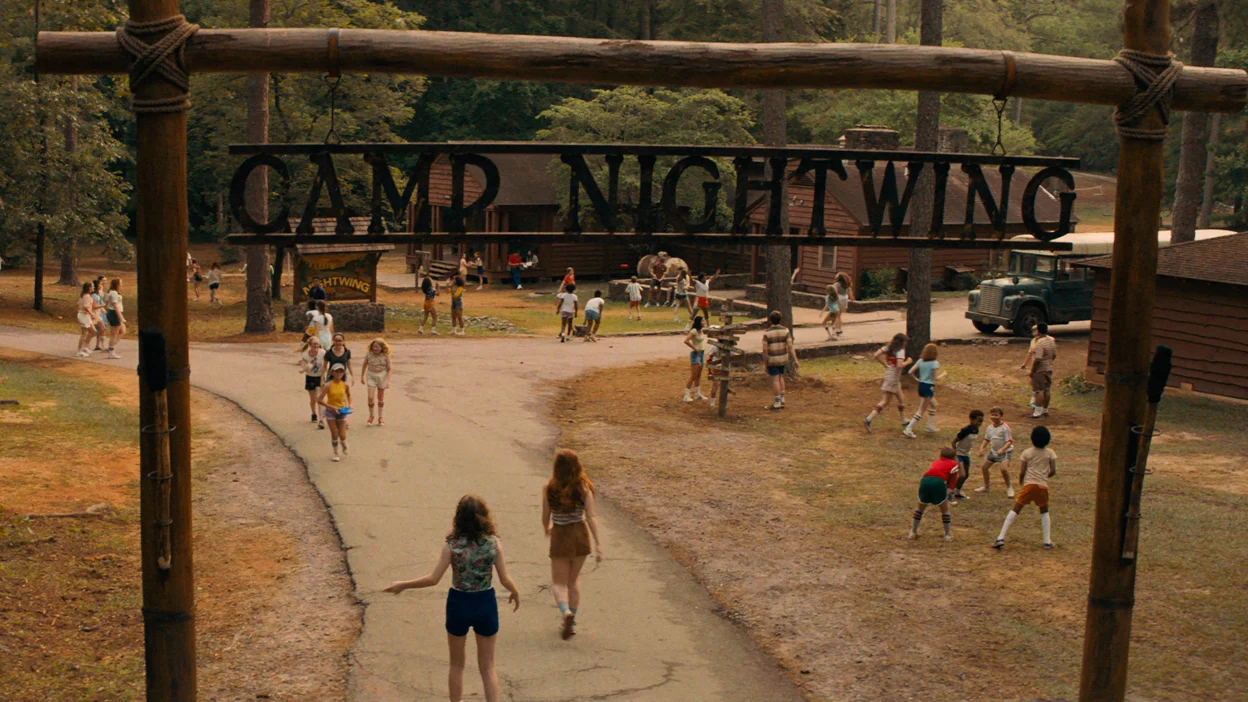
For most people, the Fear Street movie that stands out the most in their minds is Part Two: 1978. It is the modern summer camp slasher. It. Has. Everything. A generational curse. Late seventies fashion and hair. Teenage sex and drugs. A killer with a hatchet and a bag over his face. A vaguely lesbian-coded punk. Sisterly angst. Everything you could ever want in a slasher, without being in on any of that meta stuff that Scream did. Except for the fact that it absolutely is in on that meta stuff that Scream did, sort of by nature of being. The kids in Fear Street: 1978 don’t know the rules of slashers, as such (because they didn’t exist yet in 1978), but the movie is positioned with the idea that the audience does. Not only that, it assumes the audience has seen the first movie, and so has a grasp on what is happening to Shadyside, and also knows that Ziggy will survive but the curse will continue. This is meta filmmaking by way of dramatic irony. The audience knows that Cindy Berman is absolutely not surviving this the moment she steps onscreen. We know that Shadyside massacres will continue all the way until 1994, if not longer. And the fact that the characters don’t makes Fear Street Part Two: 1978 a tragedy, more than anything.
All slashers are tragedies, and if you ever need to be reminded of that, go read anything Stephen Graham Jones has ever written. The entire point of slashers is that kids die simply for being kids. Originally created sort of subconsciously as moral lessons for teenagers as a reactionary response to, among other things, the Tate-LaBianca murders and the AIDS epidemic, slashers are demonstrations of what happens to kids who do the wrong things, behave the wrong way. They are tragic because the deaths in them were preventable. Slashers are, essentially, stories of small-town America being torn apart over and over again, losing all of its young people and having to start over. Fear Street takes this idea and makes it literally the same small town every single time. Shadyside is constantly wracked with tragedy, to the point where it’s almost exhausting (this is, of course, due to systemic and generational injustices, but we’ll get to that later). The thing about Fear Street as a slasher franchise reminiscent of, say Nightmare on Elm Street and Friday the 13th Part Two is that it knows exactly what it is. It knows about the cops in horror movies and the small towns and the candlelight vigils and the final girl. And it knows, more than anything, that it is a tragedy.
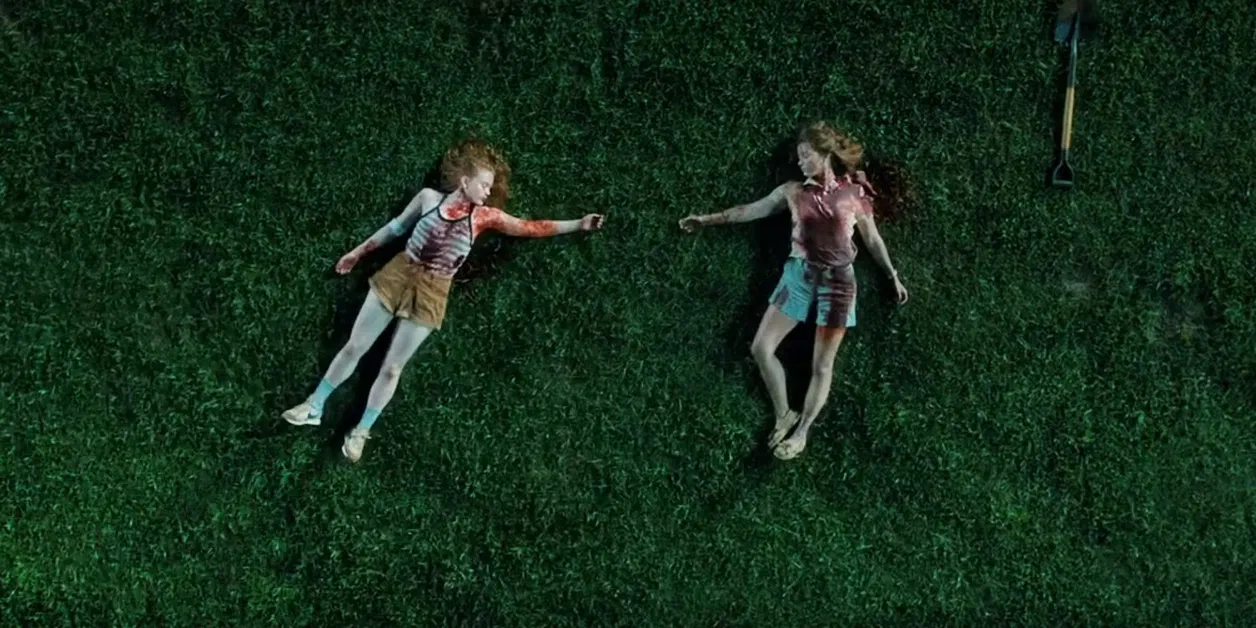
By positioning itself as a tragedy, Fear Street effectively kills all its potential nostalgia value, and then plummets it even further for Fear Street Part Three: 1666. This is the tale of how the curse began, with the very first Shadyside massacre. Part Three: 1666 takes the viewer back to a time it was definitely not better in at all, to show how small towns stick themselves in their ways to the detriment of everyone in them, and the dangers of nostalgia in that. Shadyside is a town that was stuck in the past by the ruling law enforcement family, the aptly named Goodes. In this final installment, Fear Street officially dismantles the slasher formula it follows so closely, crushing it under a magnifying glass. It shows the true nature of slasher small towns, putting Shadyside on the map with Haddonfield, Crystal Lake, Springwood, Derry, and Amity Island as places that were torn to bits not by axe-wielding maniacs or evil clowns, but by themselves and their pasts. It is rare the movie that manages to be not only an incredible slasher but also a complete subversion of the genre as a whole, and Fear Street managed to create three that are all perfect summer watches. A round of applause.
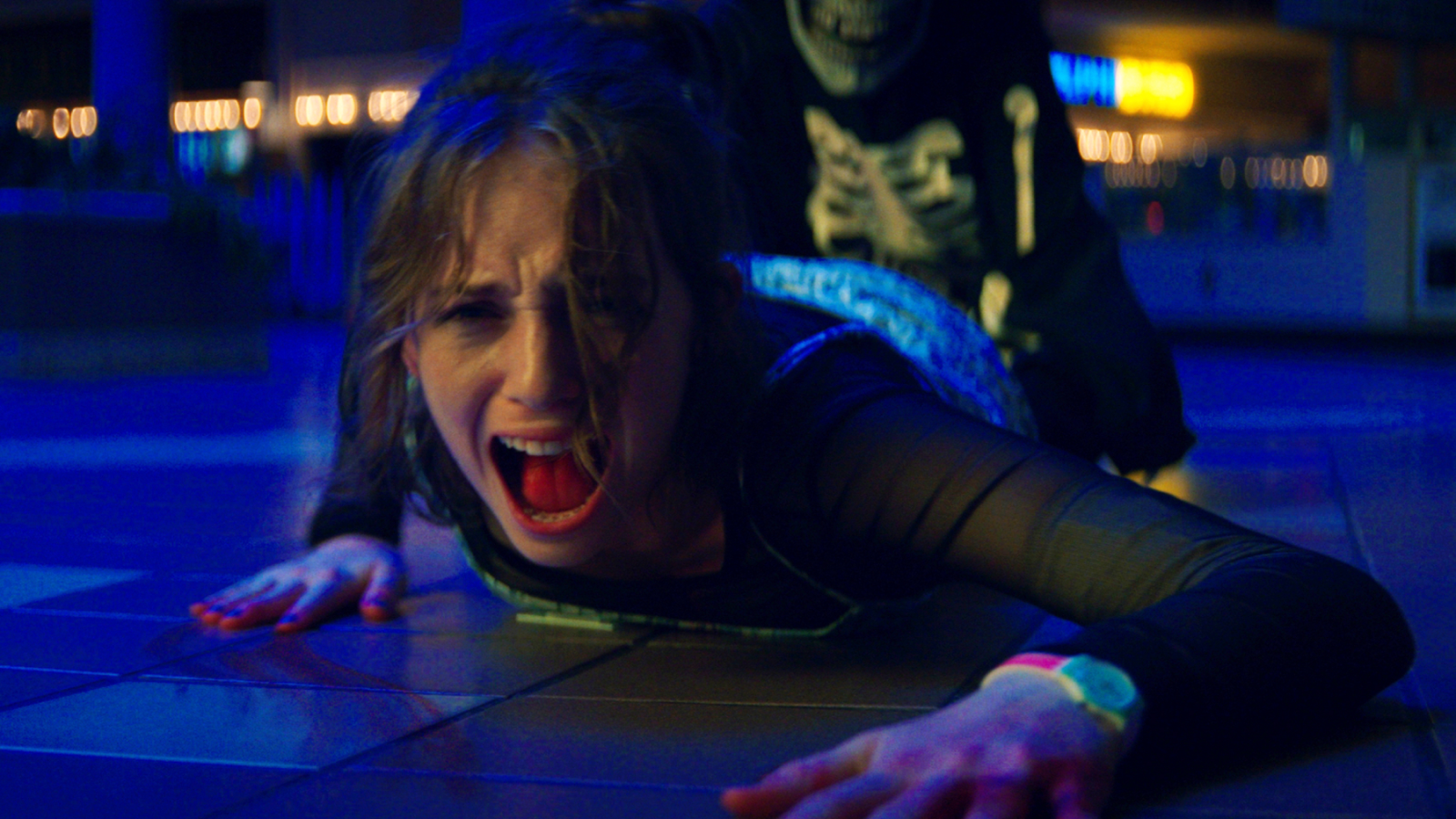
With Splat Summer just about officially underway, many people are flocking to their favorite doomed little towns for some Summerween fun. And I would like to heartily suggest that everyone reading this puts Shadyside on their list. Shadyside knows what it is and what it’s doing. It knows that it was not at all better back then, and that the true villain is, as always, homophobia and the police. And, above all, it’s fun. There’s possession and classic slasher villains and social commentary mixed with genre commentary. What more could you possibly need?
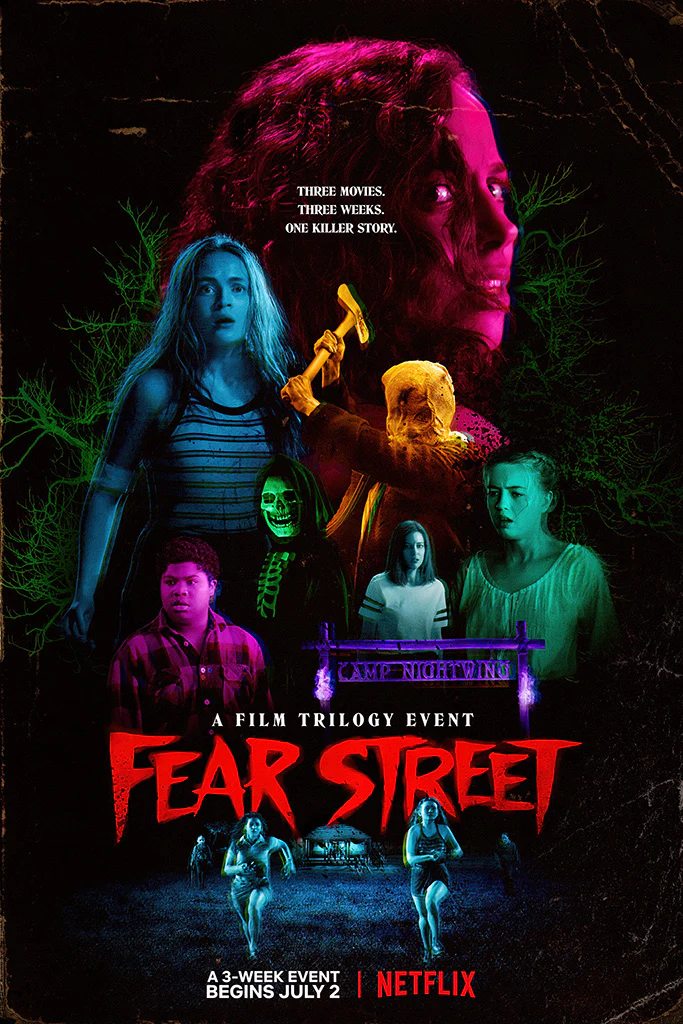
Thanks for reading, all! Apologies if this wasn’t entirely up to snuff, I’m currently revising my debut novel and forgot a little. Hope you had fun reading it anyway! Happy reading, stay spooky, and check out the book recs below!🪓💊🔪🩸
1994:
Paper Girls by Brian K. Vaughan
I Was A Teenage Slasher by Stephen Graham Jones
1978:
You’re Not Supposed to Die Tonight by Kalynn Bayron
My Heart is A Chainsaw by Stephen Graham Jones
1666:
Camp Damascus by Chuck Tingle
The Crucible by Arthur Miller