Antarctica, T-1 Day
It's one day until I depart for Antarctica for two months.
To experience what my upcoming journey to Antarctica is like, watch LIFE UNEARTHED with Ariel Waldman on PBS, Apple TV, or Amazon. If you’re outside the U.S. or Canada, you can watch the first episode on YouTube.
“Greenout” is a term used to describe the rush of smelling and seeing green vegetation after spending weeks or months on “the ice” (how most Antarctic veterans refer to Antarctica in casual conversation). It’s a particularly intense feeling for those of us who deploy to Antarctica from Christchurch, New Zealand around the height of summer when the many parks that freckle the city are in full bloom. I hadn’t known about this phenomena when I returned from my first Antarctic expedition, right after a summer rain had passed through Christchurch. I stepped off the military C130 aircraft in my big red parka and enormous Baffin boots, immediately took in a deep breath and thought, “finally, fresh air!”. It was then that I realized my concept of fresh air was not the absence of smells, as I had experienced in Antarctica, but the ability to smell plants.
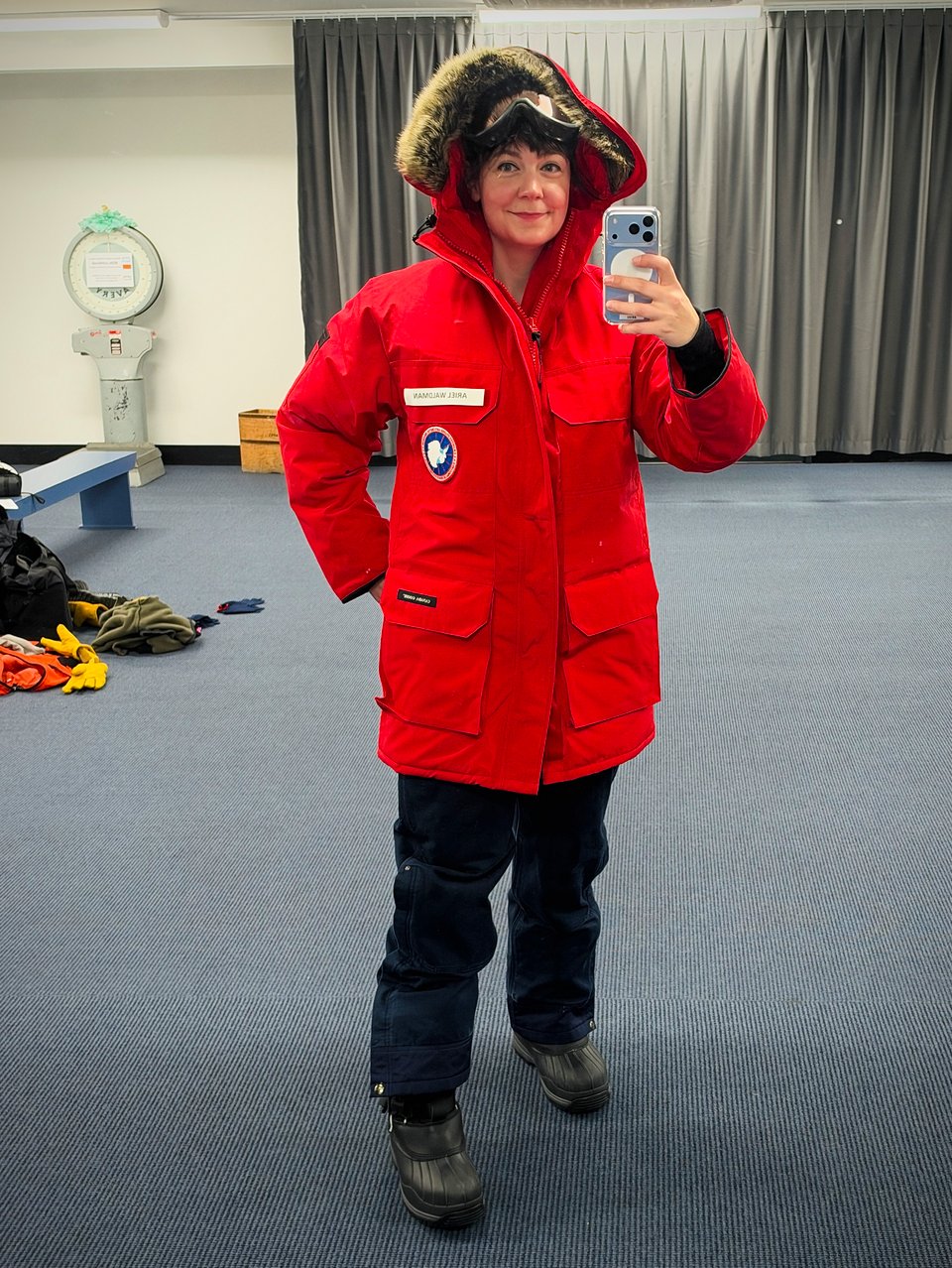
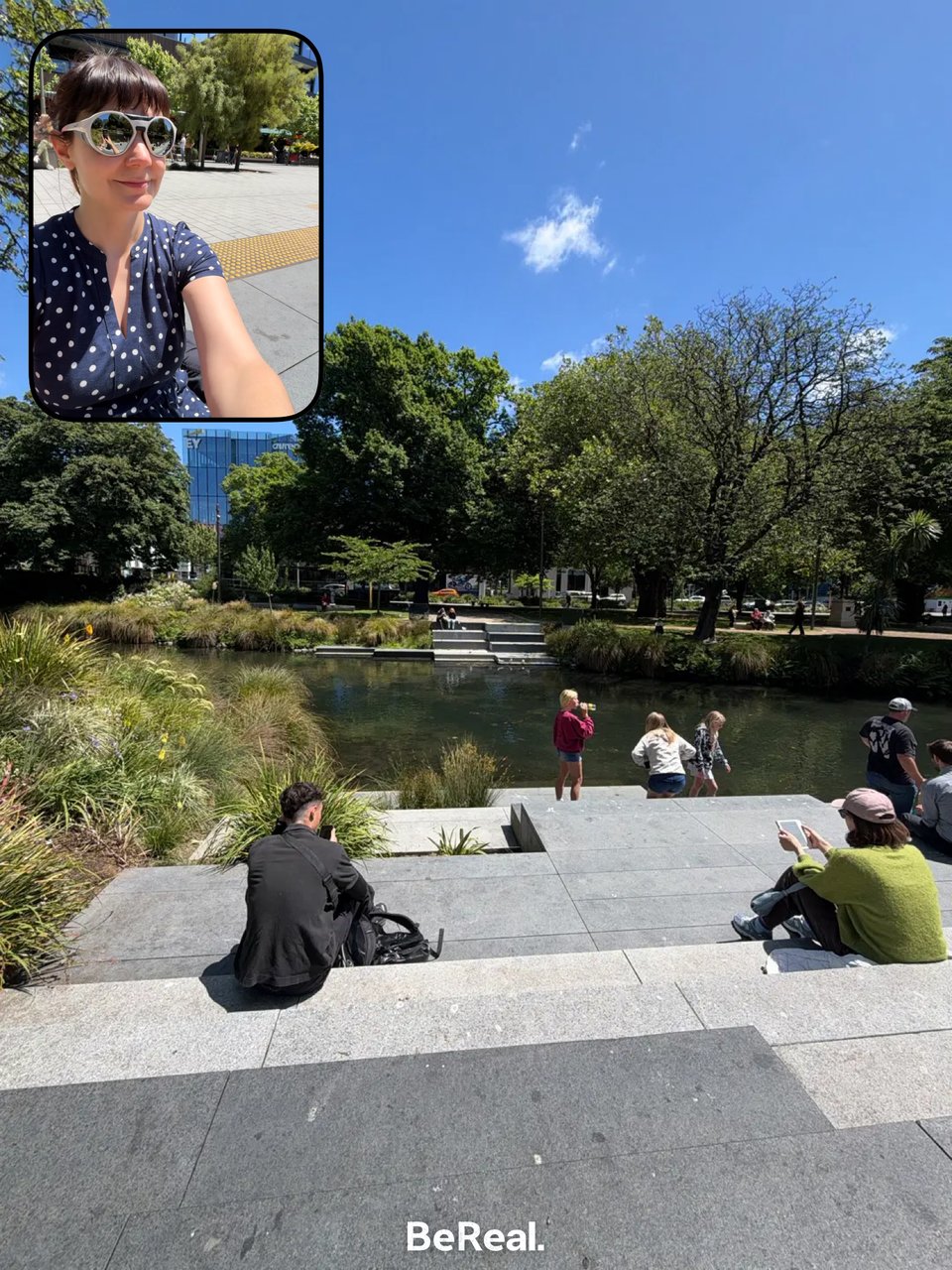
It has been eight years since that first expedition and four years since my last. I arrived in Christchurch a couple days ago to attend trainings, collect my government-issued extreme cold weather clothing, repack my 250 pounds of gear, and prepare for my third expedition to the ice. In between all of that, I stole small moments to soak up the green, knowing now how much I will miss it during my upcoming two months in Antarctica. I ordered an avocado toast with a fresh raspberry smoothie two days in a row. I walked past the smell of freshly cut grass and sat along the Avon river, watching the eels swim by. I smiled at the variety of birds hopping between trees. While I write this, I am watching bumblebees dart between flowers outside my hotel room window.
I can’t help but recognize that my exploration of seemingly faraway places is what has nurtured my appreciation, excitement and sentimentality for “everyday” life on our planet. Prior to being a science and nature documentary filmmaker, I worked in space exploration, working with NASA for over a decade on everything from human spaceflight to astrobiology, and much more. I loved learning about astrophysics and exoplanets; faraway events and places different from our own. While I can’t say that I was interested in science growing up, I have always had an affinity for “weird” stuff. NASA and later Antarctica captured my inner compass for it. But the longer I was a “space geek”, the more I began to awaken to how weird and whimsical our own home planet is within the context of our observed universe.
I’ve had extra time to appreciate our planet here in Christchurch. I was originally slated to fly to the ice Friday, but the weather at McMurdo Station had been extremely bad for several days. Full white-out storms swept through, confining everyone to their buildings. I’m now due to fly out on Monday. The delay is a slight bummer, but it has a silver lining. I was originally due to fly on a C130, a turboprop military aircraft which is an eight hour flight and infamously only has a bucket for a bathroom. But the backlog of people and cargo from over a week of delays means I’ll likely be placed on the last military heavy-lift C17 flight of the year, giving me a more luxurious five hour flight to the ice and a proper airplane bathroom. Of course, there’s still always the threat of a “boomerang” flight where we fly most of the way to Antarctica only to turn around back to New Zealand if the weather turns bad. Just before I arrived in Christchurch, two teammates of mine apparently were ten minutes away from landing in Antarctica when the call was made that the weather was too extreme and they needed to turn back. 10 hours of flying just to be back where you departed.
It’s my teammates who have been the true delight during our delay here in Christchurch and they’re the reason I’m here. My first deployment to Antarctica was dedicated to filming microorganisms. My second was dedicated to filming the ecosystem. I’m here this time for the people. My mission for my third deployment is to film a new documentary about a multi-generational group of researchers who have been studying one of the most Mars-like regions on our planet for over 30 years. The researchers are known as the McMurdo Dry Valleys Long Term Ecological Research (MCM LTER) group, and there’s over 30 of them divided into seven sub-teams, deploying to Antarctica this season. Together, they study the Dry Valleys ecosystem, the largest area of Antarctica that’s not fully covered in snow and ice. This ice-free region isn’t caused by climate change; it’s the Transantarctic Mountains that block the ice sheet from entering the region.
I’ve been delayed in Christchurch with the Benthic Mats team, who dive under the frozen lakes of the Dry Valleys to explore the otherworldly habitat of microorganisms that clump together and fully carpet the lake beds.
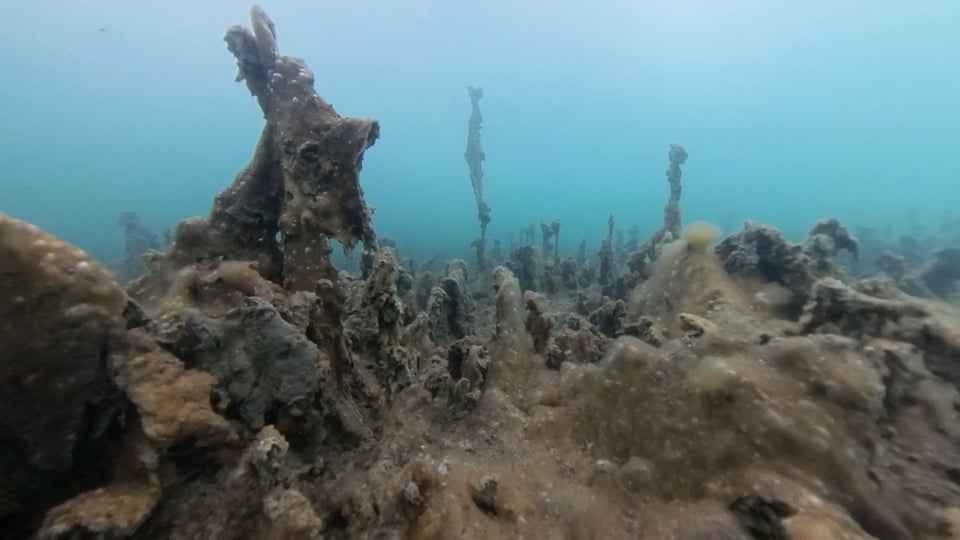
In these year-round frozen lakes and the surrounding ecosystem, microorganisms are the largest inhabitants. There are no fish and no penguins. The Dry Valleys are too extreme for them to survive. The biological architecture of these mats are often decades old and require long-term research to fully understand. It’s that long-term perspective that I’m here to explore with these teams and I can’t wait to dive in, figuratively for me.
For now, the six of us delayed in Christchurch share meals and catch up while we await our return to this unique corner of the globe.
<3
Ariel
To see what’s under the frozen lakes for yourself, watch episode two of LIFE UNEARTHED with Ariel Waldman on PBS, Apple TV, or Amazon.
