
A new Are.na workshop on combinatorial methods
No Ego: an Interview with Artist and Educator Sara Magenheimer
by Meg Miller
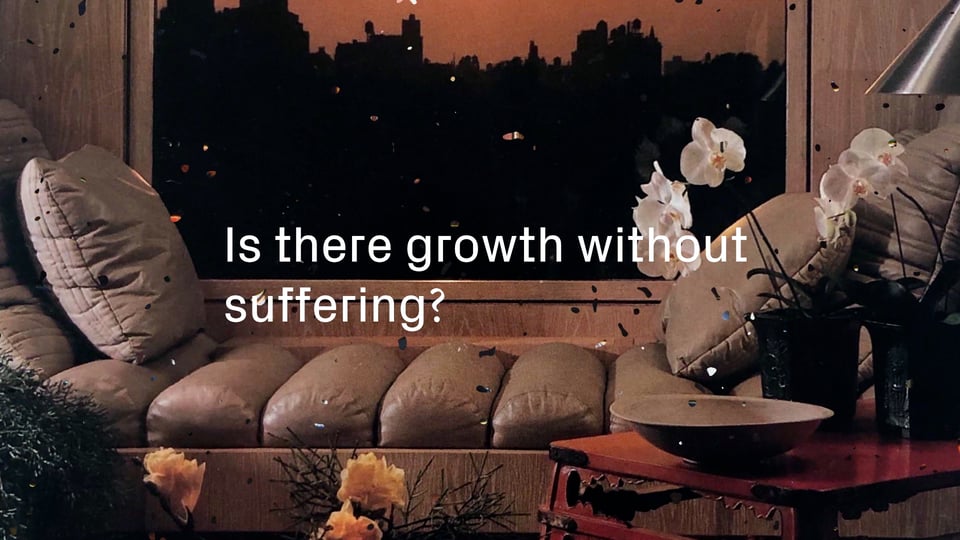
Register for No Ego, a one-day Are.na workshop taught by Sara on July 11 at Index Space in Brooklyn.
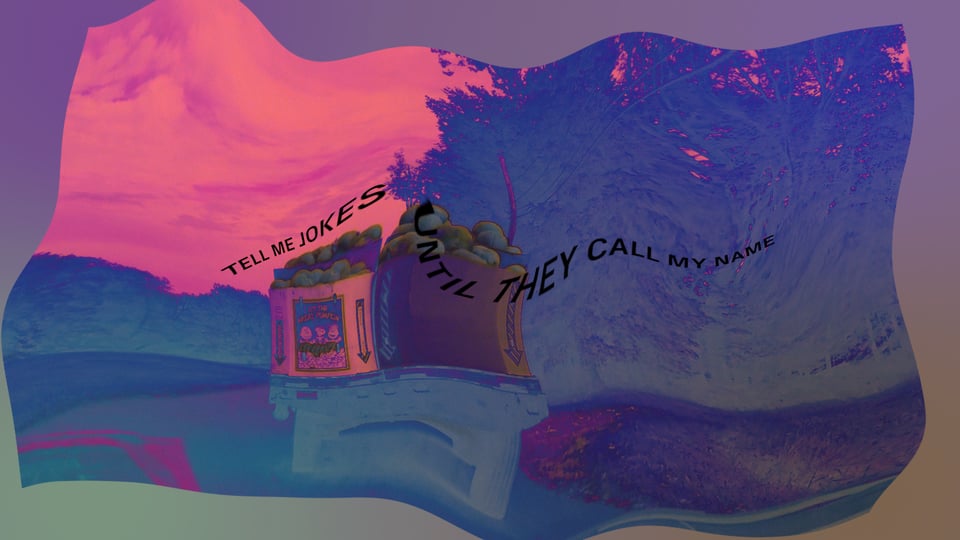
Sara Magenheimer is an artist who works across video, writing, performance, collage, sound, and sculpture. Her interest in language — and in particular, fragmenting and dismantling it, setting meaning askew — is apparent throughout all of her work, as are concepts like chance and play. I love in particular how she seems to linger in a space of translation (and mistranslation) between mediums, leaning into disorientation and surprising misalignments to offer new possibilities for experience and understanding.
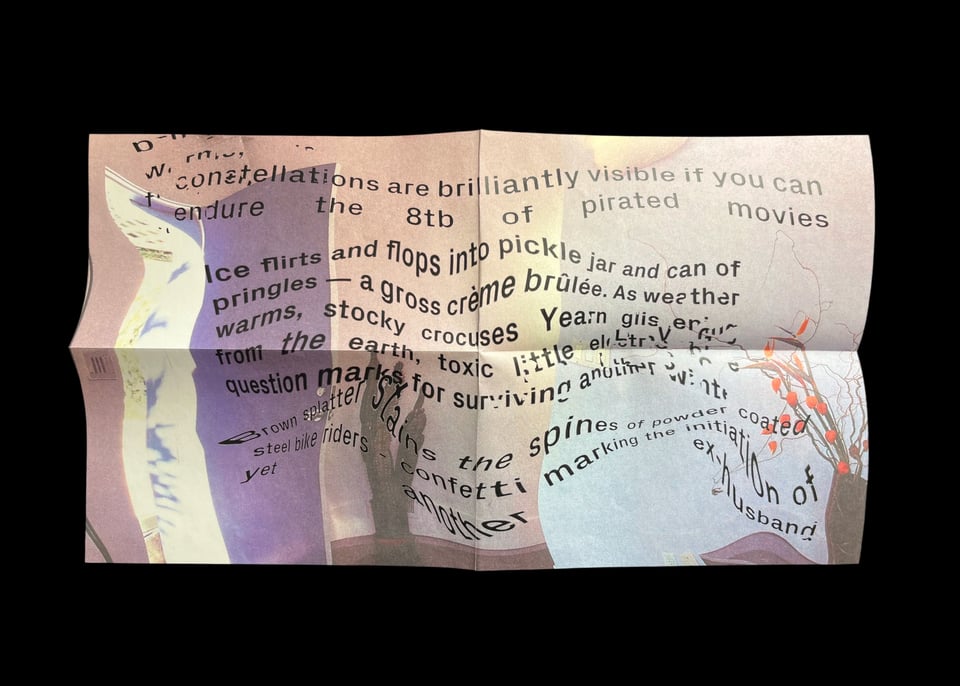
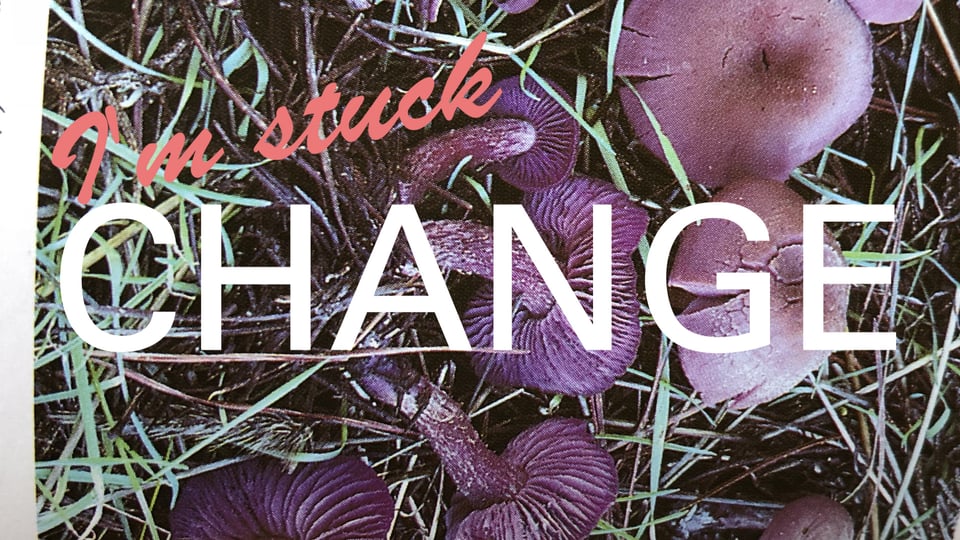
For these reasons, last year we asked Sara to come up with a “community element” for the Are.na Annual that would invite people on Are.na to contribute collectively to the book. Sara wrote a beautifully absurd, densely descriptive and evocative text about the seasons, then made it into a Mad Libs, asking others to fill in their own nouns, verbs, and adjectives via a website (that then fed into Are.na channels). We printed the final text in the book, and part of it was also incorporated into a poster insert made by Sara, reminiscent of stills from her 2024 video piece Sentences.
Sara brings such an extreme level of thoughtfulness to everything she does, as well as a lot of energy, enthusiasm, and humor. As a teacher, she’s used to setting up an inviting structure within which rich and unexpected things can happen. So when she came to us earlier this year with an idea for a workshop for people on Are.na, we were excited to hear what she’d come up with.
No Ego: Collaged Approaches and Combinatorial Methods is a one-day, in-person workshop that explores using various techniques and methods to help people move beyond the self and transcend common blocks to creativity. Sara draws from her own experience creating conditions for intentional accidents in her work, but also looks toward contemporary and historical examples of artists who have developed their own. We’re also excited by how she’s thinking about Are.na as not just a reference tool in an educational context, but also as something core to the workshop’s concept from the beginning.
No Ego is taking place on Saturday, July 11 at Index Space in Brooklyn. You can find more details and registration here. Below, we asked Sara to expand more on the idea behind the workshop, her work and teaching experience, and what participants can expect, day of.
Meg Miller: You’re a teaching artist. You once described to me how dependent and interrelated both of these sides of your practice are to one another — you have to make art to teach and teach to make art. Can you talk about that a bit? I’m also curious how you came to learn that this was the case. Which came first, or did they develop together?
Sarah Magenheimer: For me, both activities are rooted in curiosity and a fascination with structure. Teaching anchors and fuels my creative work — it gives me an excuse to reread a foundational text or watch Un Chien Andalou for the 50th time and discover something new.
Teaching also keeps me grounded, gets me out of my head, and provides a useful container for my often overabundant curiosities. An occupational hazard of being an artist is that you’re in constant danger of naval-gazing. Teaching is a good antidote to that. It can be quite humbling: in the classroom it’s obvious if something isn’t working. My students add friction by constantly surprising me and questioning things I’ve started to take for granted, revealing my blind spots. Teaching also connects me with people outside of my immediate community.
For me, being an artist and professor has always been about a wealth of connection as opposed to material wealth. As a working class kid I dreamed of being surrounded by interesting people and ideas, forming unconventional relationships full of possibilities. Both roles make this my reality. I feel so fortunate to be in this position.
Meg: What was your first teaching job like? And how has that experience guided your approach to teaching in various contexts since?
Sara: I’m a third generation educator: my Italian grandmother founded the Romance Language program at South Philadelphia High School for Girls, my mom taught in the “mentally gifted” program for Philadelphia public school students, and my dad was a high school physics teacher. Nearly everyone else in my immediate family is a teacher, too.
My first teaching experience was in Window Rock, Arizona, at a summer program for young Navajo kids. My brothers were adopted from Korea and I have cousins adopted from Vietnam, Guatemala, and Bulgaria, so I grew up in an environment with a lot of cultural elasticity, translation, and mistranslation. While teaching Navajo kids, I was far from home and immersed in a culture that was new to me, but I felt a familiar sense of being a curious outsider, which I have been all my life. Many artists feel comfortable in this position. I think it’s a good starting place when addressing groups of people, generally, because it invites me to really listen, observe, meet people where they are, and find a way to contribute for the benefit of everyone in the room.
Since then I’ve taught in a wide variety of contexts. In college I taught workshops at Boston public libraries for refugee kids. After college, I was a high school teacher, teaching video and textile art at the Churchill School and Center, which serves kids with learning disabilities. Then after grad school I taught at a bunch of different colleges: Sarah Lawrence, Bennington, NYU, Columbia, and Bard. Since 2012 I’ve taught at Purchase College where I’m currently an Associate Professor of New Media.
Meg: Can you introduce us to the workshop you’ll be leading this summer? What will the focus be and what sort of lecturing, dialogue, and exercises can participants expect?
Sara: The workshop is called No Ego: Collaged Approaches and Combinatorial Methods. The focus is on pragmatic techniques we can use to get outside of our own head and avoid common pitfalls and blocks to creativity. The goal is to have fun making things by incorporating more play into the process using specific strategies. Artists are so funny, we’re always creating little problems and then inventing ways to solve them.
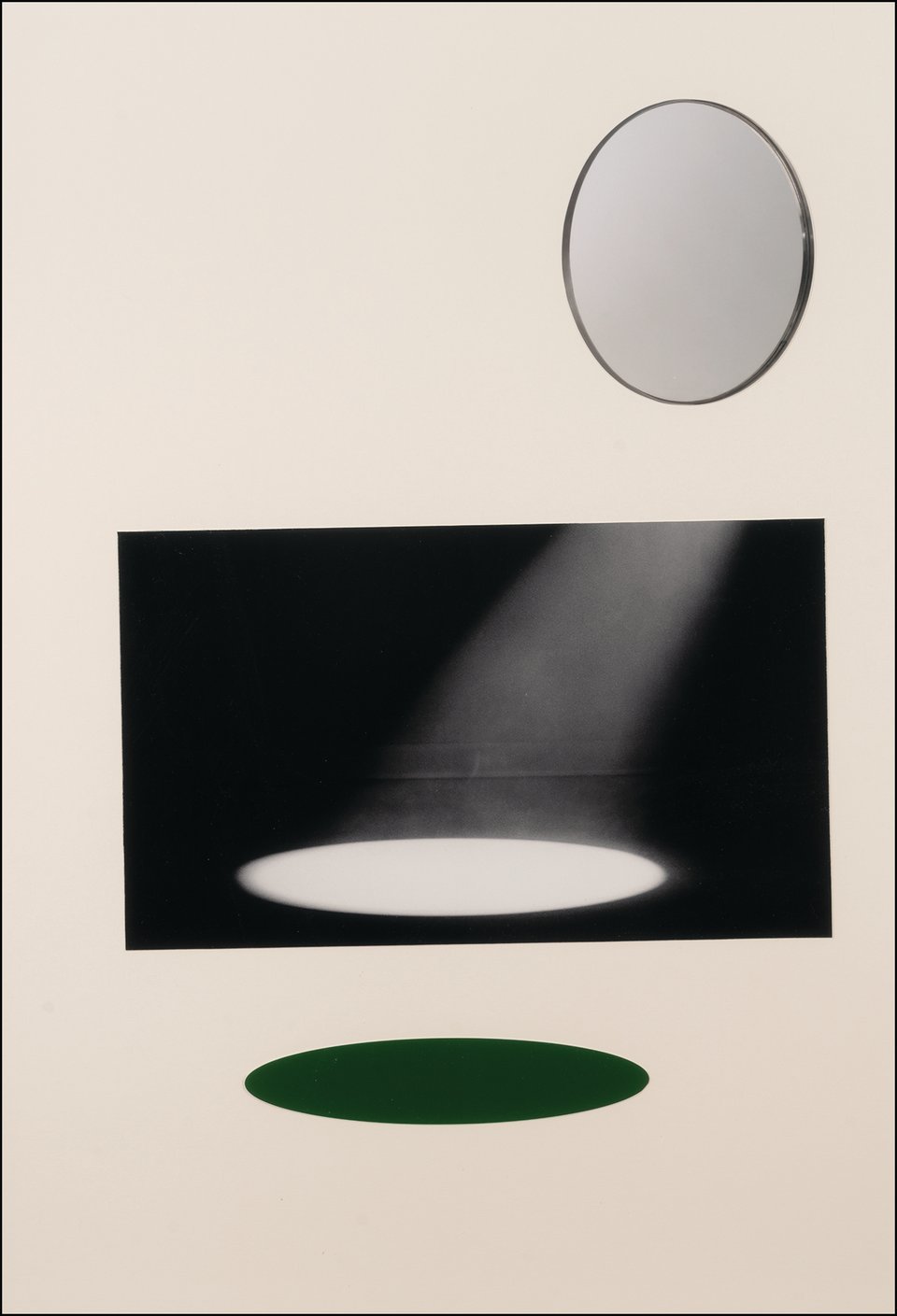
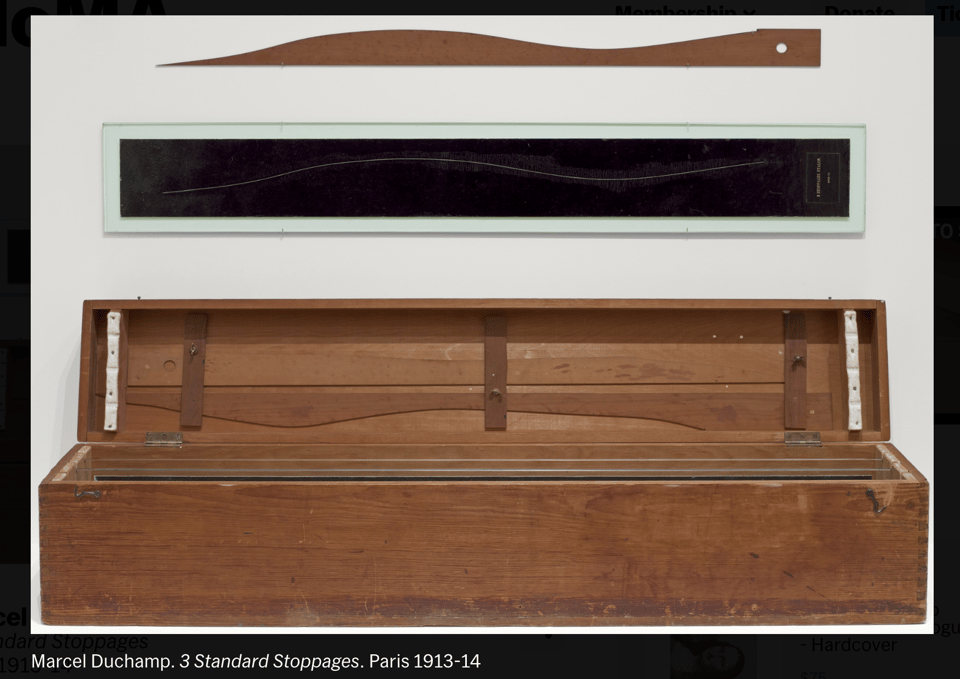
It’s so easy to get myopic or lost in overthinking and perfectionism — the workshop is all about breaking up that calcification by using uncreative methods borrowed from various creative histories: the way Paul Klee takes a line for a walk, mining the dictionary with a conceptual Oulipo constraint, gathering language for a poem by going on an observational stroll around the block a la Bernadette Mayer, adapting Duchamp’s 3 Standard Stoppages to remove the artists’ hand, or similarly, inventing our own mark-making tool, like Jack Whitten’s “Developer.” My aim is that this will be relevant for anyone working in any medium; we might do writing, drawing, and collage activities, but there’s no experience necessary to participate and you can be anywhere in your practice, from a beginner to someone with years of experience. We’ll share our thoughts and mine the many possibilities of Are.na. I’ll respond in the moment to the needs and desires of the group. You’ll come away with a toolkit that you can incorporate into your process and a new, relaxed sensitivity that will follow you everywhere.
Meg: You just shared a few, but would you mind sharing more examples of historical and contemporary approaches you’ll be referencing in the workshop?
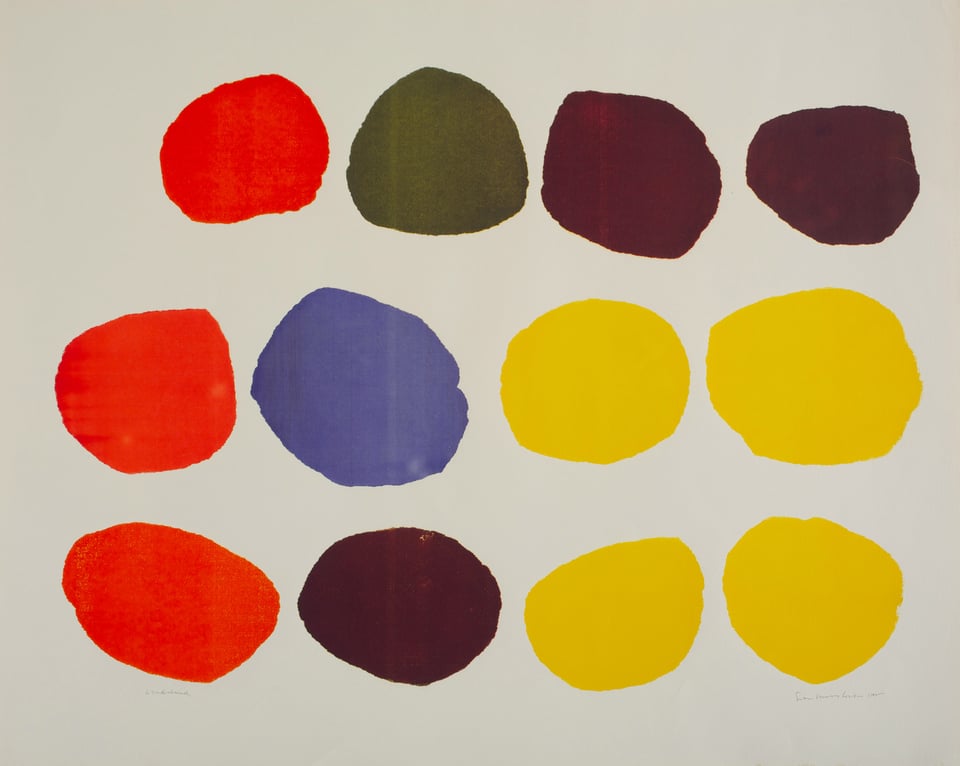
Sara: There are well known examples, like John Cage and Brian Eno, who talk about chance and creating the circumstances in which you’ll increase your probability of a serendipitous encounter, but there are a lot of other people, collectives, and movements who have dynamic relationships to form and content, a few of whom I’ve already mentioned, but others such as: printmaker and teacher Sister Corita Kent; experimental electronic musicians like Carl Stone and so many others who sample, loop, and bootleg audio; punk music; spiritual and ritualistic practices like speaking in tongues; Dada; the I-Ching; Aleister Crowley’s mystical work; Einstein and his violin; Lynda Barry; experimental filmmakers; Beatnik poetry; and so many others. It’s a dynamic crew.
Meg: What is your own relationship to collaged approaches and combinatorial methods?
Sara: As a word person, art math is my kind of math. It’s 1 + 1 = 3. I love the unexpected alchemy of a chance encounter, but also the interplay between randomness and intentional ingredients leading to something more potent than I could invent with my imagination alone.
It’s amazing how far we go thinking we’re blazing new trails, only to return to the same concerns over and over from slightly different vantage points. At a very young age I was drawing and writing, combining text and images in various ways. In high school I started doing things like flipping through TV channels, writing down the first sentence I heard on each station, then making a poem out of the “found” text. I love the arbitrary or seemingly random. I create conditions for intentional accidents in my work all the time and I will share my own methods in the workshop, but I also want people to invent their own.
I'm a champion of the idea that artists are responsible for their own actions. That is what they offer: an example of how a person can think and act. Whatever art they make is a record of this self-directed activity. Art maps artists' thoughts, energy, and decisions and then presents them to others.
It's essential for artists to develop their ability to designate their own tasks in relation to their desires. Once you learn how to invent your own structure, with custom limitations driven by what you value, instead of relying on someone else, then you've learned how to learn. You are your own teacher. This is really the goal of all my teaching; to render myself irrelevant.
It's a more arduous road in the beginning because the student has to question and dismantle a lot of assumptions, but it ultimately leads to a far more satisfying path to walk. I'm less concerned with whether the work people make is "good" or "bad." It's about the process of working through it. The viewer can relate to the work of art however they choose.
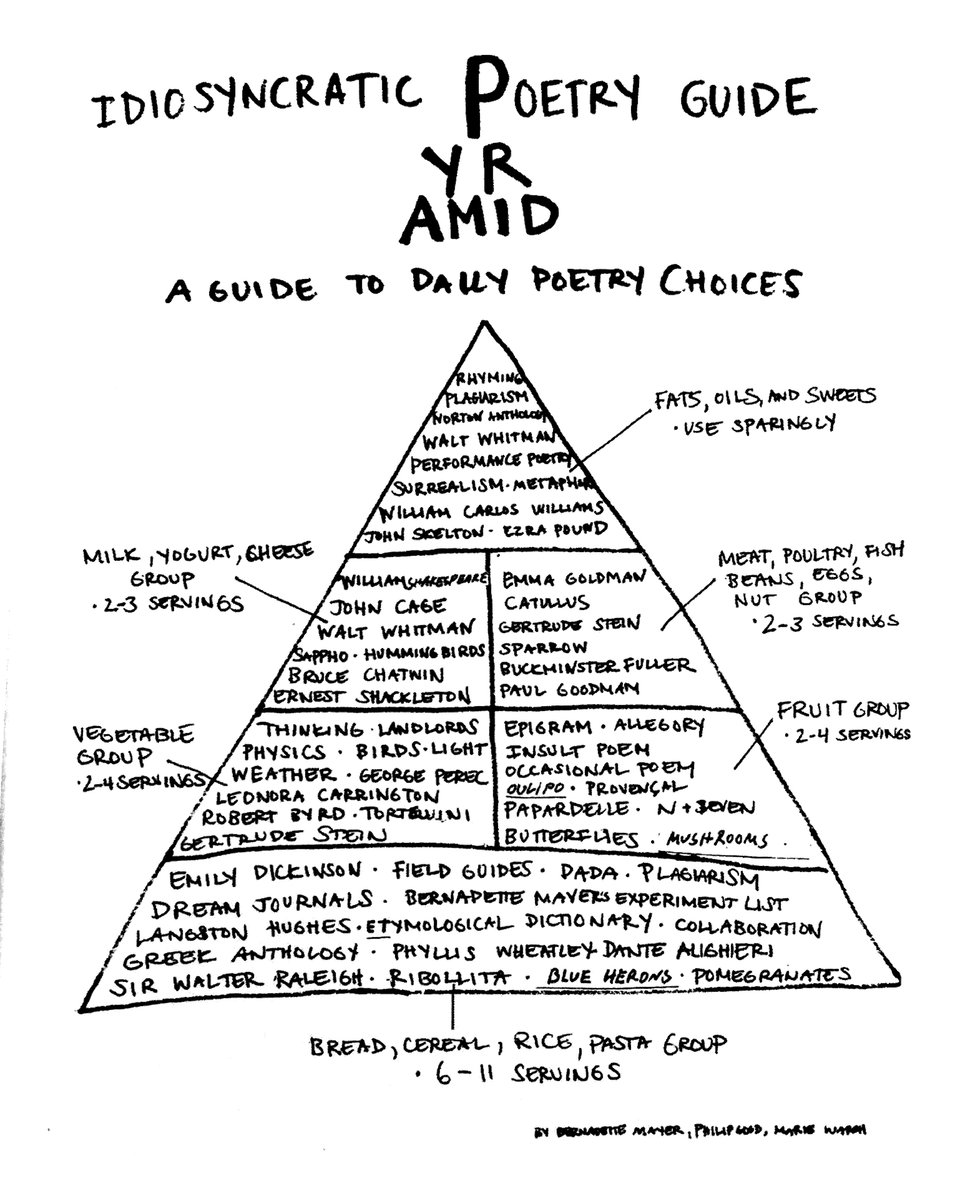
Meg: How do you use Are.na in your teaching with your students at Purchase, and are you envisioning that your use of Are.na in this workshop will be similar or different?
Sara: My obsession with Are.na is no secret and I give my students assignments to create various Are.na channels all the time. Creating a channel is such a great rain barrel to put out so that you have a way to catch what you’re noticing. I do things like have students make a channel for text they see in public space, for instance, or for things they dislike and don’t know why yet. So much of making art is about strengthening your muscles of observation. We’ll be using it in the workshop, both during and after for activities related to this and as a way to keep the threads going.
Meg: How are you experiencing teaching in the current moment?
Sara: To devote one’s time to learning is a privilege. Education is a critical part of society related to how culture evolves. Maybe a rudder is a useful metaphor? We are witnessing schools closing as institutions lose funding and enrollment drops. My hope is that by offering this workshop outside of something with a high financial and time commitment, like a BFA or MFA program, the subject matter is far more accessible and the cohort and conversation more dynamic. I believe that everyone should have access to art. It's absolutely political to create spaces where communities can form around ideas of non-productive labor, such as art making, information sharing and idea generating. In the workshop we’ll discuss the act of intentionally messing around, puttering, bumbling, and giving it a name and a place on your agenda. I firmly believe unstructured time should be an artists’ priority. It’s another act of resistance, one of the many ways artists shift hierarchies of value and designate things like trash or “doing nothing” as important.
Institutions arise to meet needs and are ideally flexible containers that can adapt to changing needs. If they can’t adapt they fail. People aren’t going to stop connecting, learning, or making art. These activities are essential to our humanity.
Sara Magenheimer is an artist preoccupied with language whose work spans moving image, writing, performance, collage, sound and sculpture. She is based in New York. Recent solo exhibitions include a survey show at Lighthouse Works, Fishers Island, NY; The New Museum, NY; Timeshare, LA; The University Art Museum in Albany, NY; Portland Institute for Contemporary Art, OR; The Kitchen, NY. Her videos have been widely screened including Oberhausen Film Festival, International Film Festival Rotterdam, Brooklyn Academy of Music, The New York Film Festival, Images Festival, Anthology Film Archives, EMPAC at RPI, Now Instant Image Hall, The LA Festival of Movies, Sydney International Film Festival, Flaherty Seminar, and the Museum of Contemporary Art Chicago. She was the recipient of a 2014 Rema Hort Mann Foundation Grant, 2015 Artadia Award, the Prix De Varti at the 2015 Ann Arbor Film Festival, a grant from the Foundation for Contemporary Arts in 2020 and awarded a Rauschenberg Residency on Captiva in 2021. Magenheimer authored Notes on Art and Resistance A–Z after the 2016 U.S. presidential election. In 2019 Wendy’s Subway published Beige Pursuit, Magenheimer’s first book of writing.
As always, you can read this interview on Are.na Editorial.
You can register for Sara’s workshop, No Ego, on July 11 at Index Space in Brooklyn here.
sunbathing at the cusp of spring and summer,
The Are.na Team