Resident Evil 7: Biohazard, Resident Evil, Poltergeist, High and Low
A massive four-review edition, to spare you all from four days of emails as I catch up.
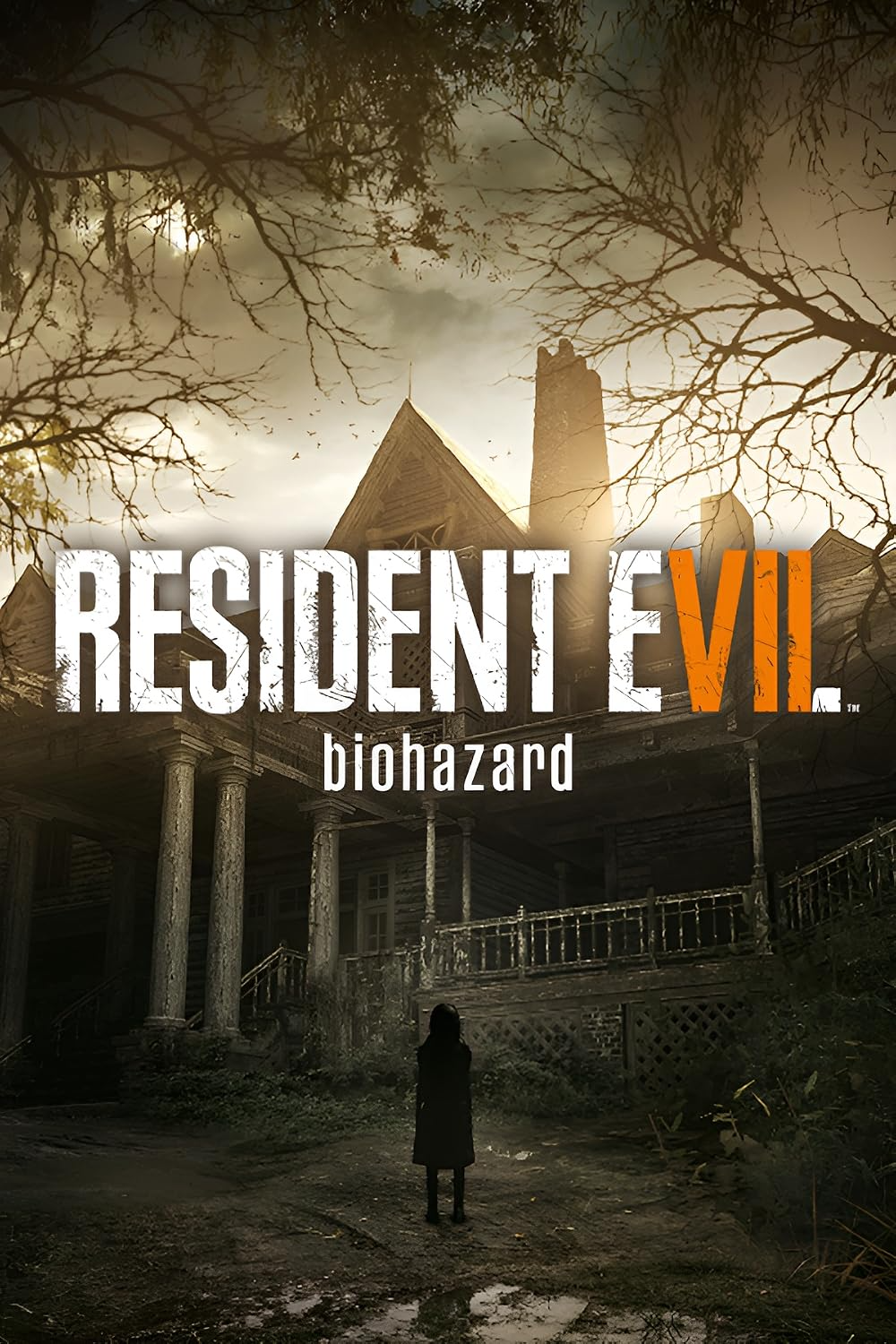
Resident Evil 7: Biohazard
2017 Developer: Capcom, Directed: Koshi Nakanishi
Score 3/5
Horror games are fun, but they're also a lot harder to enjoy all the way through for me than say, a horror movie. That's because for me, the atmosphere of a horror game dies the first time I do.
The opening of Resident Evil 7: Biohazard is awesome. It's so gross and fucked up and you play through this recording of someone else getting fucked up in this house in the bayou and then you need to follow in their footsteps. Awesome. Then you get caught and you're getting stalked and you're hiding and you're hunting for healing items and ammo and anything that might help you if you get attacked. Great.
Then I fought the first boss. Had trouble moving the narrow-fov-fps camera fast enough to track the guy in an enclosed space. Died. And the atmosphere went with it. Now It was just a guy I had to kill. An annoying guy that had like 2 or 3 phases I think, and I didn't have a huge amount of ammo at this point, and he moved fast and I moved slow. Ugh. I beat him after a few tries, but I'd already died and gotten a little annoyed. I could die and die again and it didn't matter as long as I could also make a little progress here and there. Beat a boss when I needed to.
This happened to me with Outlast (Red Barrels, 2013). Amazing atmosphere. Then I died a few times and was just sprinting past and away from monsters as long as I could to try to solve nonsense puzzles and make some semblence of progress because all the stakes disappated with my initial failure.
It's still good fun. I jumped a couple times when a being appeared from around a corner. I recoiled at the often disgusting nature of this area I found myself in. Speaking of the area, that was the really interesting part of it for me. I knew Resident Evil found itself in some troubles after RE5 and 6. They weren't received well. The series kinda chilled for a little bit. And RE7 was the revival that's kicked off a kind of Capcom golden age right now. And this whole game was taking place in this little farm in the bayou! That's wild! A whole AAA development studio and publisher making such a contained horror/action experience. Wild.
I finally escaped the farm. And the game didn't end.
I have trouble with this every now and then. A game doesn't know that it doesn't need an epilogue. I was satisfied with Ellie and Dina at the farmhouse at the end of The Last of Us: Part II (Naughty Dog, 2020). I didn't need to go to California. I was satisfied with RE7 after I beat the "final boss" as I thought him. I didn't need there to be more.
I guess they had to tie it all into some kind of private corporation experiment gone wrong, Resident Evil style, but I wasn't too bothered by the idea of never finding out why this farm was as fucked up as it was. And that final act was the weakest of the bunch in my opinion. Sure, I didn't go into it in the most willing of headspaces, but it wasn't great. The Resident Evil part of it was fucked up, sure, I guess, but by the end I was once again just sprinting past the monsters.
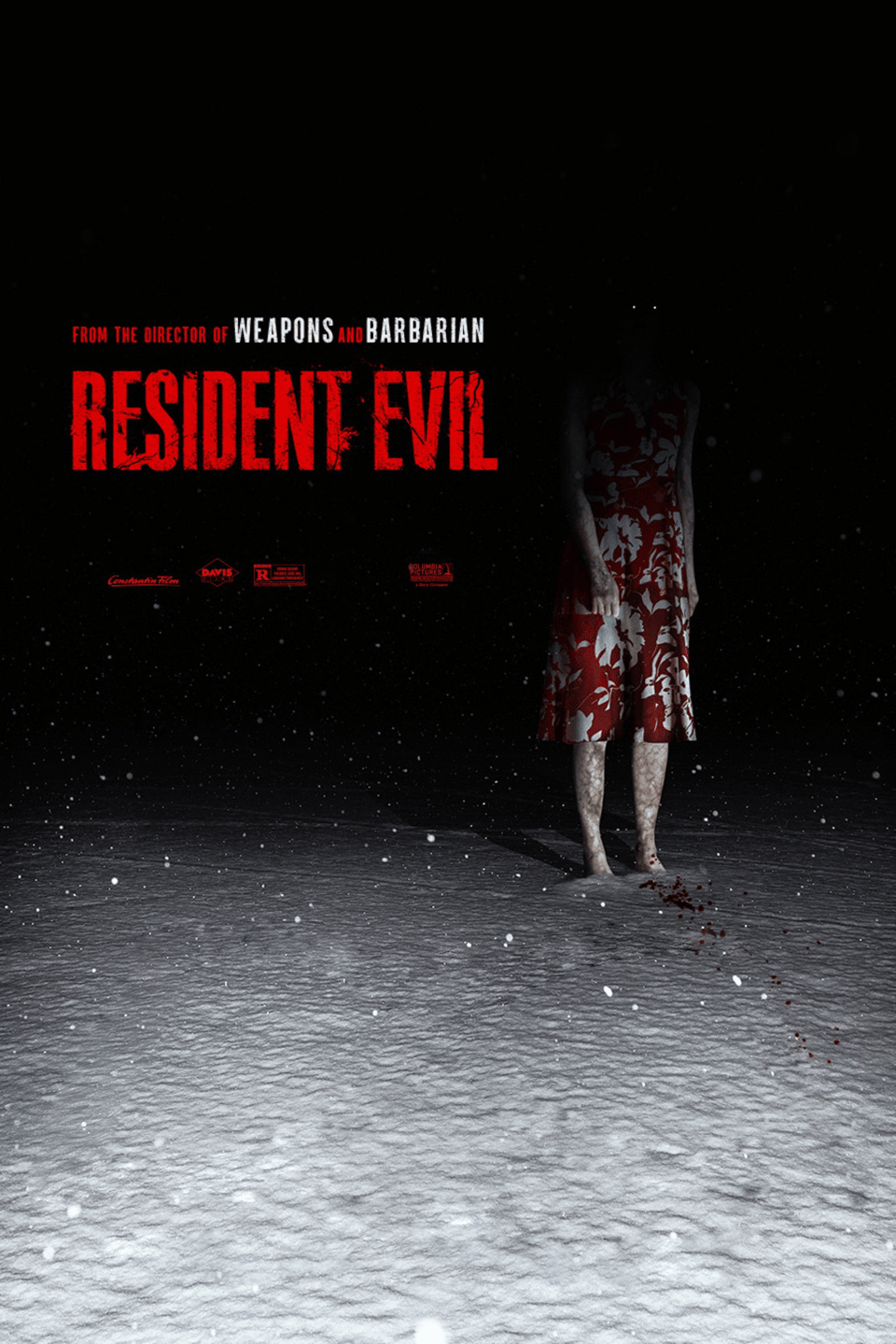
Resident Evil
2026 Directed: Zach Cregger, Written: Zach Cregger, Shay Hatten
Score 4.5/5
Hoolllyyyy what a movie. I really enjoyed this. I haven't played many of the Resident Evil games (I only just finished Resident Evil 7: Biohazard (Capcom, 2017) a week or maybe 2 before seeing this movie), but honestly I would rather this style of video game adaptation. Something that tries to catch a vibe rather than retell a story already told better in a different medium.
It's pretty spooky. And it's pretty fun. Austin Abrams is fantastic as Bryan (the protagonist) here. He's nailed a perfect blend of comedy, horror, and relatable misery. So many scenes wouldn't work half as well if they weren't played as they were. The cinematography was very interesting. I've been watching interviews and such after seeing the movie, and they talk about how the camera was meant to be reminiscent of a video game camera. It follows behind Bryan often as if a player was navigating these spaces, and swings to match his gaze as if an in-game cutscene was playing.
The story in the first half is fantastic. Still full of mystery. As the second half begins we're given an info-dump on the why behind it all. I didn't need the why to stay a mystery, but it was kinda the weakest part of the film for me (although talking about it after with friends, it did feel very video-gamey in a "I know you're a nobody but you need to know these really confidential, out-of-your-league things if you're gonna end up being the hero that saves everyone").
I was let down by the ending a bit. Not that it was bad really, but it wasn't, satisfying. Still, I would definitely watch this again, I had a lot of fun.
Poltergeist
1982 Directed: Tobe Hooper, Written: Steven Spielberg, Michael Grais, Mark Victor
Score 2.5/5
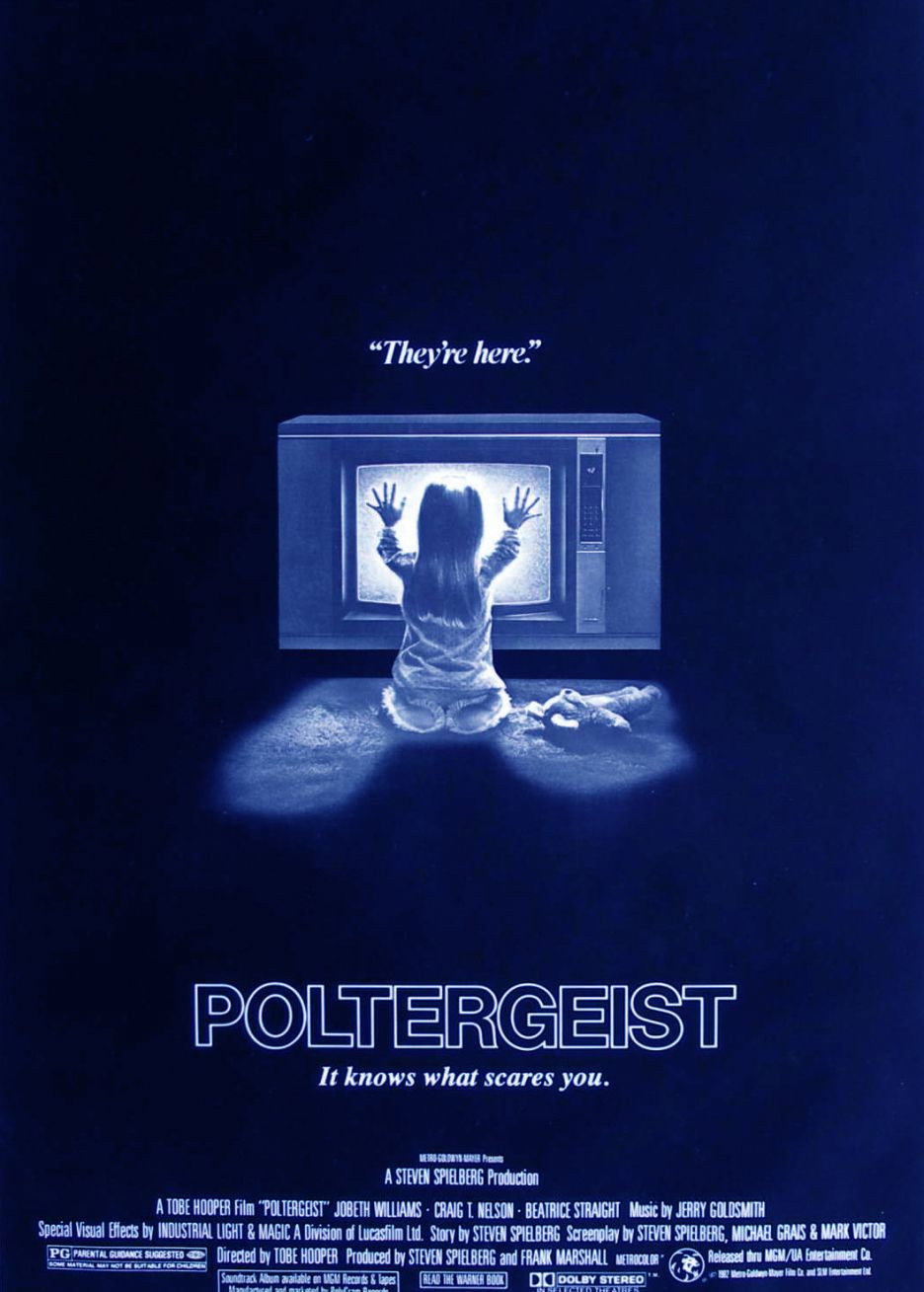
Unfortunately this one doesn't live up to its poster. For some reason this poster has always really grabbed my imagination. It's so weird, so intriguing. So cool. The movie's kinda weird, kinda intriguing. Not terribly cool imo.
There's a lot of screaming. A lot of screaming. People screaming for what feels like 10 minutes straight while there's also a hurricane going on. Things kick off fast too. For a while there's no screaming, and then a tree tries to eat a kid and the characters are screaming for at least 1/3 of the remaining runtime.
I don't know. It's ok. I think if you want to watch a movie that captures the vibe of Poltergeist_s poster more, watch _Skinamarink (Ball, 2022).
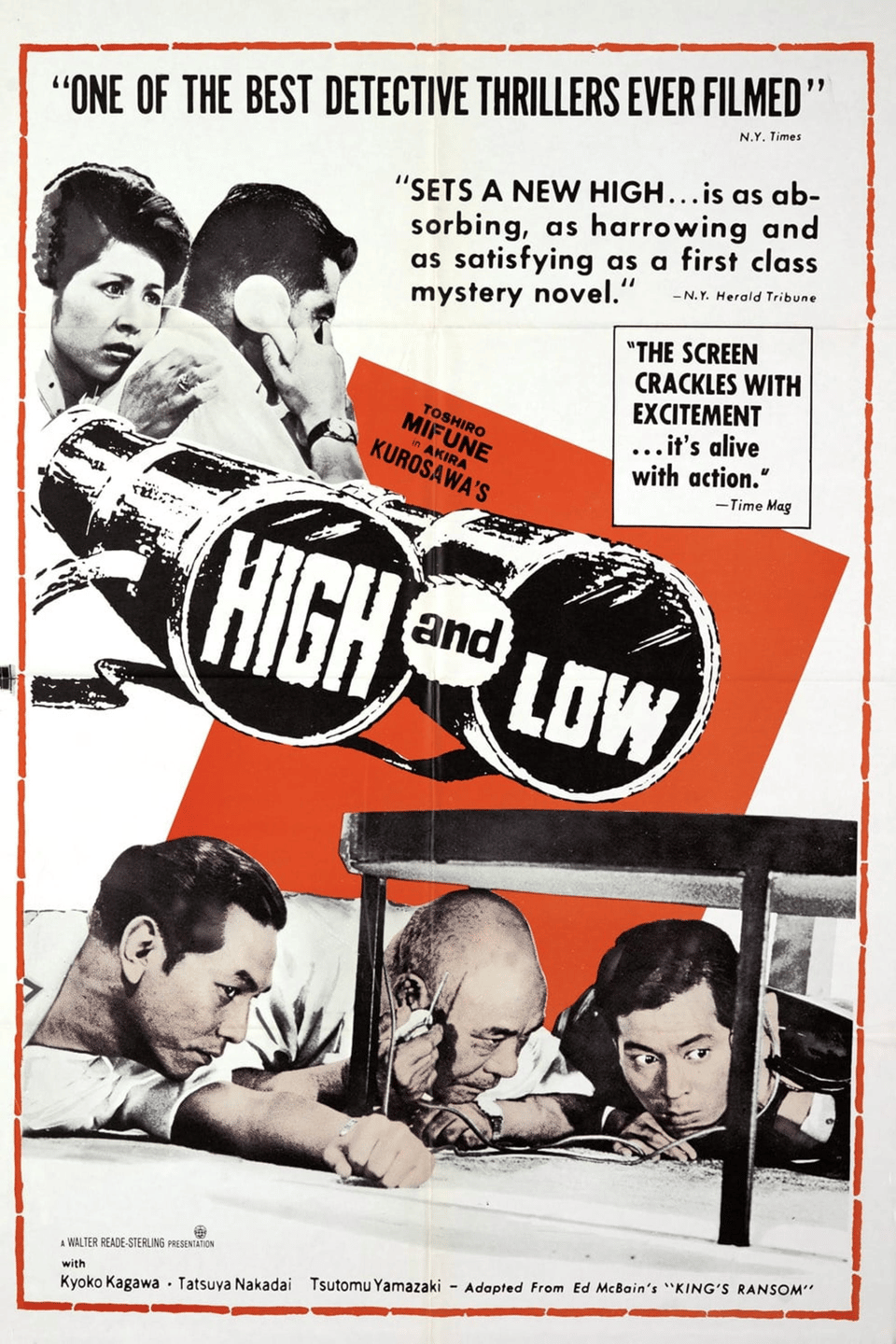
High and Low
1963 Directed: Akira Kurosawa, Written: Akira Kurosawa, Hideo Oguni, Ryūzō Kikushima, Eijirō Hisaita
Score 4/5
Very good police/detective drama once it gets going. As much as I enjoy "bottle episodes" (where the majority of a tv show episode/movie takes place in one location with one set of characters going through a usually mental or interpersonal conflict), a bottle episode about convincing one guy to pony up a kidnapper's ransom money didn't exactly grab me. Gondo is the only one with the personal wealth to pay the ransom, and I think where it fell flat for me is that Gondo's side of the argument is very weak. For there to even be a film, this could really only play out one way (unless it was a very different film).
For a while Gondo's business subordinate is on his side, but not very meaningfully. He threatens to go to Osaka and deliver the ransom money to a stock broker (the stock needed to maintain Gondo's position in his company), but it doesn't take more than Gondo saying "no" a couple times for him to return the check and then go about his own subplot side-business (selling Gondo out). Gondo is trying to keep all that info in parentheticals secret from everyone in the room as well, so for a long while in this movie it's just "give the kidnapper the ransom money!", "no!", occasionally broken up by a phone call from the mysterious criminal. I the viewer was as worn down as Gondo when he finally kinda-of-his-own-volition agreed to pay the ransom.
Thankfully it's really great once the movie is allowed to tell the actually interesting part of the story! The police procedural work is paced really well. One of the best sequences of the movie is basically exposition where every detective team at the precinct fills in the lead investigator (and us) on their current progress, and it's so interesting. The way they track down and trap the kidnapper is gripping, and his performance in one of the final scenes is fantastic.