|
|
SHOWCASE
MAJOR
2026-07-04
Generals: Zero Hour on Mac & iOS — Ammaar Reshi's Claude Fable port
A 2003 RTS classic runs natively on Apple Silicon and touch — engineered by Claude Code on the Fable model.
What is it?
Ammaar Reshi's Generals port takes Command & Conquer Generals: Zero Hour, EA's 2003 real-time strategy game, and runs it natively on macOS, iPhone, and iPad. Campaign, skirmish, and Generals Challenge modes all work, with tap-select, drag-box, two-finger scroll, and pinch zoom on touch devices.
How does it work?
The port keeps EA's original 2003 engine compiled for ARM64, piping its DirectX 8 calls through DXVK → Vulkan → MoltenVK → Metal so Apple GPUs handle the frames. Claude Code on the Fable model wrote the porting code and documented every failure mode and fix in a PORTING_PLAYBOOK while Reshi playtested on real devices.
Why does it matter?
This is a public, checkable case study of one developer plus one AI coding agent shipping a signed, runnable native port across three Apple platforms — moving the AI-assisted engineering conversation from toy demos to real graphics and input work.
Who is it for?
AI-assisted-engineering watchers, retro-gaming ports fans, and RTS players on Apple Silicon itching to play Generals on a MacBook or iPad.
|
|

|
|
REPO
MAJOR
2026-07-03
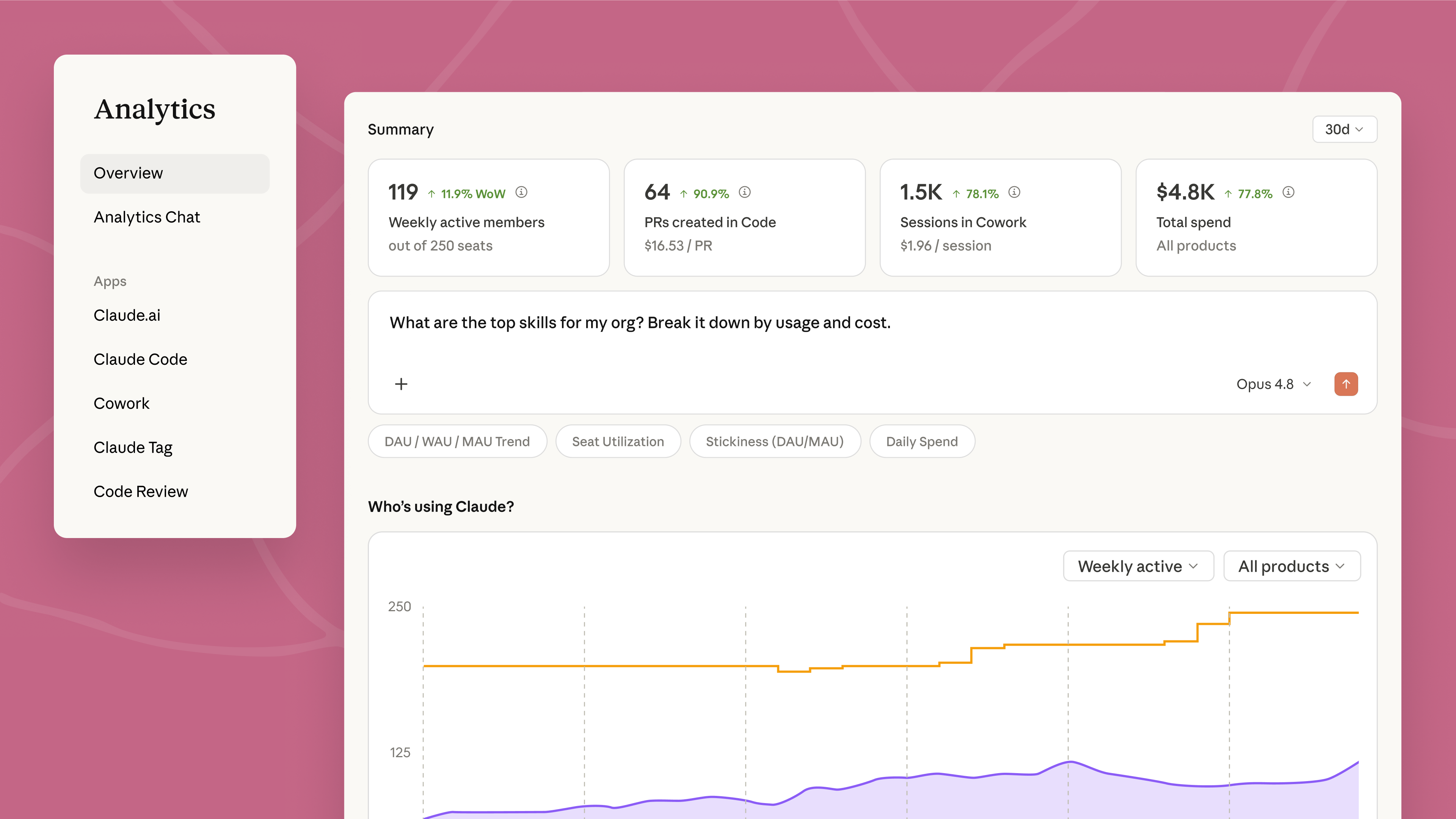
Hugging Face Transformers 5.13.0 — nine new architectures and unified HfExporter
The reference AI library gains nine architectures in one drop plus one export command for every runtime.
What is it?
Hugging Face Transformers 5.13.0 is the July 3 release of the reference Python library that defines how thousands of open-weight models load, run, and export. This drop adds nine new model architectures and consolidates three separate exporters into a single HfExporter API.
How does it work?
New first-class model classes include Kimi K2.5–K2.7, MiMo-V2-Flash (256K context), Zyphra ZAYA, Google VideoPrism, NVIDIA RADIO, MiniCPM3, and two ASR models (Nemotron 3.5, Qwen3). HfExporter routes a single call through DynamoExporter, OnnxExporter, or ExecutorchExporter with dynamic shapes on by default and prefill/decode splits handled automatically.
Why does it matter?
Native-class support in Transformers is what turns "there's a paper and weights" into "call from_pretrained today." The single-command HfExporter also eliminates the multi-step porting dance for deploying the same model to server GPUs, ONNX runtimes, and phones.
Who is it for?
ML engineers, model producers, and teams porting models to ONNX or ExecuTorch for on-device inference.
|
|
|
|
TOOL
MAJOR
2026-07-02
Claude Enterprise — spend alerts, model entitlements, and admin API
Claude Enterprise gets the cost knobs large orgs kept asking for — role-scoped model choice, spend alerts before people get blocked, and an Admin API.
What is it?
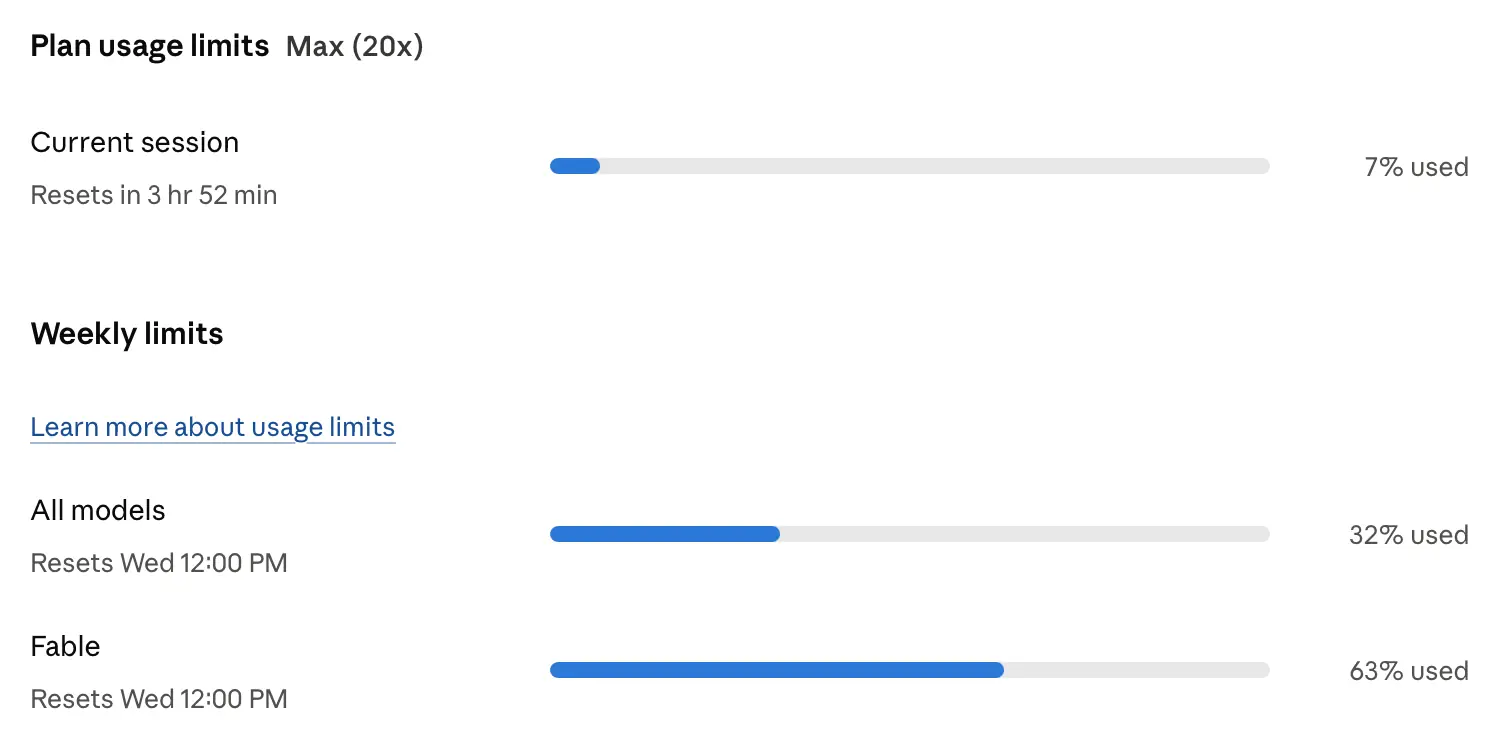
Claude Enterprise's July 2 release bundles four admin upgrades: a redesigned analytics dashboard breaking cost down by group and user, spend-threshold alerts, per-role model entitlements, and a public Admin API plus Analytics API for integrating with tools like Datadog and CloudZero.
How does it work?
Spend alerts fire at 75% and 90% of org limits for admins; individual users see in-app notifications at 75% and 95% with a click-to-request-increase option. Model entitlements let admins set default models and restrict which tiers each role can access across chat, Cowork, and Claude Code.
Why does it matter?
Admin API access and role-scoped model gating are the two features enterprise procurement teams have been asking for since Claude Code shipped. They land together in one release — alongside a new Claude Code tab in analytics showing active devs, session counts, and productivity metrics.
Who is it for?
Claude Enterprise admins, procurement teams, finance and security leads, and dev-tools ops managing Claude Code rollouts at scale.
|
|
|
|
ARTICLE
NOTABLE
2026-07-05
Simon Willison — sqlite-utils 4.0rc2, mostly written by Claude Fable
37 prompts, 34 commits, one data-loss bug caught — a field report on shipping a real library with Claude Fable.
What is it?
Simon Willison's post documents how much of the sqlite-utils 4.0rc2 pre-release work — code review, refactors, docs, and release notes — was done by Claude Fable rather than by hand.
How does it work?
Across 37 conversation turns, Claude Fable ran the full test suite, hunted for missing transaction guards, and landed 34 commits across 30 files — including finding a data-loss bug in delete_where() where a failed batch could silently drop rows outside its own transaction.
Why does it matter?
$149.25 at unsubsidized Anthropic API rates is a concrete price tag on "have an agent audit your library before you cut a release." For maintainers, this is a rare public data point with prompts, diffs, and cost all shown.
Who is it for?
Open-source maintainers, Python developers, and teams evaluating coding-agent spend for pre-release review workflows.
|
|
|
|
ARTICLE
NOTABLE
2026-07-04
Armin Ronacher — Better Models: Worse Tools
Anthropic's newest models produce invalid tool calls outside Claude Code — because the RL harness that trained them fixed the mistakes for free.
What is it?
Armin Ronacher's July 4 post pinpoints a regression: Claude Opus 4.8 and Claude Sonnet 5 emit a correct tool call, then append extra JSON fields that were never in the schema. Older Claude models and models from other labs don't do this.
How does it work?
The failure traces to reinforcement learning on Claude Code's harness, which silently repairs sloppy tool calls before the model sees the error — teaching it that extra keys are harmless in a way that breaks any harness with strict JSON parsing, including Pi and the OpenAI Harmony framework.
Why does it matter?
Anyone building agents on Anthropic models outside Claude Code will hit these silent failures. Ronacher's practical fix — grammar-constrained decoding so the sampler cannot emit fields outside the schema — is one of the more actionable recommendations from the current tool-use debate.
Who is it for?
Agent builders on Anthropic models, framework authors outside Claude Code, and anyone running strict JSON-schema validation on tool responses.
|
|

|
|
VIDEO
NOTABLE
2026-07-05
Sam Witteveen: 'MiniCPM5 — The 1B Cognitive Core?'
Sam Witteveen puts MiniCPM5-1B — OpenBMB's SOTA 1B on-device model — through hybrid-reasoning and agentic-tool tests.
What is it?
Sam Witteveen's video profiles MiniCPM5-1B, a 1.08B-parameter dense Transformer from OpenBMB with a 131K context that Artificial Analysis rates the leading 1B open-weight LLM — walking through what "cognitive core" means for a phone-sized model.
How does it work?
The video exercises MiniCPM5-1B's hybrid-reasoning template — the same checkpoint answers fast with <think> off or switches into deliberate chain-of-thought when enabled — then compares it against Qwen3.5 2B on tool-use prompts.
Why does it matter?
MiniCPM5-1B scores 17.9 on Artificial Analysis's Intelligence Index — nearly 2 points ahead of the best 2B reasoning model — making it the first credibly on-device open LLM to beat larger rivals at agentic work.
Who is it for?
On-device app developers, edge-AI engineers, and small-model researchers deciding whether to move latency-sensitive agents off cloud APIs onto phones and laptops.
|
|

|
|
TOOL
NOTABLE
2026-07-03
Chrome DevTools MCP 1.5.0 — heap snapshot comparison lands for coding agents
Chrome DevTools MCP 1.5.0 gives coding agents a proper heap-snapshot diff workflow, plus tighter default file permissions.
What is it?
Chrome DevTools MCP 1.5.0 is Google's official Model Context Protocol server that exposes Chrome DevTools browsing, tracing, and memory tools to AI coding agents. This release focuses on heap-snapshot analysis — a piece agents previously had to script by hand.
How does it work?
Two new MCP tools ship: get_heapsnapshot_duplicate_strings surfaces string-interning leaks, and a heap-diff tool lets an agent capture two snapshots and compare them to find memory growth between runs. Output-directory permissions are hardened to 0o700.
Why does it matter?
Memory regressions are one of the classes of browser bugs agents have historically been worst at reproducing. With native heap-diff MCP tools, an agent can run a repro, snapshot, run again, snapshot, and return a concrete leak candidate — no human at the browser required.
Who is it for?
Coding-agent authors, frontend performance engineers, and browser-automation teams debugging memory regressions.
|
|
|
All releases at ai-tldr.dev
Simple explanations • No jargon • Updated daily
|
|