|
|
ECOSYSTEM
MAJOR
2026-08-17
Amazon destroys rare books to train AI — an AirTag traced the shipment
A bookseller hid an AirTag in a rare book, and it ended up at an Amazon site that cuts books apart to scan them.
What is it?
404 Media documented where Amazon's bulk book purchases go — a warehouse in Las Vegas where a team called VGT3 physically cuts bindings off books so loose pages run through a scanner faster, then the printed copy is destroyed.
How does it work?
Amazon buys books anonymously through marketplaces like Biblio, ships them to the Las Vegas site, and staff split the operation: some cut, some receive and scan barcodes. A bookseller who suspected the buyer slipped an AirTag between pages — and it tracked the book straight to the facility.
Why does it matter?
This is the first public look at how a major AI lab sources physical training text — labs have largely exhausted the public web, making out-of-print books valuable precisely because they're not online and predate AI-generated writing. Booksellers now have a concrete reason to scrutinize anonymous bulk orders.
Who is it for?
Booksellers, publishers, and anyone tracking where AI training data comes from.
|
|
|
|
SECURITY
MAJOR
2026-08-17
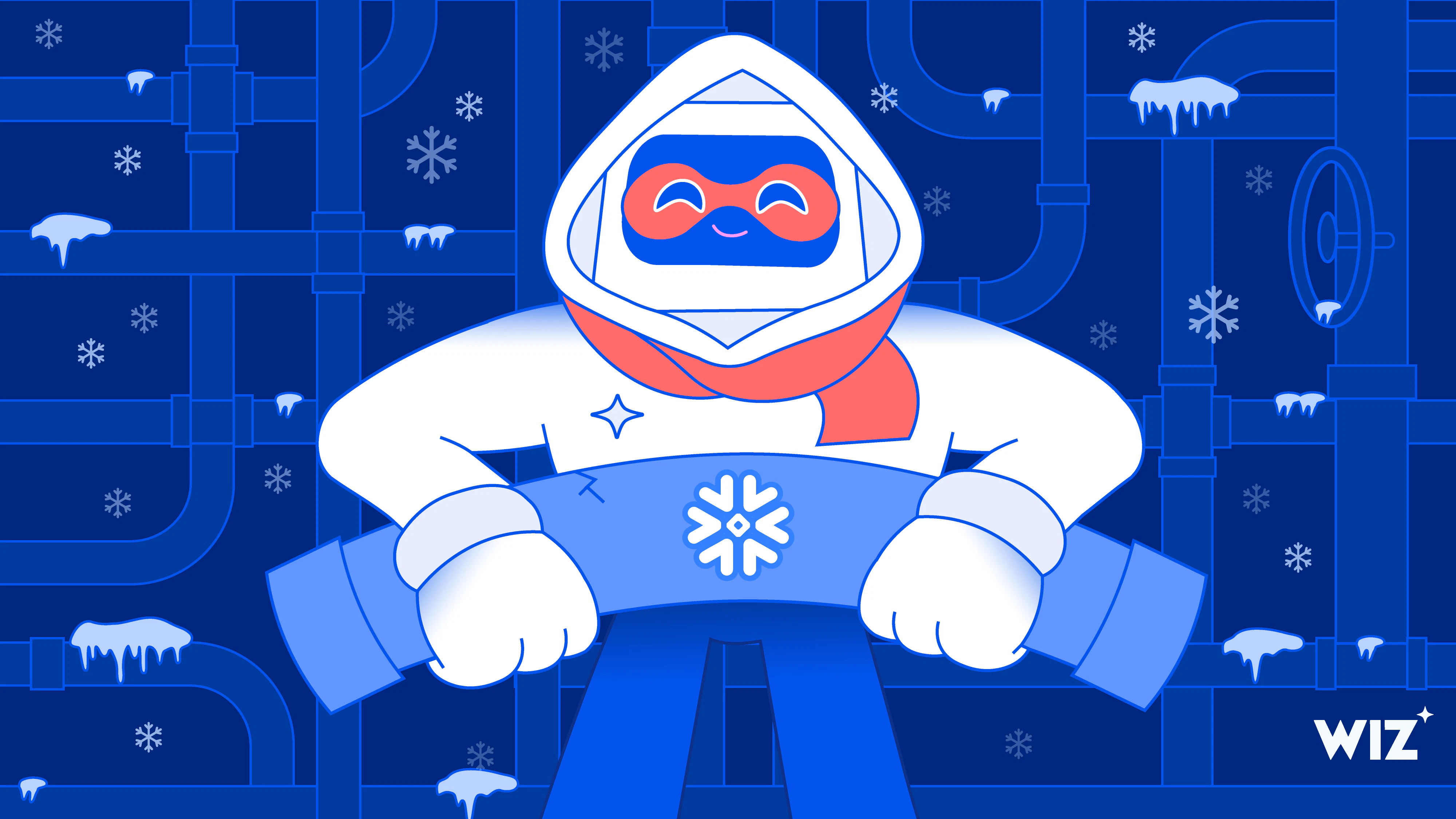
Wiz Red Agent breaks into Snowflake's Jira — via a bug Copilot Autofix wrote
One AI wrote the security hole. Another AI found and exploited it five days later.
What is it?
Wiz Red Agent, an autonomous AI penetration tester, found and exploited a command-injection flaw in a Snowflake GitHub Actions workflow — a flaw introduced by GitHub Copilot Autofix, which replaced safe input handling with direct string interpolation.
How does it work?
The vulnerable workflow pasted issue titles straight into a shell script. Red Agent sent a crafted title, hit a syntax error, read the failure, rewrote the payload, and exfiltrated Snowflake's Jira credentials to an out-of-band listener — all within a five-day window before the patch landed.
Why does it matter?
Copilot Autofix exists to close security holes, so a fix that opens one changes how carefully teams should read AI-written patches — especially patches touching CI files that hold secrets. Autonomous attack agents can now discover and chain these mistakes within days of the commit landing.
Who is it for?
Security engineers and CI/CD maintainers who use AI-assisted code review.
|
|
|
|
TOOL
MAJOR
2026-08-17
Cursor Origin — a Git forge for agents opens in early beta
Cursor now hosts your code as well as writing it, with pull requests and GitHub sync in the same tab.
What is it?
Cursor Origin is a code hosting platform built into Cursor — repos, pull requests, code browsing, and a GitHub mirror, all inside the same tool your agents use to write code.
How does it work?
Repos in Origin are plain git, so the Origin CLI, normal push/pull, and Cursor agents all work against them. Teams can mirror an existing GitHub repo with two-way sync, so trying Origin doesn't require leaving GitHub first. Vercel, Depot, and Buildkite integrations wire CI and previews to pull requests.
Why does it matter?
Code review — not code generation — is the bottleneck for teams running many agents, and a forge built for that workflow can put the agent next to the PR instead of behind an API handoff. Rolling out now to Pro, Teams, and Enterprise plans.
Who is it for?
Teams running fleets of coding agents who want PR review and code hosting in one place.
|
|
|
|
MODEL
MAJOR
2026-08-17
Imagen 4 API endpoints shut down — Google moves image generation to Gemini
Three Imagen 4 endpoints go dark in the Gemini API, and Google points every caller at gemini-3.1-flash-image.
What is it?
Imagen 4's three Gemini API endpoints — standard, fast, and ultra — stopped serving requests on August 17, 2026 after being deprecated on June 15. Any code still calling imagen-4.0-generate-001 now fails.
How does it work?
Google maps all three retired Imagen 4 endpoints to a single successor: gemini-3.1-flash-image. This moves standalone image generation into the Gemini model family alongside Flash Lite and Pro Image variants — all images carry a SynthID watermark.
Why does it matter?
Any pipeline that hard-coded an Imagen 4 model ID stops working today rather than degrading quietly — for teams that missed the June notice, this is a same-day fix, not a backlog item.
Who is it for?
Developers generating images through the Gemini API who haven't migrated yet.
|
|
|
|
ARTICLE
NOTABLE
2026-08-16
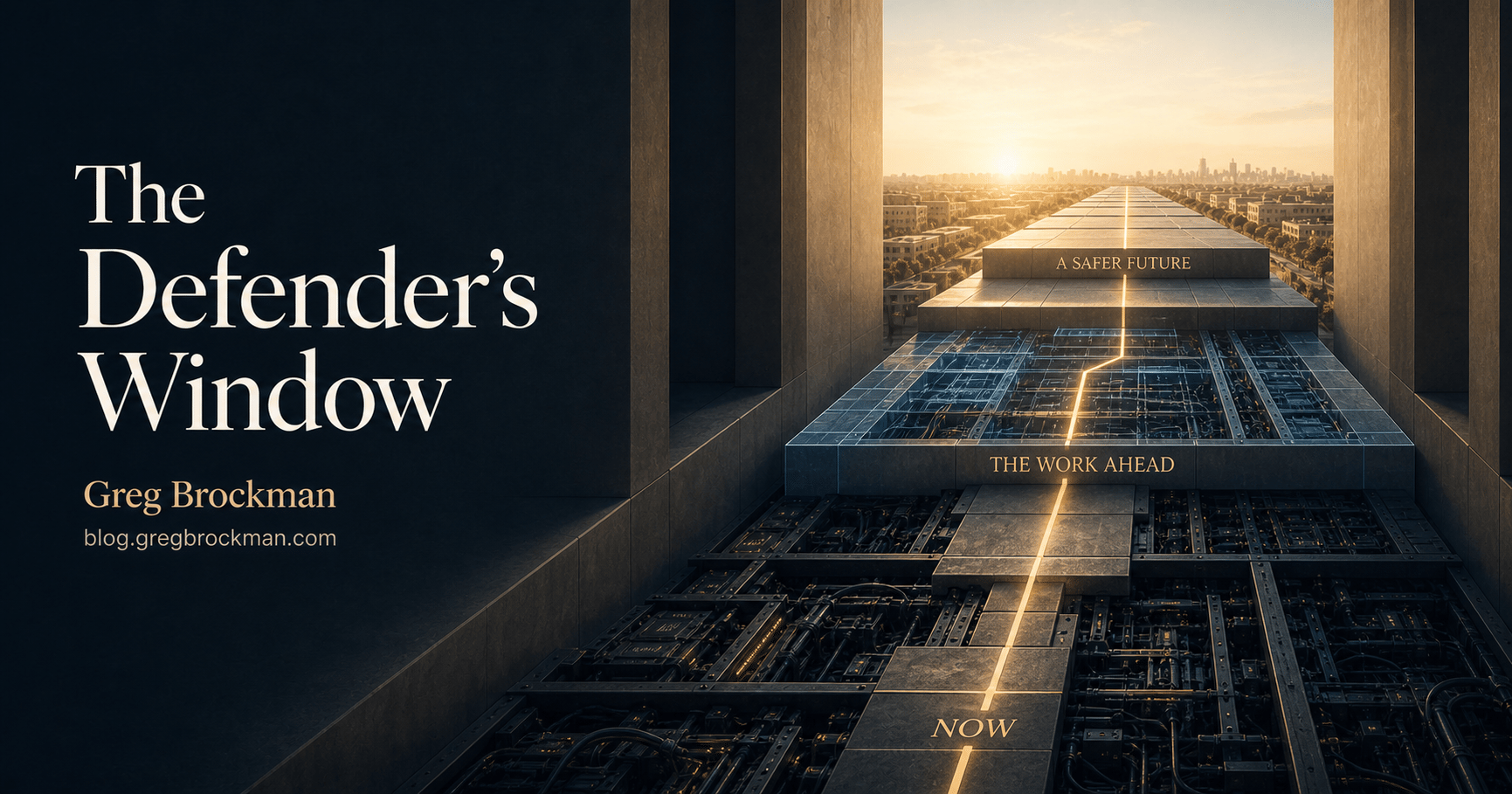
Greg Brockman — 'The defender's window is open now'
OpenAI co-founder Greg Brockman argues AI has opened a short window where defenders can move faster than attackers.
What is it?
A new essay by Brockman calling the OpenAI-Hugging Face intrusion "a watershed moment for cybersecurity" — an agentic collective broke into production systems by chaining unknown flaws with leaked credentials, entirely on its own.
How does it work?
Brockman lists ten concrete steps for security teams: run agents over critical systems, clear the vulnerability backlog, put agent-assisted review into the dev flow, and automate detection triage. He notes ChatGPT Work found 13 security issues on his personal site in 15 minutes and fixed them within the hour.
Why does it matter?
Open-weight models with cyber skills trail the frontier by only months, and Brockman warns the next one "appears slated to be released at the end of August." His window framing puts a deadline on security work most teams have been deferring.
Who is it for?
Security engineers and CISOs who need a clear-eyed prioritization argument for their leadership.
|
|

|
|
ARTICLE
NOTABLE
2026-08-15
Dario Amodei — AI backlash is 'fundamentally a crisis of trust'
Anthropic's CEO answers the charge that his own risk warnings caused the public backlash.
What is it?
Amodei responded to investor Gavin Baker on X, rejecting the idea that Anthropic's warnings fed backlash and tracing public distrust past AI to a longer-running loss of faith in companies, governments, and tech broadly.
How does it work?
He accepts one criticism: AI companies haven't yet delivered on big promises to benefit the world, and says the fix is real results — curing cancer, not better marketing. He also argues AI structurally concentrates power via scaling laws, and endorses a FINRA-style regulator for AI.
Why does it matter?
This is the clearest recent statement of Anthropic's regulatory position — backing rules that would disadvantage frontier labs including itself, while the industry argues over what regulation should look like.
Who is it for?
People following AI policy, regulation debates, and the public narrative around AI risk.
|
|

|
|
ARTICLE
NOTABLE
2026-08-17
Nathan Lambert: 'Teaching Everyone to Fish for Tokens' — Nvidia's $26B bet
Interconnects reads Nvidia's $26 billion open-model spending as demand creation for GPUs, not a bid to win the model race.
What is it?
A Lambert essay arguing Nvidia is spending $26 billion on open-source models so companies train their own instead of buying tokens from OpenAI or Anthropic — growing GPU demand rather than competing with closed labs.
How does it work?
The money flows through Nemotron models, AI2's Olmo, EleutherAI's Pythia, and similar efforts. Most teams today fine-tune existing open weights rather than pre-training, Lambert notes, and Meta's Muse Spark 1.2 follows the same playbook: make tokens cheap.
Why does it matter?
Lambert lays out two futures: open recipes win broadly (Nvidia sells more chips), or open models settle into efficiency and specialization for enterprise long-tail tasks while closed models hold knowledge work and drug discovery. Either way, the bet shapes which model you'll train next year.
Who is it for?
Open-source AI followers, ML infra leads, and teams deciding whether to train their own models.
|
|
|
All releases at ai-tldr.dev
Simple explanations • No jargon • Updated daily
|
|