What people made |  | | | • | The Nasdaq 100 fell 6.4% on Thursday, a record $2.3 trillion, after Democrats took both houses of Congress. | | • | A Chinese lab released its biggest model for anyone to download, and Revolut says a free model cut its AI coding bill by about 90%. | | • | Claude can now read your bank and card accounts and answer questions about your spending, in a US beta. | | • | Google's AI and Search will stay off for students until their school opts in, and a school can't have Search without the AI. | | • | OpenAI's new security model wrote working break-in code for 948 Linux bugs, and only vetted security teams can use it. | | • | A viral claim that GPT-6 Astra can rewrite another AI's weights turned out smaller once researchers read the paper. |
| On Thursday, two days after Democrats won both houses of Congress, the Nasdaq fell 5.5%. Nvidia lost 9% and AMD 17%. The tech-heavy Nasdaq 100 shed $2.3 trillion in market value, the most it has ever lost in one day, according to Bloomberg. Investors fear that a Democratic Congress will slow the building of data centres, and UBS reckons about 30% of the new data-centre capacity planned for 2028 is already at risk from local opposition. | The timing is awkward for Anthropic, which hopes to list on the Nasdaq this month. Its amended filing shows third-quarter revenue of $17 billion, twelve times as much as a year earlier, but growth slowed to 47% over the previous quarter, from 144% the quarter before. It also swung to an operating loss of $567 million after buying $5 billion of computing at short notice, and it has signed up for $895 billion of computing and infrastructure in the years ahead. Some prospective buyers now talk of valuing it at $1.2 to $1.3 trillion, down from as much as $2 trillion in early October, Bloomberg reports. | Anthropic isn't alone in promising money it hasn't spent yet. Google, Meta and the other big tech companies have about $3.2 trillion of AI commitments that don't appear as debt on their balance sheets, nearly double what they had six months ago, Nikkei Asia found. |
| This week in AI | A Chinese lab gives away its biggest model | Moonshot, a Chinese lab, published the full weights of Kimi K3.1 Pro on 4 November, so anyone can download it, change it and run it on their own servers. Running it at a usable speed takes about eight of Nvidia's top chips, Startup Fortune reports, and hosting firms with more than $20 million a year in revenue need a separate deal to sell access. The day before, Revolut said it had cut its AI coding bill for about 2,000 engineers by roughly 90% by running GLM, a free model from another Chinese lab, instead of paying for Claude Code or Codex. Anyone pricing Anthropic has to guess how much companies will keep paying once a free model does most of the job. One of the top comments under the valuation news on Hacker News came from a reader whose Claude use had "dropped off a cliff" since they began running a Qwen model on their own machine. |
| Claude can now read your bank account | Anthropic launched Personal Finance on 5 November, in beta for Pro, Max and Ultra subscribers in the US. You connect bank and card accounts through Plaid, and Claude sorts your spending, flags duplicate charges and odd fees, and answers questions from up to two years of transactions. Access is read-only, so it can't move money, and Anthropic says these chats aren't used to train its models. Its launch post drew close to 10 million views on X, more than any other AI announcement this week. Google sets a different default: Gemini chats on personal accounts help train its models unless you turn off your activity history, which a Hacker News thread with more than 700 points complained about this week. Before you connect a bank, check which rule your chatbot follows. |
| Google won't let schools keep Search without its AI | Google said on 3 November that Gemini, its notebook tool and Google Search will be off by default for K-12 student accounts until a school switches them on. Schools can turn on Search alone, but Search now includes AI summaries, so a school that wants no AI loses Search too, NBC News reports. Google says the change gives schools "more choice, not less". The president of the American Federation of Teachers said Google "has prioritized its business interests over the education of our children". Thirteen parent groups had asked districts in October to turn Gemini off. Google promises schools the details in the coming months, so nobody knows yet when students will see the change. |
| OpenAI's security model breaks into Linux | OpenAI said on 4 November that a new model had found 1,724 reproducible flaws in the Linux kernel and written working exploits for 948 of them, each letting an ordinary user take full control of the machine. A day later it named the model GPT-6 Cyber, which also found 81 serious flaws in Firefox; Mozilla has already shipped many of the fixes, BleepingComputer reports. OpenAI rates it "Critical" for cybersecurity, a step above its last model, and only selected customers of its security programme can use it. On Hacker News, an essay arguing that AI is forcing software makers to pay off 40 years of technical debt drew close to 1,300 points. Expect more security updates, and install them when they arrive. |
| A viral AI breakthrough shrinks on a closer read | The week's top AI story on Hacker News, at almost 3,000 points, came from four MIT CSAIL researchers, who reported that OpenAI's GPT-6 Astra edited 0.016% of the numbers inside a small Qwen model and raised its score on a maths test from 7.9% to 48.1%. On X the post drew 56,000 likes. A day later the creator of the spaCy language library pointed out that in the Qwen experiment Astra wrote Python and ran the model, a different technique from reading raw weights, which the headline suggested. The authors had already listed caveats: the edit mostly stopped the small model from looping until it ran out of room, the same trick failed on a Google model, and editing weights, they wrote, "could not add an ability the model lacked". A Qwen model running on a laptop repeated the paper's first test, guessing three of four games from a network's weights. |
| This week's innovations | Short films written entirely in code | Thirteen of the week's picks were films made with no image or video model: the agent writes every frame and every sound as a program, so a shot can be fixed by editing a line instead of rolling the dice again. They were saved more than 12,000 times. | 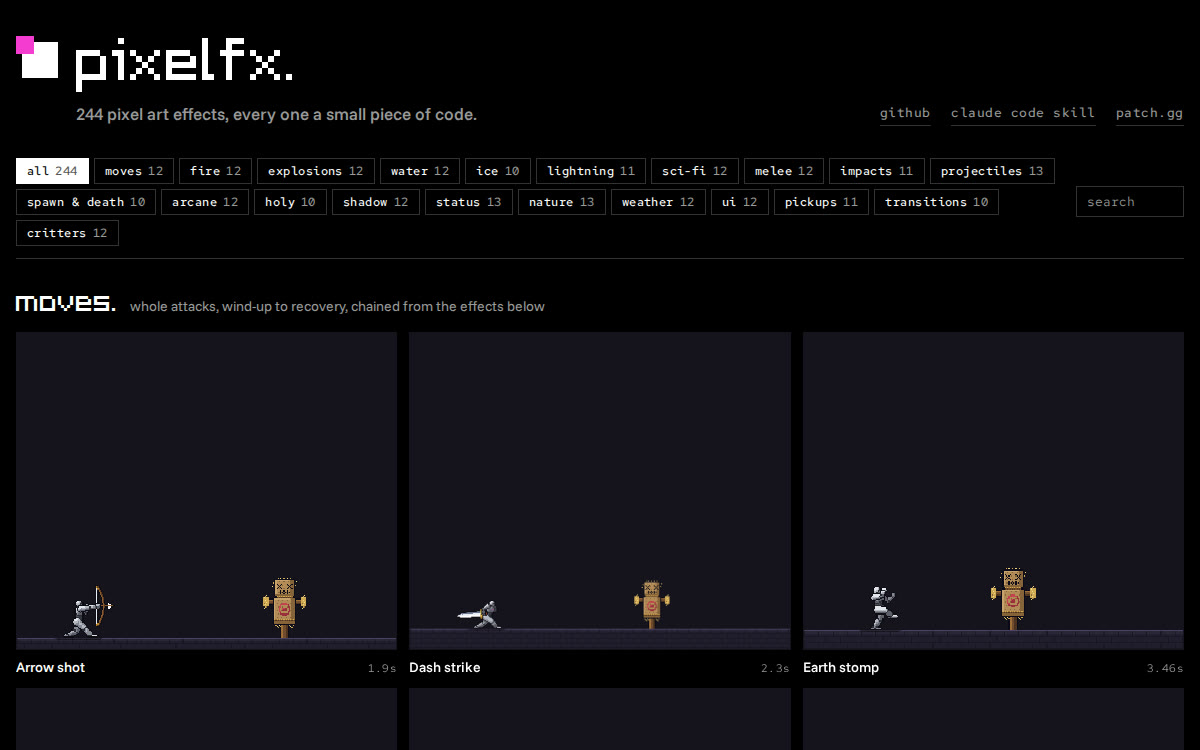 pixelfx: 244 pixel-art effects, from fire to weather, each written as code and free to use. | | • | A filmmaker released cinecode, a free skill for Claude Code and Cursor that writes the script, builds each frame in code, designs the sound and hands back an MP4. It was saved more than 5,000 times. | | • | A former big-tech programmer made a 75-second animated short from a single 170 KB web page that draws every frame and synthesizes every note in the browser, with Opus 5.5 planning the pipeline. | | • | A short-video creator who says they know nothing about Blender gave away the prompt that turned a one-line story into a 3D cartoon short with Claude Code in 14 minutes. | | • | A game developer from Japan released pixelfx, 244 pixel-art effects with no image files, free for commercial use and with a Claude Code skill for making new ones. |
|
| Replacing the apps people pay for | Ten picks started from a bill the maker no longer wanted to pay, and several makers gave the result away. | | • | A creator cancelled a $199-a-year WHOOP subscription and spent two hours with Opus 5.5 building an Apple Watch app for recovery, strain and sleep, which runs on the watch with no account. | | • | Someone in Japan had Claude build an app that turns a picture into stitch data, in place of embroidery software that costs about 100,000 yen. | | • | A roofing contractor with no coding experience built their own version of a business app in Claude after the vendor refused a cheaper plan, according to the developer who helped put it online. | | • | The head of a sheet-metal factory lists what their team built in two weeks, from the software that drives the lasers to a quoting tool AI agents can use, and says every paid tool is gone. |
|
| Games built in a day or two | Nine of these ten games were built with Opus 5.5, and six used Tripo to turn pictures into 3D models. Several makers let the agent run the whole asset pipeline and kept the art direction for themselves. | |
| New products and tools | Models | 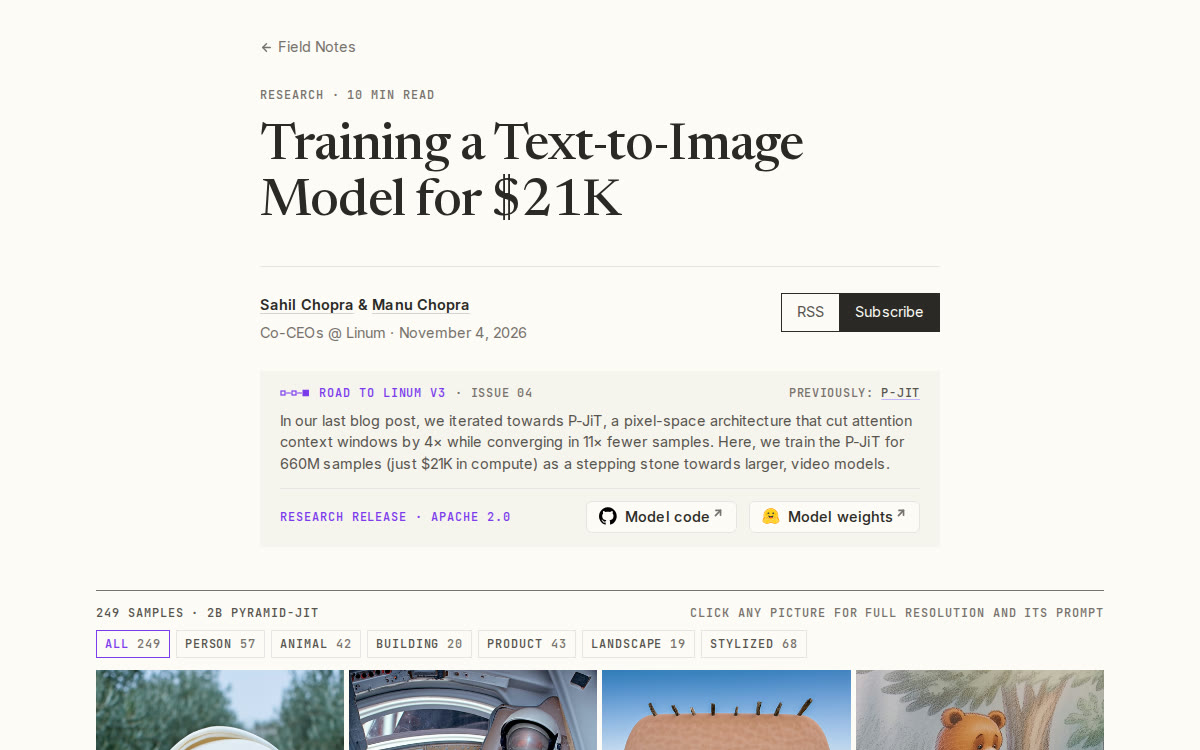 | P-JiT, from Linum, is a free text-to-image model that its two makers trained for about $21,000 of computing, with the code and weights published. It can't write legible text in pictures (Apache 2.0 licence, weights on Hugging Face). |
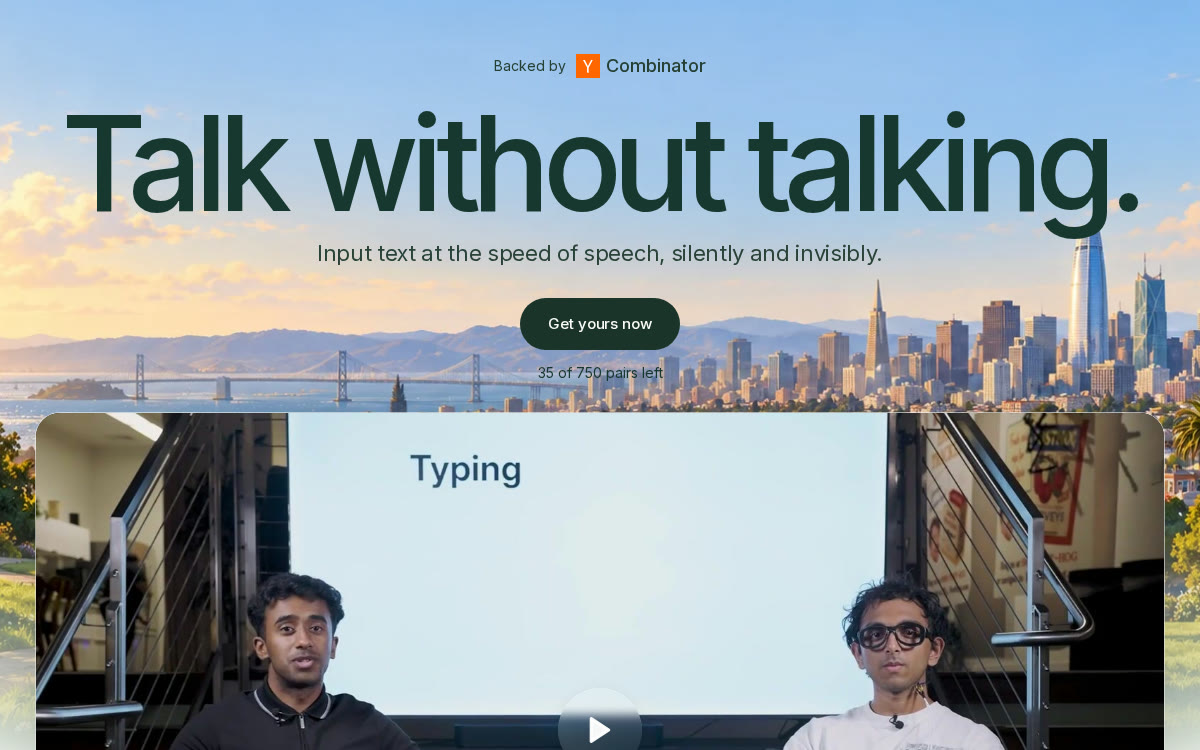
| Apps | Grok Bot calls let xAI's assistant phone a business for you, make your request, take notes and send you a summary; one user had it book a same-day appointment with a children's orthopedist. The bot has to say it's a virtual assistant (US numbers only, X Premium at $30 a month and up). | 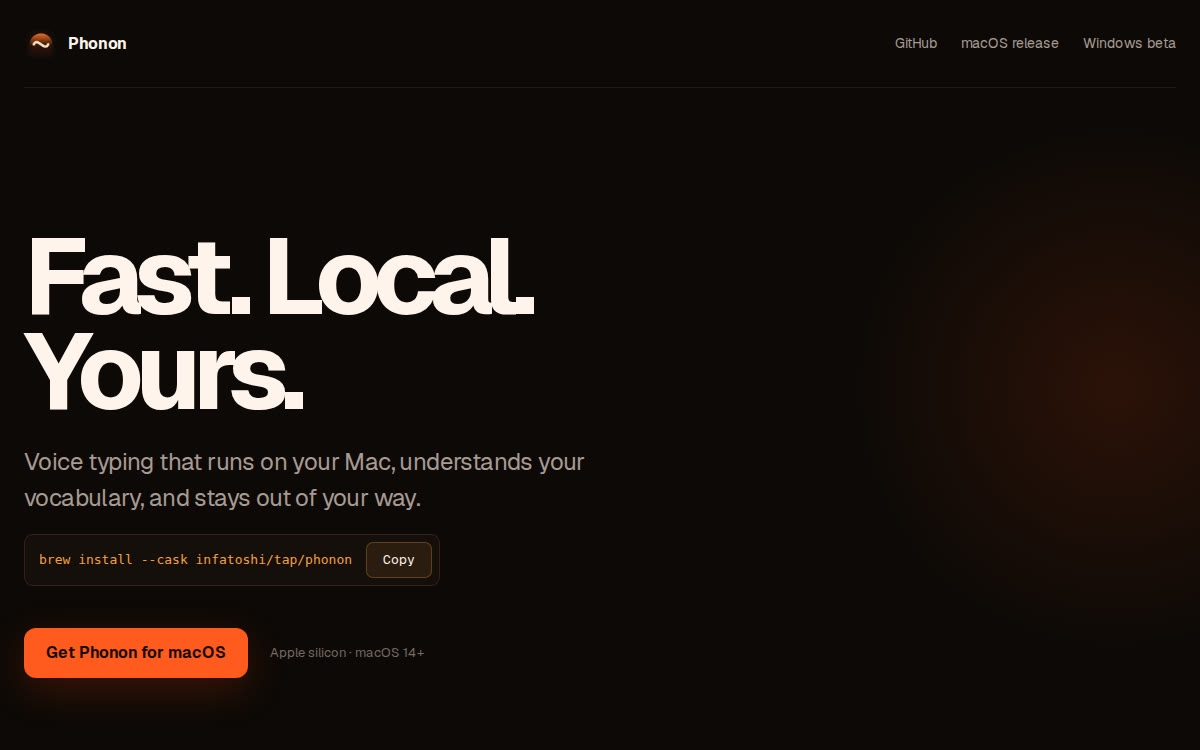 | Phonon is free voice typing for Macs that runs entirely on your computer and tidies what you say into what you meant to type. Version 1.0 came out on 5 November (Apple silicon, English only, a 4.9 GB download on first launch). |
| | For creators | ChatGPT Images 2.6 makes animated GIFs from a prompt or a photo, and lets you change the speed and edit single frames. It is rolling out to all ChatGPT users. | 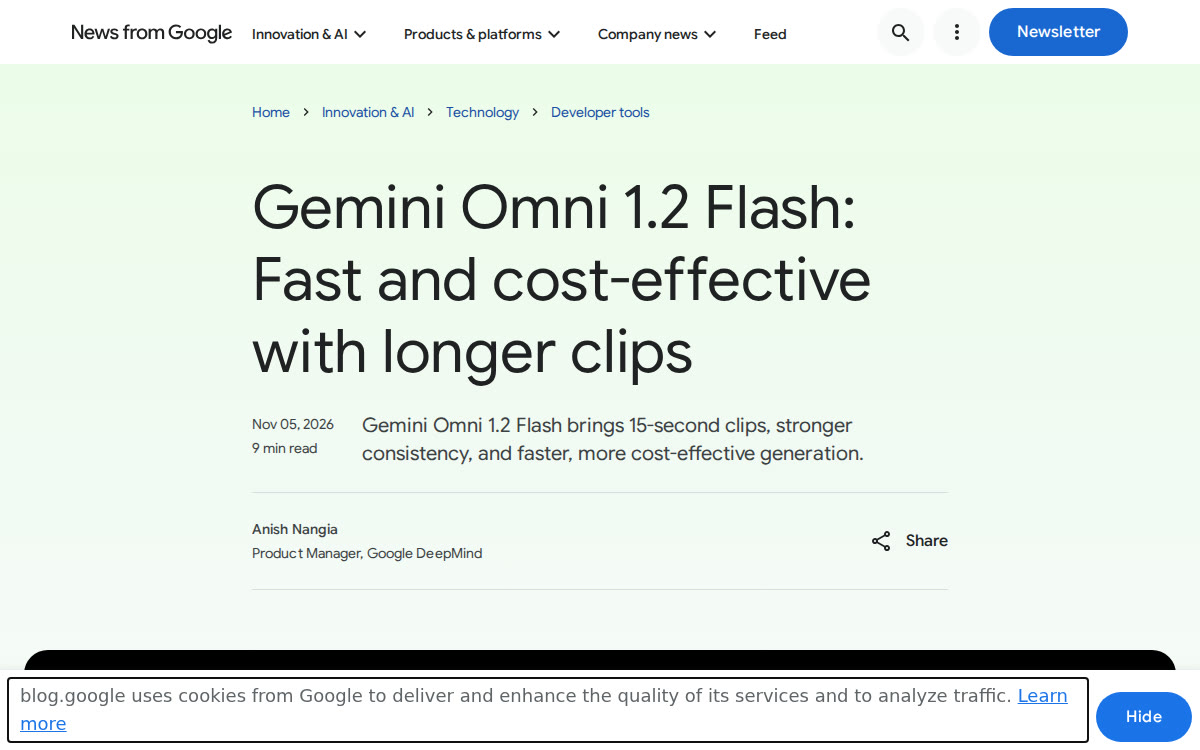 | Gemini Omni 1.2 Flash is Google's new video model, with clips up to 15 seconds and edits by follow-up prompt, such as swapping a background (free in Google Vids, rolling out in the Gemini app to AI Ultra subscribers, $0.07 a second through the API). |
| For developers | terminal-mac gives an AI agent its own Mac, a separate macOS running in a virtual machine that you watch inside your terminal, so the agent's clicks and typing never touch your own desktop (free, Apple silicon, an early release). | 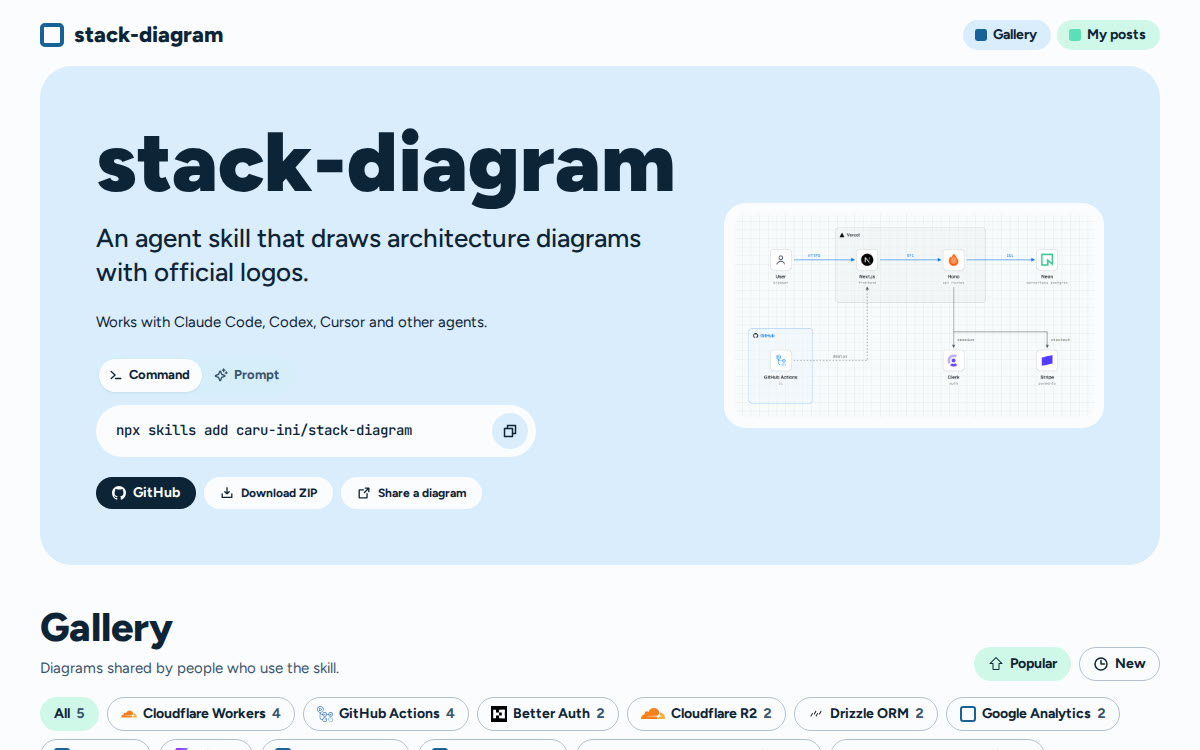 | stack-diagram is a free skill for Claude Code, Codex and Cursor: describe your system in a sentence and it draws the architecture diagram with each service's official logo. |
| Devices | |
| Made something with AI? Reply with the link. Links marked affiliate earn this newsletter a commission if you subscribe through them, which helps the newsletter's operation. Unsubscribe |
|
|