The Lunation Report | April 2022
Hello! Welcome back to reading my newsletter.
I took a month off again - apologies. Things have picked up between work and practice but I wanted to get this email out to announce some very nice springtime music activities. April is the cherry blossom month so the Japanophiles are out in full force.
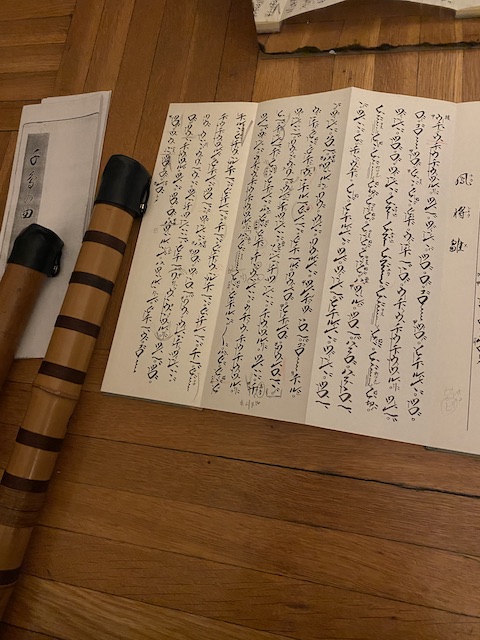
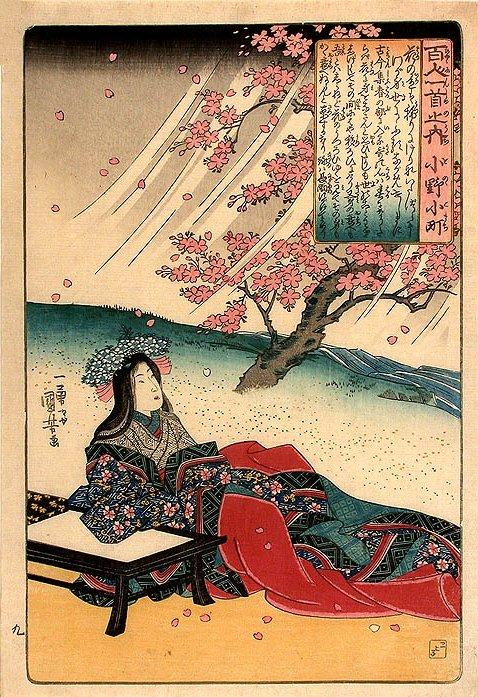
First of all here is some music. It's me practicing a piece called Nanakomachi - do with it what you will, I'm still learning. Please don't be too harsh with your appraisal. Ono no Komachi was a poet in the elder days and the song text is all about her. Click the image to find the sound:
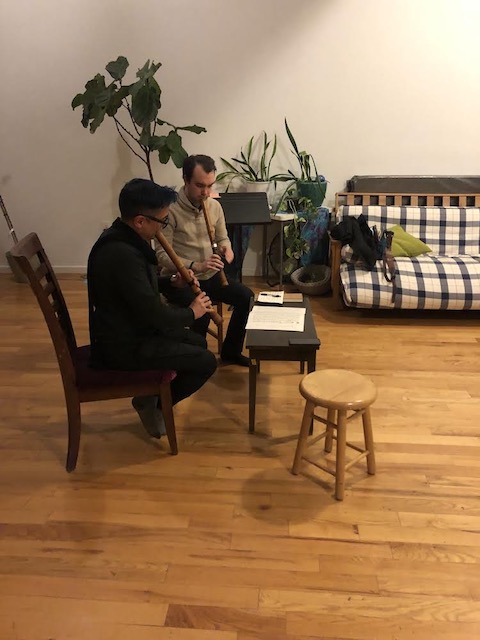
A notable thing that happened since I last wrote you was a surprise lesson with Araki Kodo VI on his visit to NY. The Araki family is responsible for much of the shakuhachi music I practice so studying with him was inspiring.
--
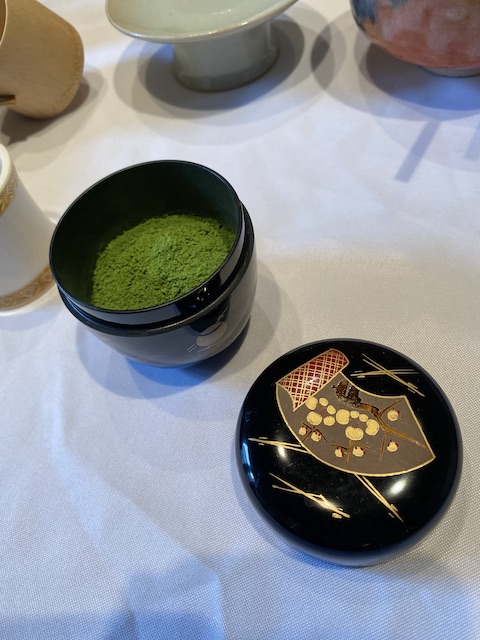
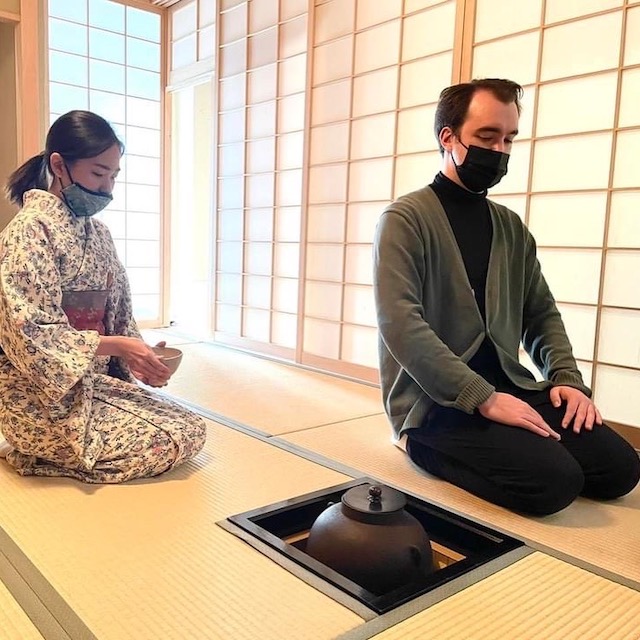
Readers of this email may be interested to know that I've officially started tea lessons in the tradition of the Ueda Soko school of tea. A tradition that goes back to the 1600s. I have been a part of 2 formal tea gatherings so far and I am learning a lot! I'm going to take a pause from tea updates in these letters while I gain a bit more knowledge and share some of that going forward. The thing that is most interesting to me so far is the way pacing and rhythm is applied in the tea ritual and how it applies to musical arts. The goal is to en-train your guests to the hosts rhythm both in music and in tea and the ways to do that and maintain it are worth a deeper investigation.
--
Ok - so concert announcements
January 24th at 2:00PM and 4:00 PM I'll be playing at Japan Village in Industry City (sunset park). Here's what I have to say about that concert pulled right from the program:
Happy spring! In spite of all that has happened and is happening in our world I’m very grateful to be able to present Japanese shakuhachi music for you today.
The shakuhachi that I am playing is a flute that has been developed to it’s current version since the 1600’s. It is a flute that came from the breathing meditation practice done by samurai class monks called the Komuso in the Edo period. Over the years the flute found a place inside the traditional music of Japan. The sound of the shakuhachi now finds itself on the world stage being practiced on almost every continent and in a whole range of musical contexts. The music I am presenting today is all from the traditional repertoire of the Kinko school of shakuhachi with the exception of Loons written by Elizabeth Brown, herself a distinguished Kinko school player.
Today's selections are almost all based around the sounds of birds interpreted through the voice of the shakuhachi. With the return of spring we find ourselves again surrounded by the cries of birds and I hope this program will help draw your attention to them this season.
To everyone in attendance today I want to say, “dozou o raku ni.” Please relax and comfortably enjoy the sound of the shakuhachi. This music is not meant to excite you like Michael Jackson but to help you and I attain a state of tranquility together. I hope that as host and guest we can achieve this atmosphere today.
The program will be:
Set One
Kumoi Jishi
This is a dedication piece that recalls the “lion dance” it is said that Kumoi Jishi is played to drive off evil spirits. The idea of playing this piece first is to purify the space we are sharing as we listen to this music.
Sokkaku Reibo
One of the classical shakuhachi pieces, Sokkaku Reibo depicts the life of cranes. First being born and entering the world, learning their song, developing through life, aging, dying, and passing their song to the next generation
Loons
Contemporary shakuhachi piece by Elizabeth Brown based on the sound of the loon. Composed as a duet while on a residency at Isle Royal Nature Preserve presented today as a solo piece.
Set Two
Osu Sashi
Like all of the shakuhachi music I am playing today Osu Sashi was learned from Ralph Samuelson.
I am inspired by his sound every time I hear it and this short solo piece (honkyoku) is dedicated to him.
Chidori no Kyoku
Literally “The Song of The Plover” Chidori no Kyoku is a masterpiece of Koto (Japanese floor harp) music written by Yoshizawa Kengyo II. The full version of this piece contains waka poetry depicting the chidori (plover) on the beach. The shakuhachi part to this composition was added after the original composition was written. It is a beautiful shakuhachi part and has the feeling of spring, it will be played as a shortened solo arrangement today.
Ho Shou Su
Another classical solo shakuhachi piece, Ho Shou Su depicts the sound of the phoenix. This mythical bird is said to have inspired the creation of the flute in Chinese classical music. The story goes that the Qin Dynasty Emperor sent his court musical advisor, Ling Lun into the wilderness to create the perfect music. While in the bamboo forest Ling Lun heard the sound of the king of birds, the Phoenix. He cut a length of bamboo and imitated the sound of this mythic bird. I like to keep this legend in mind while playing this mediative and elegant solo piece.
--
I'll be playing a condensed version of this program at a tiny park in Hastings-on-Hudson on April 30th as well. 1:45PM right off the train station at the corner of Villard and Broadway. Catch me if you can!
--
April 21st will be a concert at the Chapel at Columbia University where I'll be leading and listening to my piece, Shimmering Wave, played by the new shakuhachi recruits there. Also performing with the Gagaku group that night
April 20th it's Hanami at Greenwood Cemetery - more gagaku and shakuhachi.
--
I hope to see someone I know at any of these concerts. I hope it's you!
Stay safe everyone thanks for reading.