How to Avoid Boiling the Accessibility Ocean
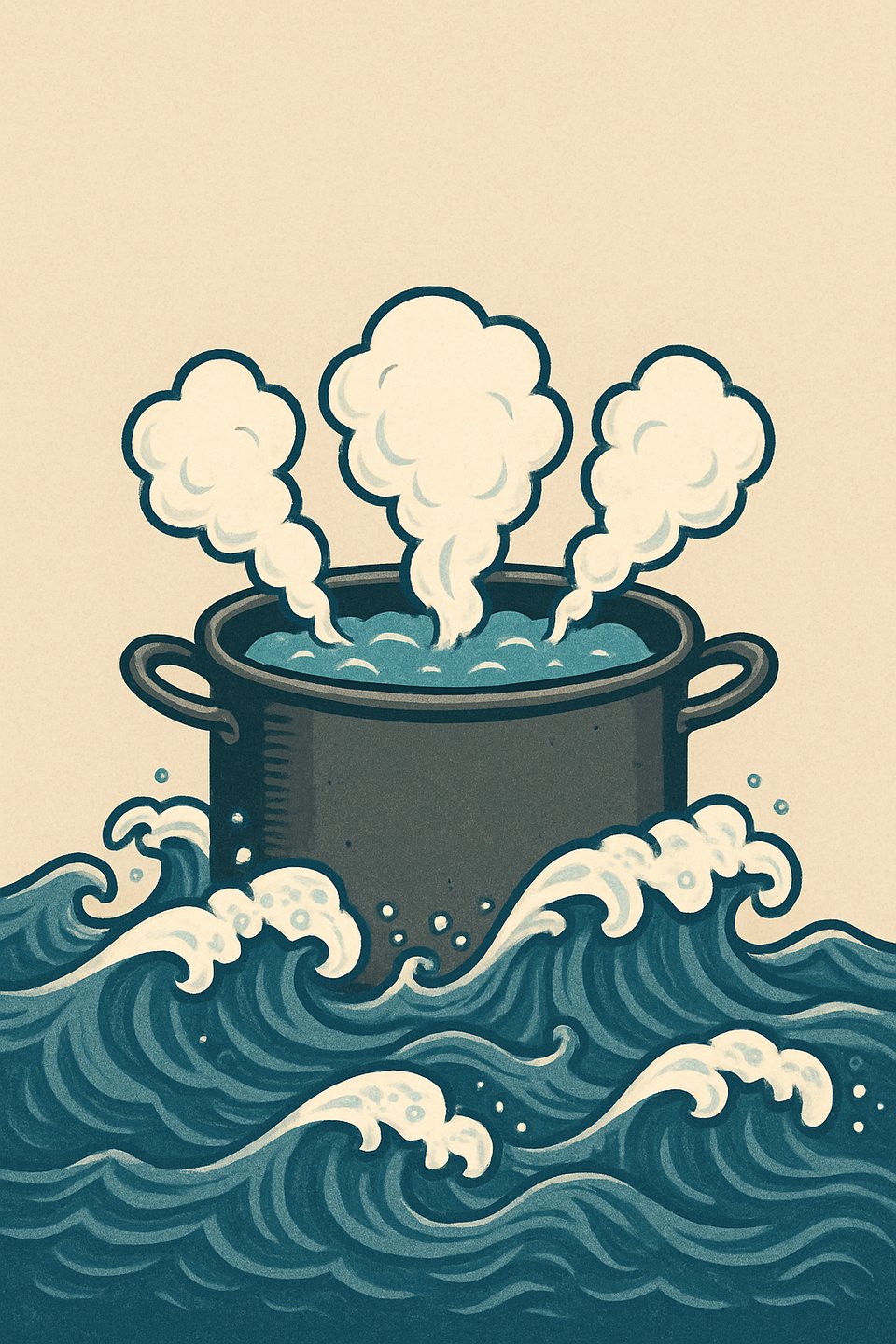
Accessibility is often framed as a gigantic task that requires attention to everything at once. People sometimes describe that type of endless activity as “boiling the ocean.” The phrase reflects how things feel when accessibility relies on a small group of experts trying to fix every defect created by everyone else. The ocean still boils long after the specialists burn out. People with disabilities wait for progress that never seems to arrive. Success requires a different approach.
Accessibility programs become manageable when responsibility shifts to the people who create the work in the first place. The accessibility team guides. Outside of audits, guidance, governance, and training, the action falls to others outside of the accessibility team. That creates a path where accessibility stops feeling unattainable and becomes continuous forward progress.
Responsibility belongs where decisions happen
Every disability inclusion program runs into the same friction. Teams without accessibility expertise wait for direction. Work piles up. Deadlines loom. The accessibility group scrambles to address issues they did not create. They fix the same types of bugs over and over. They cannot achieve strategic change because they are buried in tactical triage.
That pattern changes when every role accepts responsibility for the accessibility impact of their own decisions.
Designers choose colors and structure before any code exists. When designers own contrast, text sizing, heading organization, image descriptions, and focus indicators, everything downstream becomes easier. They do not need a specialist to point out that orange text is unreadable the week before launch.
Developers create the semantic foundation of a product. They control keyboard interaction and ARIA attributes. They make decisions every day that shape someone’s ability to complete a task. Accessibility succeeds when developers treat these choices as standard engineering quality rather than uncommon extras.
Product managers decide what gets built and when. They decide whether accessibility work becomes visible and funded. When accessibility work is included in roadmaps and acceptance criteria, people with disabilities benefit. Ignoring those requirements places accessibility tasks at the end of the line, where they can be cut without much thought.
Testers confirm everything works for everyone. When QA integrates assistive technology checks and keyboard testing in regular cycles, issues become visible early because they have shifted left in the process. They stop being surprises just before release.
Procurement touches every purchased system or service. Asking accessibility questions before signing contracts prevents years of backlog later. That shift requires procurement teams to learn how to read accessibility claims and ask for real proof. Not hype. Not empty promises.
These responsibilities belong with each role because that is where the risk starts. The accessibility team does not create most accessibility problems. They should not own all the remediation either.
Small expert teams support. They do not carry the entire load.
Embedded expertise builds lasting capacity
Knowledge transfer works best through practical experience. Workshops and documents help people recognize concepts, but that does not automatically translate into confident action. Real change happens when someone experienced in accessibility sits with a team and works through actual challenges in their daily environment.
Temporary embedding involves placing an accessibility resource directly within the team developing a feature or product. The expert engages in reviews and planning sessions. They answer questions as decisions are made and offer immediate feedback while adjustments are still easy to implement.
This engagement follows a pattern.
• Assess current skills and gaps
• Demonstrate expected behavior with real examples
• Guide the team as they begin handling work themselves
• Step back once they demonstrate consistent success
That approach increases both knowledge and ownership. Designers and developers start solving their own issues instead of waiting for someone else to notice them later. The work improves faster because the people who can take action are the ones learning.
The embedding ends. That matters. Accessibility professionals are not permanent extra hands on a team. Their purpose is to increase competence so they can move on to the next group. This creates a domino effect. Each team builds more capability than the last.
Start slow to move fast
The instinct to address everything right away slows organizations down. Massive audits that generate itemized lists of hundreds or thousands of issues rarely motivate anyone. Those lists feel impossible. People focus on volume instead of the value of specific improvements.
Focus matters. Scope small, fix thoroughly, then expand.
The highest value opportunities often involve the key experiences users encounter most frequently. Account creation. Logging in. Viewing products and services. Checking out. Customer support. Enhancing accessibility in these areas provides immediate benefits for the largest number of people with disabilities.
Tightly defined improvements build confidence. Confidence encourages more improvements. That sequence repeats until the organization produces products where good accessibility no longer feels extraordinary.
Celebrate progress, but don’t lose sight of perfection
Leadership teams often wait for complete compliance before announcing success. They think describing partial progress invites criticism. That silence hides the work happening every day and misses opportunities to show commitment.
Incomplete does not mean invisible. If a banking app adds labels that convey detailed information to transaction links that previously only said “view details,” that change improves real life for real people. Telling those stories helps employees recognize that their actions matter. They see impact. They want to keep going.
Accessibility thrives when people see the difference they make. Celebrate what improves. Learn from what remains. Forward motion matters more than finishing everything at once.
Make accessibility a habit, not a rescue mission
People with disabilities notice accessibility issues before anyone else. That means accessibility cannot become a waiting game that only activates after someone complains. It must be incorporated during creation, not fixed after release.
Organizations achieve that shift when policy and process encourage earlier action.
Examples include:
• Standard checklists during design reviews.
• Any A-level defects are considered critical and must be fixed before deployment development.
• Definition of done that includes keyboard testing, magnification, and screen reader review.
• Procurement approvals that require third-party proof of accessibility and roadmaps to any needed remediation.
These changes trigger action in the right places at the right time. Work happens before issues turn into lawsuits or customer frustration. The accessibility team monitors and guides. They do not carry the full weight.
Progress without burnout
Accessibility professionals aim to help and ensure that people with disabilities can fully participate. This motivation can lead them to handle every escalation personally, feeling it's quicker to jump in and resolve issues fast. However, the long-term effects are predictable: burnout increases and strategic change vanishes.
When organizations depend on a few people to resolve every problem, capacity never grows. When product creators understand their roles, accessibility spreads among dozens or hundreds of contributors.
One expert cannot boil the ocean. Hundreds of committed peers working together can create safer waters for everyone.
Final Thoughts
Successful accessibility programs involve envisioning a future where everyone participates. Accessibility succeeds when responsibility aligns with influence. That requires shifting ownership from a small expert team to the people making daily decisions. It requires support through embedded knowledge. It requires a realistic scope that encourages success.
Not boiling the accessibility ocean means focusing efforts. Build capability one team at a time. Strengthen habits. Share progress. Encourage pride in accessible design and development.
People with disabilities deserve products that include them from the first idea to the final release. Achieving that doesn't require boiling water. It needs people working together, doing their part because they understand it matters.
Add a comment: