
Women, singles, retirement and common money mistakes
Hello! It’s been a while. I’ve been talking about the book and this newsletter to any and everyone who’ll listen. I want to say hi to all the new subscribers. Welcome!
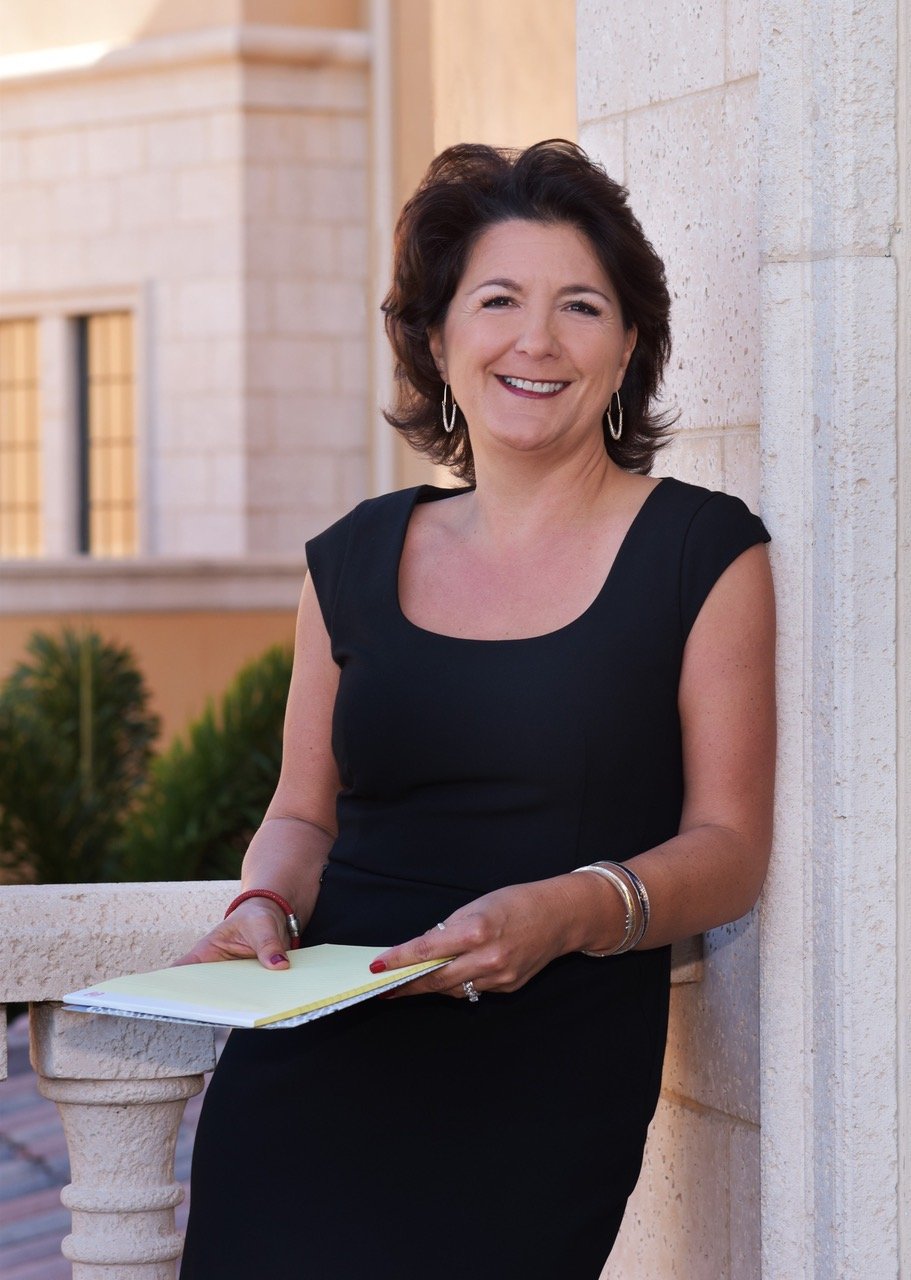
Ok, let’s back to what you’re here for. I had the opportunity to talk with Jennifer Lee, an author and financial advisor who works with women and business owners navigating life transitions. I knew I had questions as a single person and as someone who is a sole proprietor. So if you’re either or both of those, divorced or in your 50s and wondering about your finances and planning, read on.
What’s the biggest money mistake people make when life suddenly changes?
In my experience, the biggest money mistake people make following a major life shift like divorce is that they give in or give up too soon. Women especially are prone to wanting it over. They are anguished by all of the back and forth and the fighting over possessions and money, so they may be inclined to relinquish assets just to bring back peace to their lives. If there are not sufficient resources post-divorce for them to sustain their quality of life, this is a huge mistake. My advice is to lean on your friends, divorce coach or therapist to help you stay the course, lean on your financial advisor to sketch out the consequences of your decisions, and let your attorney do the heavy lifting.
Why do you call divorce a time for “financial triage”?
As a financial advisor for nearly three decades, I know that thoughtful decisions require a complete understanding of the financial picture. Under normal circumstances, we gather data, analyze options, and design a long-term path forward.
Divorce is not a normal circumstance.
When someone is navigating the trauma and drama of divorce, they do not have the emotional bandwidth to dive into spreadsheets and long-term projections. What they need first is financial triage.
Financial triage means we quickly assess the full landscape:
What assets exist?
What are the likely division scenarios?
What income sources are realistic?
What happens if you keep the house?
What if you keep the retirement accounts instead?
What if you retain the business?
What if alimony is temporary - or not awarded at all?
We model different outcomes and stabilize the situation. The goal is simple: stop the financial bleeding so you can make clear, informed decisions.
Think of it this way: there’s a difference between visiting your primary care physician and going to the emergency room. During divorce, I serve as your primary care doctor - who happens to work in the ER. We stabilize first. Then we build the long-term health plan.
How can someone in their 50s tell if they’re actually on track for retirement?
Financial planning is simple. I’m sure you’re thinking, yeah right. But in reality, it is about only a few things. 1) What do you have? What income, assets and resources do you possess? 2) What do you want/need? Where do you want to live? How will you spend your time? Do you wish to leave money to family or a charity at the end?
With this information, a financial advisor can map out the likelihood of success in all categories. If you are below the threshold of success, we need to discuss making changes to allow your plan to work.
It all comes down to saving and investing more, taking more or less risk, and dialing up or down your income goals.
ICYMI: About being a single edge case and a massive RRSPs
You talk about a “Family Love Letter.” What is it and why does it matter?
Writing your family love letter is a selfless gift to your loved ones. It is sharing your values and communicating your essence and your legacy. It is sharing your love for your family or loved one and communicating your hopes and dreams for them when you are not there. For a child, it may be sharing your values around love, marriage, community and work. For your significant other, you may wish to communicate your love for them and provide guidance on how to manage your remaining assets. If you are a business owner, it may be communicating the best type of buyer you envision or specific people that can assist in unwinding or selling your business.
Please know that your love letter does not replace your legal documents. And yet, it is often the most treasured gift to have left behind. Take the time. Write it, dictate it, record it. And if you’re not sure where to start, ask yourself, “If this were the last conversation I had with [my son, my significant other, my business partner], what do they need to know?” I truly hope this keeps you up at night….until you write it.
Why do so many business owners wait too long to plan their exit?
I wish I knew. I wish I could influence them. It’s interesting - business owners are such a dynamic group of ‘get it done’ and idea individuals. I think they’re often looking at the current business to modify, tighten and enhance or grow the business. Seeking an exit may seem to them like quitting. We are, however, embarking on a newer generation of business owners whose focus is idea, build, leverage and exit. These owners are all about making money. The former generation of business owners has been focused on building something that sustains itself and generates solid revenue and asset growth, which is why I think they often ignore the need to exit plan until it’s too late. The reality is that when planning starts late, you lose control over how the transition unfolds, including the tax impact, timing and structure of the sale. The most successful outcomes happen when owners start thinking about their exit 5 to 10 years in advance, so they can shape the result instead of reacting to it.
How can values shape financial decisions as much as the numbers do?
I believe values drive all of our money decisions. And they can be unconscious or conscious. When meeting new prospective clients, I like to understand their money story. Their money story is often one of their very first memories from when they were children. These memories drive their perspective on access to money, resilience, feelings of abundance (or lack thereof) and absolutely impact their financial decision making.
What financial risks do single people face that couples often don’t?
Single people often face the need for caregiving in their later years. Many seek long-term care solutions because they do not have a partner to share the responsibility of caring for them. This concern also applies to couples without children.
In addition, single households may have fewer financial cushions since they rely on one income, which can make unexpected expenses or changes in income feel more impactful.
Read more: I got a massive wake-up call
Why is estate planning especially important when you’re single; and who should single people choose to make financial or health decisions if they can’t?
This is a very personal choice. Single people should consider who in their family can best assist with these decisions, and communicate thoroughly with the family member who takes on the task. They should establish the necessary legal documents, such as healthcare and financial powers of attorney, to formally designate their decision-maker. They will also want to clearly convey their wishes, plans and desires and feel confident that their chosen person can and will execute. In some cases, it may also be appropriate to consider adding a corporate trustee as a co-trustee for additional support.
What’s one small step someone can take today to get ready for a big life transition?
I believe that with any big decision or transition, gathering data and having your ducks in a row are critical first steps.
So if it must be one small step, it’s taking inventory - assessing what resources you have (or do not have) so that you can consider how to take the next step forward.
Disclaimer:
Discussions should not be construed as specific recommendations or investment advice. Always consult with your investment professional before making important investment decisions. Securities offered through Cambridge Investment Research, Inc., a registered Broker/Dealer, Member FINRA/SIPC. Advisory services offered through Cambridge Investment Research Advisors, Inc., a Registered Investment Advisor. Modern-Wealth, LLC and Cambridge are not affiliated.
This week’s readings:
The rise of singlehood could impact everything from housing to travel (CBC)
40% of women say they aren’t satisfied with employer’s benefits plan: survey (Benefits Canada)
Are you near the top or bottom of Canada’s retirement wealth pyramid - and does it even matter? (Money.ca)
Young Quebec women more pessimistic than men about their personal finances (CTV)
And what I’ve been doing:
The audio book is out! And a reminder you can buy the book at various locations, preferably not Amazon.
My conversation with the Toronto Star’s Lora Grady at my launch party (YouTube)
I was on CBC’s Ontario Today to discuss how people are feeling the singles tax. (CBC)
Did a hit on CHCH’s Morning Live
Commented on this Globe and Mail article: Tips for single people to protect their income and save for retirement
I am going to be on TVO’s The Rundown on March 10.

Add a comment: