
5 things I've heard while promoting The Singles Tax (and only one was weird)
It’s been three months since the book came out and I’ve been very fortunate to have a lot of interest in it. That means I’ve been talking about the motivation behind the book, what the book is about and a bit about myself.
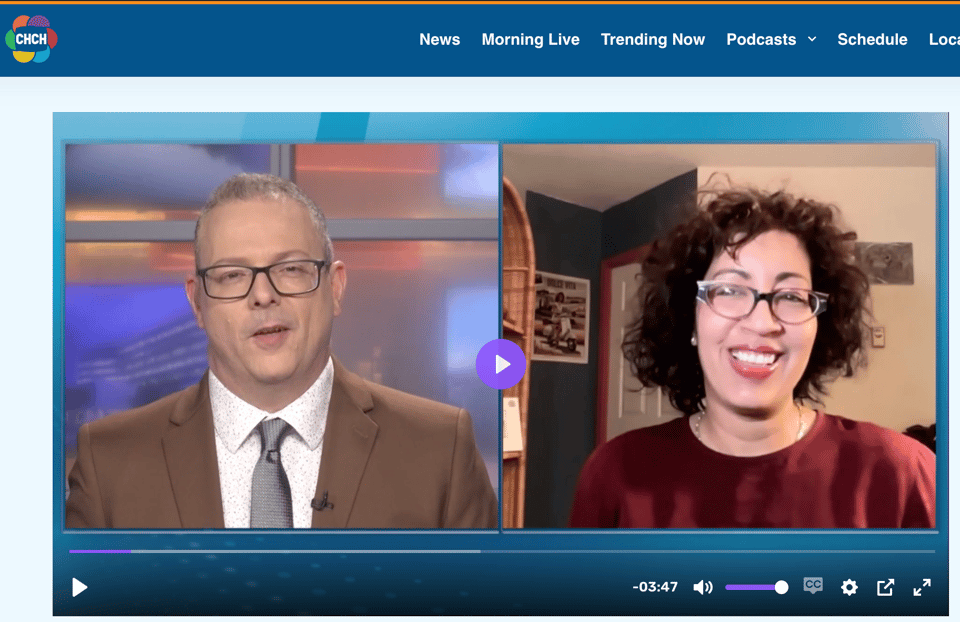
As someone who prefers to ask questions, it’s odd being the one being asked questions. I’ve had moments of ‘eep, I’m being seen but I’m not sure I want to be seen that way’ but then remind myself that promotion is part of the deal and it’s really flattering that people want to talk about topic. (Not me. I have a very healthy sense of self, ask anyone who knows me, but I know it’s the topic that’s more interesting.)
I’ve appeared on television, radio, podcasts and did a book signing around the book. I’ve spoken to a lot of people in the last three months and here’s what I’ve learned about being single.
How, why and where Gen Z and Millennials invest
People have been thinking about the topic for a long time
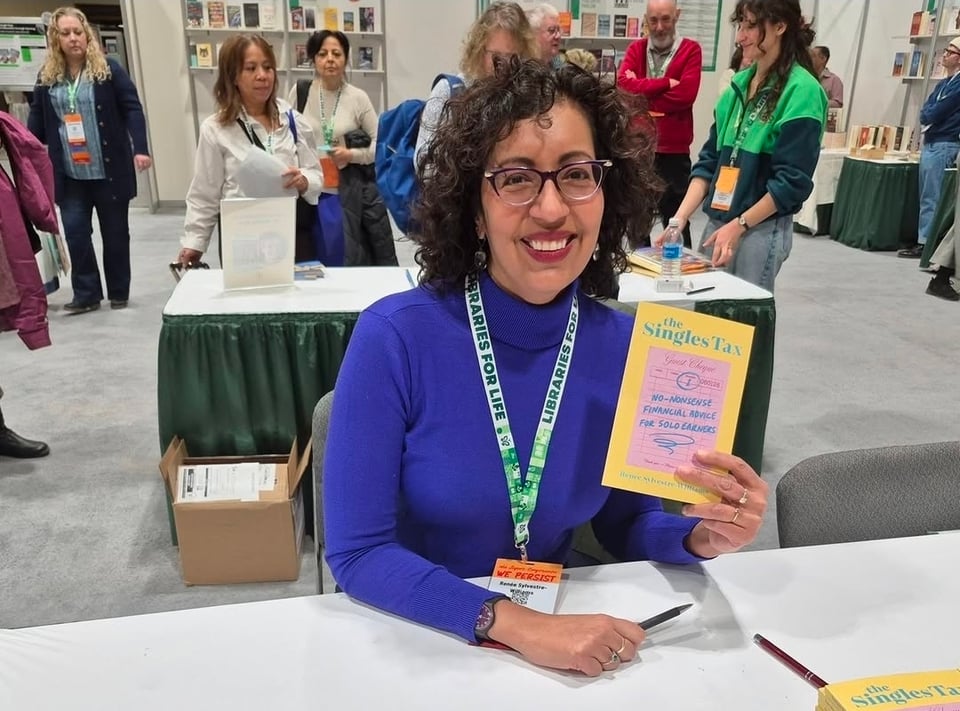
I had a book signing through my publisher at the Ontario Library Conference in January. I spent the designated 20 minutes signing and talking to people. The majority of them told me how much they’ve wanted a book that talked about the concerns that single people have when it comes to finances, retirement and housing.
One person asked where I was 20 years ago. I told her that I had to become an adult, get some lived experience, then write the book.
Housing is popular (obviously)
I knew intellectually that housing would be a big topic. It’s the biggest chapter in the book and I realize now that I could do a whole book on the topic alone.
But I still didn’t expect how much people wanted to talk about housing and how much people liked the idea of doing a Golden Girls-style sharing of a space. It wasn’t just about being able to afford a house, which is still a dream of a majority of Canadians. The Royal Bank of Canada’s Spring Home Ownership Poll found that 67 per cent of Canadians dream of buying a home and 32 per cent expect to buy a house or condo in the next two years.
Another part of the conversation touched on how housing security and I include rent here, can build community as well as financial security. You can relax, entertain and actually plan your budget because you’re not going to be displaced or face an unknown rent hike.
Women were the ones who chatted with me about it, which tracks.
Women, singles, retirement and common money mistakes
You do get some odd questions
I expected and prepared for questions like why I was single and if I hated couples and children. I didn’t get those and I suspect it’s because the book has a financial and policy focus, not a lifestyle one.
Still, I got a couple questions about whether people should partner up just to access financial benefits (No? Terrible reason) or if being single is a choice (as a friend put it, we’re not born coupled up).
I know they were asked for engagement, that’s how it works.
Individualism vs community
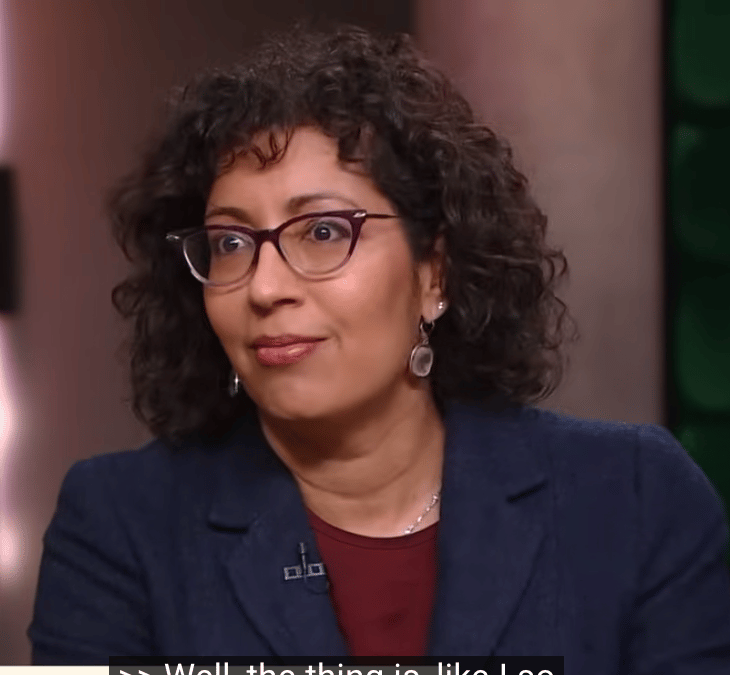
I appeared on a CBC radio show, Ontario Today, which is a call-in show. I was there to listen to the callers as they talked about the areas of their lives where they feel the singles tax.
The majority of them were expressing frustration. One caller expressed it best: it’s the sense that there isn’t equity between what couples and singles get. Single people get less options in retirement, for example. No one said they wanted to opt out of paying into the school systems or pay less tax. What they wanted was more equity in return, which isn’t an unreasonable ask.
There was one person who decided that the people calling in were victims. Now, I’m not sure how he came to that conclusion but it was pretty clear he got his and therefore thought everyone else didn’t work as hard as he did. Sure, Jan. Although I did like the person who said that being single meant he could park a motorcycle in his living room. That made me laugh.
This crosses all ages and I’m not a futurist
Singlehood crosses all ages and stages and I got to meet with and speak about the topic with people. Younger people were concerned about AI, jobs and housing while older people were also concerned about AI, jobs, housing with the added anxiety of retirement. I got asked several times what people could do about this outside of budgeting (because I feel you all know that already so why be condescending about it) and allyuh.
I wish I had more answers apart from what I’ve said both in the book and in media. Maybe that’s the second book.
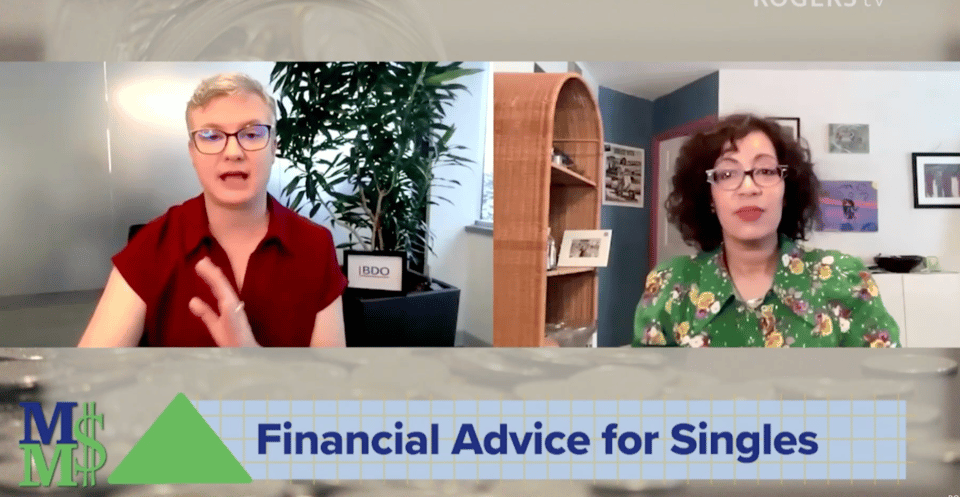
Money Matters with Shannon Jackson-The Singles Tax | Rogers tv
This week’s readings:
The case for paying parents to stay home with their kids (The Cut, paywalled)
You can negotiate more of your life than you think (Moneysense)
Five financial scams that look too damn real (The Get)
A new EQ Bank survey found that fewer than 1-in-10 Canadians (9%) plan to spend their refund on non-essential purchases. Instead, they’re planning on using the refund for:
Paying down debt (28%)
Contributing to registered savings plans (28%), most commonly TFSAs (20%), followed by RRSPs (10%)
Holding the refund in cash (26%)
Covering everyday expenses (22%)
Next issue: a chat with a COO of a start up that is looking to streamline the house buying process.

Add a comment: