The drama of winter nights
Swedish mys & December bliss
"Winter has almost no self-confidence after the triumph of summer and autumn's resolute clean up that followed, for what is winter, with its snowfalls and its icing of the waters, other than a cheap conjurer?" — Karl Ove Knausgård, Winter
The summer seemed to go on a bit longer this year, didn't it? In Sweden the end of summer also marks the beginning of a slightly dimmer phase of the year — as November approaches, the days grow remarkably shorter, resulting in less daylight. After living with a summer of too many white nights, I gladly welcome this phase when everything gets a little dull, both literally and metaphorically. The beiges, taupes, maroons, rusts and browns gather around in the foliage all around us, carpeting our days and nights, preparing us for a cool autumn and a colder winter.
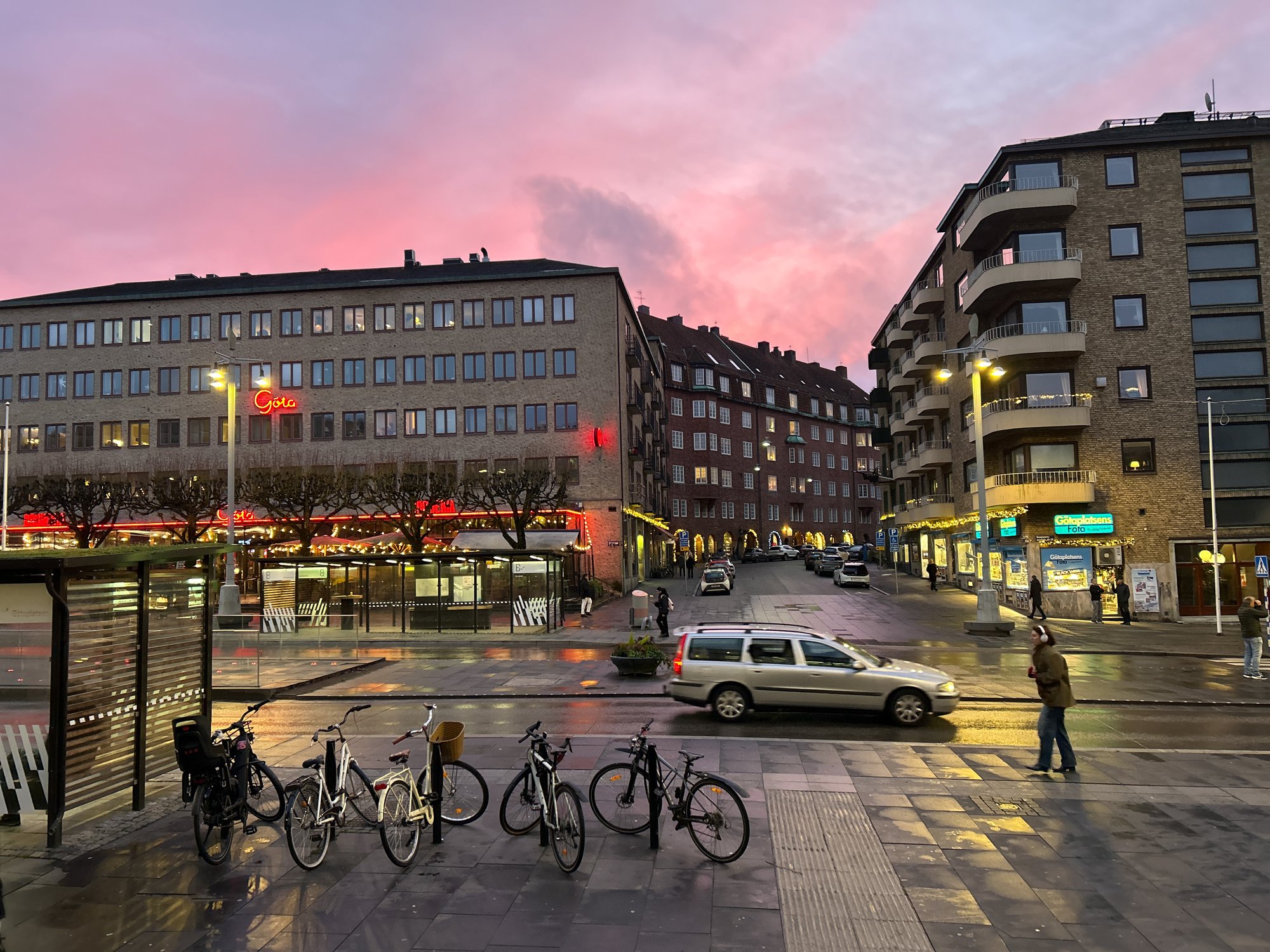
Having spent three decades in the tropics, I never thought much about daylight. The sun would be up for many hours even during winters, bar the bad air days. But after two years in Northern Europe, my senses are attuned to the sun in a new way. At the start of November, the skies will turn gray around 4pm, and by mid-December the sun will set around 3:30pm, leaving in its wake an hour-long stretch of a blue sky that casts an ominous, filmy pall over the city. In this gloaming hour, moods shift, people light up the interiors of their houses, balconies glow with kinds of fairy lights. There’s a Swedish word for it “mys”.
Translated to English it roughly means coziness, but ensconced within it is a far wider meaning, key to Swedish winter culture. Think of a cozy situation, and there probably already exists a mys hashtag around it. It’s now the ides of September and a part of me is already looking forward to those dark December afternoons in Gothenburg that will feel like a long endless night till around the 20th of February.
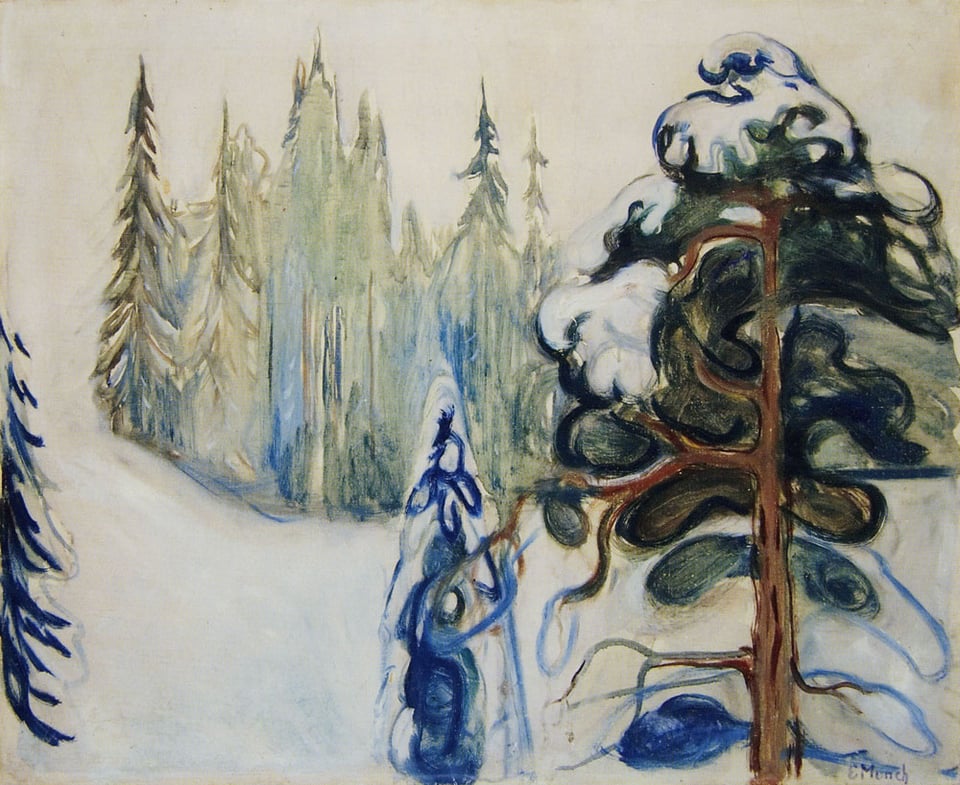
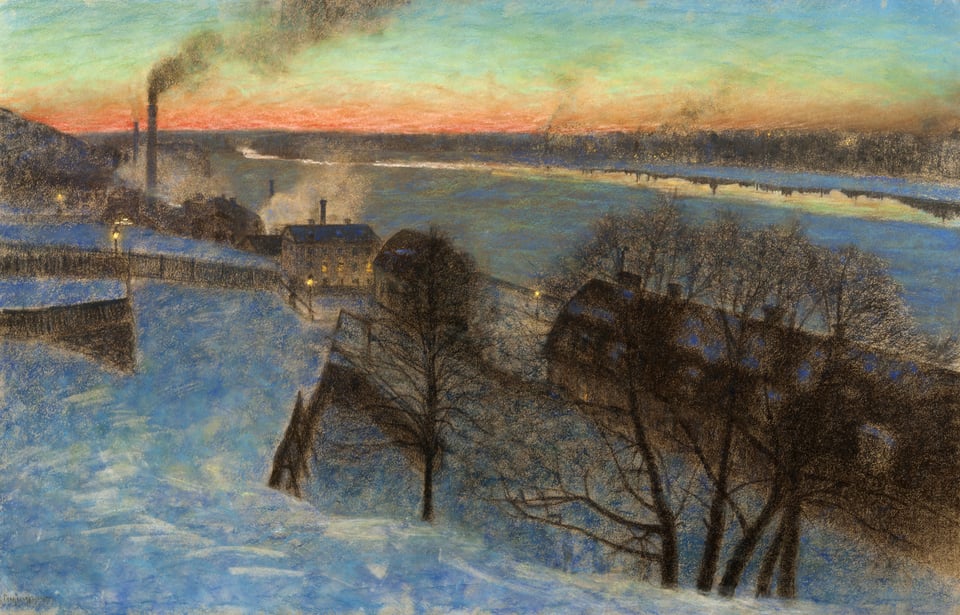
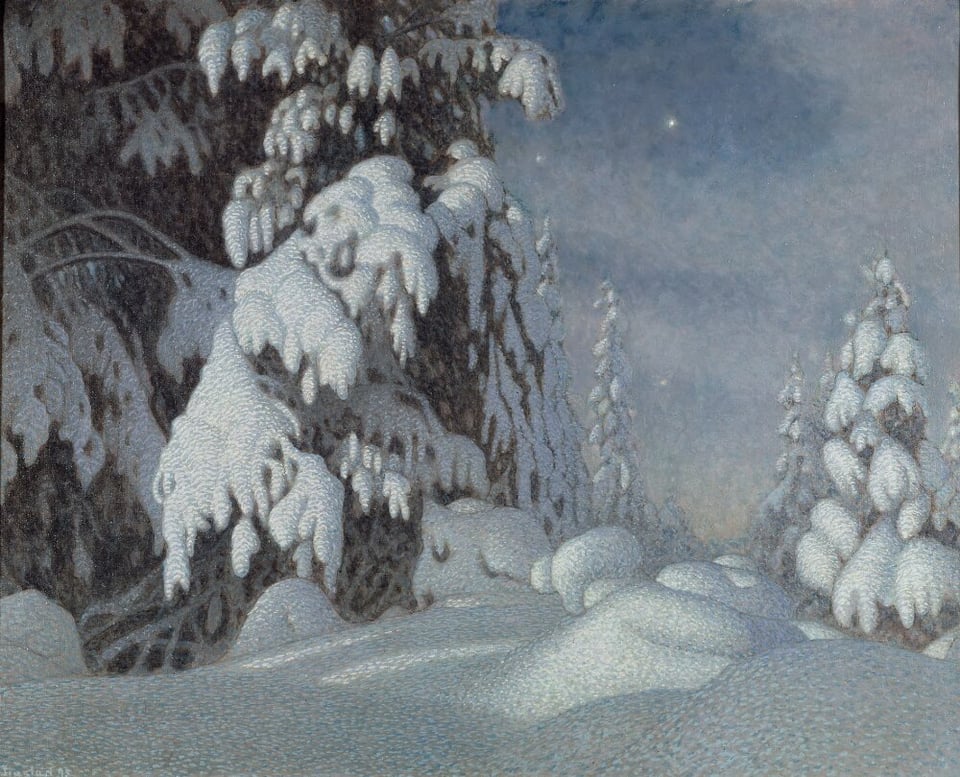
With their myriad lights on each window, in the driveway, on balconies, in the garden and sometimes even beyond the fence, the houses, apartments take on a rather fairy tale like beauty. A gentle mizzle falls continuously on these days which creates tiny makeshift halos around these lights, giving the apartments, houses and the neighbourhood a halogen, incandescent glow. It’s very immersive in the way it appears on the outside, looks almost like an impressionist painting of European towns in the winter nights. In the wild, the snow covered forests seem to stand on a shimmering land, showing off the strangely delicate beauty of the terrible Swedish winter.
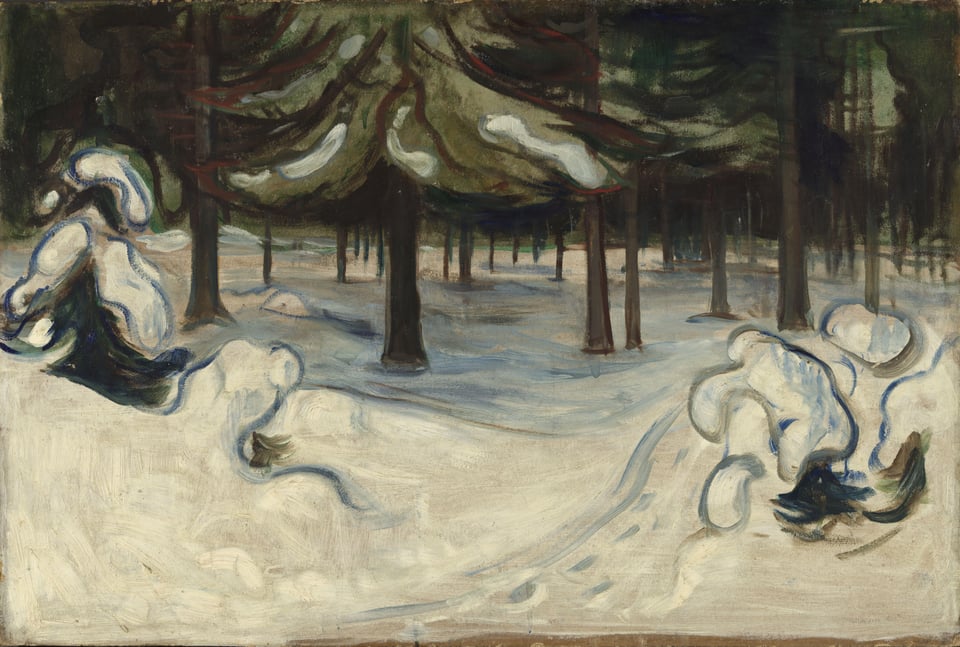
Add to that winter moonlight a stunning phenomenon, when the moon shines strongly, casting a spell on the entire city, lighting it up with merely its natural pale glow. Under the moonlight, the snow appears to glitter, while the limb-like, bare branches of drooping trees look poised to come alive. Especially the forests, the seasides take on a whole other charm. The blues, greys, pink and oranges coalesce to give a sense of a magical winter’s afternoon, revealing a near magical, darker side to the landscape, inviting us to scan the canvas for the spots where we might be all by our lonesome, reading a small poem or writing some hurried notes.
“When the snow-covered forest lies motionless beneath the faintly darkening sky, it is completely still. If it then begins to snow and the air fills with snowflakes, it is still completely silent, bu the silence is different, it seems to grow denser, more concentrated, and that sound, which is no sound, only a nuance of silence, a kind of intensifying or deepening of it, is the sonic expression of winter’s essence.” — Karl Ove Knausgaard, Winter
I look forward to going for walks through the rain, stealing sheepish glances at people’s windows, taking photographs on my phone, experimenting with bokeh and light leaks to capture the charm and depth of the streets. It’s a gorgeous, bathey, contemplative atmosphere that could be favored by the Romantics.
After two years here I feel a little better acquainted with the idea of Swedish mys which is to create a sense of coziness and warmth inside and outside to celebrate, even highlight, life’s everydayness. This is done also to ward off winter depression, alleviate a sense of loneliness in this sparsely populated land, to make people feel more comfortable with life in the upper most reaches of north Europe.
Despite climate change, despite a long (to me) summer, winter here lasts more than half the year, so people spend a lot of time holed up indoors. Then in a way this decking up of homes to make them inviting for all, for those Myskväll (cozy evenings) is pretty mundane too. December in Sweden has a particular warmth to it. Even though the days are shorter, the calendar is stocked with outdoor events despite the darkness, the cold, the lack of people. There are Christmas markets, Lucia processions, saffron buns and glögg, to name just a few. This, I reckon, is also a way of embracing the outdoors, the winters.
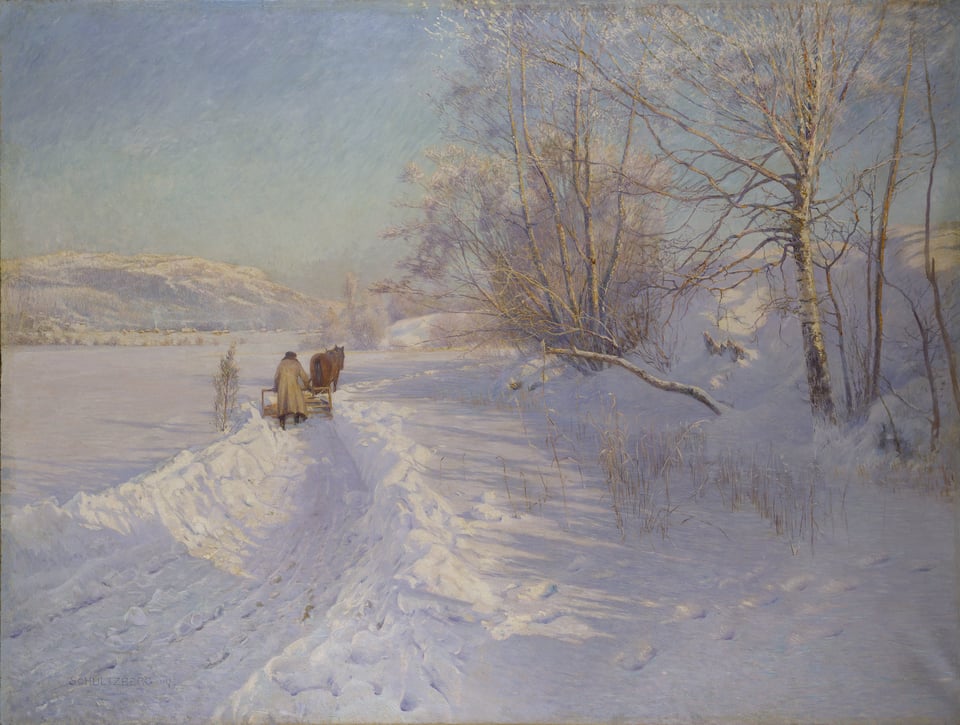
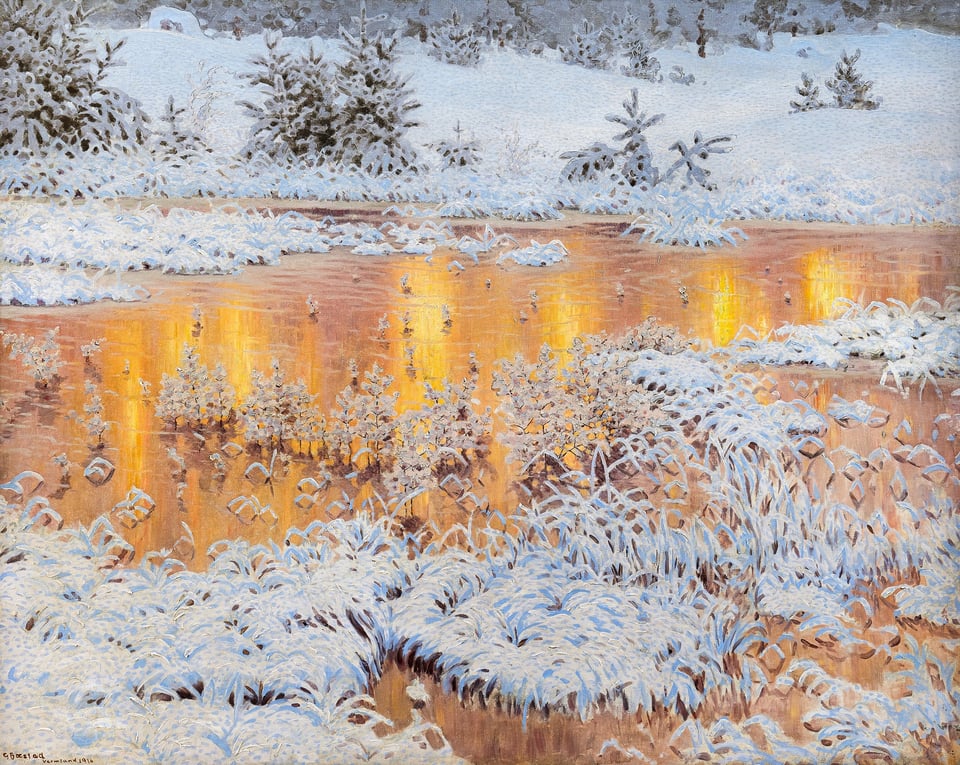
There’s a well-known European saying that captures the region’s approach to the weather: “There is no such thing as bad weather, only bad clothing.” In Svenska it goes: “Det finns inget dåligt väder, bara dåliga kläder.” It’s a bit of a cliche too, but it gains renewed importance given winter is pretty long and harsh in Sweden, and with it comes endless darkness, rain, snow and sleet, often all packed into a single day. While mys is warmth and varied lamps indoors, it is also outdoor gears, lit up driveways, long nature walks, ice skating on frozen lakes. As if to say, however difficult the weather seems, the raw grip of nature might offer something transcendent.
I’ve come to expand this definition to mys to also include my outdoor adventures. Be it city walks, runs by the seaside or walks through nature reserves, I feel that it’s during winters that am able to experience the real Sweden. The winter lights, perpetual rain or snow casts a harmonious synthesis between landscape and architecture, nature and culture, creating a world which better suits my aesthetic sensibilities and allows me continue to absorb the place around me a little better.
Thank you for reading! Explore through my archives of 260+ essays and growing!


Add a comment: