Business & commerce deserve more space in contemporary fiction
On the need to move beyond cynicism and write more of dry ambition into our novels
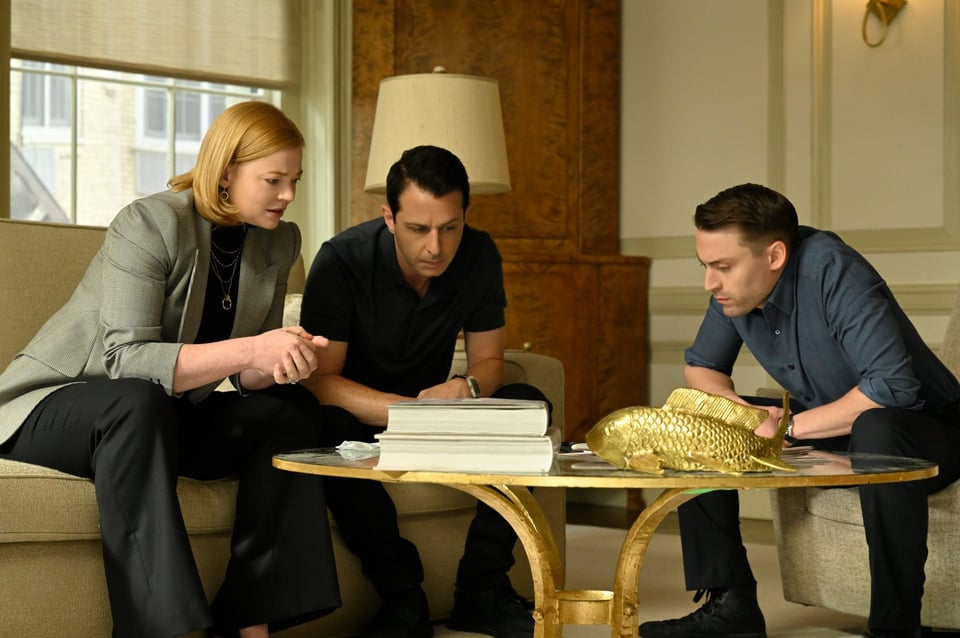
I was skeptical at first about a novel centered on two posh Oxford men, but Alexander Starritt’s Drayton & Mackenzie turned out to be a book I’ll treasure for years. It follows Roland and James as they navigate the financial tumult of the twenty-first century, ultimately finding purpose and meaning through work that alters the course of the world for the better.
Notably, Drayton & Mackenzie was the sole work of fiction on the longlist for the 2025 FT and Schroders Business Book of the Year, a feat unaccomplished by any other novel in the last 15 years. Out of thousands of fiction titles published each year, it is striking that none other captured the attention of a business book selection committee. Add to that its billing as a Best Book of the Year for 2025 by The Times, Sunday Times, GQ, and Bloomberg.
In an interview with the Financial Times’ Andrew Hill, Starritt expressed concern over literary fiction’s traditional disdain for business, saying: "It is just life." In the novel, he brings that philosophy to life through the contrasting profiles of his protagonists: James, as insufferably dry as he is brilliant, and Roland, as outgoing and energetic as he is searching for purpose. Through them, Starritt shows how ambition, good intentions, and, most importantly, work shape the trajectories of two bright-eyed Oxford graduates.
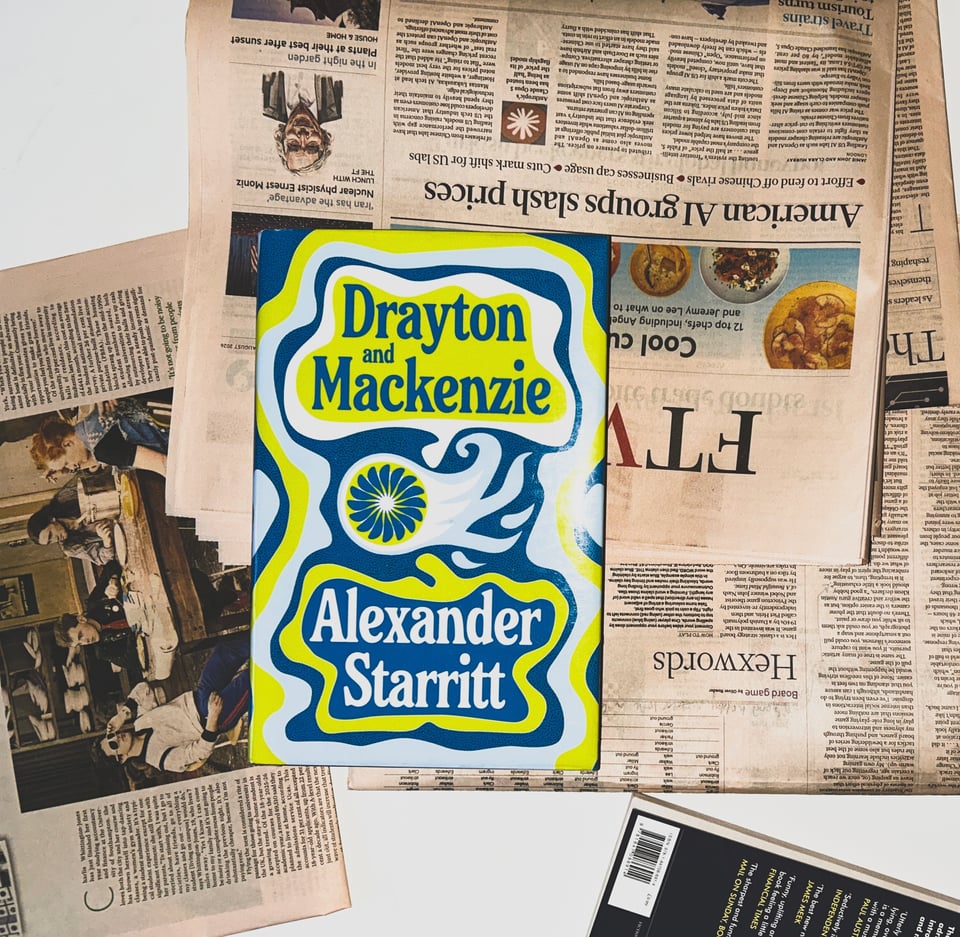
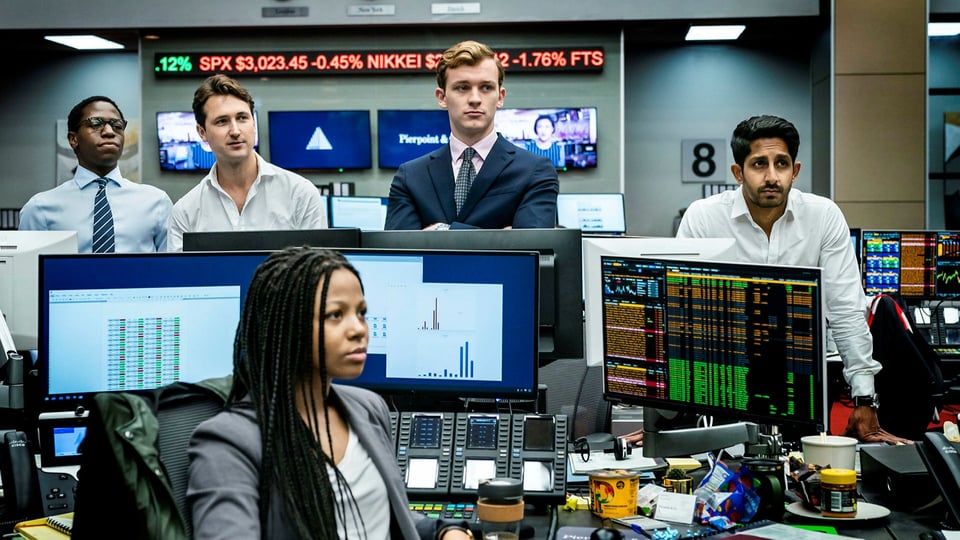
It is not as if the world of business has been entirely absent from popular culture. HBO’s Succession (2018–2023) famously captivated audiences with its Shakespearean framing of super-rich media mogul Logan Roy. Coming from a media background, I especially relished the authentic behind-the-scenes details about media magnates and corporate dynasties. Similarly, Industry, the HBO series created by ex-finance bros Mickey Down and Konrad Kay, went deep into the high-pressure world of young London bankers and traders.
When I first watched Industry, I understood very little of the technical finance jargon or trading-floor mechanics. What hooked me instead were the lives and impulses of the traders themselves: flawed, ambitious, scared, and unapologetic. The trading floor was merely the stage on which their human dramas played out. The raw emotions, fragile egos, and constant calculations pulled me in so deeply that I ended up rewatching the first three seasons three times over. Down and Kay were delivering a simple truth: finance bros are human, too.

In Drayton & Mackenzie (spanning a measly 502 pages), Starritt crafts a dazzling bildungsroman about the role work and ambition play in the lives of high-achievers. In much of contemporary popular culture, this kind of ambition is routinely disparaged, and earnest sincerity is mocked. But Starritt sees it for what it truly is: a sincere dedication to hard work and a search for meaning and purpose.
Back in the nineties, “Work is worship” was a sticker on my mum’s office desk. Part of me never really understood that dictum until I started working in the renewable energy sector. In this challenging, dynamic domain, I discovered vast reserves of dedication and drive I never knew I had. Seeing that same relentless energy reflected in the glamorous yet cutthroat universes of Industry and Succession felt like a reckoning. Reading about it in Drayton & Mackenzie was even better. It proved that drive could be potent enough to move the world. Witnessing an ambitious, world-changing green energy business come alive in the pages of a literary novel felt like a silent pat on the back, especially amid the gloom of 2026.
This appreciation for business literature is something I owe to my husband, who introduced the Financial Times into our household back in 2018. Through him, I discovered the FT Business Book of the Year award, whose longlists and backlists have gifted me many favorites (not least Darran Anderson’s Imaginary Cities (2015), an author I was thrilled to interview for this newsletter in 2024).
Back to Drayton & Mackenzie. Starritt posits a grounded argument: capitalism, AI, finance, and technology are simply facts of modern human life, and we must learn to understand and navigate them rather than dismiss them.
For over a decade now popculture has been decrying the supposed death of capitalism, lazily labeling every personal or political catastrophe as a symptom of “late-stage capitalism”. But Starritt reminds us that the people working within these systems are humans. As grand as their ambitions may be, when their intentions are sound, their drive can build businesses that actually solve existential human problems and improve our collective lives.
In the novel, James Drayton is baffled when his dates react negatively to his career as a management consultant, wondering if it stems from:
a “very old-fashioned snobbish disdain for what used to be called trade… but where do they think aeroplanes come from? Or penicillin? Or the internet? This stuff doesn’t just appear. And unless you live in the countryside, it’s businesses that create the material reality we live in.”
Trade, commerce, business might have fallen out of fashion in popular eye, but there’s dire need for more of these very things in the pages of fiction for us to understand them better. Now that we’ve moved on from self-realisation to self-actualisation, from SEZs to ULEZs, it seems that there’s little to no room for dialog about Capitalism, the very chassis on which modern world was built.
Elsewhere, Starritt makes the argument about how commerce and culture are often at loggerheads with one another. Over the last few years, sharing subscriptions with my husband — combining my news dailies, literary journals, and magazines with his business papers and weekend periodicals — has shifted my perspective. Paradoxically, I've found that the business pages offer a sharper pulse on global socioeconomic well-being than general news does. To truly understand the health of a country, you often need to read its financial papers rather than just the front-page politics.
This mirrors the argument Starritt makes in his novel:
"I believe that to explain the lives of people living in this moment, to look at the historical forces that are shaping all of us, you have to look at business and technology."
Another aspect I loved about Drayton & Mackenzie is its seamless melding of fact and fiction. Just a few pages in, real figures from the 2008 financial crisis come alive on the page. Further on, we come face-to-face with former European Central Bank chief Mario Draghi, followed by the emergence of Peter Thiel, culminating in a brief encounter between the protagonist, James, and Elon Musk near the end. As Starritt notes in his essay, we often forget “The richest man of our era got involved in his breakout company to save the world from climate change.” When the definitive books on decarbonization are written decades from now, Musk’s name will undoubtedly be front and center.
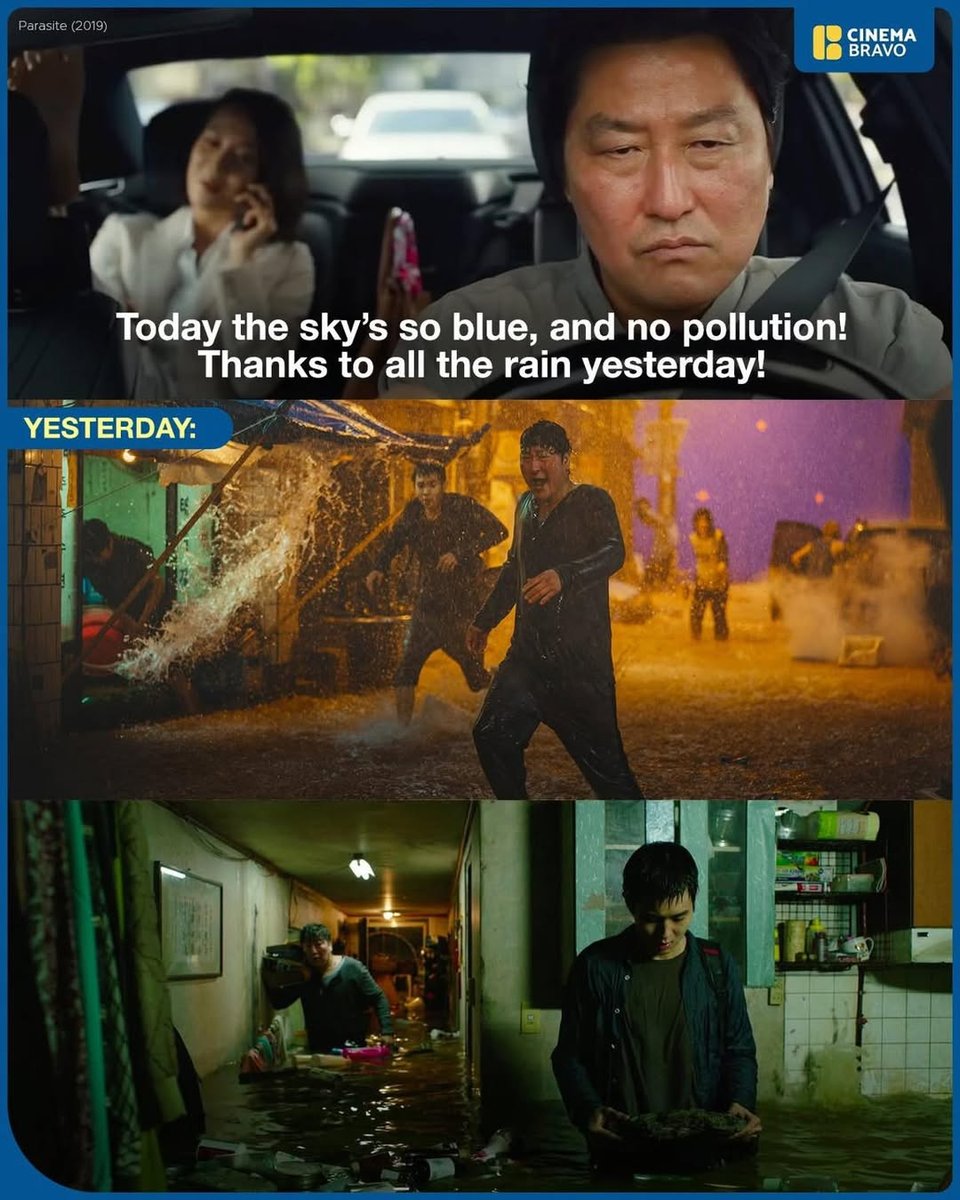
Bong Joon-ho’s 2020 Oscar-winning masterpiece, Parasite, could not have been made without the financial backing of business powerhouses — a reality embodied by Miky Lee, the vice-chair of CJ ENM and granddaughter of Samsung’s founder. When she took the podium to accept the Oscar for Best Picture, she represented precisely the intersection of commerce, culture, and capital that should better define our modern era. Just as Drayton & Mackenzie illustrates how real-world finance drives our historical narrative, the global triumph of Korean cinema reminds us that behind every great cultural milestone lies a sprawling corporate and economic architecture.
Ultimately, we need more art that bridges the gap between culture and commerce, offering a broader, more well-defined canvas for our modern anxieties, ambitions, and hesitations. Without engaging with the world of work, business, and capital, contemporary storytelling feels incomplete and lopsided. By welcoming these real-world forces into our reading lives, through HBO’s shows, novels like Drayton & Mackenzie, or cinematic powerhouses, we gain a much truer reflection of our present moment.


Add a comment: