002: Selkie Season
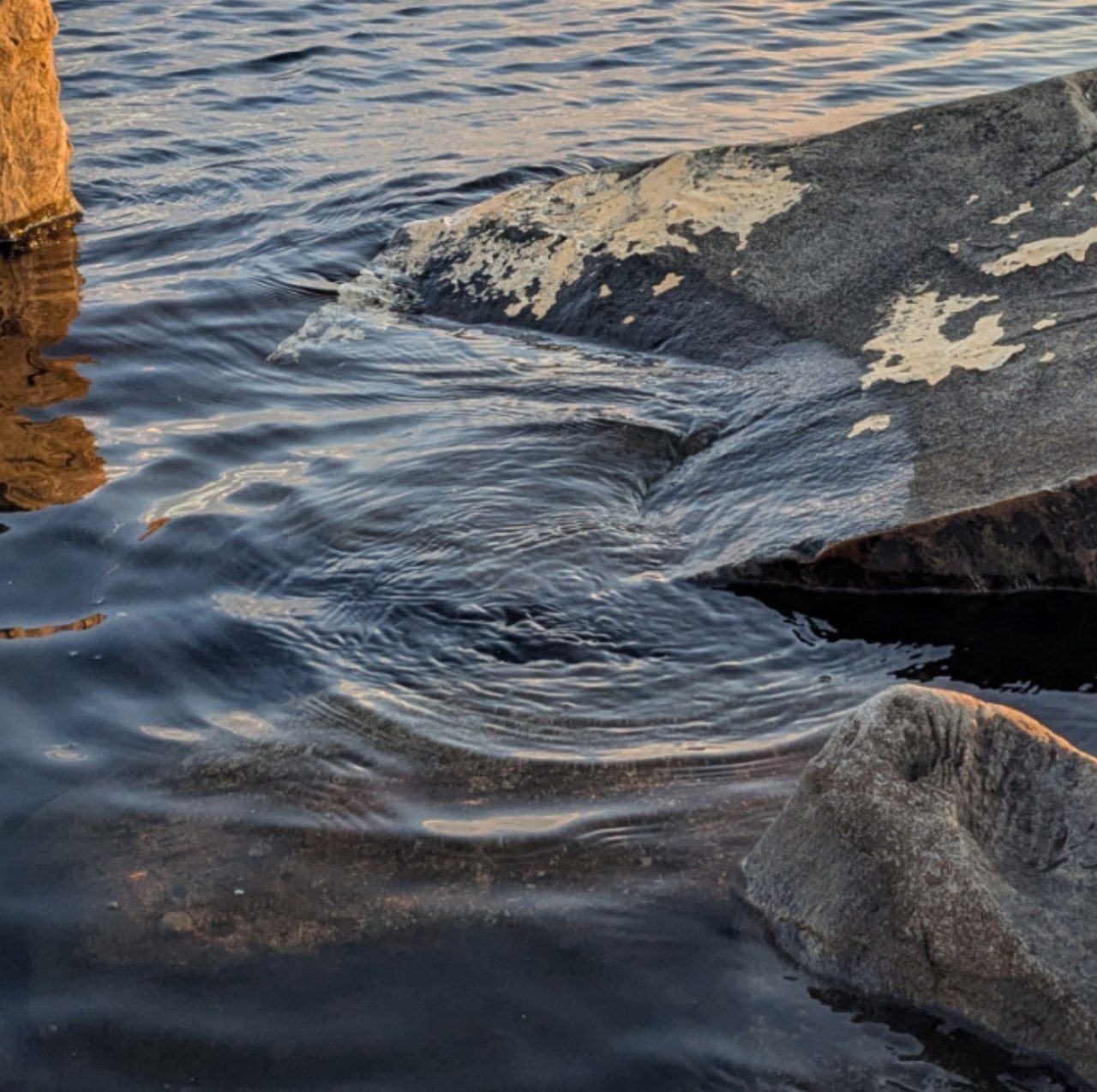
I live very close to cold ocean. When I open the windows of my rivermouth house on a windy day, the salt swims inside my home. Seaweed clings to the roadside rocks I walk past every day on my way to fetch the mail. When I walk down the side road past the community mailboxes, sometimes I see seals swimming around the nearest islands.
I can’t remember when I first became aware of the selkie, a creature of cold ocean sometimes seen wearing the shape of a seal and sometimes a human form. Maybe when I read Franny Billingsley’s novel The Folk Keeper, which unnerved me so strongly as a child that I have never managed in the decades since to dislodge its half-remembered shadow from my feelings around cellars and seals. Maybe when I encountered “The Great Silkie of Sule Skerry” in some old songbook on my mother’s bookshelves. Maybe in one of the yellowed old collections of Scottish folk and fairy tales I loved to borrow from the public library we went to every week. However I learned about this particular old story, I can’t remember a time when I could see a seal without wondering if they might sometimes wear another shape.
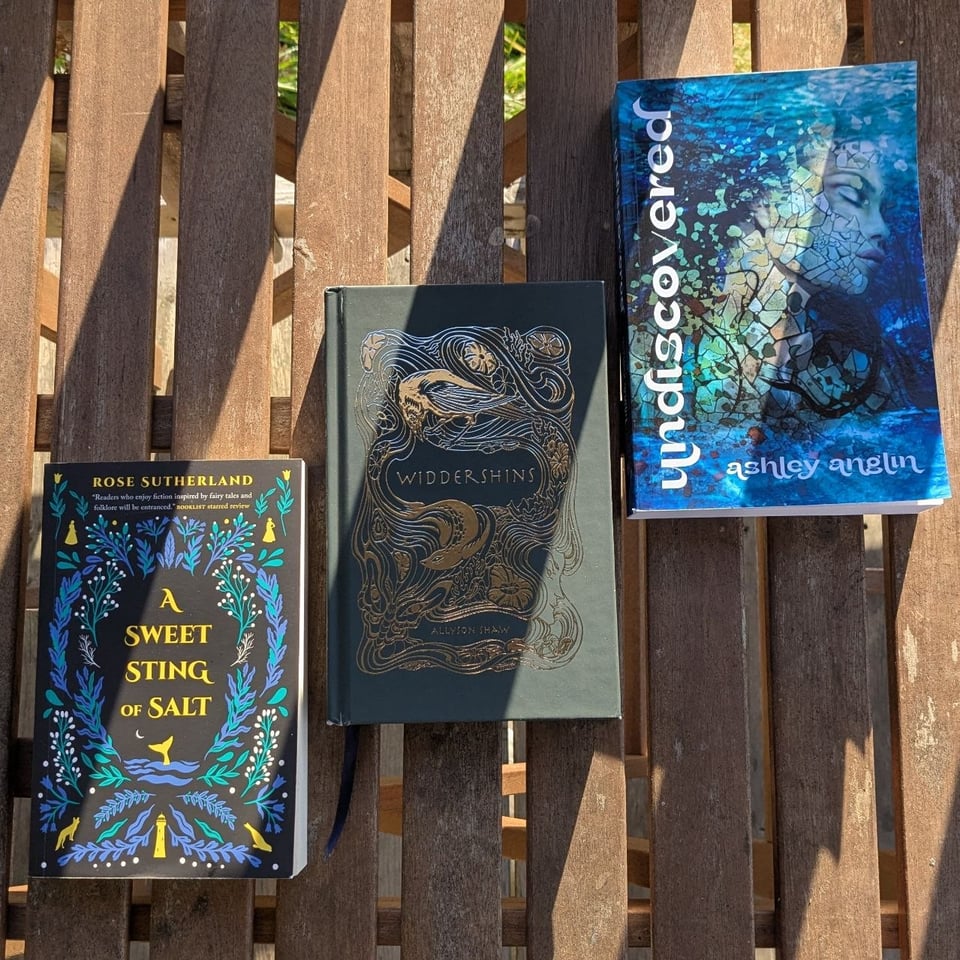
The other day I finished reading Rose Sutherland’s novel A Sweet Sting of Salt, a lovely queer fantasy novel centring a romance between two women who live not far from where I live, around a century before me. One of the women is a midwife. One of the women is something else.
Early this year, I chain-smoked cold after flu after [insert dire virus here] and was largely unable to leave my bed for most of the winter months. Most of my bearable memories from those months are of Inkle’s gorgeous adventure game A Highland Song, which allows players to run around the landscape of the Scottish Highlands and uncover scraps of stories and secrets in time to a beautiful score of music by folk bands from Scotland. I could write a whole newsletter about this game. Maybe I will. What I want to say about it for now is that there is a point at which a lighthouse keeper shows the player-character a seal in the water and says that she will not come to see them on land because she is afraid he might keep her.
I thought a great deal about that lighthouse keeper, and that seal, while I read Rose Sutherland’s book. A Sweet Sting of Salt is a lovely story, but not without teeth. I have read many versions of these stories that romanticize the idea of a human man stealing a selkie woman’s seal skin to keep her human to be his wife. Sutherland’s version of the selkie story shows such a theft as an act of violence and violation. The romance in this book comes from a very different definition of love, one that offers freedom rather than captivity, one that does not require any sacrifice of self.
A few years ago I wrote a story called “Sister, Silkie, Siren, Shark,” which I was lucky enough to have published in Strange Horizons. (You can, if you like selkie stories or Strange Horizons or me, still read it for free on their website.) The bones of this story emerged one morning when I woke from a nightmare about forced pregnancy, something I have been fortunate to never endure but fear greatly as many people capable of pregnancy tend to do. It’s another story about the violence of stealing a selkie’s skin, and a story about institutionalized violence endured by generations of women. There’s no romance in this story, and no love beyond the bond between sisters who dare to step outside the boundaries of their imprisoning life. At the time, I wasn’t able to imagine a selkie story containing true romance. I marvel at the way that A Sweet Sting of Salt finds its way past violence and violation—and even that horror of forced pregnancy—to free the selkie from her captor and offer her a love that is true.
Right before A Sweet Sting of Salt, I read Allyson Shaw’s novel Widdershins, which is itself a shapeshifting thing of wondrous strangeness. I don’t know how to talk about this book, in all honesty. It is made of everything I adore—northern islands, the witchiest of shapeshifters imaginable, temporal strangeness, Gaelic words and fragments of Scottish legend, diaries and letters, women in and of the Viking age, cats and herbal teas and furious girls with blue hair and strange women who live all alone and sailboats and apocalyptic survival gardens and a Faerie Rade that flies through the sky very much like the Wild Hunt from another childhood book that haunts me, Alan Garner’s The Moon of Gomrath—and I cannot begin to summarize its plot because I do not want to reduce anything about this inside-out kaleidoscope of a story even if I could. It returns over and over to cold ocean, smelling of salt like the air swimming in through my open windows from the rivermouth on a restless day. Kára lives for a thousand years as a seal and a seer and a girl and a woman and a witch and a moth and a man and a crow and her own self, over and over, no matter what else she becomes. This has to be one of the most ambitious novels I’ve ever come across. Shaw shows herself to be a witch in truth by stitching all of these endlessly reflecting and shattering and refracting pieces together into an astonishingly complex narrative tapestry that somehow, magically, never falls apart.
I thought about Widdershins while I was reading A Sweet Sting of Salt because here, too, a selkie’s skin is stolen by humans made sick with wanting. Kára is quite a different creature from Sutherland’s Muirin, but she too endures much at the hands of men—and women—who take and take without asking first what she is willing to give. It is a story I know well from nearly all of the selkie stories and songs I know. It is a story I know well from being alive in this world.
Last year I read another ambitious selkie novel that I haven’t been able to stop thinking about and can’t quite describe, one that I liked so much I read it again this fall after finishing Widdershins and A Sweet Sting of Salt (both of the latter also books I will surely return to). Ashley Anglin’s Undiscovered completely sidesteps genre as it explores what happens to the oceanic peoples of very old stories in a future shaped by anthropogenic climate change. This is another selkie story that finds romance not in the stealing of a skin and the keeping of its owner but rather in the discovery of shared possibilities and the freedom found in feeling at home in the water. This is a really delightful story despite its backdrop of disaster.
Really the only downside to binging selkie books is that now I desperately want to visit the Northern Isles, where both Widdershins and Undiscovered are mainly set and whence much of the extant selkie lore and song hails. (A longing not at all helped by having binged six seasons of Shetland while recently ill—what a landscape!) That kind of adventure not being in the cards just now, I’m doing my best to explore those landscapes from behind my harp as I learn to play Tiffany Schaefer’s lovely arrangement of Òran na Maighdinn Mhara (Song of the Sea-Maiden).