
Influencer culture in Education
Back in the 1990’s (I am old), it used to be that young people would have stories of wildly successful entrepreneurs they knew, people who had succeeded without education. They told these incredible tales of success without academics or even years of work, always to reassure themselves that success, joy, wealth was possible. And often, it was. Now it is the myth of the influencer that replaces that, and sadly it is mostly myth.
Uncle Bill who became a millionaire running a building firm or selling IT,or washing windows was real. Modern influencers are usually showing you a castle built upon sand. Fake, rented homes, rented cars, filters and half truths- all with any income shared with the social media app. Uncle Bill also was a human who likely knew his trade, unlike the influencers turned journalists or musicians,or creative director, who are woefully unprepared for roles they are given.
I fear that this influencer culture has a grip on too many adults in schools and everywhere. Everything seems to be about likes, being on a screen, being famous or getting brand deals. The adults are banning children from the internet and social media- all while demonstrating that they themselves are the ones who need to put down the phones.
This week, the U.K. Department of Education ( the department with the biggest social media spend) launched a campaign about Specialist provision, using the reality TV show personality, Gemma Collins. This campaign has been widely rejected by the public it was meant to connect with. The DFE reply: that the critics are snobs. Yet is it not patronising and aloof to run a campaign on specialist education using someone like Gemma? Gemma has never done advocacy, and boasted in the past of her lack of education. The entire show she came from is notorious for its participants who lack basic education and have even less interest in learning. Is this supposed to engage and inform and empower? Are we all supposed to see Reality TV as some kind of life goal? Is Gemma the best advocate and representative, role model person that they can find? I want better for my children and the children who I teach. That’s not snobbery, that is aspiration and integrity. Gemma’s most recent gig was a campaign for the creative platform Canva, which was also a bewildering choice. However, Canva are a private company and my tax money does not support their choice of marketing campaign.
Then videos are linked here, you can make your own evaluation:
Chat show discussion of Gemma and Bridget Phillipson post
Clip of first DfE post using Gemma
I find it odd that the desire to get likes or shares, or collaborating with people just due to follower count, is overridng common sense. I see this too often in life where people are chosen for talks, paid opportunities etc due to their social media follower count. It makes no sense to me. There are so many excellent disability and learning difficulty advocates out there, any one of them could and should have been used.
You have to choose people who are credible to your target audience, not just people who you see on TikTok or The Only Way is Essex/Love Island or Real Houswives.
Even people with power, money and influence still seem obsessed with social media “clout”.
A well known example of this - that you might not have thought about- is the account of Prince and Princess of Wales, who seem to covet the life of influencers more than the public service they are paid for. Take this recent wedding anniversary picture below. It screams “family blogger on vacation” more than “official portrait released and part of historical record forever”. (It also looks like William and George were in a separate photo and added in. You be the judge of the lighting differences and odd poses…)
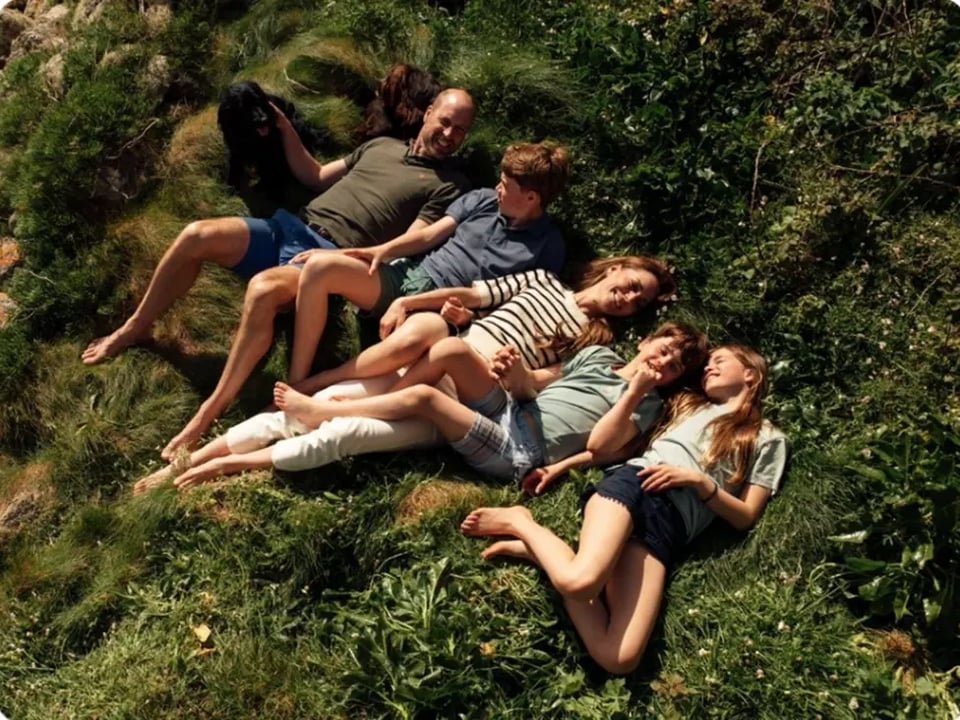
Influencer style use of dubious photoshop and filters aside, I invite you to consider WHY this kind of photo exists. Why they are making little instagram slow motion reels, the kind of thing that anyone under 35 considers “cringe” ( or so I hear). Who is their audience for this? What is the outcome of this kind of work? Who is the audience? Or is it just done for themselves? I think a lot of education social media is done for the individual educator ego, and not for tangible or valid outcomes.
I ask these questions of schools regularly. Because there seems to be a growing desire to claw back “community” feeling, and they are being persuaded that Meta or TikTok can do that for them. Spoiler Alert: it will not.
I have written about this before, but schools have damaged their communities by, for example: using too many damn apps, pushing people onto Facebook where they find splinter groups, and by not consulting communications experts about how to word letters home. The average letter home from school is aggressive, patronising or authoritarian. Very few schools do this well. Not because they are full of evil people. But because pressure from above, at government level, forces a certain tone, a stress to the communications. Using Instagram and making some TikTok videos won’t solve that. Listening to communities,and being real will. The DfE Gemma Collins campaign proves the harm of not listening.
Influencers, rather like schools, are also now finding that they get pushback, less engagement and struggle more than they may have done in the sunlit uplands of 2017. Both parties face the same issues: a world of economic and social unease. People still need joy and distraction. But they aren’t impressed by vacuous shows of consumerism or lives that they will never afford. Schools have to understand this too. Communities are struggling to buy expensive school uniform, pay for school trips and afford lunch. The phone ban is a great example of this too- many families buy a phone over a laptop. We learned this in 2020 with remote learning. Banning phones not only won’t work, but is reflective of policy made by people whose children don’t have to tap to pay on the bus, or pick up groceries on the way home, and an assumption that every child has multiple computers at home.
And even as we ban children from social media, we continue to post them online.A few weeks ago I was asked for “photo consent” for a school event that my child was attending. This form detailed how one (1) consent opt in signature would permit them to post my child’s image,voice and work on multiple social media apps. There was even a special clause disclaiming responsibility for what happens to images etc once they are posted:
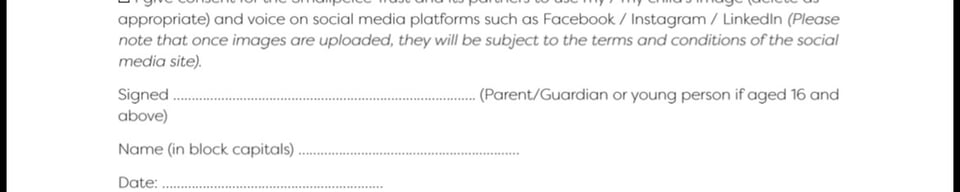
All of this feels so wrong. Why does my child need to be posted online. And to a selection of apps that she can’t sign up for or might not use. What happened to us that we have to post EVERYTHING online? I understand PR and the desire for images, but those can be discreet, posted on a website that belongs to a company, and done without faces or names or voices of children.
So I write all this to say.. we have to think about WHY adults want to share so much online, and value those who do. Why they obsess over influencers and likes and shares, when real life exists outside of that fake bubble? And when we are advocating for, or working with children, we should be very mindful of what our actions say we value. Perhaps it is time to put down the phone, forget about likes and shares, and go outside into the sunshine. This weekend is a particularly great time to do so.
Your true impact in life is not made online, only maybe partly facilitated by it. Because what matters is real human hearts, not little heart icons on an app. People in education should know that more than anyone else.