Rioting in the West Bank
Dear Friends,
According to the Israeli military, I was rioting in the West Bank.
It was during my first trip to Palestine/Israel in 2018, on a tour with Combatants for Peace, an organization of Palestinians and Jewish Israelis who work together using nonviolent resistance to build a future of peace and freedom for all. We were a group of 25 North Americans and Europeans with varying political views, on a trip called ‘A Reason for Hope: A Tour of Israel and Palestine’.
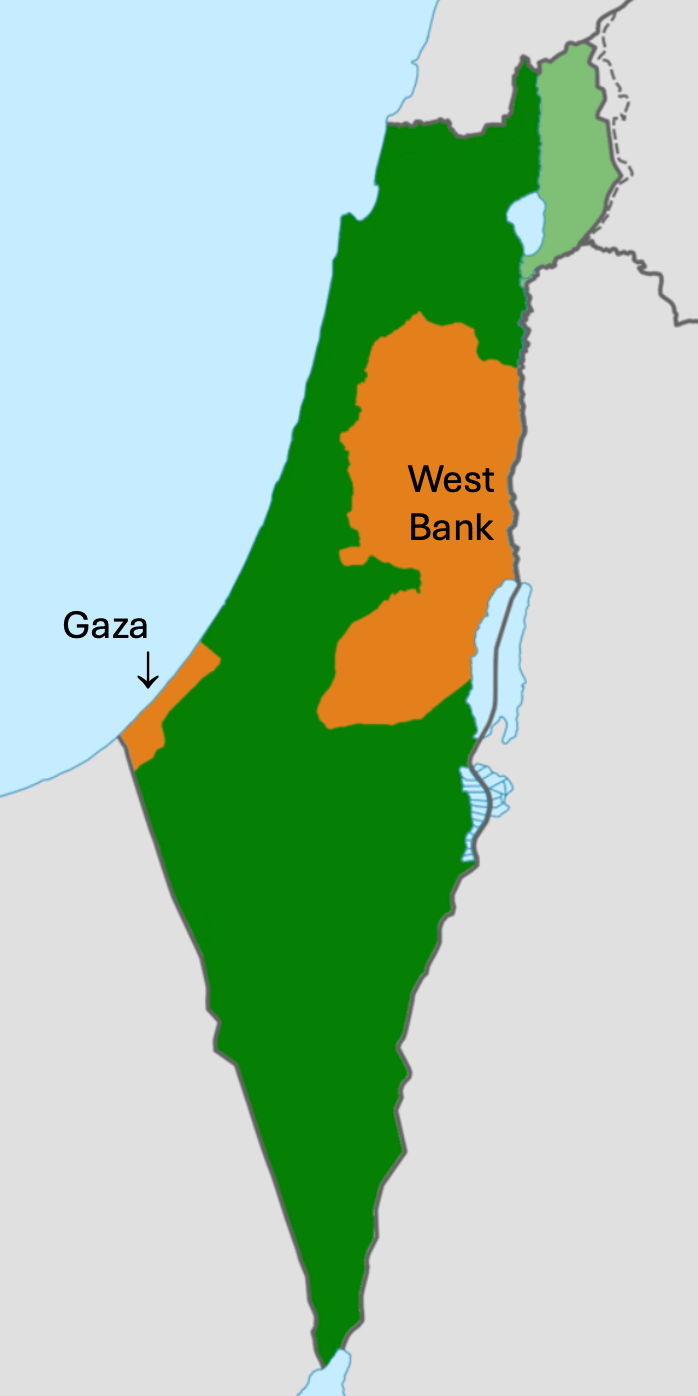
Our tour was led by the Jewish-American executive director of American Friends of Combatants for Peace, and two amazing guides, one Palestinian and one Israeli. We traveled to cities and villages including Tel Aviv, Sderot, Jerusalem, Ramallah, Susiya, Bethlehem, Khan Al-Ahmar, and more. Throughout the trip, each guide shared their own perspectives along with the narratives of their people. (Even in 2018, we could not visit Gaza, as Israel has been preventing entry and exit of most Palestinians and non-Palestinians alike to and from Gaza since 2007.)
Among its other activities, Combatants for Peace supports Palestinian communities in the West Bank through practical actions. On the last day of our trip, our group joined these activists, along with another tour group from a synagogue in New York, to help build a playground in a Palestinian village in the West Bank. The land had been donated by its owner, a local Palestinian man.
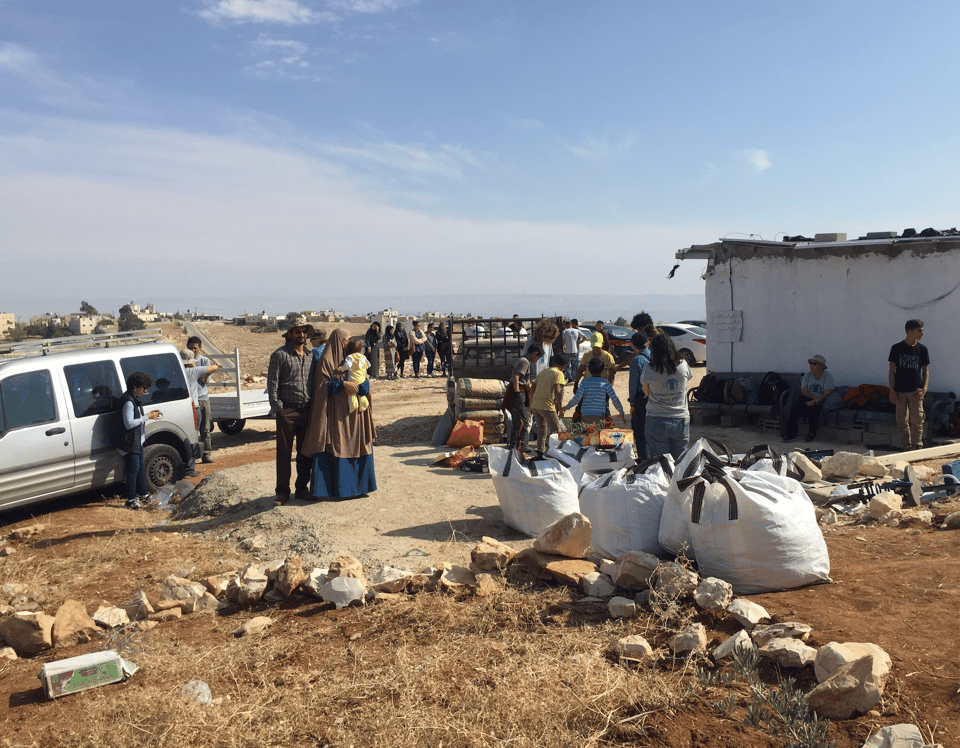
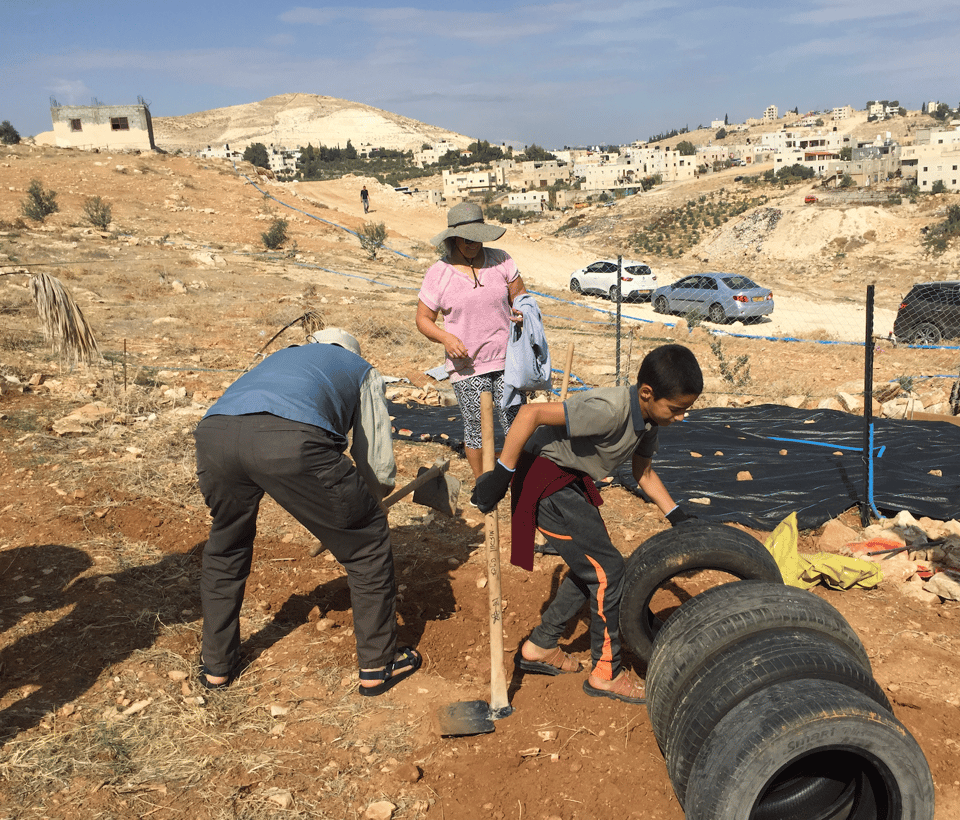
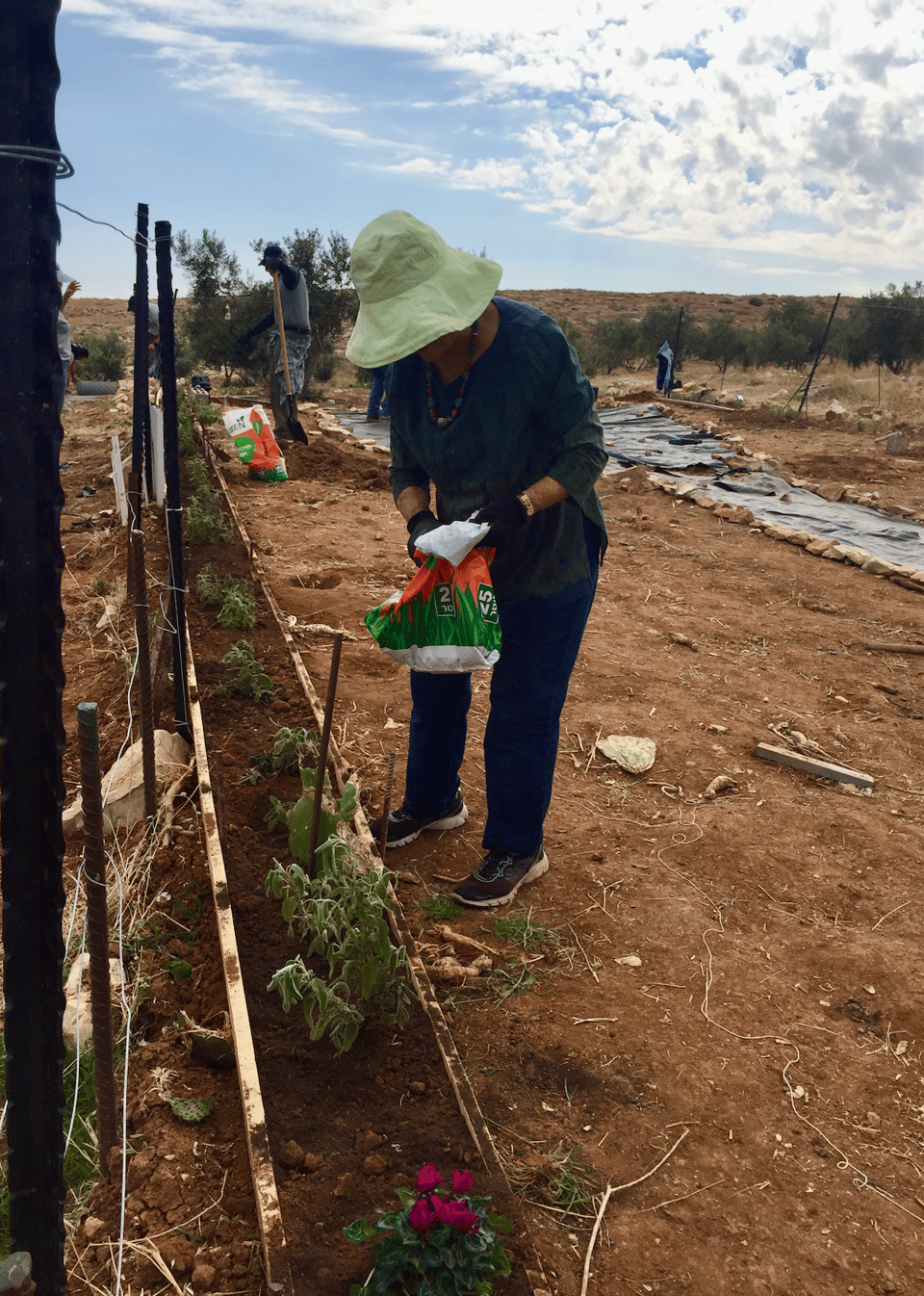
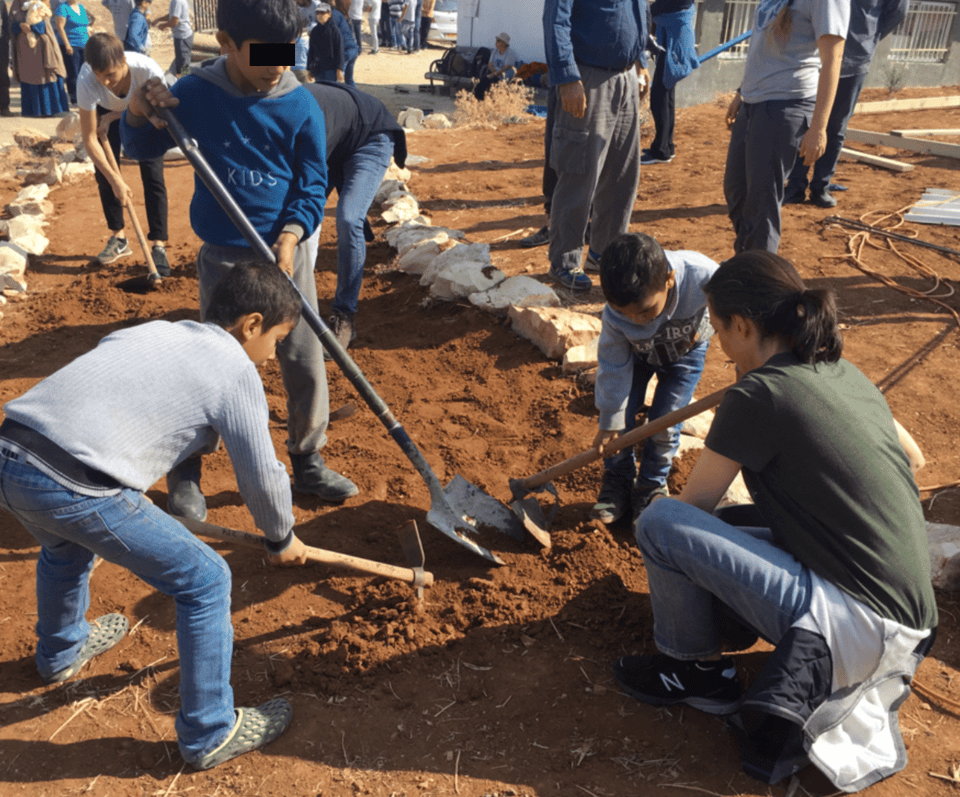
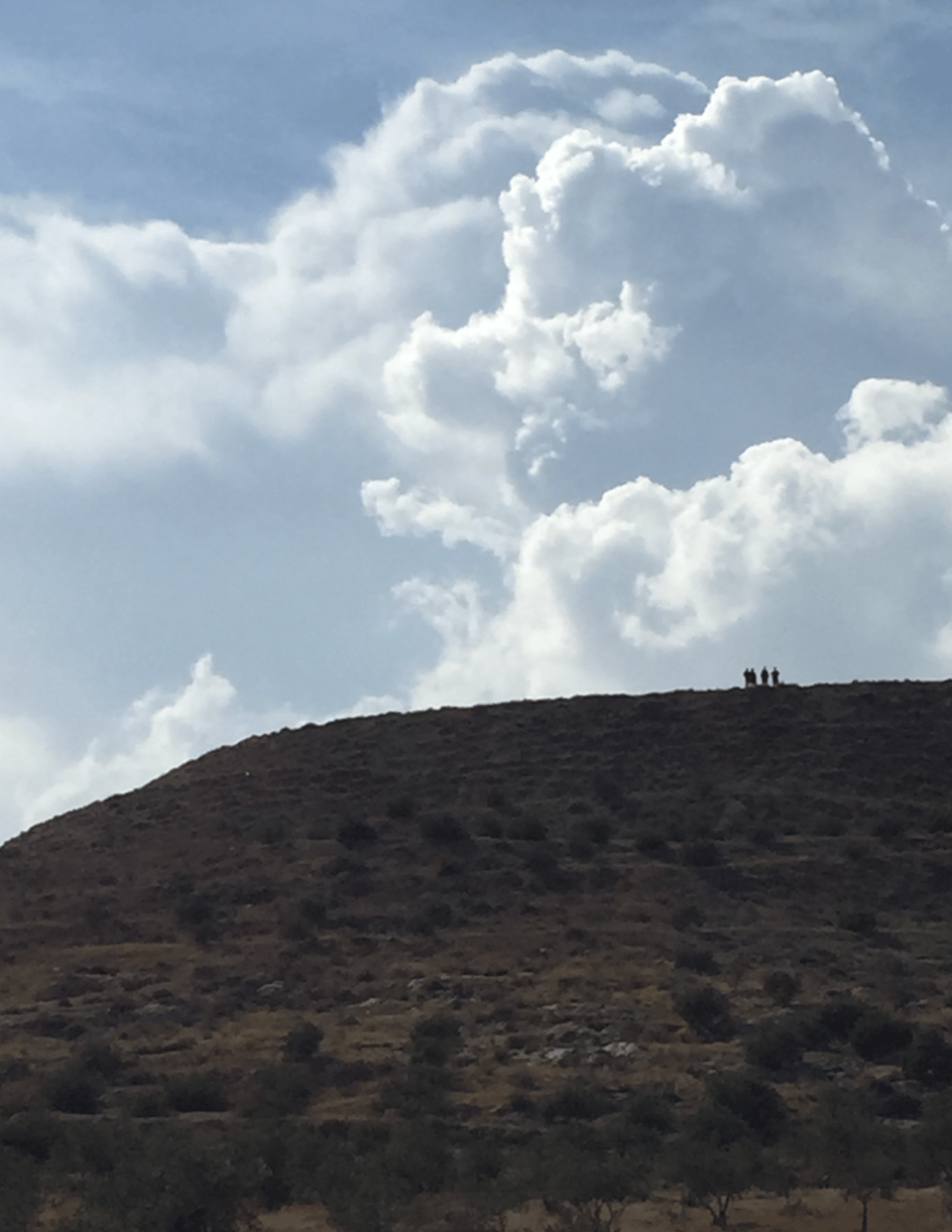
While we worked, we were under the eyes of Israeli settlers, who stood at the top of a nearby hill. It was rather disconcerting.
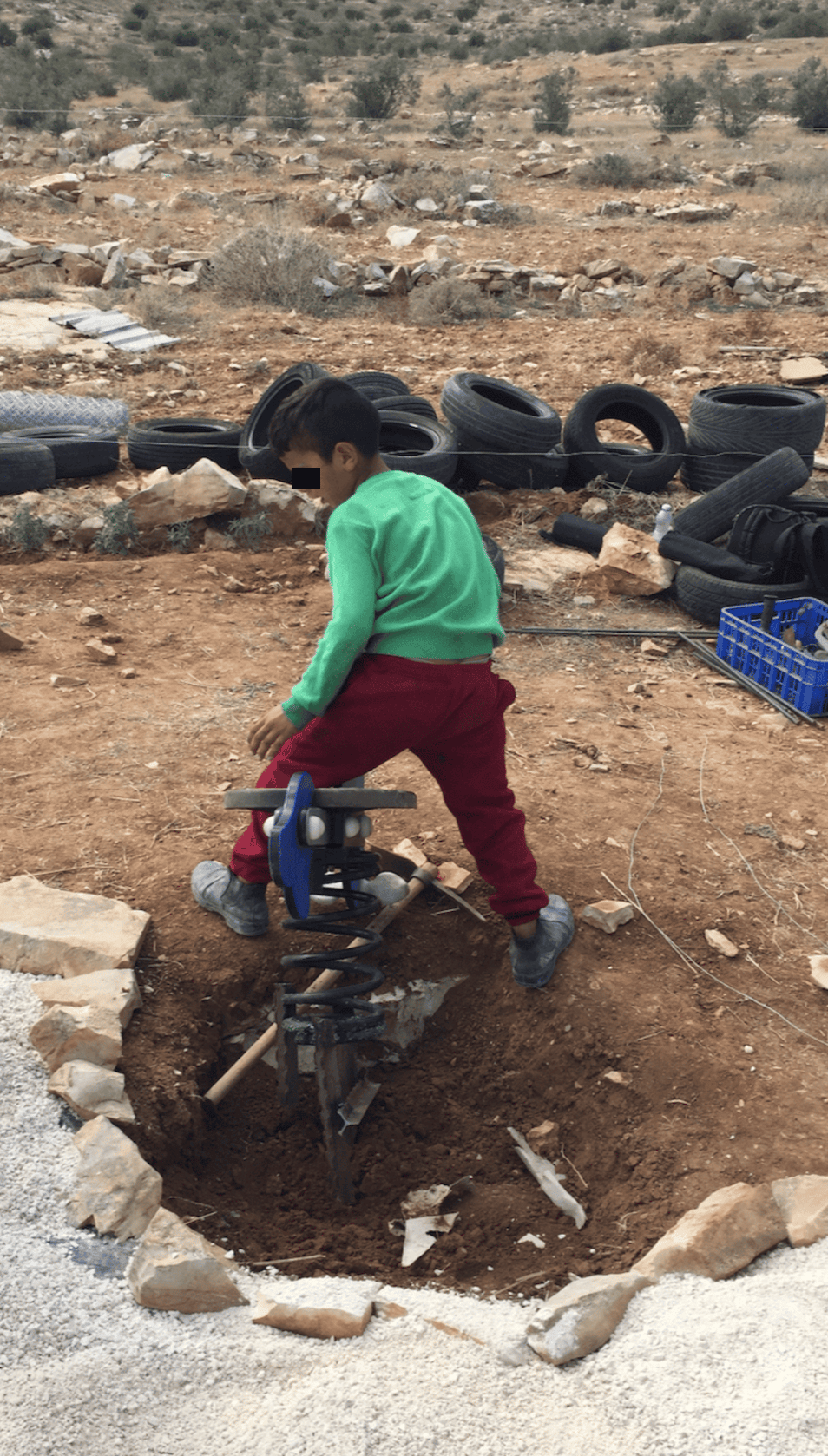
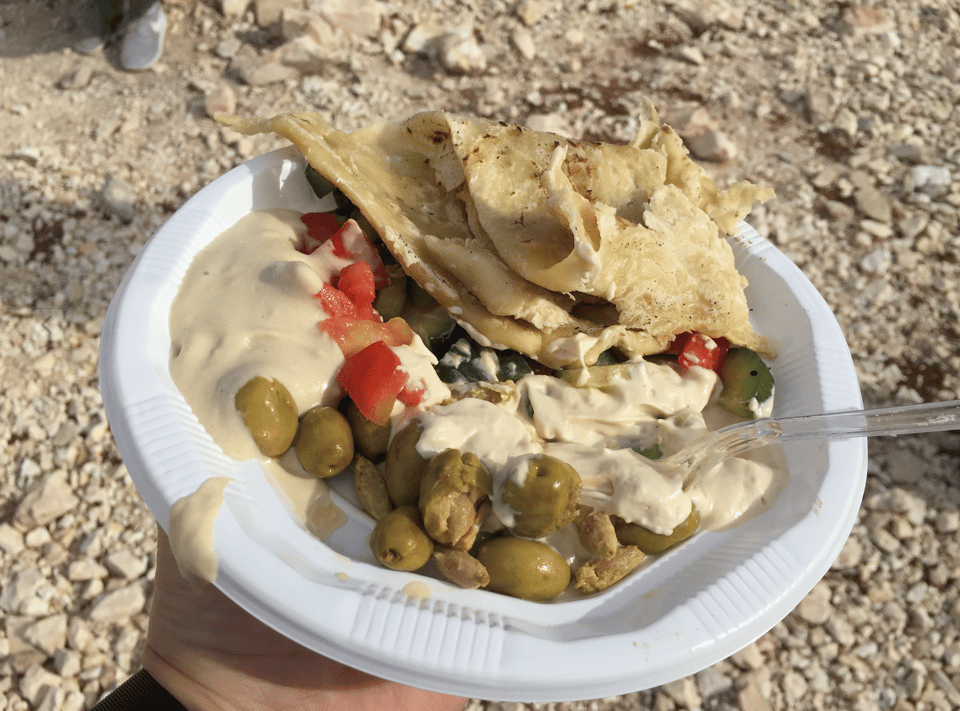
When our work was finished, the volunteers and the people of the village enjoyed a wonderful lunch together. It had been a beautiful day, a positive and uplifting end to our trip. We boarded our bus to return to our hotel.
After just a few minutes, we were stopped and detained by Israeli soldiers.
Relatedly, New York Congressional candidate Brad Lander and others, including volunteers from Combatants for Peace, were similarly detained in the West Bank this week (October 2026) - for harvesting olives. Behind these headlines are Palestinian families whose lives depend on being able to access and cultivate their own land.
Although the land for the playground was Palestinian-owned property, the soldiers informed us that the Israeli government had not issued a building permit.
Why would a Palestinian in the West Bank need a building permit from Israel on his own private land? Because more than 60% of the West Bank is under full Israeli control, in what is called Area C. (Here’s a very good Instagram video for anyone who wants to know more about Areas A, B, and C. And for those who prefer text and maps, this is a page from Anera.)
Palestinians are required to obtain Israeli permission for construction in Area C. But building permits, which are costly, are almost impossible for Palestinians to obtain: only 66 permits were issued to Palestinians in the West Bank between 2009 and 2020, representing approximately two percent of all requests submitted. At the same time, 22,000 permits were issued to illegal Israeli settlers in the West Bank.
After our bus was stopped, two young Israeli soldiers with machine guns climbed aboard and began photographing each person’s passport. Our guide contacted a lawyer who advised that the soldiers could look at our passports, but they could not take pictures. The process was halted, and the soldiers called their commanders.
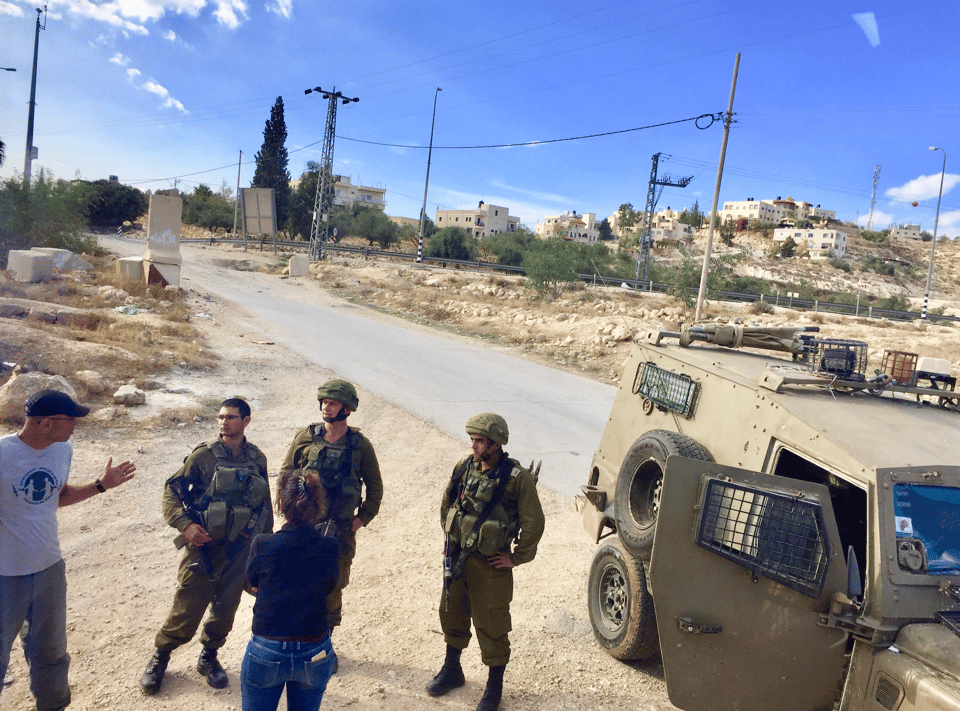
We were held for two hours. This was a small sample of the daily life of any Palestinian, who cannot predict how long it will take to go from one place to another in the West Bank.
I was acutely aware of the protection afforded by my US passport. I wasn’t worried because I didn’t think Israeli soldiers would harm a group of Western visitors. Still, one of the American tourists was terrified that she would lose her job if her bosses learned that Israel had concerns about her behavior. We hadn’t done anything but plant flowers and help place some toys into the ground, on private Palestinian property. But that didn’t seem to matter.
While we sat, not knowing how long we’d be there or what would come next, we thought about Palestinians who are similarly detained without cause. And how different their treatment is from ours.
At the same time, another group of Israeli soldiers was demolishing the playground. They pulled up the riding toys and the flowers - illegal construction, they claimed. In response, some of the boys who’d helped build the playground threw stones at the soldiers. Volunteers from Combatants for Peace ran to the children and told them to stop, but the soldiers fired tear gas at them all. The soldiers confiscated the remaining materials and equipment, and drove away.
The story appeared in the English-language Israeli newspaper, Haaretz.
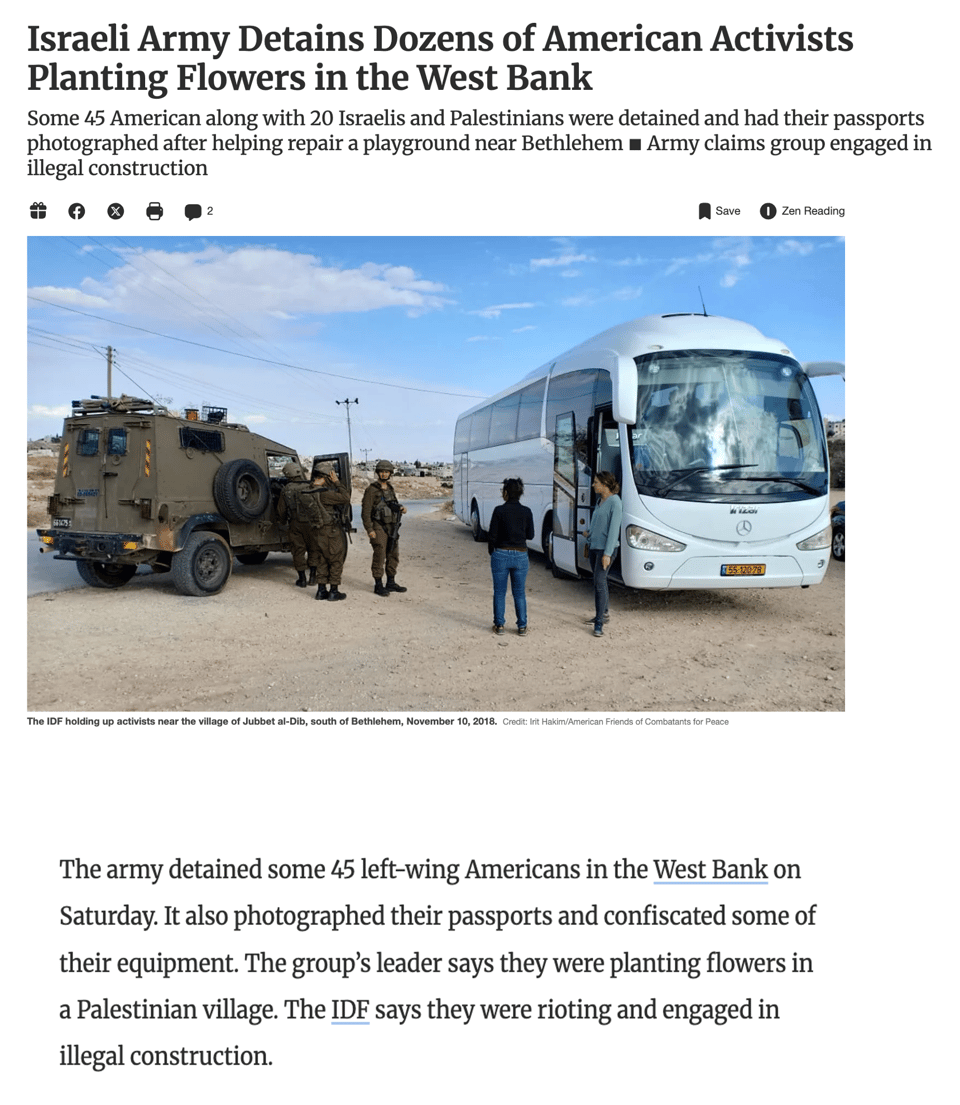
The Israeli military claimed that our group had been rioting. I think about that when I read claims that begin, “According to the IDF” or “According to the Israeli government”.
Salaam,
Nancy
If this message was forwarded or if you reached it from a link, you can subscribe to receive future Postcards directly.
Subscribe now