
From Orbital Data Farms to Hypersonic Prints: This Week's Frontier 🛰️⚡
This week, we are tracking some truly ambitious moves in space, from proposals for 100,000 orbital data centers to the critical shift in launch vehicle reliance as the venerable Atlas V nears its retirement. It is a lot to process. Sometimes, it feels like debugging a non-converging CFD run is easier than keeping up with the sheer velocity of current space-tech developments. We also dive into how additive manufacturing is rapidly becoming a reality for hypersonic engines, a significant leap in capability. But let us be honest, even with all these advances, we still face the perennial joy of managing scope creep on complex projects or getting those simulation runs to finally converge. 🚀🛰️
Orbital files plans for 100,000 orbital data centers
Source: SpaceNews
Five-month-old startup Orbital has requested FCC permission to deploy up to 100,000 data center satellites, aiming to provide 10 gigawatts of computing power from space for rising AI demand.
Why it matters: Plans for 100,000 orbital data centers propose a massive space infrastructure expansion. This could redefine global computing and satellite network demands.
Atlas V Launches More Amazon Leos with Only Six Starliner Flights Left on the Books
Source: SpacePolicyOnline
United Launch Alliance launched another batch of Amazon Leo satellites into orbit. This was the last launch of the Atlas V, except for six rockets under contract to Boeing for Starliner missions.
Why it matters: The Atlas V nears retirement, signaling a shift in launch vehicle reliance. This impacts future national security and commercial space access.
3D-Printing Engines To Power Hypersonic Weapons Is Fast Becoming A Reality
Source: The War Zone
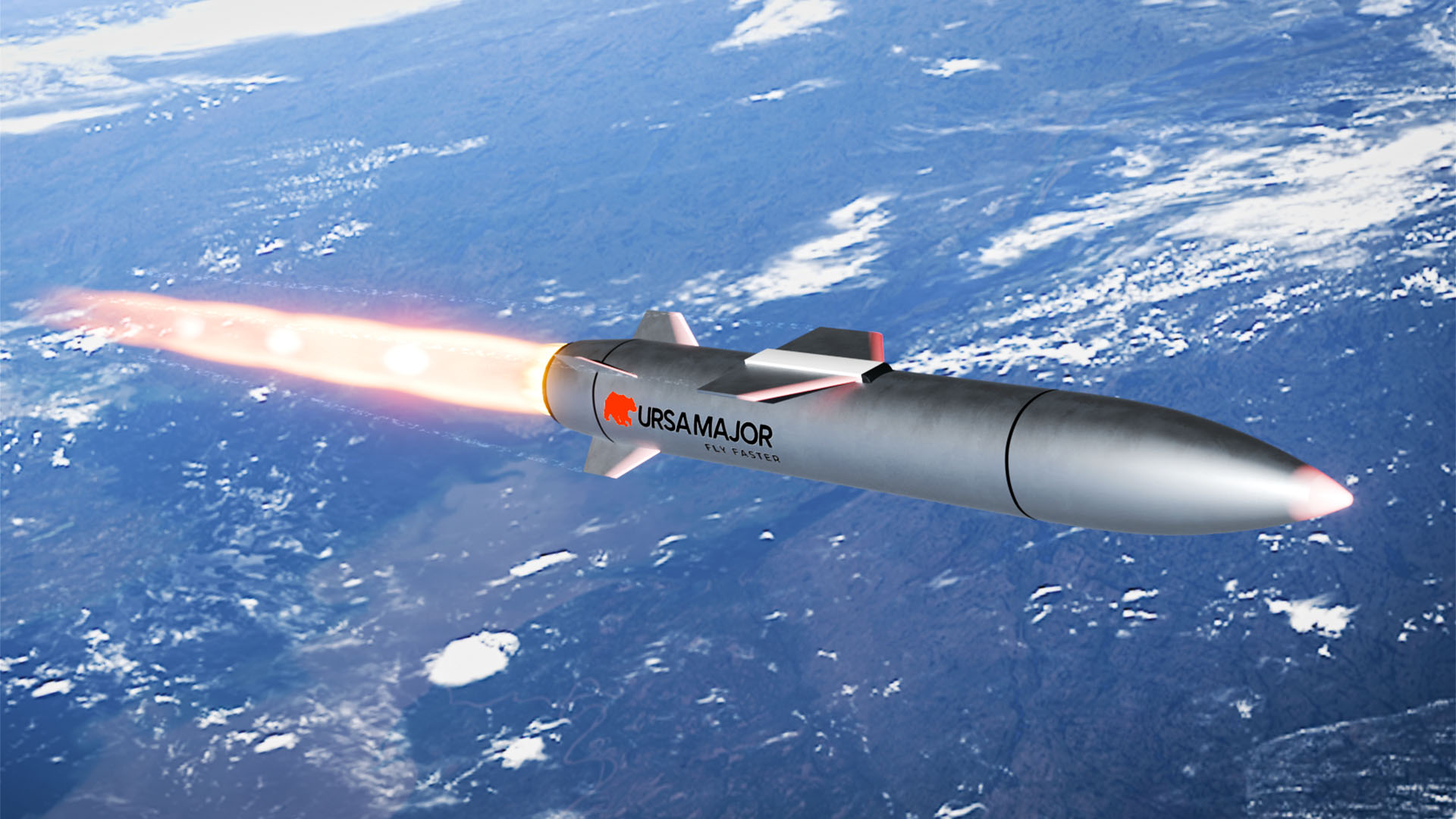
Ursa Major's new approach to solid rocket motors and hypersonics, including 3D-printing engines, is supporting the next era of U.S. defense innovation for hypersonic weapons.
Why it matters: Additive manufacturing advances enable rapid, cost-effective production of hypersonic weapon engines. This accelerates defense innovation and capability development.
GAO flags satellite costs, launch risks in Space Force portfolio
Source: SpaceNews

A watchdog report highlights growing costs for missile-warning satellites, digital engineering gaps, and workforce reductions that could slow national security launches within the Space Force portfolio.
Why it matters: GAO identifies critical Space Force program issues, including cost overruns and launch risks. This demands immediate attention for national security space resilience.
Germany accelerates defense network with Israeli Arrow 3 air defense system - The Jerusalem Post
Source: Jpost
Germany is accelerating its nationwide ballistic missile defense network with the Israeli Arrow 3 system, designating a second operational site in Bavaria. The Arrow 3, developed by Israel Aerospace Industries, is a highly maneuverable system designed to intercept ballistic missiles outside the Earth’s atmosphere and is considered a top interceptor due to its technological capabilities. This deployment is seen as strategically important for nationwide coverage and operational resilience.
Why it matters: Germany's Arrow 3 deployment strengthens European ballistic missile defense. This enhances regional security and NATO's layered defense capabilities.
🎥 Featured Video
The Truth about Space Data Centers
Channel: Real Engineering
Why it matters: This video offers crucial technical context on the feasibility and challenges of orbital data centers, directly complementing the news of Orbital's ambitious plans to deploy 100,000 satellites for AI computing. It's a must-watch to understand the implications of this burgeoning space infrastructure.
🔬 How It Works: Exoatmospheric Ballistic Missile Interception
Exoatmospheric ballistic missile interception involves neutralizing an incoming ballistic missile in the vacuum of space during its mid-course flight phase. This highly complex process primarily utilizes kinetic kill vehicles (KKVs) that achieve target destruction through direct impact, leveraging the immense relative velocities involved to impart catastrophic kinetic energy. Upon detection and tracking by ground- or space-based sensors, an interceptor missile is launched, deploying a KKV into the exoatmosphere. The KKV, devoid of aerodynamic control, employs a divert and attitude control system (DACS) with small thrusters and an onboard infrared seeker to precisely maneuver towards the target. Its guidance algorithms continuously refine the intercept trajectory, compensating for target motion and system uncertainties. The objective is a "hit-to-kill" collision, where the KKV's mass and high closing velocity (typically several kilometers per second) generate sufficient kinetic energy to fragment and incapacitate the target warhead and missile body, preventing atmospheric re-entry and detonation. The precision required for such an intercept, often against a non-cooperative target, necessitates advanced sensor fusion, robust propulsion, and real-time computational guidance.
Learn more from the original source: Satellite constellation design for mid-course ballistic missile intercept
💼 Career Corner: Weekly Openings
- Naval Air Warfare Center Weapons Division: Seeking an early-career engineer to support rocket propulsion system design, development, and testing for naval applications. Jr. Rocket Propulsion Engineer Posting
- Quest Defense Systems & Solutions, Inc: A mid-career opportunity for a Senior Structural Aerospace Engineer to lead complex structural analysis and design projects remotely. Senior Structural Aerospace Engineer Posting
- Enigma Aerospace: A late-career Principal Aerospace Engineer is needed to lead the design and integration of next-generation aerospace systems. Principal Aerospace Engineer Posting
📰 In Other News
- Spacecraft | Rocket Lab (Rocket Lab)
- Four Of A Kind | Rocket Lab (Rocket Lab)
- Rocket Report: China may soon attempt booster landing; Rocket Lab does rapid response (Ars Technica Space)
- Beck: Iridium acquisition the “logical next step” for Rocket Lab (SpaceNews)
- NASA chief praises progress Blue Origin is making after launch failure (Ars Technica Space)
- Payload Field Guide: CLPS Missions (Payload Space)
- Firefly Acquires Autonomous Space Ops Company (Payload Space)
- Launch Preview: Swift rescue mission, final Atlas satellite launch (NASASpaceflight)
- NASA Praises Blue Origin’s Mishap Progress, Announces Moon Base Contracts (Payload Space)
- Israel tests upgraded Iron Dome system against advanced threats - Army Technology (Army Technology)
Wishing you a productive week of engineering, free from obscure Jira backlogs and unexpected configuration control errors. Keep pushing those limits! 🚀⚡ The Max-Q Frontier Team