Black August
Welcome to the first 'Simply Solidarity' of a new month. August is known in the northern hemisphere for being a bright, sunny month - often laced with memories of long summer holidays, shorts and t-shirts, toasty weather and bright evenings.
The weather is possibly TOO toasty these days (thanks, climate change!) but my general impression is that for most of us Pale People of Privilege, August is a month of clinging to the idea of summer, if not the reality.
For Black revolutionaries, August has a far deeper meaning.
This was illustrated to me by a short piece published by Iqra (see the Solidarity Spotlight, at the end) for their Siblings of Marsha group introduction to Black August, which I used (with their consent) as the basis for this newsletter.
Iqra then added "August 1st marks the anniversary of the Slavery Abolition Act 1833 coming into effect in 1834, which paved the way for the liberation of hundreds of thousands of enslaved people of African descent. While the 1834 act initially instituted a restrictive "apprenticeship system" that delayed actual liberty, full freedom was legally achieved four years later on August 1, 1838*.
It is recognised as an official public holiday, national day, or cultural milestone in numerous Caribbean countries.
The day honours the courage, rebellion, and resilience of ancestors who fought for their own freedom rather than waiting for it to be granted. Common celebrations include street parades featuring African attire and drumming, educational lectures, and ongoing conversations regarding international reparations."
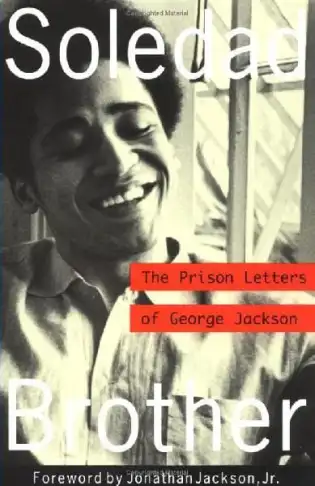
Black August has been marked since 1979, to commemorate Black freedom fighters who have fallen in the quest for Black Liberation, particularly in context of incarceration and the brutality and exploitation of the prison industrial complex; to call for the release of Black political prisoners; to condemn the oppressive conditions of prisons (especially in the occupied lands of North America); and to emphasise the continued importance of the Black Liberation struggle.
In his 2024 article, Joe Tache explains "Observers of Black August commit to higher levels of discipline throughout the month. This can include fasting from food and drink, frequent physical exercise and political study, and engagement in political struggle. In short, the principles of Black August are: “study, fast, train, fight.”
Miss Major Griffin-Gracy, legendary Black trans activist, community organiser, and famous veteran of the Stonewall Riots, who was herself incarcerated in Dannemora Prison and Bellvue Hospital, said “No matter what they say, the bearded, old, white, grey-haired, sickly, fucking bastards that run the country are always out to get us.”
She's not wrong.
So where does that leave us Pale People of Privilege?
What ways can we start to unhook from our sense of entitlement to a self-indulgent summer, and start to put our energy into understanding and supporting the centuries old struggle for Black Liberation from white supremacy? [our responsibility as Pale People of Privilege is a supporting role - and especially in the context of Black August, which is not FOR us]
We should study: As Amahra Spence points out - the struggle for Black Liberation is not totally separate from the struggle of poor white folks - Black people and poor white people are both subject to exploitation and injustice at the hands of governments, landlords, bosses, and all aspects of the system that keep wealth flowing upwards [though Black people are far more extensively impacted in all aspects, due to the impact of racism]. However, throughout the recent Covid cataclysm and ongoing social shifting with new, heightened awareness of injustice, "The legitimacy, proximity and resources that middle class and white organisers, strategists, policymakers, activists and movement workers have gained from association with Black and working class leadership cannot remain abstract. They must manifest in action, in organising their own communities toward liberation."
We should fast: An extremely simple way we can fast from self-indulgence and commit to Black Liberation, is by giving up (if not literal meals) treats; be they food, experiences, days out, summer indulgences that we usually might enjoy without a second thought, and commit the money that would have funded them to restore towards material equity for Black folks impacted by injustice. The most straightforward way is via mutual aid, and the Solidarity Spotlight, below, makes it very simple.
We should train: My experience suggests that the most offputting aspect of moving towards being an anti-racist is the understanding that it is a HUGE undertaking, with wide-reaching impact involving pretty much every aspect of life…and thereby getting in my own way by feeling I would be unable to understand and incorporate SO MUCH, then justifying not doing anything by insisting it was too difficult and I couldn't.
I would recommend NOT doing this, and also don't add pressure by thinking that you have to get things right, or do well - the unlearning of everything white supremacy has taught us, is not a simple process, and there isn't a way to do it without screwing up sometimes - the most important thing is to START and see any 'failures' along the way as opportunities for learning, rather than reasons we give up trying. If your expectation is 'keep trying to do better' rather than 'to succeed', then it will be far more realistic and likely to result in success, ironically!
We should support the fight: In short, we must start getting on board with what's already being done to effect social change for our own communities, but understand the critical position of Black leaders (especially Black MaGes**) within this, and not only acknowledge and heed their leadership, analysis, labour and expertise, but actively combat their erasure, silencing, and 'invisiblising' by the white people trying to lead social justice movements. We can start the former and see what's being done that we can join in with, whilst we learn more about the struggle for Black Liberation, and develop enough understanding to leverage our privilege to challenge practice that centres whiteness.
Solidarity Spotlight
Iqra, who runs Siblings of Marsha, is a disabled, Black, Queer Muslim, with Trinidadian and Irish heritage, whose politics are intersectional, abolitionist, decolonialist, anti-racist, anti-fascist, anti-ableist, anti-capitalist, pro-Black, pro-mutual aid, and pro-Queer as a liberatory theory and practice. They are a trauma-informed holistic complementary therapies practitioner, community advocate, campaigner, and activist with decades of work in local government, the NHS, and in voluntary roles, striving for justice and equity for oppressed people in the UK.
As part of their current outreach through Siblings of Marsha, they run a solidarity fund, prioritising the unmet survival needs of Black and Global Ethnic Majority individuals experiencing hardship as a direct impact of white supremacy.
*Though, as we know, 'freedom' for Black people under white supremacy is not 'freedom' as white people know and experience it
**Marginalised Genders - including Black women
