Farm Update: Winter is Coming
Hi friends of the farm,
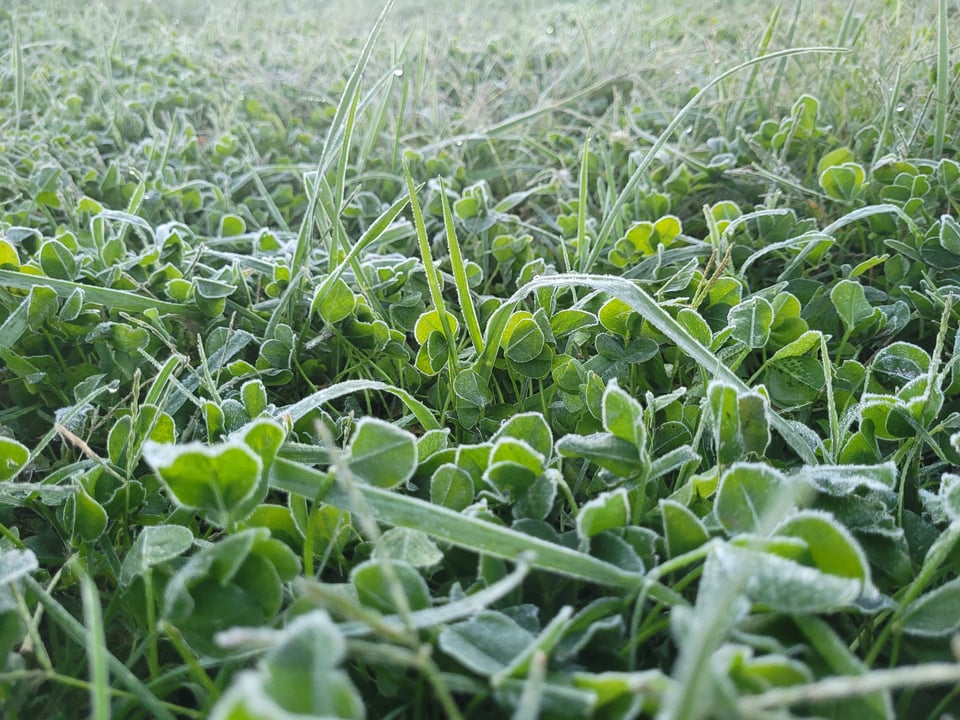
There’s no denying it: the year is coming to a close. After a brutal early summer, the fall has been excellent. Plenty of rain in August and September has produced a yield of fall forage like I've never seen. The cows are still munching on it, although it's not regrowing much.
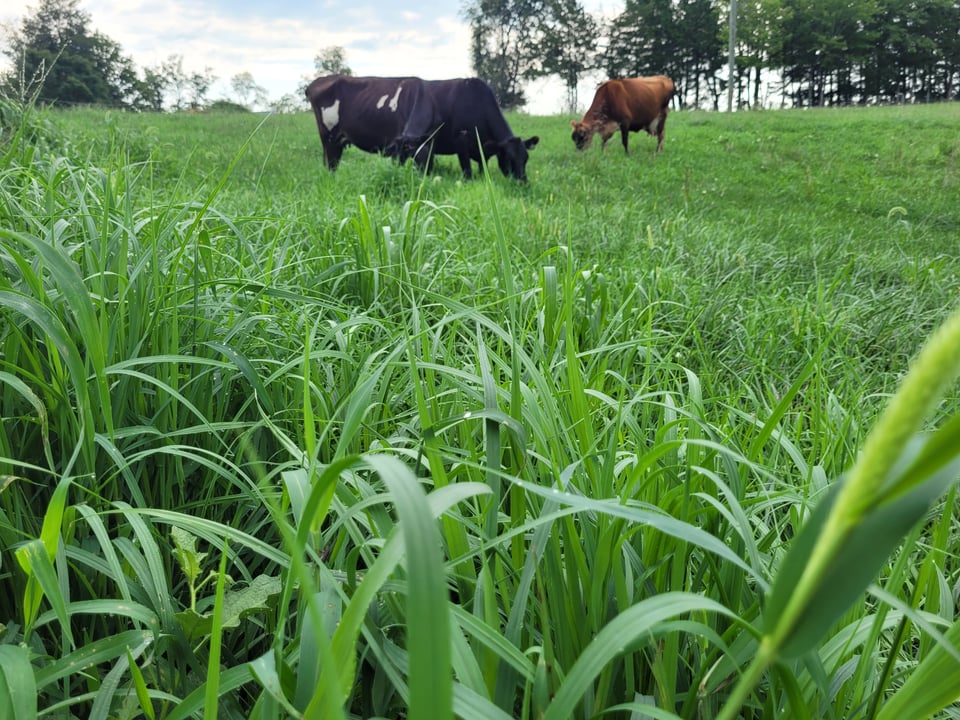
Breeding
I put off this update for so long because all summer, I was thinking, "soon I'll have breeding finished up, then I'll send an update." Sadly, breeding is still not finished up!
I've been trying my own artificial breeding this year, and had very little success (one!). In August, I admitted defeat and called our vet, Dr. Melinda McCall, to help. She's been out a couple of times and another cow is bred, but the third one (Buttercup) continues to evade us. We'll be trying again this week, probably tomorrow.
Broilers
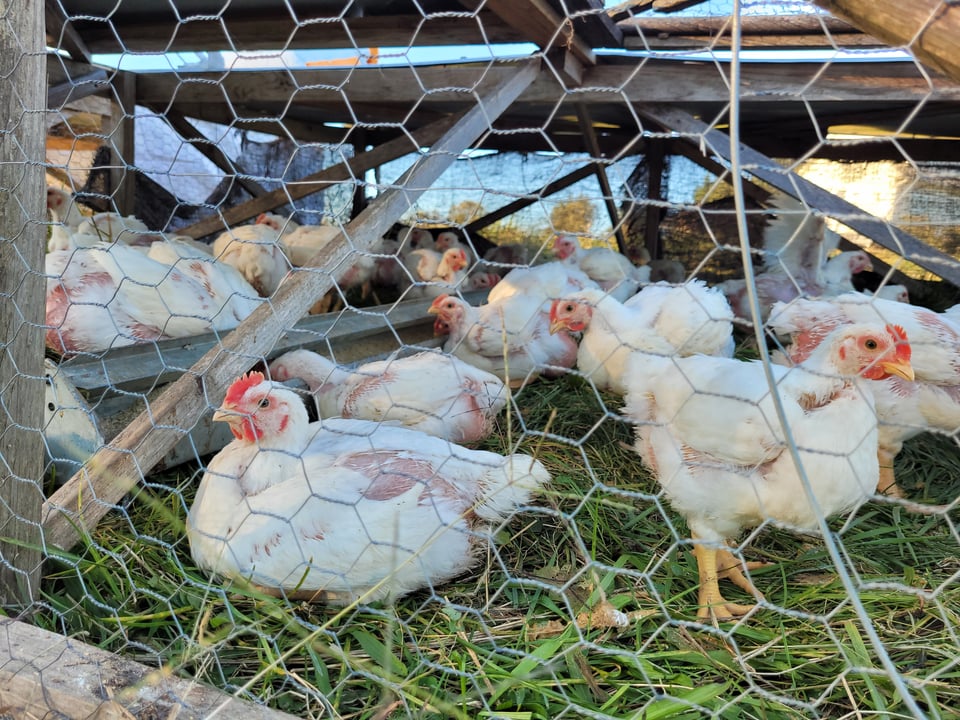
This year I raised a batch of broilers (meat chickens) to process with the Joshua Program students from St. Dunstan’s Academy. It was my worst batch by far: I started with 100 but only had 76 by harvest time.
If you want the details, I have lots of hand-wringing and excuses; I’m not sure exactly what went wrong, but I’ve heard that sometimes you get a bad batch from the hatchery (because the breeding hens were too young or too old). Honestly, that’s my best guess about what happened.
Anyway, processing went smoothly and everyone took home some chicken. We were blessed by the expert oversight of Hank Valentine, past helper here at Lake Road Farm, who just finished two years at Polyface. He’s planning to raise pastured poultry at Tiffin Farm this year. If you’re interested in that, you can sign up for updates on the Tiffin Farm website: https://www.tiffinfarm.com/the-herd#beef-waitlist.
The future of the farm
It has come to my attention that AI is a a thing. Currently, Lake Road Farm mostly exists because I haven’t had a “real job,” but instead, I’ve paid the bills by selling a low-touch software product (GraphQL-Pro, in case you’re curious). Sadly for me, it’s exactly the kind of thing that AI replaces. My current customers mostly renew, but the clock is ticking.
For me, the question is: how could I gear up the farm (especially the dairy) to keep running if I have to get a real job? To me, the grass dairy is a gem: it’s working wonders for the soil, the cows are happy and productive, I’ve met so many neighbors and new friends, and — oh yeah — the milk is delicious and good for you. What will it take to keep the milk flowing?
My best answer so far is to build better process and find more help. This year, I’ve been blessed with five helpers who milk the cows, bottle milk, run lab tests, and clean things (lots of cleaning). Besides their regular help, week-in, week-out, they’ve covered for me during planned travel and unexpected absences. Next year, I plan to actively hunt for interested people to learn the protocols and pick up regular shifts, and distributing farm products to them first.
Process improvement: lab tests
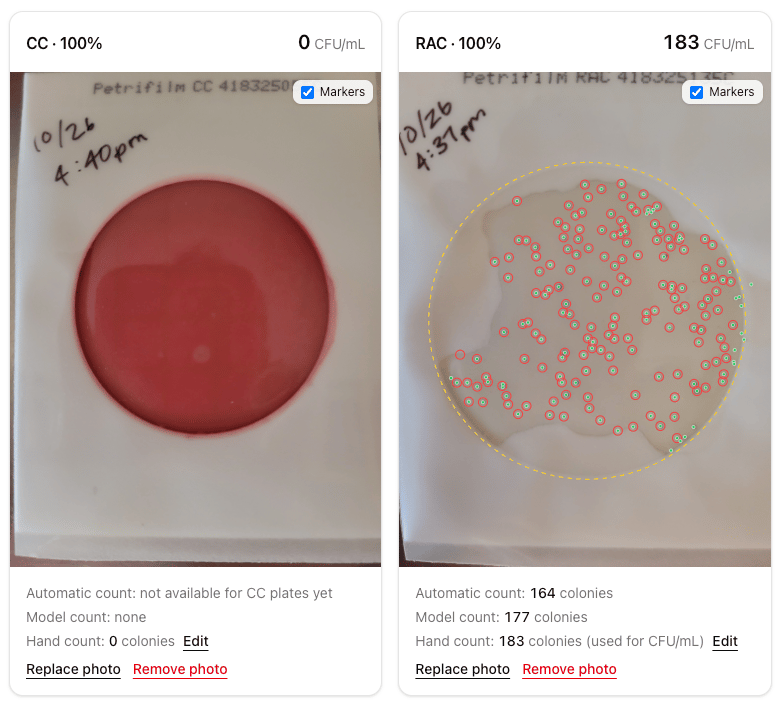
I have intermittently run microbe tests on milk at the farm. Especially when getting the dairy started, and when retooling the cleaning processes, I used off-the-shelf testing materials to get high-level cleanliness indications (broad-spectrum bacteria tests).
It’s tedious, and with (more than) enough work already, it’s hard to keep running them when it seems like everything is working well.
But, as part of building out formal operating procedures, I wrote up a formal test plan and started collecting results for every bottling. I figure, if I’m going to be less hands-on, then I need more concrete confirmation that things are going right.
The results have been fantastic. Our milk is around 180-250 cfu/ml for aerobic plate count and consistently 0 cfu/ml for coliforms (haven’t seen one yet! To validate that the tests are actually working, I ran a test on a slurry of dirt and water and got a positive test.). For comparison, the Raw Milk Institute requires listed farms to test once a month with a rolling average less than 2,000 cfu/ml. If you’d like to learn more about these tests, please respond to this email. I can give you a login to the system where I’m gathering these results. (This is the upside of AI being a thing!)
Herdshare season
Sometime between now and December 21, we’ll wind down herdshare pickups. I’ll keep it up as long as supply holds. Aphrodite, our biggest producer, was the first cow to be bred back which means she’ll be the first drop production. We’re about to finish up our fall flush of grass, so we’ll be on October/November regrowth, frost-sweetened fescue residue, and probably some supplemental feed (alfalfa cubes) from here on out. I expect to start feeding hay around the start of December.
Looking ahead to 2027, I hope to start herdshare pickups in June. Aphrodite will calve before that, but I hope to onboard more helpers during that time and I expect that to account for the full yield until the next calf arrives in June. (Anybody want to learn to milk or bottle? 😎) If you have any questions, let me know in a reply to this email.
Alright… that turned into a long one. That’s what I get for putting it off! See you around,
Robert