Farm Update: Graze On!
Hey friends of the farm,
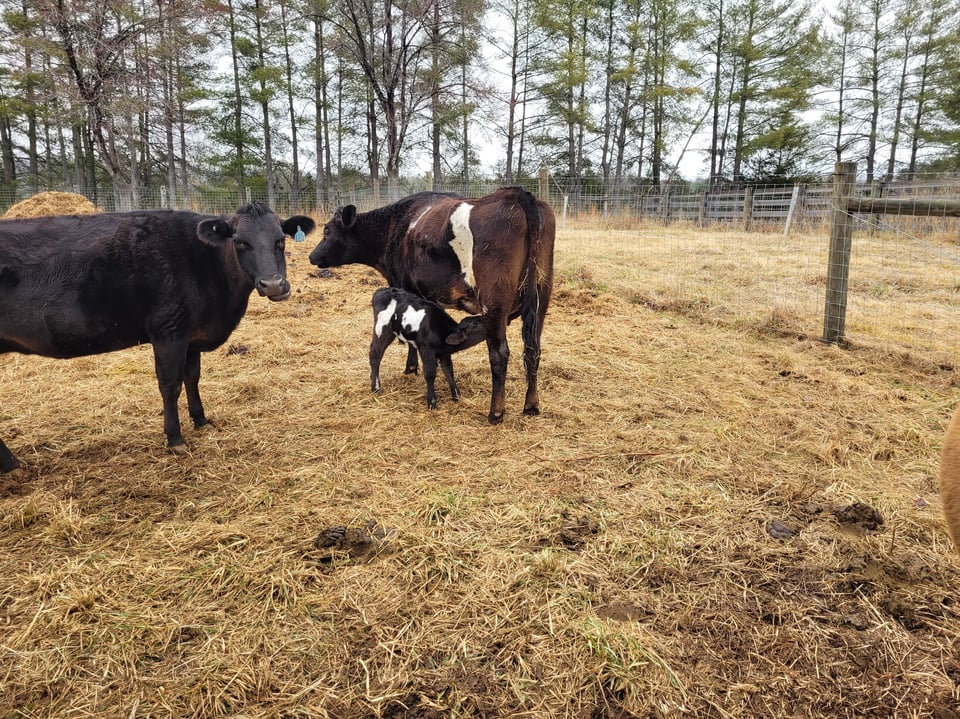
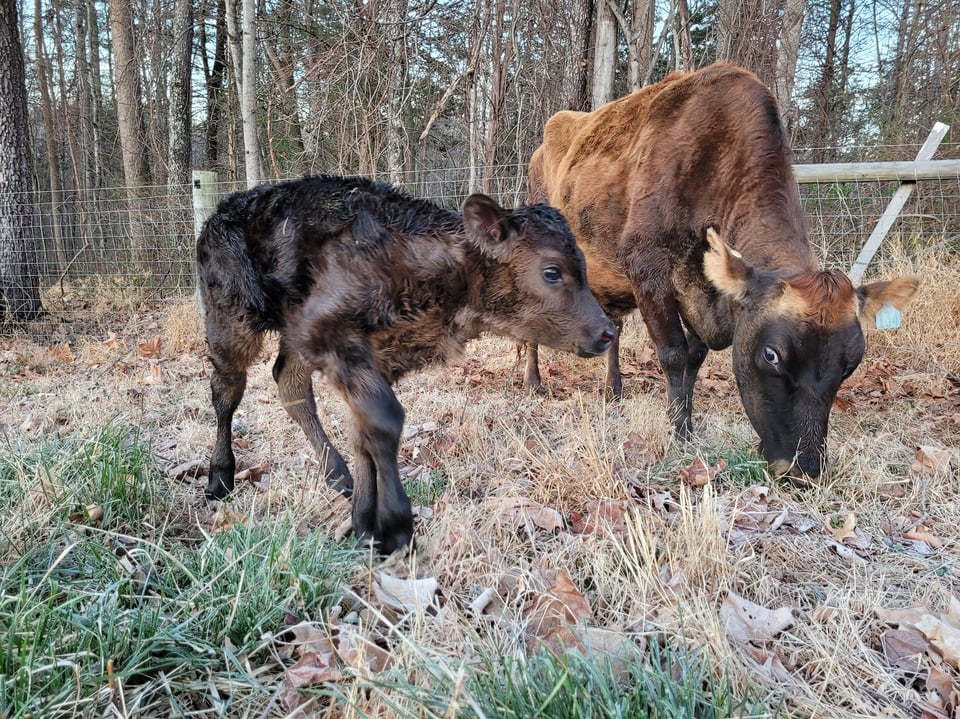
Since my last update, the grazing season began and we welcomed two healthy, spunky heifer calves:
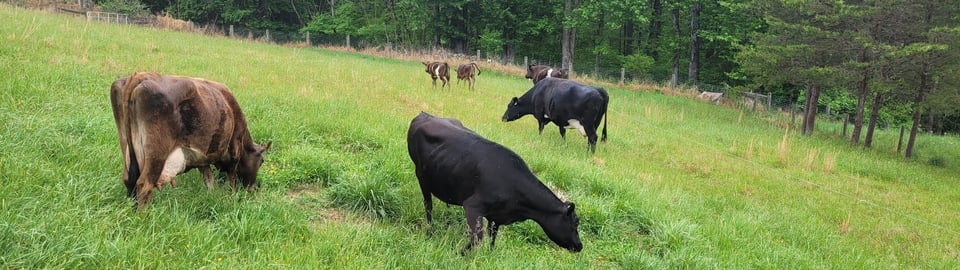
Despite the drought, the grass came in well and seems to be holding up alright. I did some significant mowing in early May, and some more right before this rainy spell, so we’ll see over the next week or so whether it pays off in lush, leafy growth into the summer.
Browsing
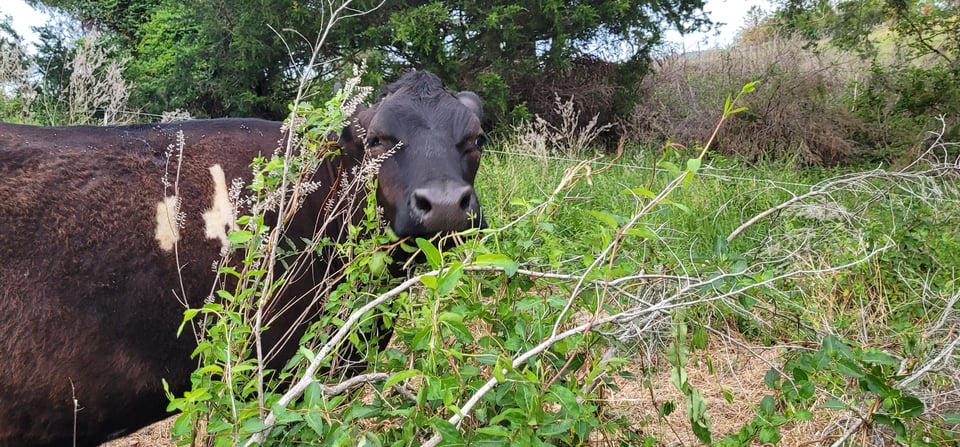
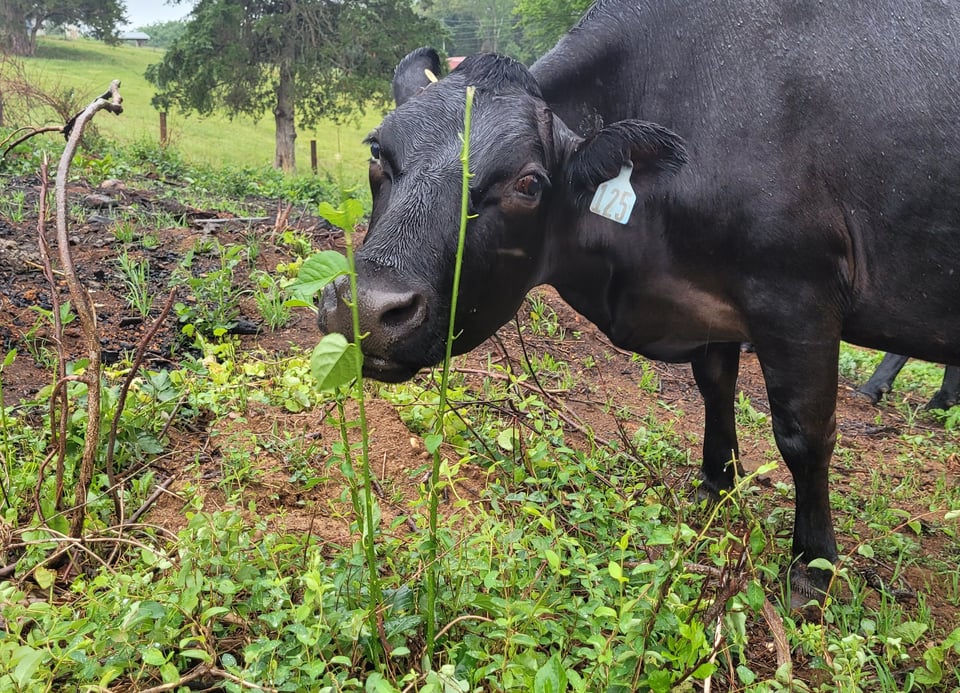
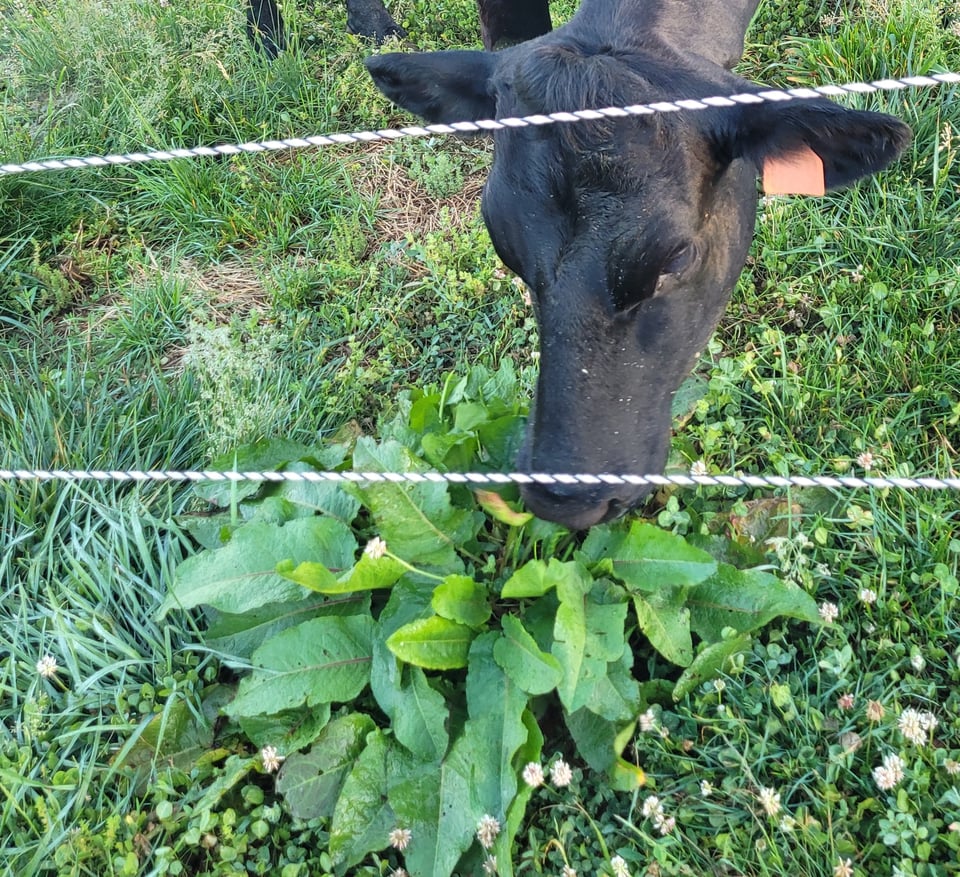
When livestock eat from trees, shrubs, and brambles, it’s called browse. For cattle, it doesn’t account for much of their diet by weight, but I love watching them pick and choose from the available variety in their pastures this time of year. Sometimes I turn them into a new paddock and they all run right past the fresh grass and eat leaves off a tree instead.
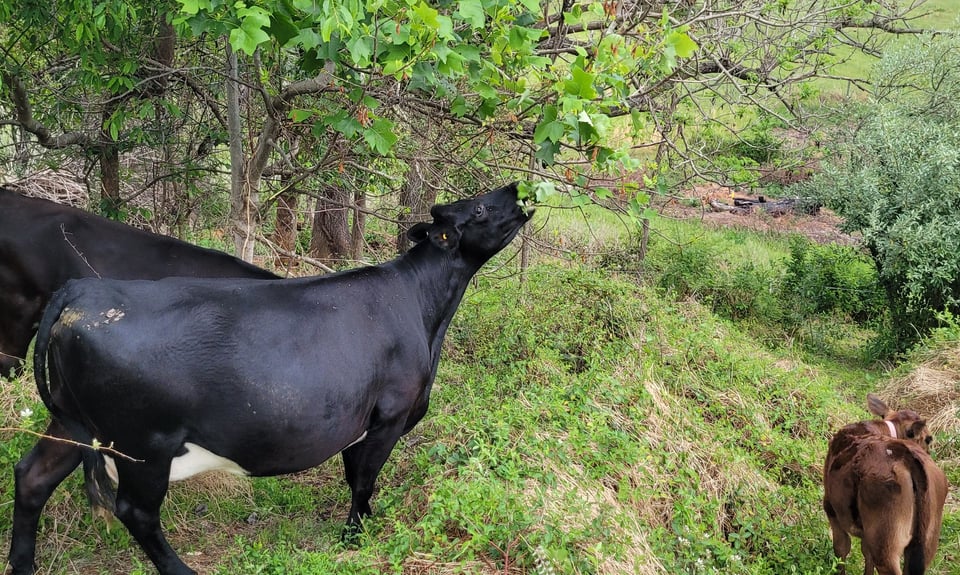
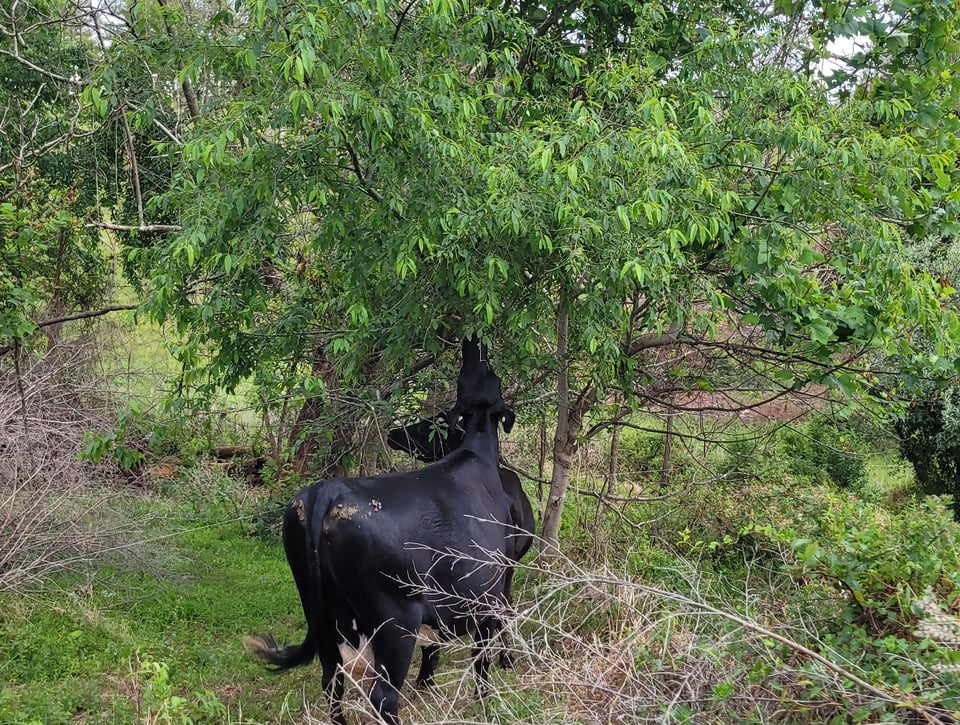
At a high level, these alternative forages are understood to be “medicinal”: high in minerals or other compounds that are lacking in other food. For example, high-tannin browse (like Autumn Olive) is known to reduce internal parasites. I assume the cows know best and let them at it.
Wasps in the Garden
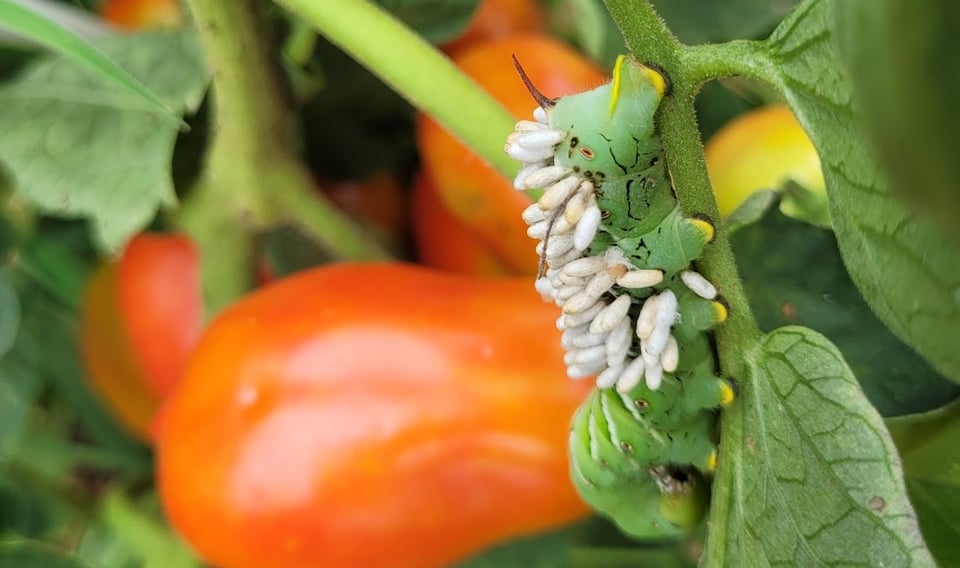
For the past several years, we ordered predatory wasp eggs in the mail. Have no fear: these aren’t the pesky ones nesting in the eaves or the woodpile. These are braconid, spalangid, and muscidifurax wasps: tiny, omnivorous, parasitic critters who prey on other insects and lay their own eggs inside other bugs (yikes!).
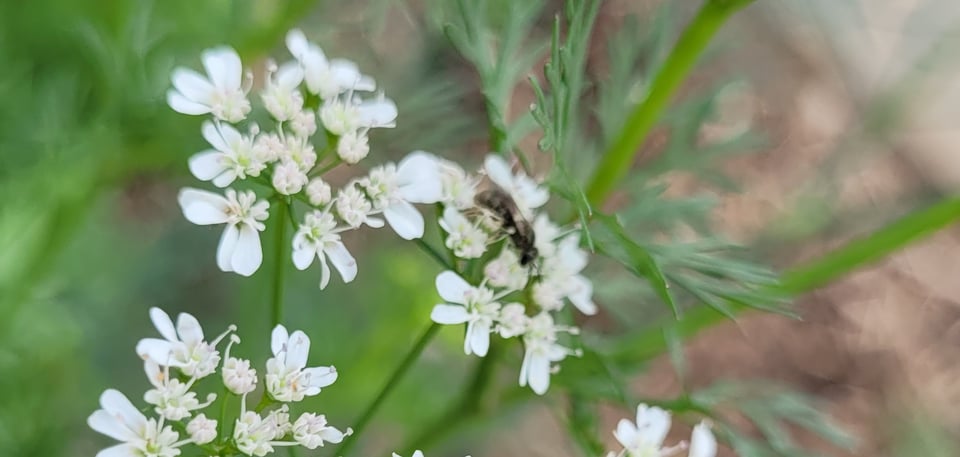
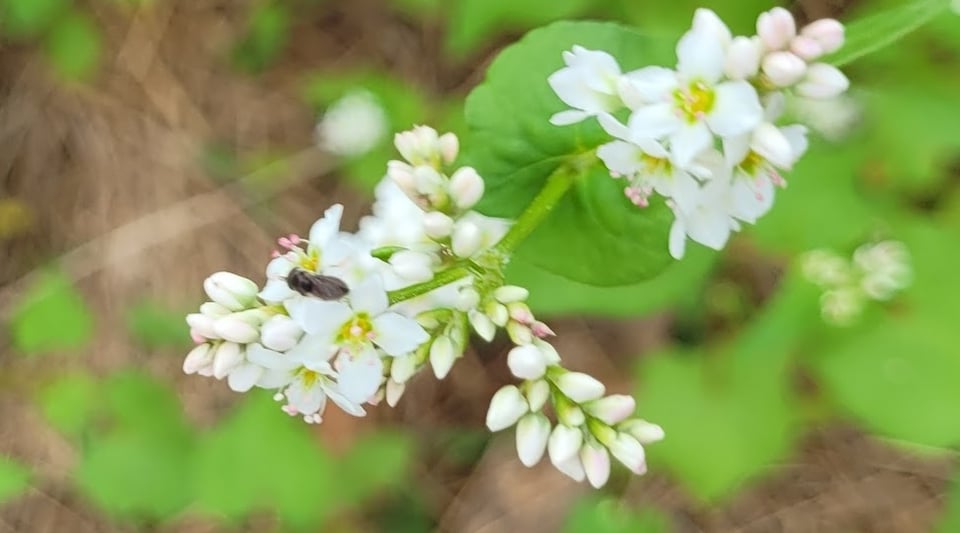
Last summer, Kyle Crawford of Ladybird Farm told me his technique for encouraging activity of these wasps: make sure some small flower is always blooming. These tiny wasps eat insects and nectar, depending on availability and season, but they don’t harvest from large flowers. So you can keep them around by making sure there’s always something for them to eat. Kyle specifically recommended buckwheat and umbellifers (carrot, parsley, cilantro, dill, fennel, etc).
This spring, I planted some of those and now that they’re blooming, I can tell it’s working:
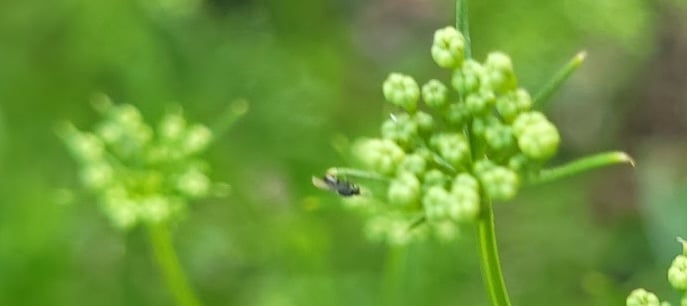
Could we cancel our monthly order of mail-order fly predators? Not yet … we’ve swatted enough flies that we’re going to keep them coming just to be safe!
Cowbirds
Each year, a few brown-headed cowbirds have hung out with the cattle. This year, they’re back, and the flock is bigger than ever. I’ve counted as many as seven. They jump and flit, mostly on the ground, picking up bugs stirred up by the cows. I hope they eat ticks that fall off the cows, too!
The Summer Ahead
The next few months hold some challenges (as always):
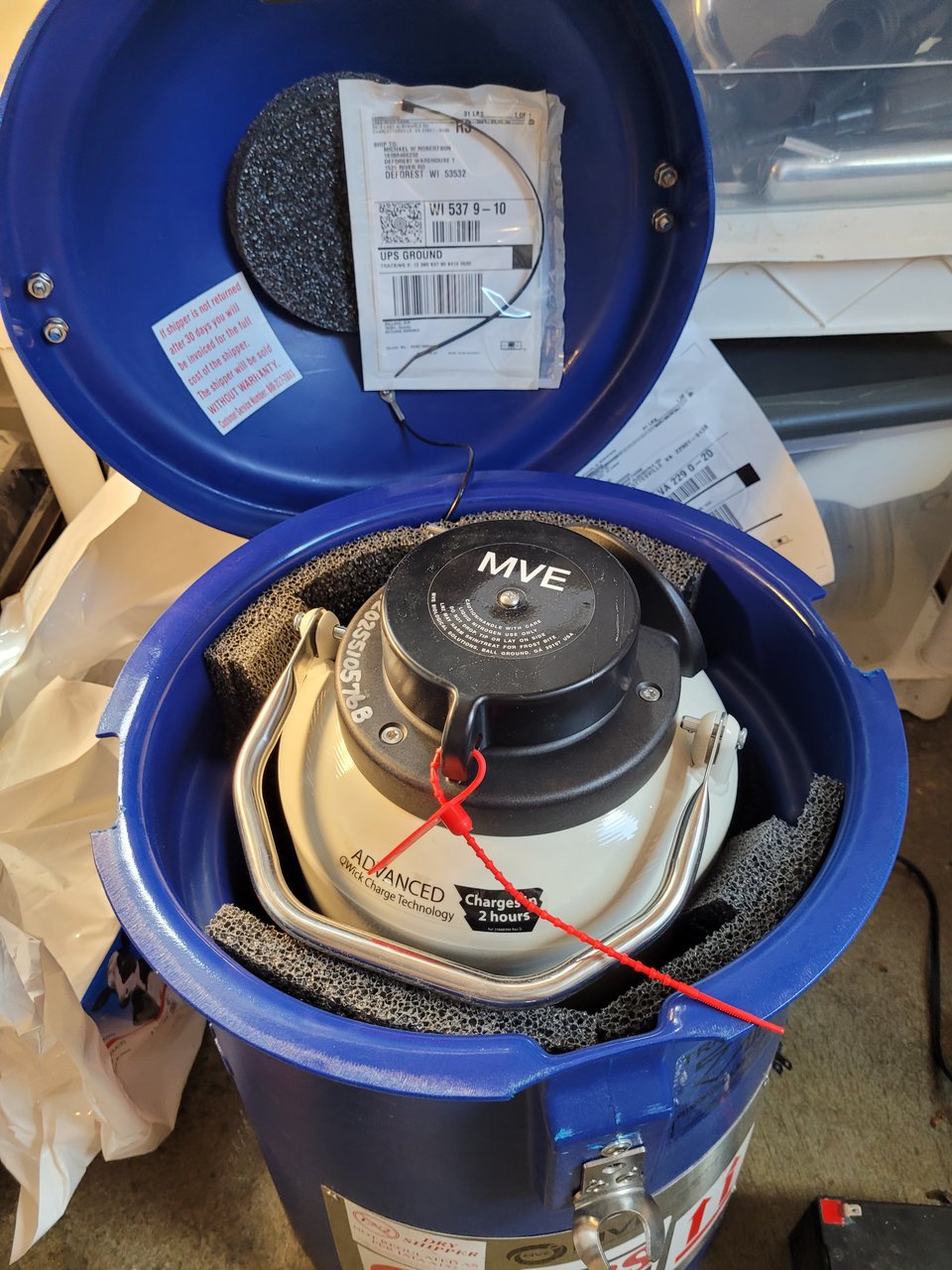
Breeding: I’m trying my own artificial breeding this year. I gathered up the necessary supplies last fall and I’ve been practicing (ew) as much as I can. My goal is to breed three cows between now and late June. The schedule of the herdshare depends on this, so I’ll keep you posted!
Summer Forage: The heat of summer always makes grazing tough. Most forage grasses slow their growth considerably around 90°F. Tall fescue keeps growing but it can be toxic, so cows often skip over it. I’m hoping that some spring and early summer mowing will promote leafy growth all summer long, but this is my first real attempt at this and it’ll all be in vain if we don’t get some decent rain in June, so we’ll see.
Weaning: More of a milestone than a challenge, but weaning the calves requires maintaining two separate herds: a dry herd (calves and non-lactating cows) and a milking herd (Artemis and Aphrodite, who are in milk). That will add some logistical hurdles, but also means that we’ll get the full serving of cream from the mama cows. Worth it, if you ask me!
I hope you found this update interesting. See you around,
Robert