Period 48: Hope and grace and pub day and Dolly
For Dolly
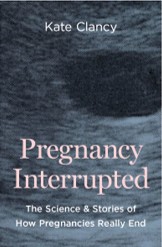
My book, Pregnancy Interrupted: The Science and Stories of How Pregnancies Really End, is out this week. And like all book pub weeks for regular degular people, it was a weird one. I woke up in my own bed, brushed my teeth, turned on the coffee, did a bunch of work while also obsessively checking email and socials. I recorded and edited a new Instagram reel after discarding all the stuff I had shot the day before.
I wrote. I held work meetings, I held union meetings. I promoted an excerpt of my book that made it into Autonomy News, which is something I’m really proud of (and I love that newsletter, you should check it out!).
The media landscape has changed a lot since Period. Last time I was able to get an excerpt placed in the op-ed pages of The Washington Post; today their opinion pages are a joke and they’ve fired all their book reviewers (so has nearly everyone else). The New York Times is a haven for transphobes (I mean, that was already the case in 2023, but still). Bookstores no longer put much effort into events, and even if you do land an event they will not promote it; you have to do it all yourself (unless you are a big author, primarily fiction). It took my press’s publicity team multiple months of outreach to get any sort of response even from my local bookstore, where I held an event last time.
Then there are the multiple friends and colleagues who have said they are not sure they can read my book, that they do not feel ready to read about miscarriage and stillbirth.
Yesterday I was teaching the first session of my grad course, Feminist Science. I spend a full three hours at the start of every one of my classes co-creating values and expectations, and discussing the kinds of things that we hope won’t happen, but might happen. And the values we settle on always end up directing what expectations and forms of accountability we want in our course, which is the whole point.
This year, we settled on two words for our class values: hope and grace. Hope in the way Mariame Kaba speaks of it, in that hope is a discipline, and grace as a daily, humanizing practice. We decided not only that these values were about what we extend to each other, but what we need to work to extend to ourselves.
And so, given the course content and these values of hope and grace, one student asked what to do if that week’s course content was emotionally challenging for them. And we talked about the various options. Students had great ideas. They included: checking in with me ahead of time, talking to a classmate for support, attending but choosing not to speak, attending but leaving partway through if it was too hard, not attending at all. Students talked about different capacities, like how some students could pick up the slack in class discussion on days that were less hard for them to give a break to those for whom it was harder. We recognized these are context-dependent decisions rather than imagining a one-size-fits-all policy.
The book, the class, these values were all top of mind this morning as I spent a few minutes on Instagram, procrastinating before my morning journaling. The post at the top of my feed was by Dr. Tressie McMillan Cottom, her latest NYT column about the passing of Dolly Parton. McMillan Cottom honors Dolly’s identity and skill as a writer, and given she’s a pretty spectacular writer herself, manages to put a beautiful line in, of all places, the caption. She says:
“Good writing doesn’t have to imagine everyone; it only has to imagine the truest thing about all of us that exists in each of us.”
And for whatever reason, I started to cry. Because my brain put that quote in conversation with another one I read recently by Jonathan Edward Durham, also mourning Dolly’s passing (also on Instagram – gotta cite my sources):
“We have to be the beautiful ones now.”
I loved Dolly Parton – in that she was an angel on earth, she gave to the right causes, she made explicit choices to never be a billionaire. I was glad someone like her existed, glad for the model we had of how good humans could be in the world.
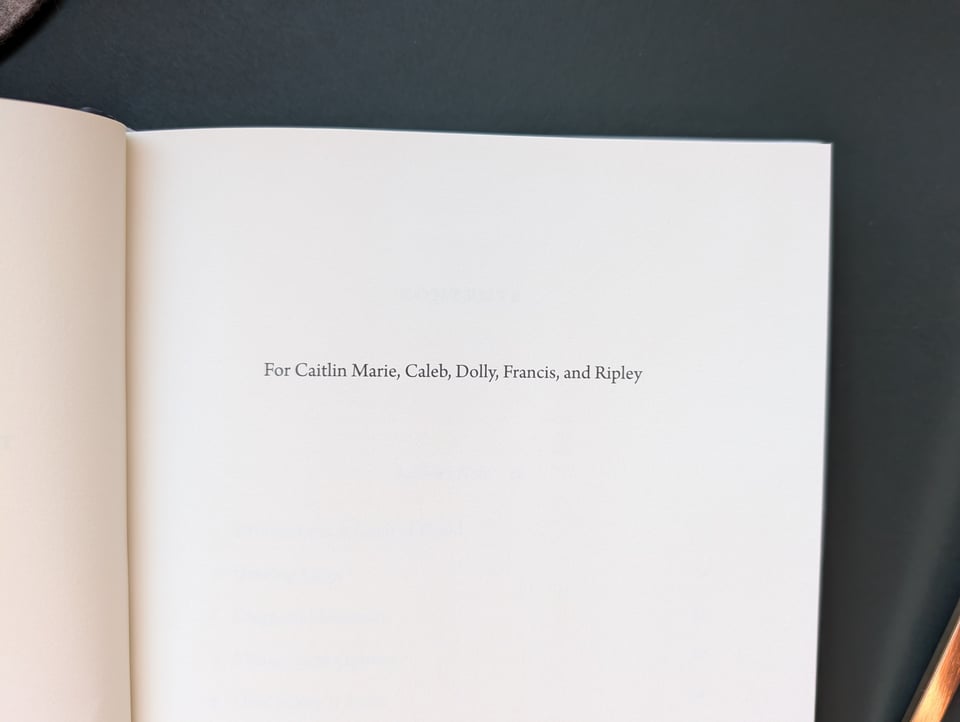
But Dolly means more than that to people I care about, including people who spoke to me for my book. One person I interviewed, whose story did not end up in the book’s pages but was still very influential to my thinking, had a stillborn daughter and named her Dolly – and the name had many important origins, one of them being Dolly Parton. My book is dedicated to her, as well as the other stillborn children my interlocutors told me about.
So there I was, thinking about what it means to lose people like Dolly Parton, and what it has meant to so many parents over the years to lose embryos, fetuses, and babies to miscarriage, stillbirth, and medical termination. Dolly Parton lived a full and rich eighty years; for these parents, the promises of pregnancy and life and their own children filling up their days and making a mark on the world were never fulfilled. There may have been another Dolly Parton in there. There were certainly unique, lovely, interesting lives to be lived, no matter what mark they may or may not have made.
I’m thinking about the acts of writing and the acts of living. Of writing and living after loss. And of the hope and grace it takes to choose to be the beautiful ones in a world taking a very dark turn.
With this book, I tried to write the truest thing I could about the darkest moments of many peoples’ lives. These moments are made darker by stigma and by silence, and the people who have been through these moments are sometimes marked by these experiences in ways that isolate them. By doing my best in telling the truth about the science and the experience of pregnancy loss, I hope I can remove some of that stigma.
I realized today that I am satisfied with the book I put out into the world. I wrote the truest thing, I tried to be a beautiful one. I did it for those parents, and those babies, and for all the people trying to get the abortion care they need when their own pregnancies fail. Writing this book radicalized me around abortion – and I thought I was already radical. I am honored to have had the trust I had to tell these stories as best as I could, and I am honored to have been changed by this work.
I’m not sure there is anything more a writer could want.


Add a comment: