As you have almost undoubtedly forgotten, the end of the Indiegogo campaign for my Saturday Night Live-themed books We’ve Got a Great Show for You Tonight and We’ve Got a TERRIBLE Show For You Tonight recently ended.
I don’t blame anyone for missing the end of the fundraiser because, like a big old idiot, I myself missed the end of the fundraiser. And it was MY fundraiser. For MY project. That could have had a huge positive impact on MY career had it succeeded.
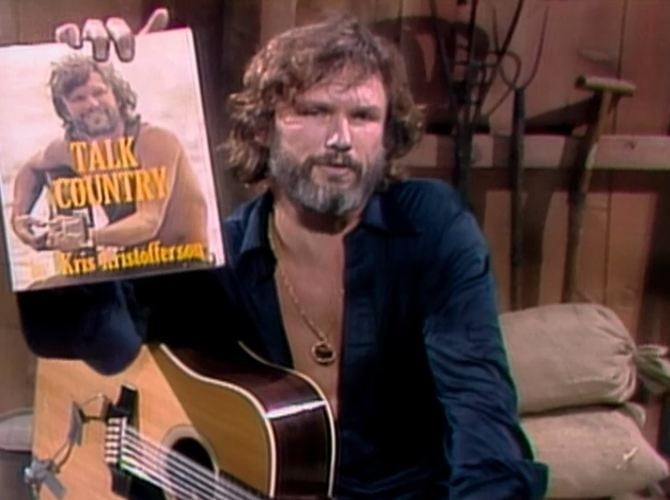
It’s poetically apt that Kris Kristofferson opens the final episode of the first season of Saturday Night Live with “Let Me Make It Through the Night.”
Making it through the night is the goal of every Saturday Night Live host. Before every episode, hosts say a silent prayer that they won’t forget their lines, freeze up, swear, go off-script, or otherwise mess with Lorne Michaels’ finely tuned comedy machine by adding a terrifying element of spontaneity into the proceedings.
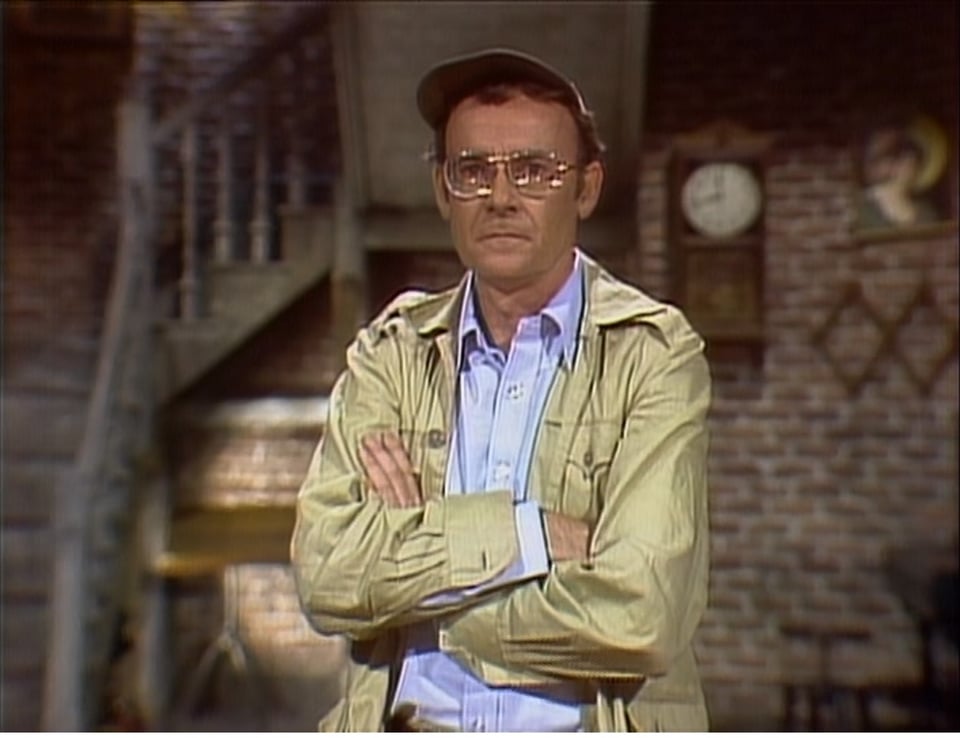
Like Steve Martin, Buck Henry was so strongly identified with Saturday Night Live that many wrongly assumed that he was a cast member. Henry was the Fifth Beatle of the original incarnation of the Not Ready For Prime Time Players.
The show could call him at any time when a more famous guest, such as Truman Capote, had fallen through and he'd come running, enthusiastic, ready to play, and willing, even eager to debase himself for our amusement.
Lorne Michaels conceived Saturday Night Live as a show for the first generation to be raised by television and grow up with an innate awareness and understanding of the medium’s cliches and conventions.
It was made for an audience all too familiar with commercials, talk shows, game shows, and all sorts of other wonderful garbage that fills the airwaves and pollutes our minds.
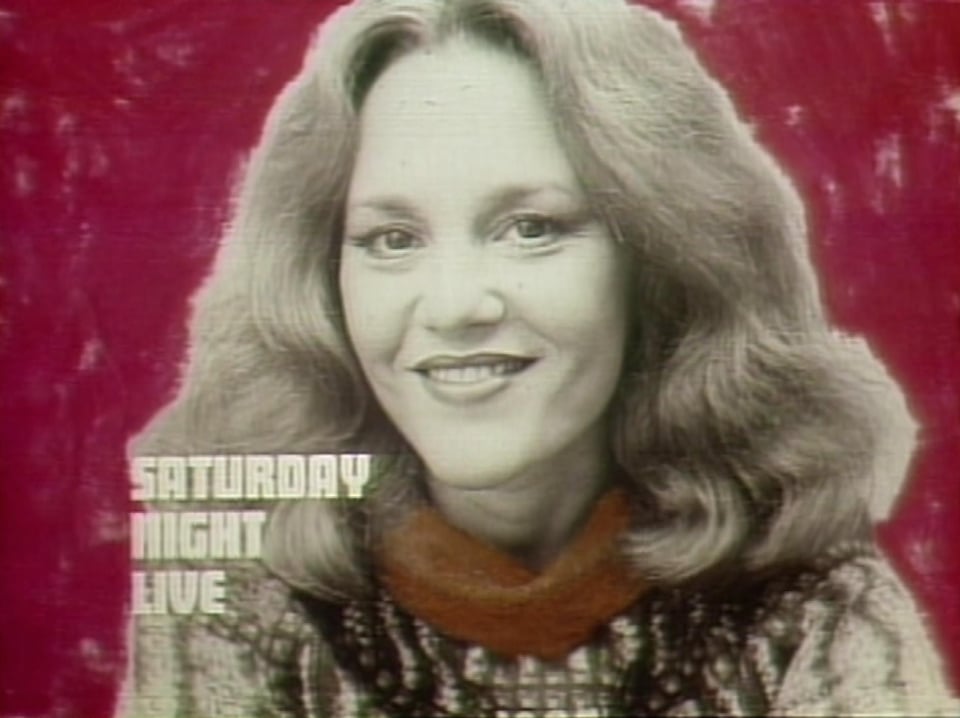
If you were to make a list of ideal Saturday Night Live hosts, Madeline Kahn would occupy a place of distinction at the very top. She possessed the unique and impressive skillset necessary for hosting. She had the glamour and beauty of an old-school silver screen siren and the physical comedy genius of a silent screen comedienne. She was gorgeous yet relatable, intimidatingly talented and beautiful yet oddly relatable and accessible. Audiences loved her. The Not Ready For Prime Time Players loved her. How could they not? She was irresistible, a uniquely gifted and blessed human being.
One of the reasons I have such an intense emotional connection to Saturday Night Live is that we're roughly the same age. Lorne Michaels' venerable show business institution is slightly older, however.
On April 24th, 1976 I was born in a hospital in Kansas City, Missouri. Hundreds of miles and a universe away in Manhattan the Not Ready For Prime Time Players were dealing with the fallout from the previous week's controversial and notoriously ribald Ron Nessen episode.
Before I rewatched the Ron Nessen episode of Saturday Night Live I did not know whether it belonged in We've Got a Great Show For You Tonight or We've Got a Terrible Show For You Tonight.
I knew that the episode was historic but I did not remember whether it was historic in a good or bad way. Nessen, as only politics and/or comedy nerds know, was the press secretary for Gerald Ford and the first politician to host Saturday Night Live.
One of the stranger aspects of Saturday Night Live's first season is that Jim Henson and Frank Oz, two of the greatest entertainers of the twentieth century, contributed regularly to the endlessly mythologized beginning of Lorne Michaels' deathless comedy institution in such a regrettable and forgettable fashion that the Muppets are little more than a footnote in the show's history.
That's sort of like Jimi Hendrix playing lead guitar on a Rolling Stones album, then never collaborating with them again due to a lack of chemistry and nobody talking about that auspicious collaboration as anything other than a mistake.
Actors and actresses often make for good Saturday Night Live hosts because the gig is fundamentally about comedy and making people laugh but it also involves acting, dialogue and playing not just one character but a series of characters, live, over the course of 90 magical minutes.
Good acting makes everything funnier and Jill Clayburgh is a fine actress as well as an engaged and amusing sketch performer.
A good rule of thumb for Saturday Night Live is that if a host comes to play and have fun, the ensuing show will reflect that. If a host treats their time at 30 Rock as a chore or a professional obligation, however, it will be just as obvious and the show will suffer as a result.
As we will re-learn repeatedly over the course of the remaining 983 entries in Every Episode Ever putting on a new ninety minute live comedy program every week is difficult to the point of being impossible.
The exciting and daunting thing about sketch comedy is that you constantly have to start over with new characters, new settings and new dialogue. That’s why recurring characters and catchphrases are so useful. They allow the show to build upon past successes while establishing an element of continuity and consistency that audiences find soothing.
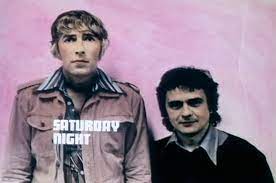
Saturday Night Live’s first season was filled with firsts. The eleventh episode featured, in the comedy team of Peter Cook & Dudley Moore, the first duo to host the show as well as the first foreigners.
As hosts, Peter Cook & Dudley Moore were almost too good. They were so skilled at sketch comedy that they didn’t particularly need the Not Ready For Prime Time Players.
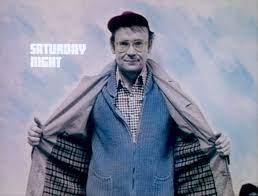
Buck Henry begins the monologue from his very first appearance on Saturday Night Live by conceding that he is an unlikely and unusual host because he is not a movie star, stand-up comedian or a famous musician.
The relatively modest nature of Henry’s fame ended up working in the show’s favor. At forty-five, Henry was ancient by Saturday Night Live standards as well as egoless.
If you had asked me who the first person to host Saturday Night Live twice was I probably would have guessed Buck Henry or Steve Martin or another professional funnyman synonymous with the show’s early years.
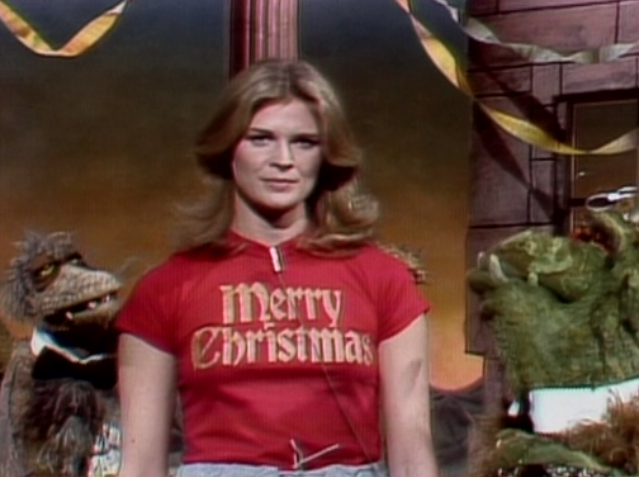
I would have been wrong. The first person to host Saturday Night Live twice was Candice Bergen. According to Doug Hill and Jeff Weingrad’s essential Saturday Night Live history Saturday Night: A Backstage History of Saturday Night Live when Bergen first hosted the show pretty much every man on staff fell in love with her. She, in turn, fell in love with Saturday Night Live. It would prove to be an enduring romance.
Bergen with a puppet, not Charlie McCarthy
Bergen was gorgeous. She was famous. She was a movie star. She was utterly enraptured with Saturday Night Live and its cast and crew and was up for anything, including a sketch where John Belushi, as Sam Peckinpah, beats the crap out of her.
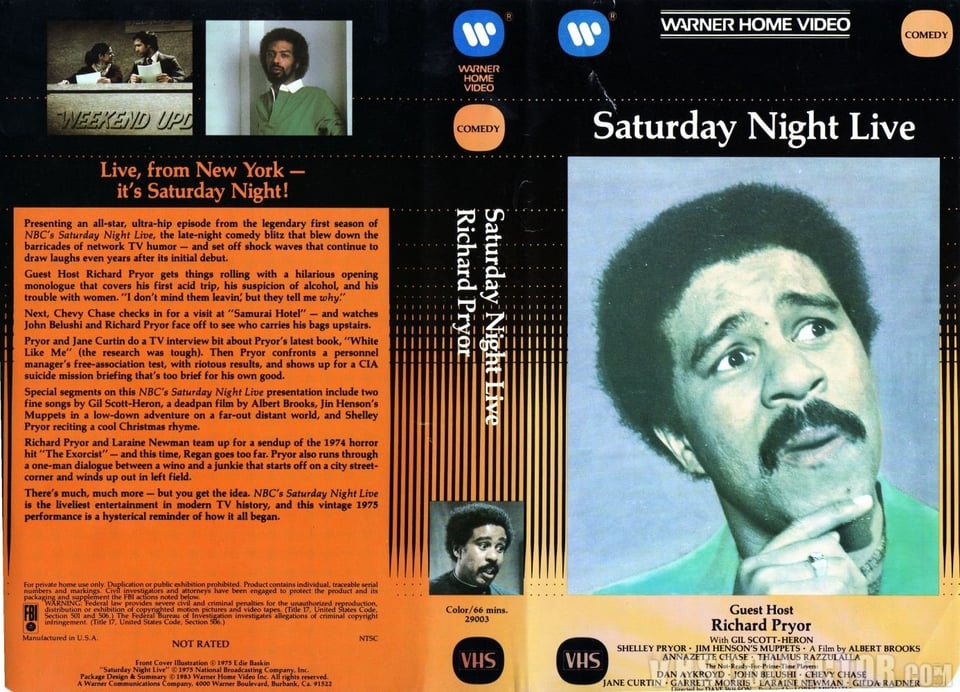
December 13th, 1975: Host Richard Pryor with Musical Guest Gil-Scot Heron
Dunno if this is bootleg or not.
When what was originally named NBC’s Saturday Night Live was being conceptualized Lorne Michaels and the execs at NBC had decidedly different ideas about ideal hosts. The squares in suits thought Rich Little and Bob Hope should stop by 30 Rock as often as possible.
Lorne Michaels, in sharp contrast, saw his recent collaborator Lily Tomlin and Richard Pryor as perfect hosts. Michaels was so committed to Pryor as a host, in fact, that he threatened to leave the show if he couldn’t have Pryor.
Lily Tomlin was the second female host of Saturday Night Live and kicked off the show’s second season because she possessed the exact skill set necessary to host the show. That extends to working well with Lorne Michaels, who wrote on her 1973 special Lily and won an Emmy for 1975’s The Lily Tomlin Special.The connection goes even further: Michaels was a writer for Laugh-In, the zeitgeist-capturing comedy variety show that made Tomlin a star.
She was a ringer who wasn’t just the most obvious host in the world; she’s the musical guest here as well.