In 2025: paper bags untouched for 38 years just solved a murder
Today in True Crime
by CaseBond · Source-backed daily true-crime history
July 6, 2026
In 2025: paper bags untouched for 38 years just solved a murder
For nearly four decades, the murder of Rhonda Marie Fisher sat unsolved inside a Douglas County, Colorado case file that had grown to thousands of pages. Then, in December 2025, investigators cracked it — using DNA extracted from the interior surfaces of two paper bags placed over Fisher's hands at the scene in 1987.
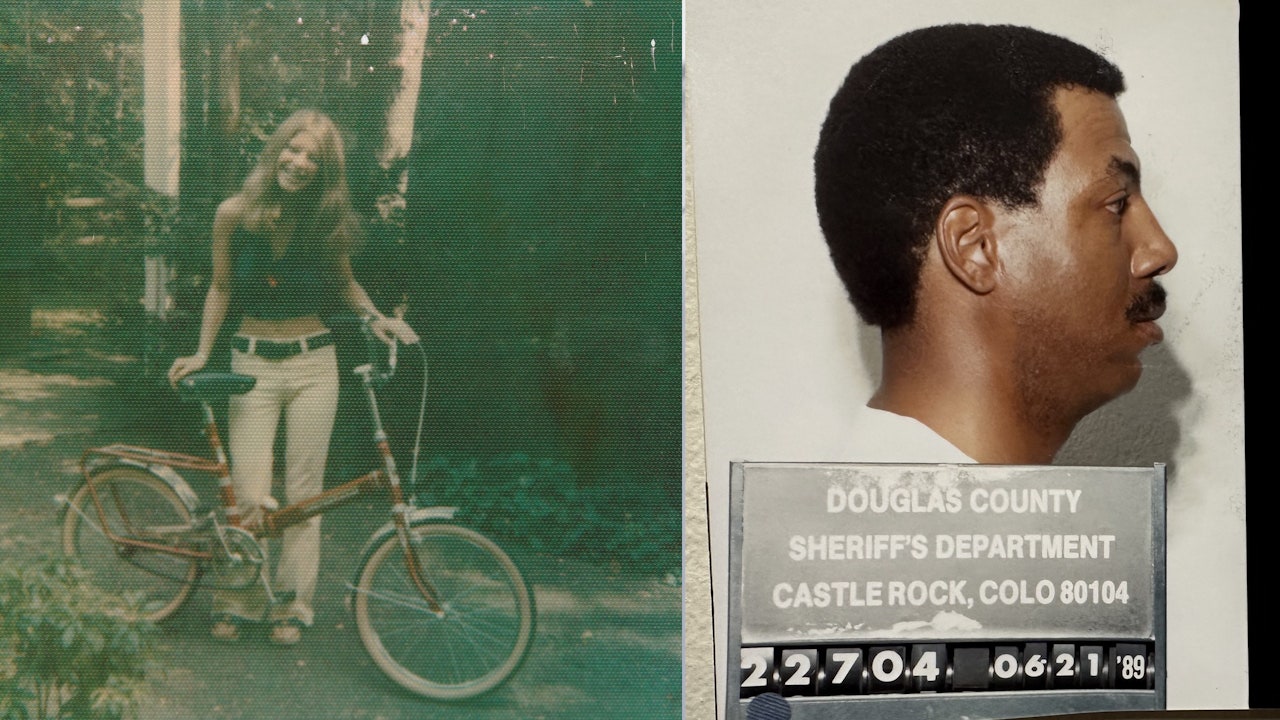
Fisher was thirty years old when she was found dead in rural Douglas County in 1987. From the first hours of the investigation, responding officers made a decision that would prove consequential nearly four decades later: they placed paper bags over her hands before she was removed from the scene, a standard forensic precaution intended to preserve trace evidence on the skin's surface. That routine step would ultimately break the case.
The death generated thousands of pages of accumulated material over the years — reports, witness statements, forensic analyses, and administrative memos that grew as the investigation aged without resolution. Detectives worked the case through the late 1980s and 1990s but were never able to identify a suspect. Without a match, the file gradually transitioned from active to cold, remaining officially open but effectively dormant.
When the Douglas County Sheriff's Office Cold Case Unit reopened the investigation in 2024, detectives confronted the full weight of that accumulated documentation. To manage it efficiently, the office deployed Tranquility AI's TimePilot evidence analysis platform, a tool designed to help investigators organize, search, and cross-reference large case files. Working systematically through almost forty years of material, the team identified items that might yield new results under modern forensic analysis.
Among those items were the original paper bags.
Forensic scientist Shane Williams explained at a December 2025 news conference that the rationale for testing them was based on the mechanics of evidence transfer: when the bags were placed over Fisher's hands at the scene, any biological material on her skin — skin cells, sweat, trace contact from a struggle — could have transferred to the bags' interior surfaces. Protected inside an evidence locker for nearly forty years, that transferred material might still carry a viable DNA profile.
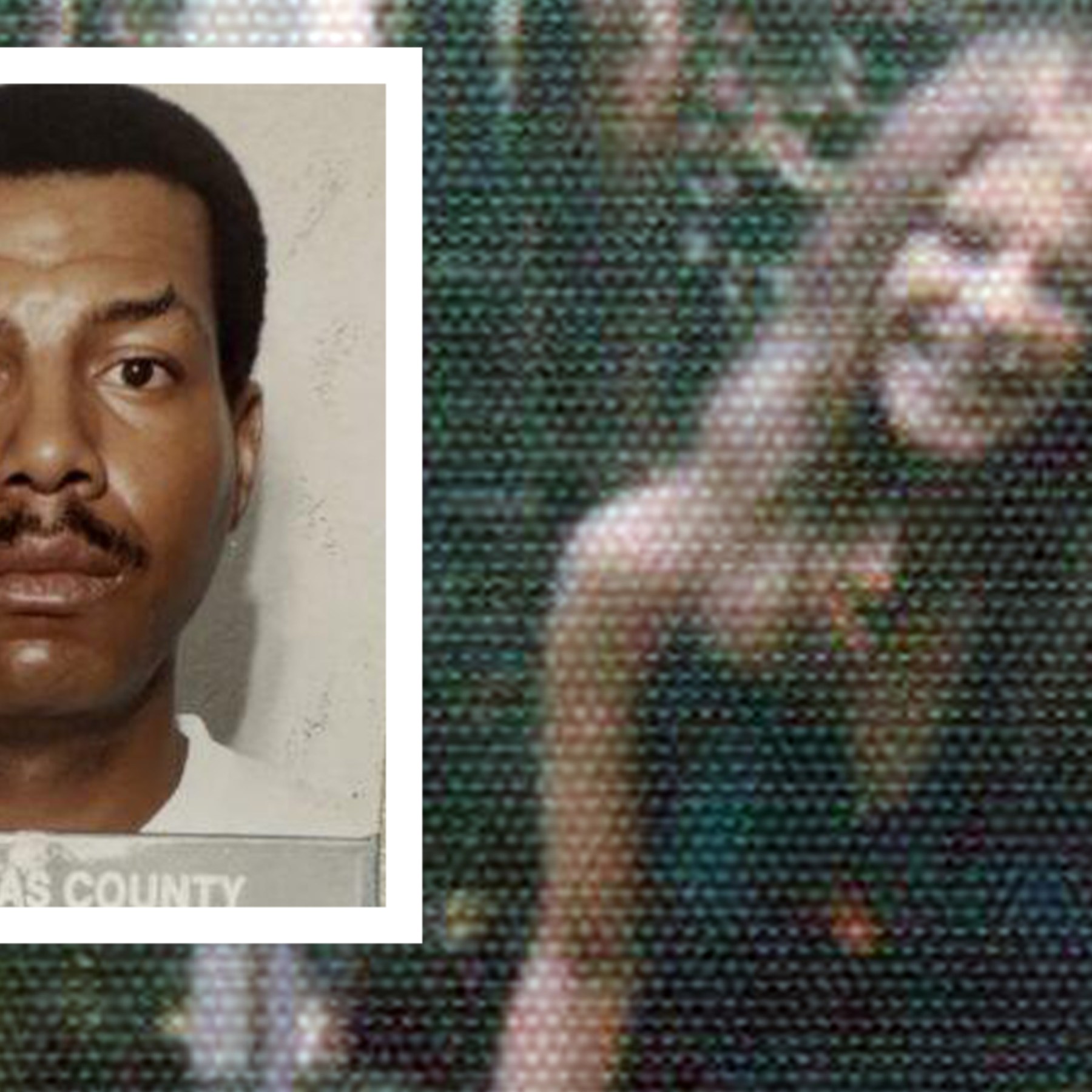
It did. Laboratory technicians successfully extracted usable DNA from the bags' interiors. The Douglas County Sheriff's Office described the result as "exceptionally rare," noting that "obtaining a viable DNA profile from paper bags nearly four decades old" was a testament to the meticulous evidence preservation carried out by the original investigators. That profile was then run against CODIS, the FBI's national index of DNA from convicted offenders, arrestees, and crime scene evidence compiled across the country.
The comparison returned a match: the DNA corresponded to Vincent Darrell Groves, a name already connected to multiple other homicide investigations. Authorities identified Groves as one of Colorado's most prolific serial killers. Fisher's 1987 murder was now linked to three additional homicide cases associated with him. A cold case file that had sat for decades was solved.
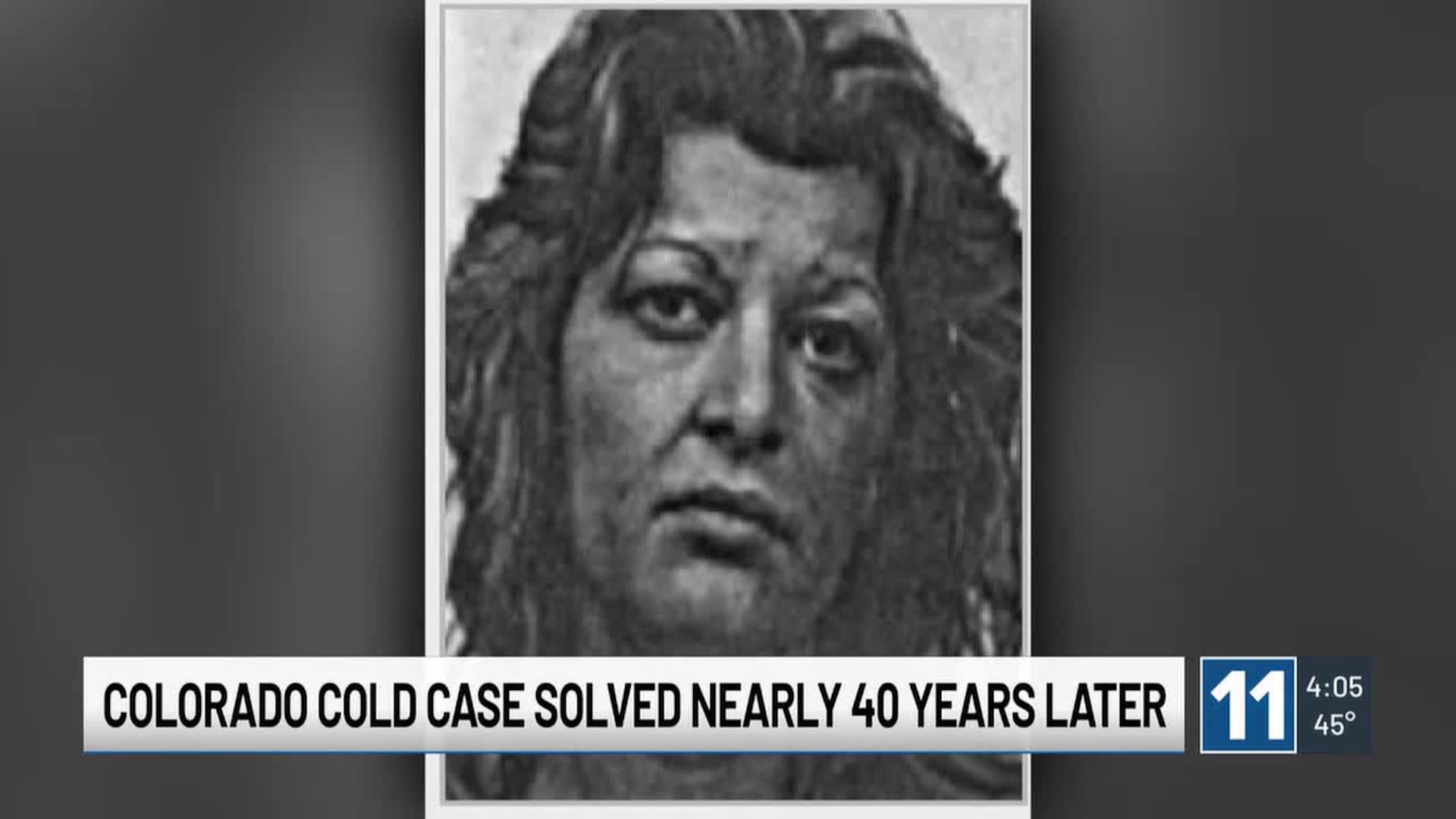
The Fisher case has since been cited in law enforcement circles as a demonstration of what meticulous evidence preservation makes possible across time. The investigators who bagged Fisher's hands in 1987 could not have foreseen that their procedural step would one day provide the key to identifying a serial killer. They followed protocol. The evidence waited.
What the case also illustrates is the unglamorous infrastructure of cold case work: years of file review, forensic re-examination, database queries, and AI-assisted document analysis that rarely generate headlines but occasionally produce breakthroughs. The deployment of TimePilot to manage decades of accumulated documentation represents one piece of that infrastructure — modern tools applied to preserve the investigative thread that time would otherwise sever.
For Rhonda Marie Fisher's family, the December 2025 announcement ended nearly four decades of uncertainty. For investigators and forensic professionals nationwide, the case stands as a reminder that evidence worth keeping is worth keeping meticulously — and that the technology to unlock its secrets may not yet exist at the moment of collection.
Also on this day
-
Mary Surratt — Death Warrant Read the Day Before Her Execution, July 6, 1865 · WikipediaOn July 6, 1865, Mary Surratt and the three other condemned Lincoln assassination conspirators were formally notified that they would hang the following morning. Surratt, a Washington, D.C. boarding house keeper convicted of conspiracy in Lincoln's murder, would become the first woman executed by the U.S. federal government when she was hanged on July 7, 1865.
-
Julius and Ethel Rosenberg — Death Sentence for Atomic Espionage, July 6, 1953 · Justia Supreme CourtJulius and Ethel Rosenberg were convicted and sentenced to death for conspiring to pass U.S. atomic secrets to the Soviet Union, one of the most contested capital cases of the Cold War era. The Supreme Court ultimately denied all appeals, and both were executed.
-
Goat Gland Doctor John Brinkley Faces Criminal Consequences, July 6, 1939 · WikipediaJohn R. Brinkley, the fraudulent physician who built a fortune by transplanting goat testicles into men and operating border blaster radio stations, faced legal consequences for his years of medical fraud. He had already been stripped of his medical license in Kansas and other states before additional rulings curtailed his operation.
-
Charles Travis Whiteside Executed in Texas, July 6, 1865 · Legacy.comCharles Travis Whiteside was executed by firing squad in Texas for murder. The execution took place during the chaotic post-Civil War period when frontier justice and formal legal proceedings overlapped across the state.
-
Amber Hagerman Abducted in Arlington — Her Murder Inspired the AMBER Alert, July 6, 1996 · Reddit r/UnresolvedMysteriesNine-year-old Amber Hagerman was abducted while riding her bike in Arlington, Texas, and was found murdered days later. Her case led directly to the creation of the AMBER Alert emergency notification system, credited with saving hundreds of children's lives since its nationwide rollout.
-
Susie Jaeger Kidnapped from Montana Campground — Serial Killer David Meirhofer, July 6, 1973 · WikipediaYoung Susie Jaeger was abducted from her family's campsite in rural Montana. The kidnapping led investigators to David Meirhofer, a local man who confessed to four murders in the state between 1967 and 1974. The FBI's developing criminal profiling methodology was tested in the Meirhofer investigation, an early case in the field's history.
-
Shannan Gilbert Vanishes on Long Island — Gilgo Beach Killings Uncovered, July 6, 2010 · The Dark Oak PodcastShannan Gilbert, a 24-year-old escort, disappeared after making a frantic 911 call from Oak Beach, Long Island. The search for Gilbert triggered discoveries of multiple victims along Ocean Parkway, ultimately exposing the Gilgo Beach serial killings — one of the most significant active serial killer investigations in U.S. history.
-
Samantha Koenig Abducted by Serial Killer Israel Keyes, July 6, 2012 · Alaska Public MediaEighteen-year-old Samantha Koenig was abducted from an Anchorage coffee stand by Israel Keyes, a predatory serial killer who traveled across the country to commit crimes far from home. Keyes later confessed to multiple murders before dying in custody in December 2012.
-
Ricky Hatton's Car Torched in Targeted Attack on His Son, July 6, 2025 · Express.co.ukCampbell Hatton, son of boxing champion Ricky Hatton, had his late father's car set on fire in what police described as a targeted attack, less than a year after Ricky Hatton's death. The arson destroyed a vehicle Campbell had kept as a prized memento.
Just hit reply. Tell me what grabbed you, what you'd want more of, or a case you can't stop thinking about. I read everything.
Sources used/checked for this issue
- Sheriff's office: 1987 cold case murder solved, linked to one of Colorado's most prolific serial killers, KKTV — "Sheriff's Office: 1987 Cold Case Murder Solved," KKTV, December 2, 2025. https://www.kktv.com/2025/12/02/sheriffs-office-1987-cold-case-murder-solved-linked-one-colorados-most-prolific-serial-killers
- Colorado cold case murder from 1987 solved with DNA from paper bags on victim's hands, CNN — "Colorado cold case murder from 1987 solved," CNN, December 3, 2025. https://www.cnn.com/2025/12/03/us/colorado-cold-case-murder-rhonda-fisher-hnk
- Authorities solved 1987 cold case murder, linked to one of most prolific serial killers, KWCH — "Authorities solved 1987 cold case murder," KWCH, December 2, 2025. https://www.kwch.com/2025/12/02/authorities-solved-1987-cold-case-murder-linked-one-most-prolific-serial-killers
- Cold case solved after DNA from paper bags on victim's hands identifies serial killer, Police1 — "Cold case solved after DNA from paper bags," Police1. https://www.police1.com/police-products/investigation/cold-case-solved-after-dna-from-paper-bags-on-victims-hands-identifies-serial-killer
Today in True Crime by CaseBond — 2026-07-06
