In 1969: the night the Stonewall Inn fought back
Today in True Crime
by CaseBond · Source-backed daily true-crime history
June 28, 2026
In 1969: the night the Stonewall Inn fought back
In the early morning hours of June 28, 1969, New York City police pushed through the doors of the Stonewall Inn, a gay bar on Christopher Street in Greenwich Village, expecting another routine vice raid. By the standards of the era, the playbook was familiar: officers swept in, threatened and shoved staff and patrons, demanded identification, and forced individuals to prove that their gender presentation matched what the police expected to see. Those who failed the test, or simply got in the way, faced arrest on charges as elastic as "disorderly conduct." What the officers did not expect that night was that the crowd would refuse to scatter. Instead of dispersing in fear, the patrons and the onlookers gathering on the street fought back — and the confrontation that followed ran for roughly six days, reshaping the relationship between LGBTQ+ Americans and the institutions that had policed them for decades.
To understand why a single raid became a turning point, you have to understand how precarious a place the Stonewall Inn actually was. Before the uprising it was a Mafia-run establishment, operated by members of the Genovese crime family who recognized the profit in serving a clientele almost everyone else turned away. Patrons drank overpriced, watered-down, frequently bootlegged liquor in a bar that operated without proper licensing. New York State law made the arrangement possible and dangerous at once: rules restricting service to gay patrons meant any bar catering to them risked losing its license, which kept such places in a legal gray zone and made them reliable targets for police harassment and shakedowns.
The legal climate beyond the bar's doors was just as hostile. The American Psychiatric Association classified homosexuality as a mental disorder until 1973, a designation that lent a veneer of legitimacy to discrimination, job loss, and social ostracism. For the people who gathered at Stonewall, the bar was one of the few spaces where they could exist openly, and the raid on June 28 felt like the violation of a rare sanctuary. The crowd that night was a true cross-section of the community the rest of the city preferred not to see — gay men, lesbians, transgender people, and drag queens of widely varied racial and economic backgrounds. Many were among the most marginalized people in the city, with the least to lose and the most reason to be furious.
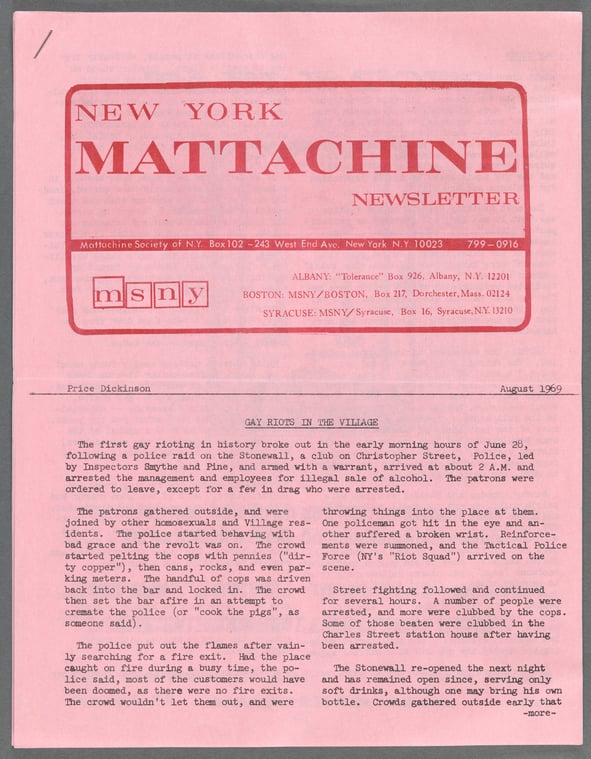
What distinguished this raid from the dozens before it was the response. Accounts of the exact spark vary, but the broad outline is consistent: the crowd's anger overwhelmed any instinct toward quiet compliance, objects were thrown, and the police suddenly found themselves facing a furious crowd rather than frightened targets. Word spread through the neighborhood's networks, and each subsequent night drew more participants into clashes that spilled out across Greenwich Village. For many who had lived in isolation and fear, those nights were the first time they had stood together, openly, against the people who policed them.
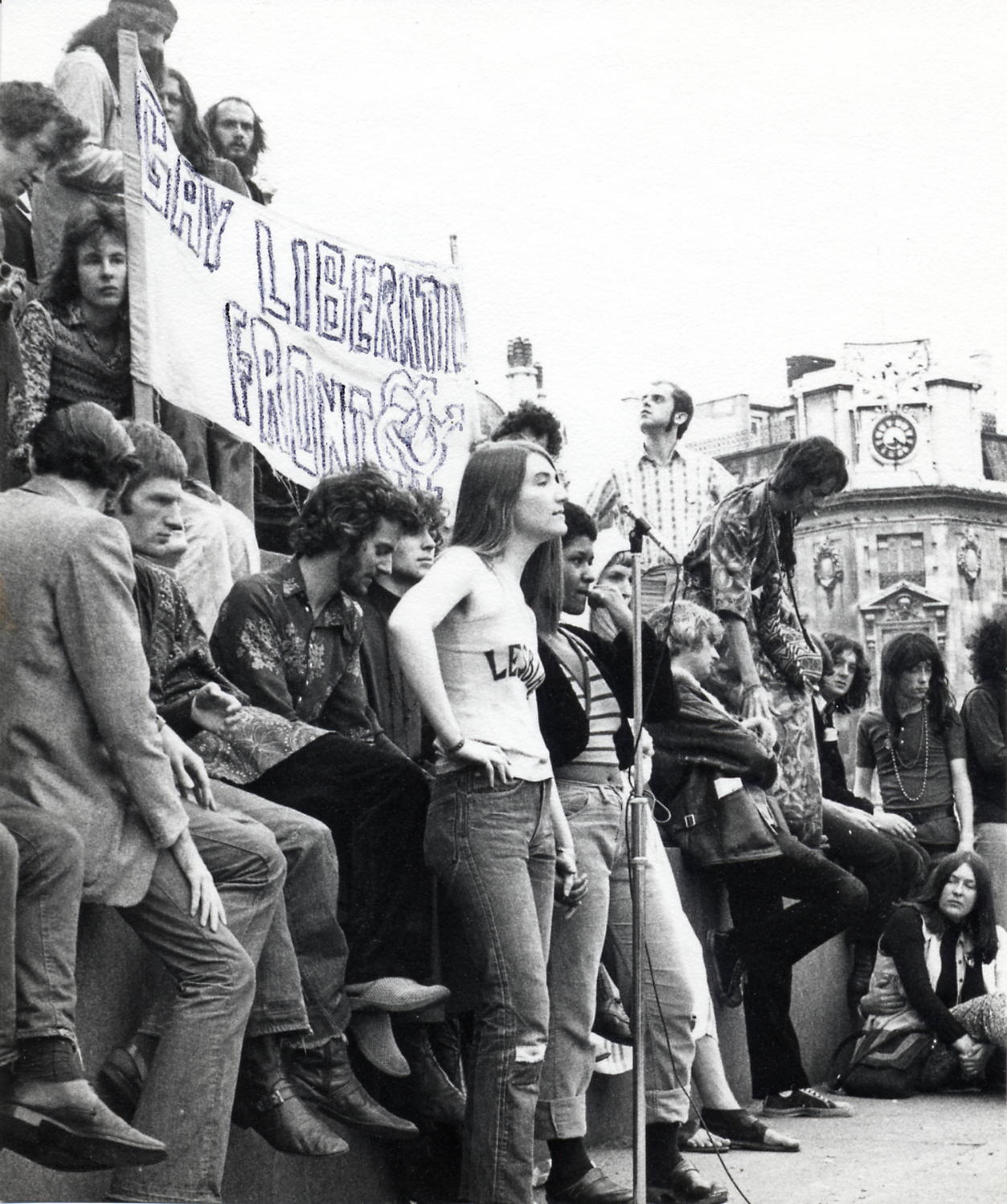
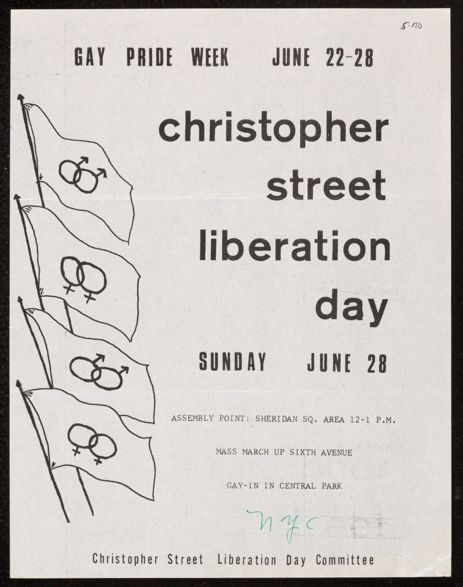
The aftermath is what makes Stonewall endure. In the immediate wake of the uprising, the Gay Liberation Front formed, trading the cautious, reform-minded approach of earlier organizations for a confrontational demand for full equality rather than mere tolerance. Historians and institutions widely credit the uprising as the catalyst that accelerated and reshaped the modern LGBTQ+ rights movement, and the annual commemorations that grew out of it became the Pride marches now held around the world.
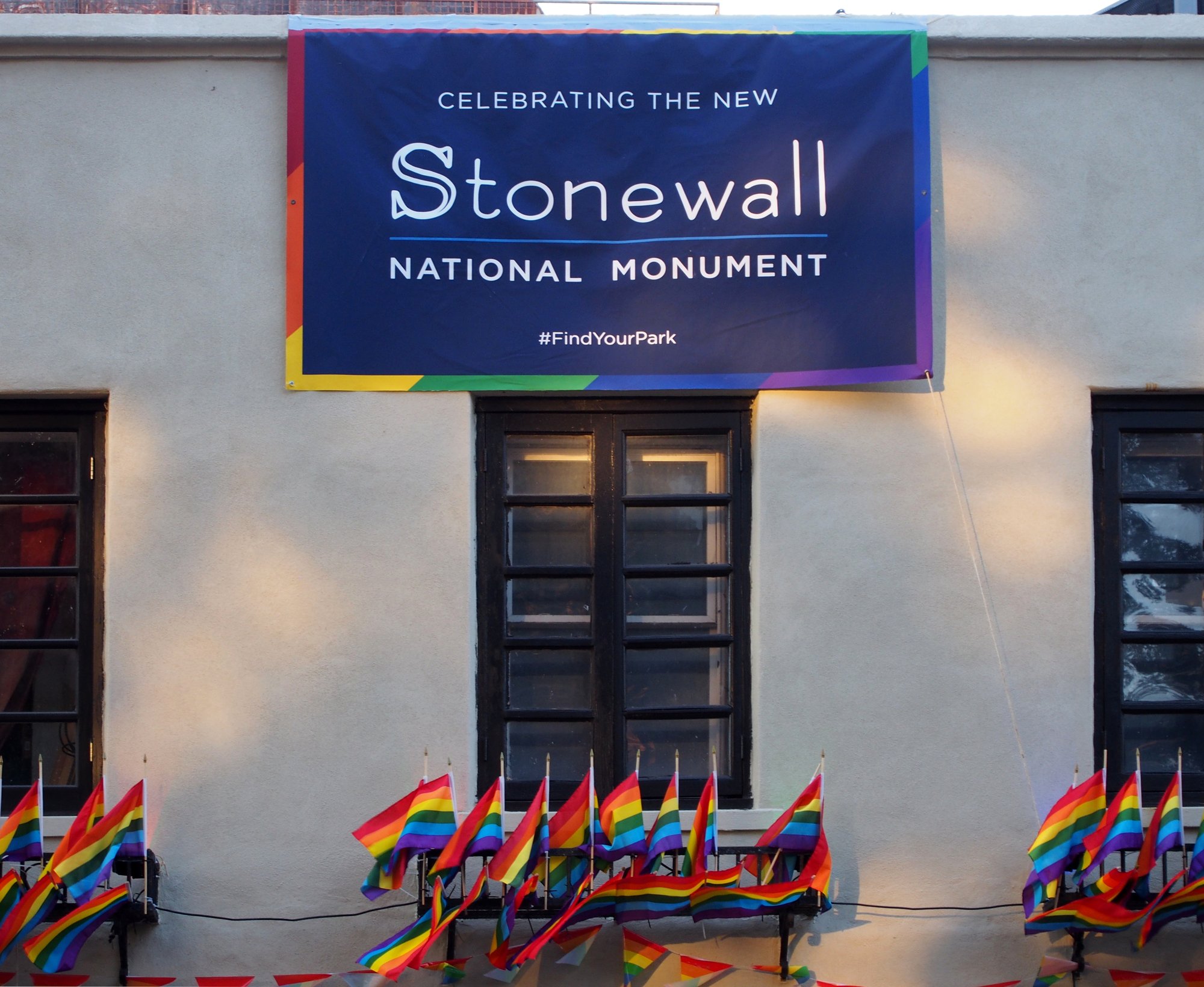
That historical weight has since been formally recognized. In 2016, President Barack Obama designated the Stonewall Inn and the surrounding Christopher Street area a National Monument — the first such site dedicated to LGBTQ+ history. The story also carries a quiet coda about accountability: the only known photograph from the first night of the riots was taken by freelance photographer Joseph Ambrosini, and in June 2019, fifty years on, the NYPD's commissioner publicly apologized for the actions of its officers that night. The official 50th-anniversary commemoration was held on June 28, 2019, on Christopher Street in front of the Stonewall Inn — a rally on the same ground where, half a century earlier, a routine raid had met an unexpected refusal to comply.
Also on this day
-
Capital Gazette shooting - Wikipedia — 2018 · WikipediaOn <strong>June</strong> <strong>28</strong>, <strong>2018</strong>, <strong>a</strong> <strong>mass</strong> <strong>shooting</strong> occurred at the offices of The <strong>Capital</strong>, a newspaper serving <strong>Annapolis</strong>, Maryland, United States. The gunman, Jarrod Ramos, killed f
-
Ted Bundy - Wikipedia — 1978 · WikipediaOn <strong>June</strong> <strong>28</strong>, 15-year-old <strong>Susan</strong> <strong>Curtis</strong> vanished from the campus of Brigham Young University in <strong>Provo</strong>, 45 miles (70 km) south of Salt Lake City. Her murder became <strong>Bundy</strong>'s last confession, tape-rec
-
Joey Merlino - Wikipedia — 1999 · WikipediaFollowing Natale's arrest for parole violation in <strong>1999</strong>, <strong>Merlino</strong> officially took over the <strong>crime</strong> <strong>family</strong>, cutting off Natale. On <strong>June</strong> <strong>28</strong>, <strong>1999</strong>, <strong>Merlino</strong> was indict
-
Grassie LDS church arson — 1998 · deseret.comGrassie is <strong>accused of burning the Roswell church and vandalizing three other southern New Mexico LDS churches after the January 1998 breakup of his eight-year affair with Sharlene Jensen</strong>, a married woman who was the organist at the Roswell church. ALBUQUERQUE -- A federal fire inves
-
Gilgo Beach serial killings - Wikipedia — 1997 · WikipediaVergata, 34, was involved in sex work when she vanished. June 28, 1997: <strong>The partial remains of a woman are discovered inside a plastic tub in a state park in West Hempstead, New York</strong>. In 2010, police searching for a missing woman began finding human remains in the scrub along a barr
Just hit reply. Tell me what grabbed you, what you'd want more of, or a case you can't stop thinking about. I read everything.
Sources used/checked for this issue
- Stonewall riots, Wikipedia — "Stonewall riots," Wikipedia. https://en.wikipedia.org/wiki/Stonewall_riots
- The Stonewall Riots, HISTORY — "The Stonewall Riots," HISTORY. https://www.history.com/articles/the-stonewall-riots
- How the Stonewall uprising ignited the modern LGBTQ rights movement, National Geographic — "How the Stonewall uprising ignited the modern LGBTQ rights movement," National Geographic. https://www.nationalgeographic.com/history/article/stonewall-uprising-ignited-modern-lgbtq-rights-movement
- The Stonewall Inn Through the Years, PBS — "The Stonewall Inn Through the Years," PBS American Experience. https://www.pbs.org/wgbh/americanexperience/features/stonewall-inn-through-years/
- Stonewall Uprising, Empire State Plaza / New York State — "Stonewall Uprising," New York State (Empire State Plaza). https://empirestateplaza.ny.gov/stonewall-uprising
Today in True Crime by CaseBond — 2026-06-28
