In 1874: The kidnapping that invented American ransom crime
Today in True Crime
by CaseBond · Source-backed daily true-crime history
July 1, 2026
In 1874: The kidnapping that invented American ransom crime
On the afternoon of Wednesday, July 1, 1874, two men steered a horse-drawn carriage to a stop near the stone mansion on East Washington Lane in Germantown, Philadelphia. They were not strangers to the children who lived there. Over the preceding days, they had made a point of lingering near the house, chatting with the boys, handing out sweets, making themselves into familiar, welcome figures. On this particular afternoon, they had something better than candy to offer: fireworks. Four-year-old Charley Ross and his six-year-old brother Walter climbed in. Only one of them would come home.
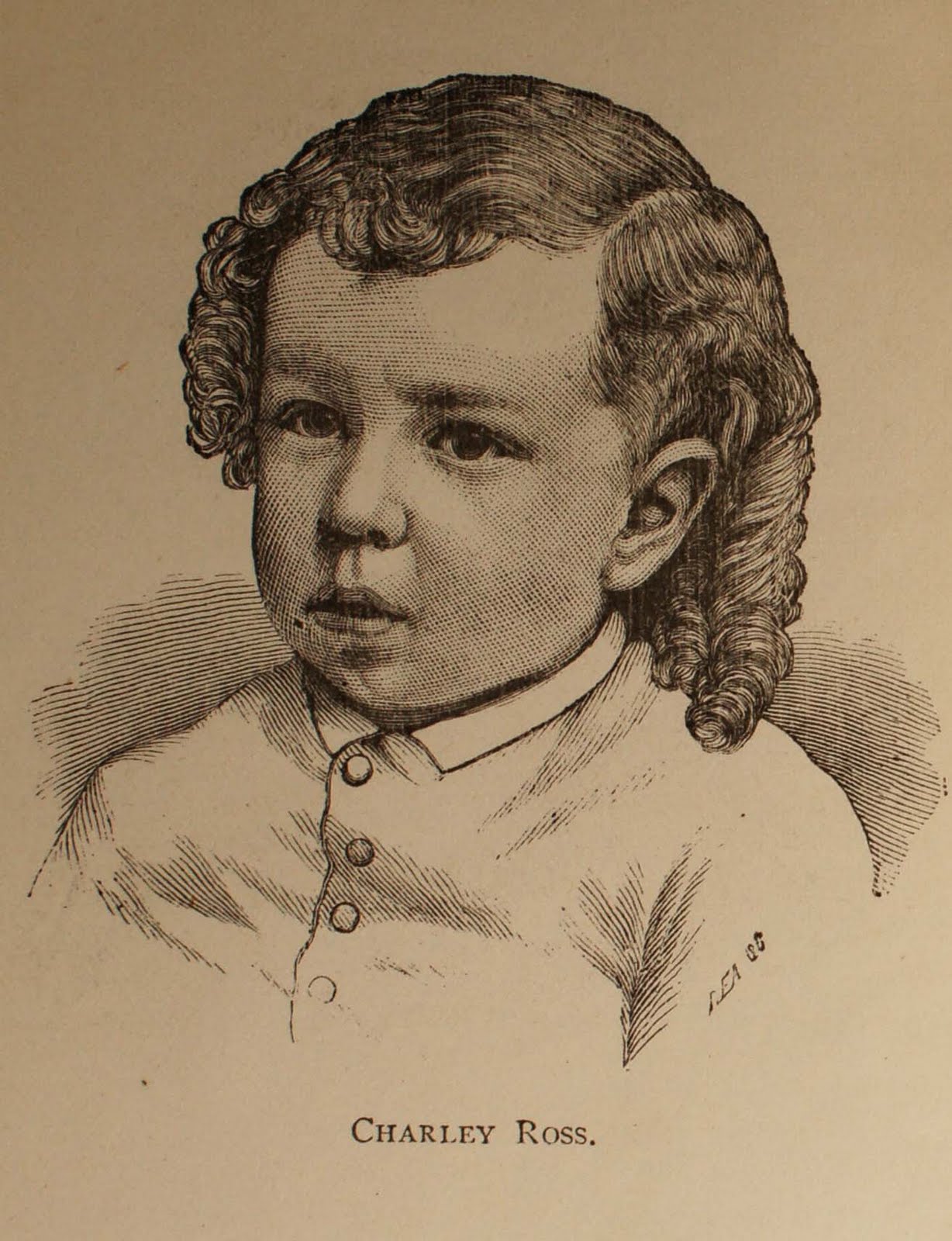
The Charley Ross abduction became the first kidnapping for ransom in American history — a crime so without precedent that law enforcement had no framework for it, families had no language for its specific terror, and newspapers had no template for its coverage. It would remain the defining case of its kind for nearly sixty years, until the Lindbergh baby was taken from his crib in New Jersey in 1932.
Christian K. Ross had built his reputation as a prosperous dry-goods merchant and was well regarded in Germantown, then a prestigious community within the corporate limits of Philadelphia. The family's stone mansion on East Washington Lane reflected that success. It was the kind of household that announced security and standing. What it could not announce — because no one had yet learned to fear it — was that prosperity made a family a target.
Charley had been born on May 4, 1870, which made him four years old that summer. In the weeks before July 1, two men had gone to some trouble to befriend the Ross boys — offering candy on repeated visits, building the kind of easy, uncritical trust that small children extend to adults who give them things. It was a grooming technique that would become disturbingly familiar in kidnapping cases across American history, but in 1874 it had no name and no recognized pattern. The boys had no reason to be wary.
On the day of the kidnapping, the men arrived with their most persuasive offer yet: a trip to purchase fireworks for the approaching holiday. The boys got into the carriage. Somewhere along the route, only Walter was returned.
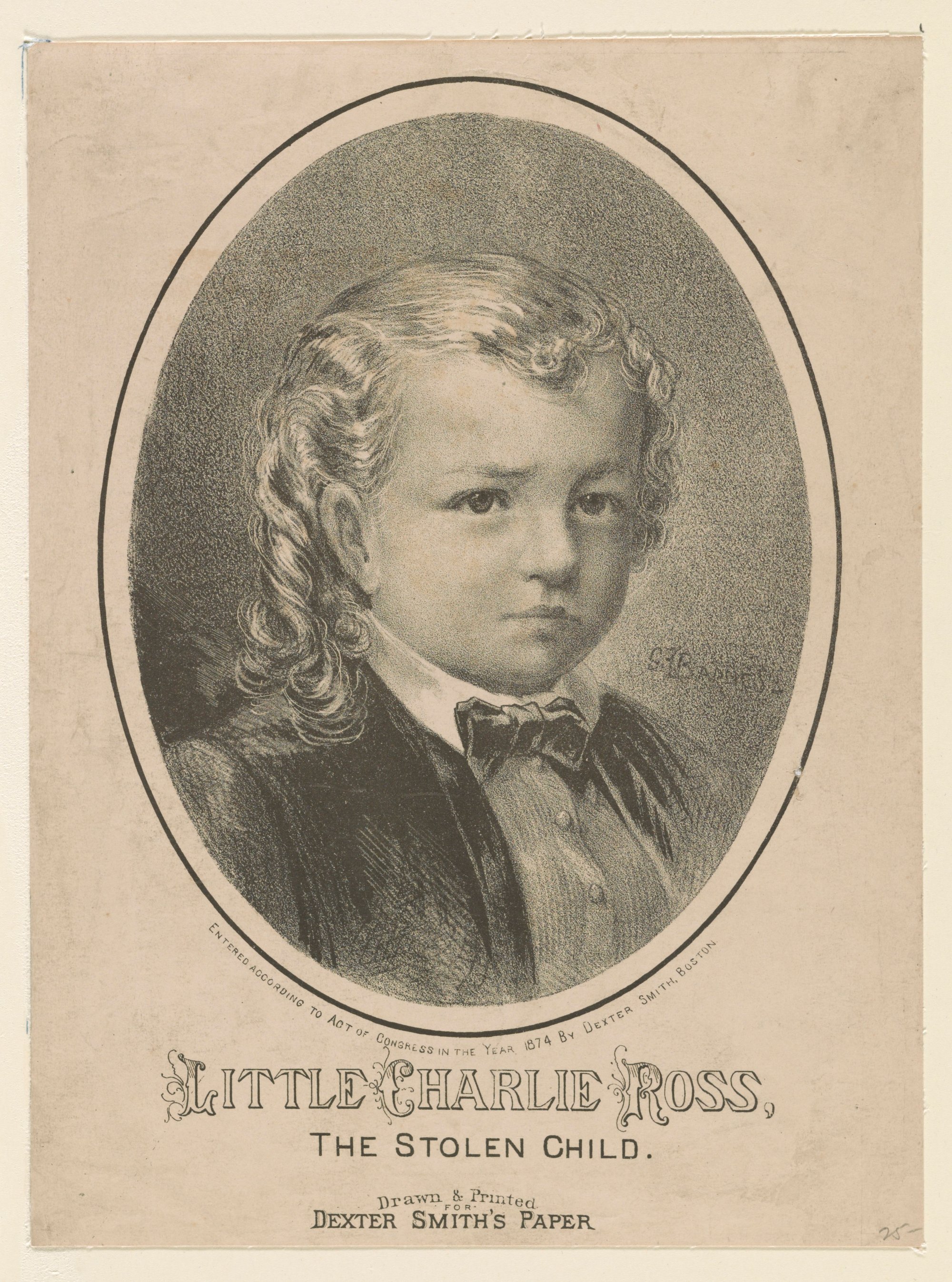
Within days of the kidnapping, Christian Ross began receiving letters from the men who had taken his son. The communications were postmarked from Philadelphia — the kidnappers had not fled to another city or state. They had a demand: $20,000, an enormous sum in 1874 and equivalent to hundreds of thousands of dollars today. The threat was explicit: pay, or Charley Ross would be killed.
Christian Ross found himself navigating a crisis with no map. No American parent had faced a ransom kidnapping before him. There were no established protocols, no trained hostage negotiators, no legal framework developed specifically for this kind of extortion. The family's wealth, which had always signified security, had made them a target. Ross had to decide, without any guiding precedent, whether to pay and what leverage — if any — remained with him.
The case drew intense national attention almost immediately. Newspapers across the country covered every letter, every police theory, every failed lead. The story of the missing Ross boy became one of the defining media events of the Gilded Age, demonstrating both the public's appetite for crime coverage and the power of the press to sustain national interest over months and then years. Law enforcement improvised without any established investigative model for a crime of this type.
Walter's return to the family never led to Charley's. Despite sustained investigative effort and a national press campaign that kept the case in front of the public, Charley Ross was never found. What became of him — whether he died while in his captors' custody, was killed by them, or lived somewhere under a different name — has never been established. The original ransom note demanding $20,000 for a four-year-old boy's life survived its principals and was later sold at auction in Philadelphia, a document that had outlasted everyone involved.
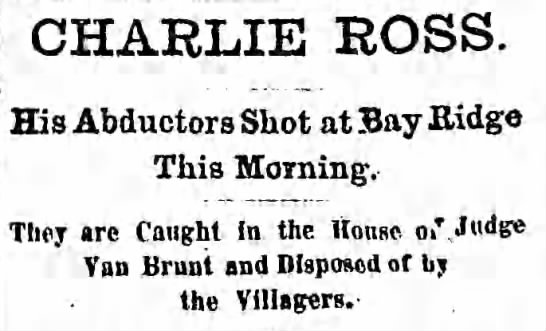
The case established a template that American criminals would follow for the better part of a century. It was the first kidnapping for ransom in the history of the United States, and it remained the most notorious of its kind until 1932. The Ross kidnapping forced a reckoning with a vulnerability that had never been clearly articulated before: that a family's wealth, far from protecting its children, could make them prizes. Stone mansions and social standing offered no defense against two men with a carriage and a prepared story about fireworks.
One hundred and fifty-two years later, the date that was supposed to begin a holiday still carries the weight of a boy who never came home — and a mystery that no investigation, however sustained, has ever closed.
Also on this day
-
Kevin Verville Jr. Infant Abduction, July 1, 1980 · NBC News / DatelineOn July 1, 1980, Kevin Verville Jr. was abducted as an infant by a woman calling herself 'Sheila' in Oceanside, California. The case remains open; the San Diego FBI and the National Center for Missing and Exploited Children continue to investigate, recently releasing a new age-progression image.
-
Casey Anthony Murder Trial — Defense Winds Down, July 1, 2011 · WikipediaOn July 1, 2011, the defense in the Casey Anthony murder trial was concluding its case in Orlando, Florida. Anthony was accused of killing her two-year-old daughter Caylee in 2008; her defense team maintained Caylee had drowned accidentally and described the prosecution's forensic case as 'fantasy forensics.'
-
Trump Organization and CFO Allen Weisselberg Indicted for Tax Fraud, July 1, 2021 · The New York TimesOn July 1, 2021, the Trump Organization and its longtime CFO Allen Weisselberg were indicted in Manhattan on charges including tax fraud, grand larceny, and related crimes stemming from an alleged 15-year scheme to provide senior executives with undisclosed off-the-books compensation.
-
Burari Mass Suicide — Eleven Bodies Discovered, July 1, 2018 · WikipediaOn July 1, 2018, the bodies of eleven members of the Bhatia family were discovered in their home in Burari, Delhi, India. Ten had been found hanged and the 80-year-old grandmother had been strangled. Investigators concluded the deaths were a ritual mass suicide carried out under the influence of a family patriarch's spiritual beliefs.
-
LAPD Appoints First Criminalist, July 1, 1923 · LA AlmanacOn July 1, 1923, Officer Rex Welsh of the Los Angeles Police Department was assigned as the department's first criminalist and tasked with establishing a forensic science laboratory to support criminal investigations — a landmark moment in the history of American crime science.
-
Robert Roberts Exonerated — 200th U.S. Death Row Exoneration, July 1, 2024 · Death Penalty Information CenterRobert Roberts became the 200th person exonerated from death row in the modern American death penalty era, a milestone documented by the Death Penalty Information Center and highlighting the systemic risks of wrongful capital convictions.
-
U.S. Supreme Court Rules Presidents Have Presumptive Criminal Immunity, July 1, 2024 · WikipediaOn July 1, 2024, the U.S. Supreme Court ruled in Trump v. United States that a president's official acts carry presumptive immunity from criminal prosecution, a landmark decision with direct implications for the federal criminal case against former President Donald Trump.
Just hit reply. Tell me what grabbed you, what you'd want more of, or a case you can't stop thinking about. I read everything.
Sources used/checked for this issue
- Kidnapping of Charley Ross, Wikipedia — "Kidnapping of Charley Ross," Wikipedia. https://en.wikipedia.org/wiki/Kidnapping_of_Charley_Ross
- Charley Ross, ushistory.org — "Charley Ross," ushistory.org. https://www.ushistory.org/germantown/upper/charley.htm
- Kidnapping Little Charley Ross, Yale Review — "Kidnapping Little Charley Ross," Yale Review. https://yalereview.org/article/kidnapping-little-charley-ross-1874
- Christian K. Ross Papers, University of Michigan Bentley Historical Library — Christian K. Ross Papers, University of Michigan Bentley Historical Library. https://findingaids.lib.umich.edu/catalog/umich-wcl-M-6018ros
- The Kidnapping of Charley Ross, 1874, Historical Crime Detective — "The Kidnapping of Charley Ross, 1874," Historical Crime Detective. https://www.historicalcrimedetective.com/the-kidnapping-charley-ross-1874/
- Charley Ross ransom note auction record, Rare Book Hub — Charley Ross ransom note auction record, Rare Book Hub. https://www.rarebookhub.com/articles/1568
Today in True Crime by CaseBond — 2026-07-01
