my soul will be inside grasses

A little while ago, I discovered what quickly became my favourite piece of music in a long time. As it turned out, it has an interesting background as well. Two Polish musicians, Mateusz Wysocki (Fischerle) and Krzysztof Ostrowski, have been making electronic music for a while. Occasionally, they invite other artists to join them, including MA, a Japanese spoken-word artist. The first outcome of that collaboration was entitled REIFSMA.
But then they invited more artists from Japan and Poland to remix the REIFSMA pieces, resulting in REIFSMA REMIXED. The outcome is the most thrilling music I’ve heard ever since Funkstörung remixed Björk’s All is Full of Love.
It’s striking to me how much the boundaries are being pushed — the music moves towards complete abstraction; and yet, somehow it not only works, it’s also unbelievably catchy (well, at least for me). If you’re curious, maybe try Yaksoq (Ace-up Remix). All of those different voices — that’s the same guy.
Apparently, there’s a term for this kind of music: footwork. (Just as an aside, those very detailed Wikipedia entries for different types of electronic music are endlessly fascinating to me.)
I have been wondering for a long time why we don’t have in the world of photography what contemporary musicians take for granted: collaborations, remixes… Photographers rarely collaborate, to produce something together. And the idea of a remix — someone taking a photographer’s body of work and re-organizing it — is more or less unheard of.
Maybe this is because photographers think of themselves as painters’ peers. Granted, a lot of photographers became photographers in art school because painting was too difficult and/or too much work. Still, it’s 2026, and you would imagine that photographers look around, to see what’s being done outside of their beloved academy?!
I guess not.
Anyway, here is what I have collected for you since my previous email:
More incredible music, this time by two people who appear to have emerged out of Augustin Rebetez’s world. It’s wildly inventive in the best possible ways — and really well done.
“When I was 15,” Jess Davies writes, “boys shared intimate images of me around my school and hometown without my consent, and changed the course of my life. What followed was years of men violating me with tech.”
As someone who defines photography not through what it is but rather what it does and how it is being used, I do think that this kind of stuff needs to get a lot more attention in photoland than it does.
It seems much too convenient to me to claim that if someone has some racist chat bot (“Grok”) generate fake nudes of someone, then that’s not photography. It is photography, even if it’s a kind of photography we’d rather not deal with.
“Influencers have learned just as much from artists as the other way around,” writes Sarah Brouillette, “the flexibility and precarity that have long defined creative work—the need to self-brand and do entrepreneurial “self-invented work,” as McRobbie puts it, with no accountable employer—now broadly characterize the labor of social media content production. If influencers are the vanguard today, it is because the networks and platforms that induce them to act in certain ways become more inescapable by the day, compelling anybody who wants to be visible online to obey the algorithmic boss, who requires so much and promises so little.”
In principle, I don’t really need to know anything about influencer culture. But the book Brouillette reviews sounds really interesting, so I ordered a copy.
Last month, I encountered a startling video. It showed a classroom in Iran. The students had created a little memorial for their teacher’s dead son (who had been one of the many victims of the regime’s mass murder of protestors). The memorial included a video playing on a TV screen. The teacher had no idea what he would encounter, and it was really touching to see his reaction. You can see the video here.
I was curious about the music playing. On BlueSky, someone posted a link to an earlier recording, produced in 2022 during the Woman, Life, Freedom protests:
In the description and in the comments, there are the lyrics (with translations). Part of them read:
چون، روز دیگر آید روحم جان سبزه هاست
خورشید جاودان آزادی نور آسمان ماست
When the next dawn arrives, my soul will be inside grasses but eternal sun of liberty will shine in our sky.
سوگند به خون همرهانم
سوگند به اشک مادران
هرگز به تیغشان نمیرد فریاد جاودان مااااااااااااااااا
I swear on my friends blood
I swear on mothers’ tears
That their daggers could never kill our eternal call (for liberty)
(I’m writing this email as bombs are falling on Iran that were partly paid for with my tax money. I have no words to describe my shame and dismay.)
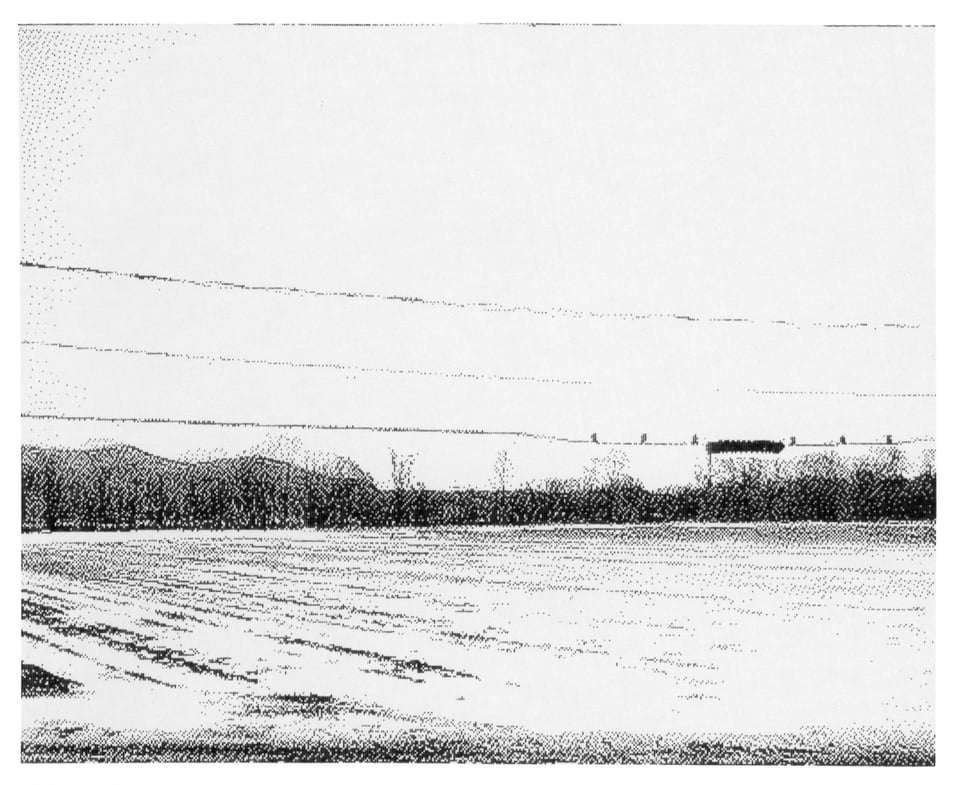
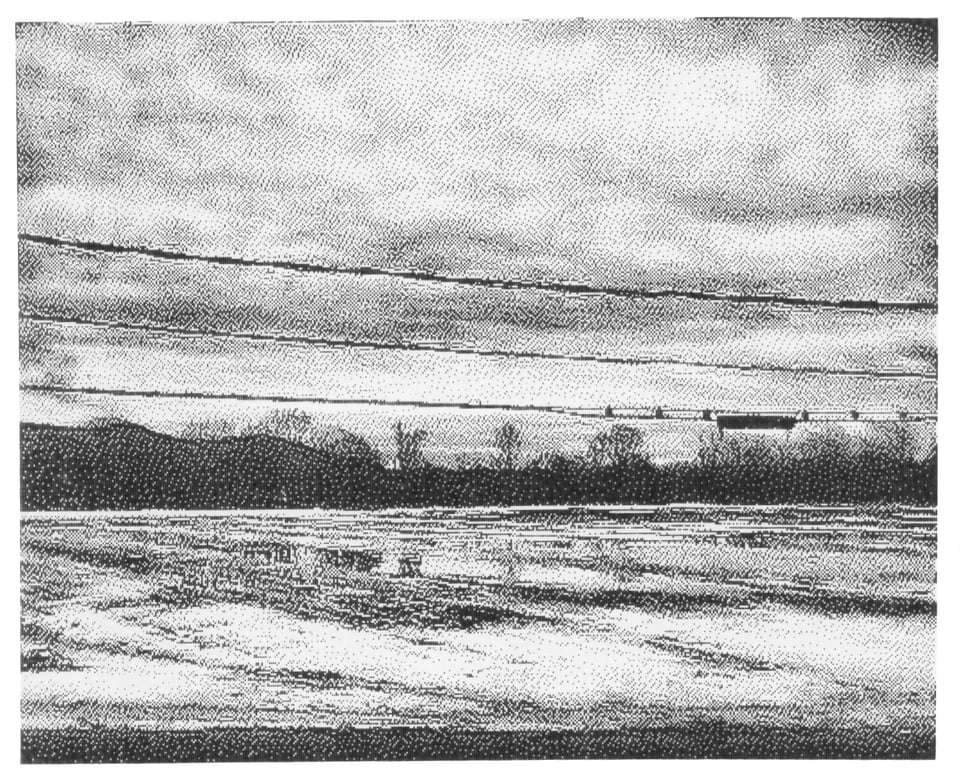
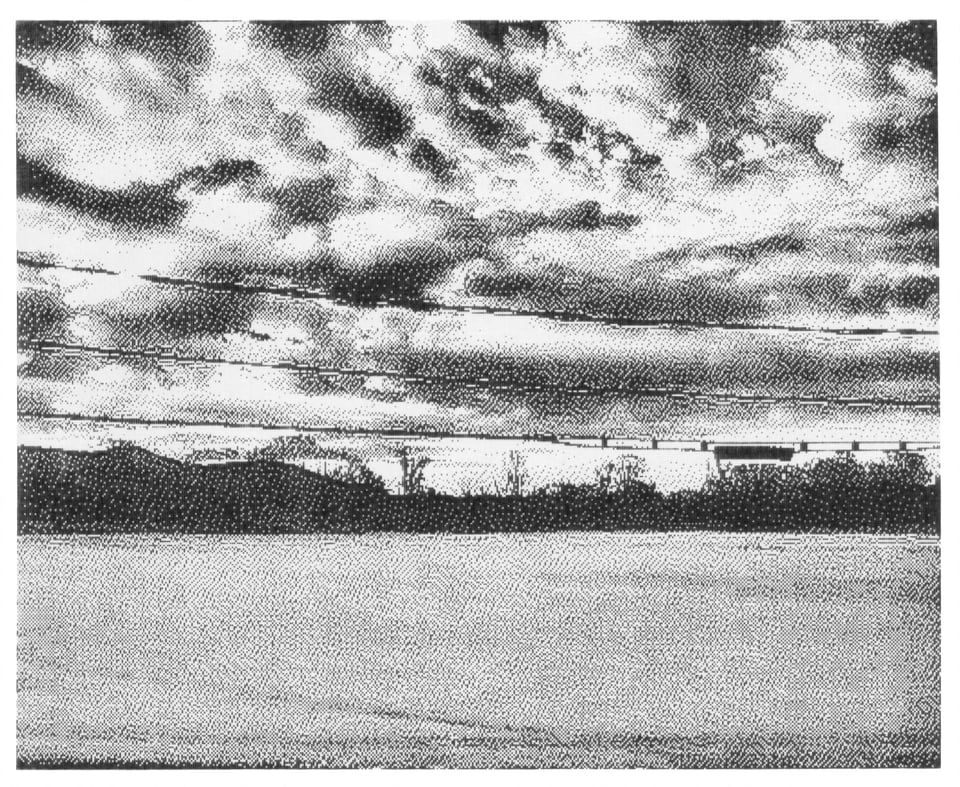
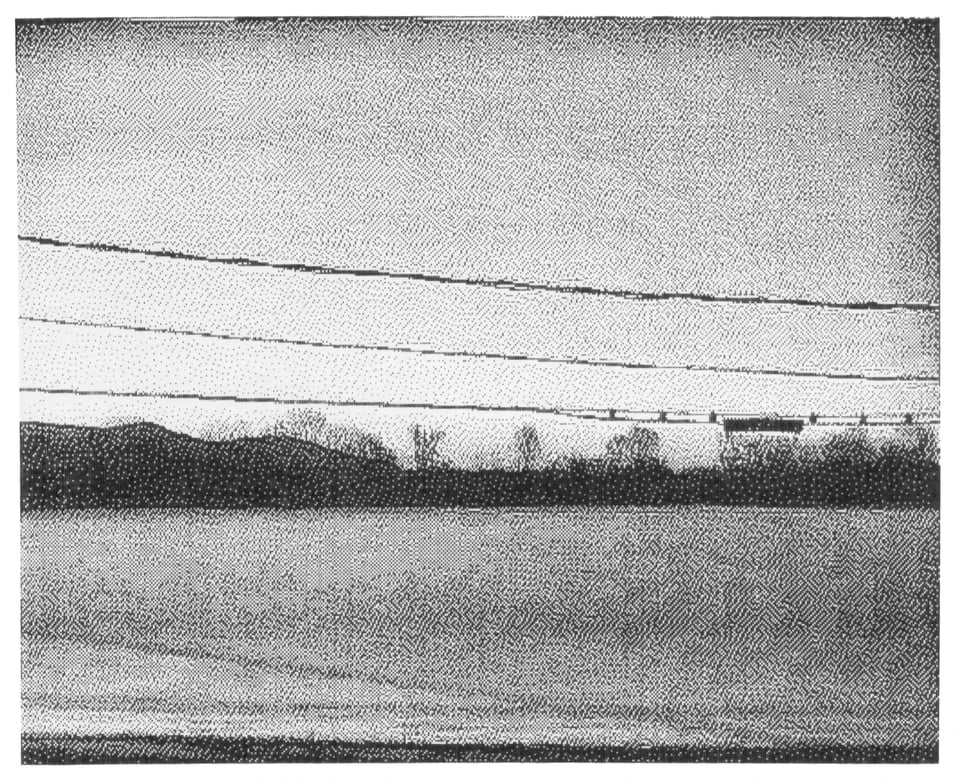
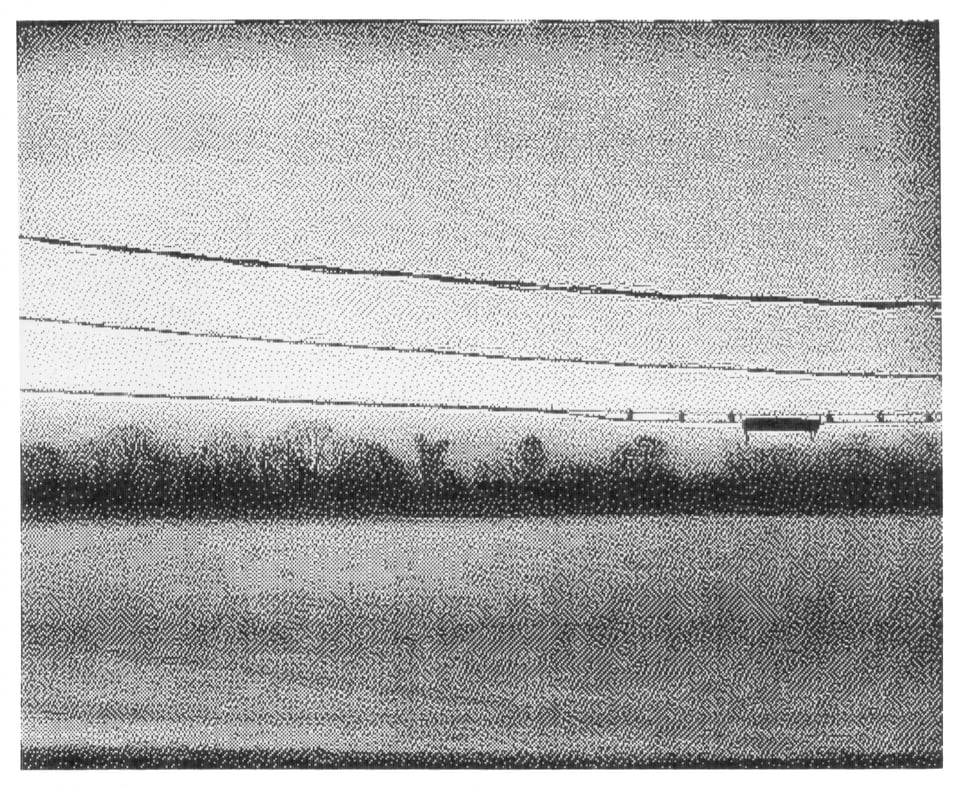
I am still making these pictures, one every day (typically in the early morning). I print each picture, add the date and a short sentiment.
At some stage, no doubt, they’ll go to a landfill or recycling center once someone throws out all the stuff I’ve made when I’m gone. But it feels important to me to keep a record of this particular time.
Here is a longer article about Japanese writer Asako Yuzuki. Her book Butter was widely noted after it had been translated into English. The article is a really interesting read.
There is no way that you have not experienced enshittification. But you might not have heard about the term. This very funny video introduces the concept.
Toru Utsumi, the “dancing salaryman”, can teach you a thing or two about photography. Just read his words and see how they apply to photographing.
Utsumi now is well known enough that he gets cast in music videos such as the one above.
Everything is terrible, but beauty is not.
Making something beautiful or enjoying something beautiful despite everything is an act of resistance.
Making or seeing beauty means acknowledging the beauty in others, and that — and only that — is our way forward.
As always thank you for reading!
— Jörg