Maybe you’ll find this interesting. Maybe not.
The other day, I couldn’t get the thought out of my head that I might have overlooked some hidden gems in the photographs I took in Japan in 2019. I don’t know what made me think that.
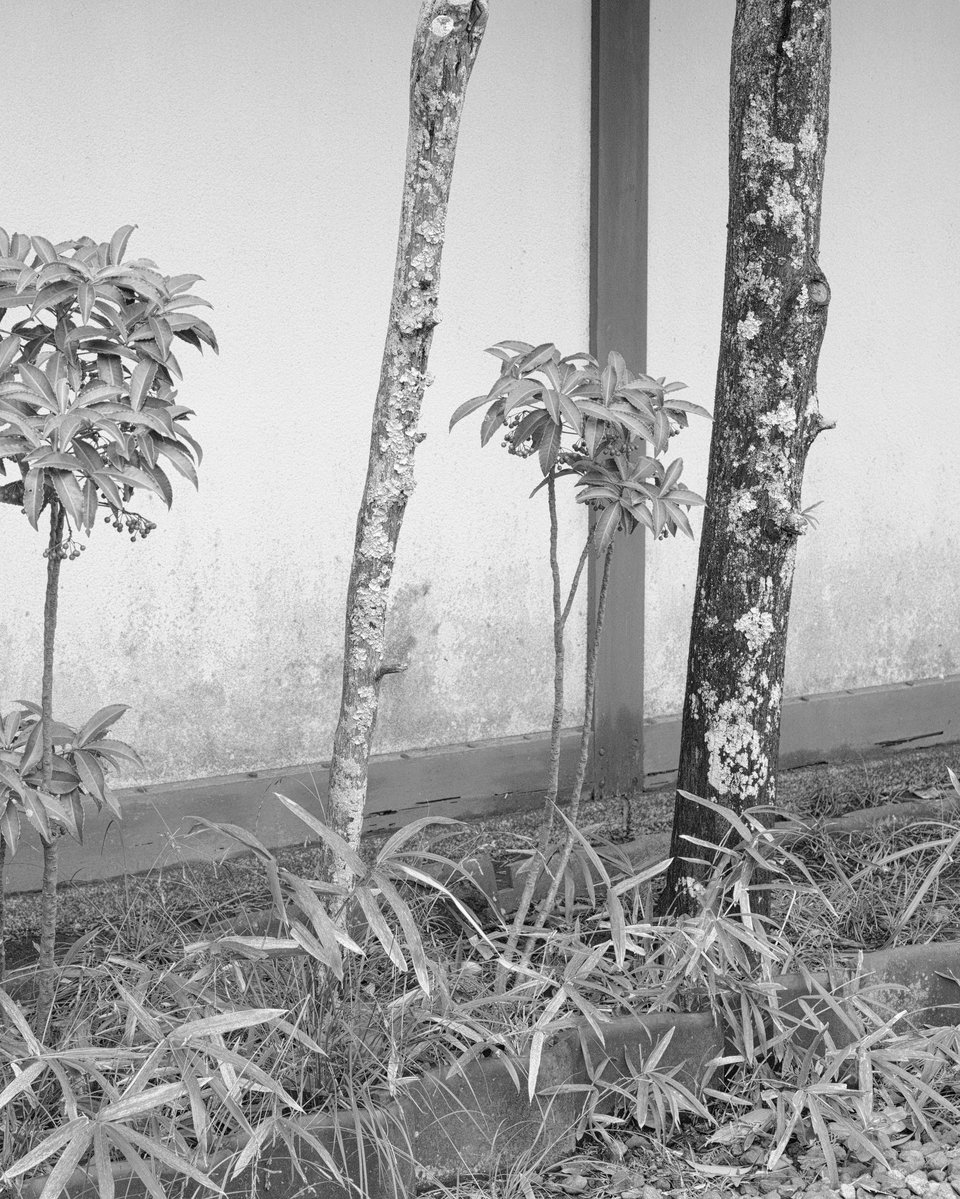
The next day, I went through all the photos. As you can imagine, there were no hidden gems. I literally found maybe a handful of pictures that I had not considered previously (see the one above).
But I realized to what extent my own goal posts have shifted in these past six years. I usually don’t look back (after all there still is so much else to make), but sometimes it’s good to take stock of what’s there — to see what’s missing.
David Arndt compiled five steps to a better writing process. With minor modifications (changing out the wording), you could apply this to photography.
And if you’re one of those photographers who will complain endlessly about having to write, the article will provide you with some very good tricks that will help you.
Also, if you’re one of those photographers stop complaining. Writing about your work is an essential task for every artist: it’s the perfect tool to see whether you do in fact have clarity regarding your work.
I found this interview with Andrew Fisher about sequencing, and I thought I might as well share it. The intro is in German, but the interview itself is in English. Maybe you’ll find it interesting. Maybe not.
You might have heard that the most famous photograph to emerge from the Vietnam War, taken by Nick Ut… Well, the story is that it wasn’t actually taken by Ut but instead by someone else. There’s a Netflix documentary about this (which I have not watched). Jonathan Katz wrote a really good article about this, which also includes his own professional trajectory. Especially if you’re interested in photojournalism you should read it.
OK, so this is completely niche, but if you want to learn about how/why most Western books written about Japanese ideas or life philosophies are actually complete nonsense, watch this presentation by Wes Robertson.
“As the use of artificial intelligence in art is hotly debated,” Colin Warren writes, “one student at the University of Alaska Fairbanks took matters into his own mouth. On January 13, Graham Granger, a film and performing arts major, was arrested for criminal mischief when he ripped the art, made with the help of AI, from the wall of a university gallery and ate it “in a reported protest,” according to the police report.”
This obviously is quite funny. There’s an interview with the student included, which contains some of the best thinking around why AI “art” is so bad.
“What do you do,” Cynthia Kaplan asks, “when you finally admit to yourself that you’ve had something akin to Anne Frank’s diary in your living room for your entire life?”
This sounds a bit hyperbolic. But if you read the article, you’ll learn all about Curt Bloch’s self-made magazines and about his daughter’s coming to terms with her father and his life circumstances.
Marcus Haraldsson wrote a very long article about the Maya, which contains a wealth of information, a lot of it very new: “more people lived in the classic-era Maya lowlands than on the Italian peninsula during the peak of the Roman empire – all crammed into an area a third of the size”.
Lastly, a very detailed portrait of Tracy Enim. It’s really good.
With that, I will conclude for today.
As always thank you for reading!
— Jörg