Bad bad, good bad, and excellent bad magepixels

I bought two new cameras this year. For years, I had been photographing with a Nikon D800 that I had bought used. It’s a nice camera, but it clearly has its limitations. Earlier this year, I finally bought the D850 that I had been thinking about for a long time (I bought it new).
I’m thinking that serious art photographers probably won’t bother working with a camera that’s already 10 years old. But I have got used to working with these Nikon cameras. I don’t want to swap them out for something else. Also, I don’t necessarily want to pay a lot more for a digital camera than I paid for the D850.
The D850 is my work horse. It works really well for what I need. It’s not necessarily fun to use, but I have got so used to it that I don’t have to think when using it. This is the camera I used for Complicated Feelings (which, by the way, is still for sale).
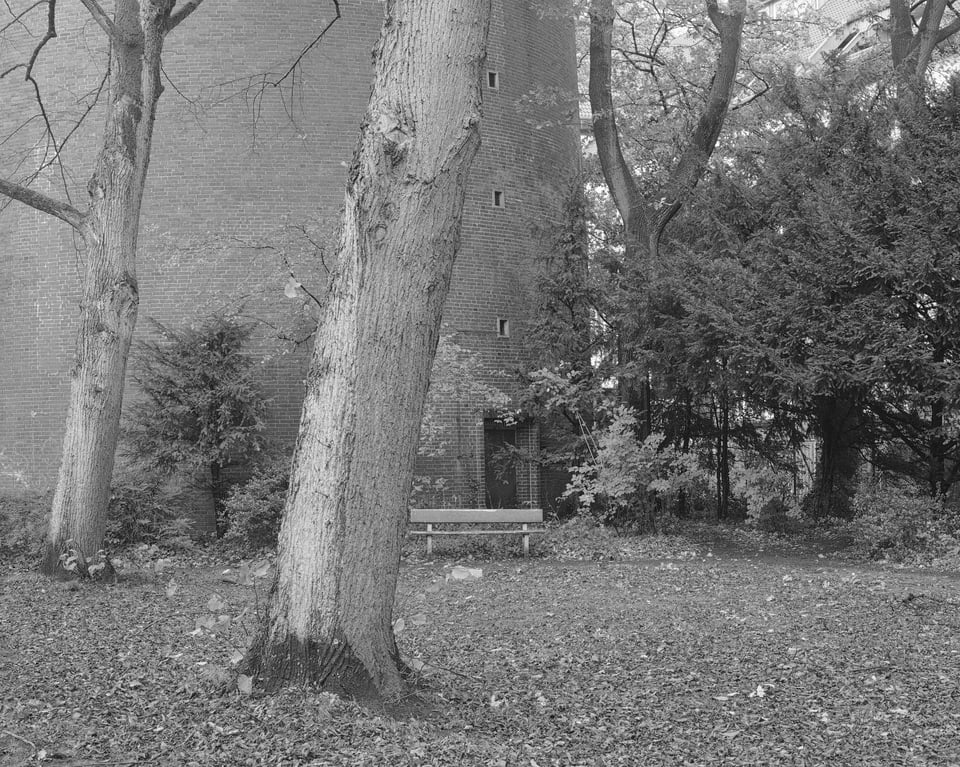
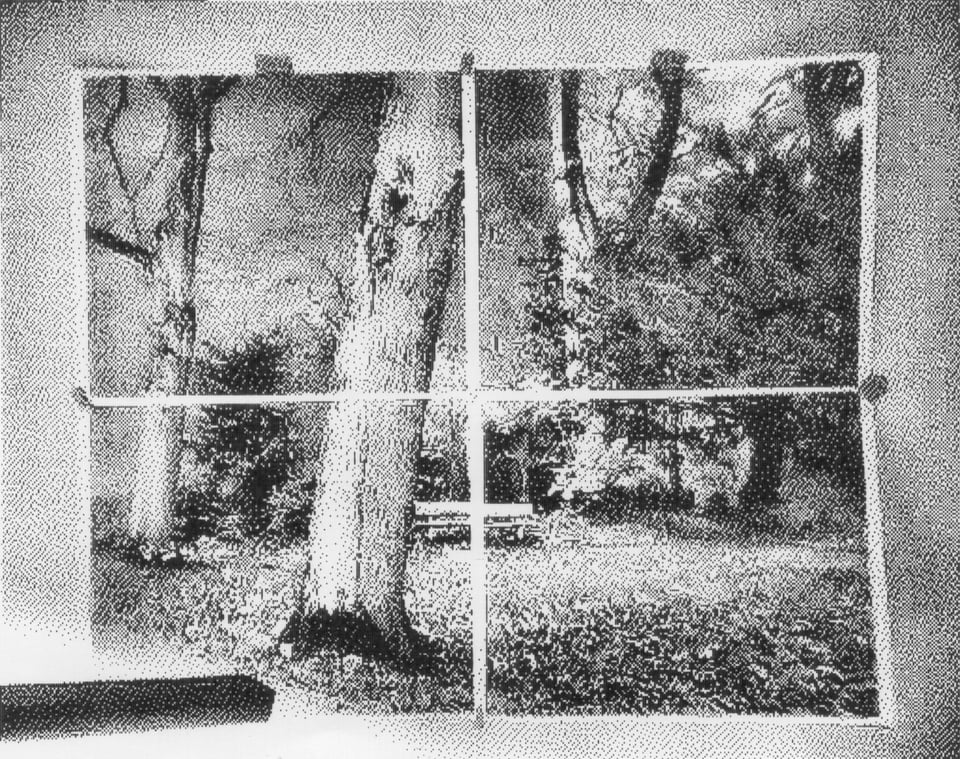
Yesterday, I bought another camera. I actually don’t know what it’s called. The box it came in says “Instaprint Digital Camera”. It has “20 Magepixel” [sic!]. The camera has its own little printer inside, printing little pictures on thermal paper. It was $20 (less than 1% of what the D850 cost me).
The Magepixel camera was made for children (meaning it’s perfect for me). So I took a picture of the four-part mosaic I taped up above my desk (my most favourite picture from my new work). The Magepixel prints are a little bit smaller than a credit card. I already scanned some, and they look pretty great printed a little larger on the printer I use for my work.
For a while, it had seemed as if improvements in technology meant that even the cheapest digital cameras lacked what made the earliest ones charming. By that I mean their output is bad, but it’s bad bad, not good bad. My Magepixel camera is very good bad.
Excellent bad even.
Speaking of complicated feelings, my least favourite uncle (who has been dead for a while) was my mother’s oldest brother. Even though Germans don’t think about it this way, he had been the son of immigrants. His parents had arrived from Sudentenland, some German-speaking region in what had been Czechoslovakia.
And the guy totally did not look very German. For example, instead of blond hair he had jet black hair. But of all people, he was the most nationalistic and narrow-minded person I knew when I grew up. A very unpleasant person.
So early on in my life, I was wondering why it often was immigrants or their children who would be most vocal about other immigrants, in particular those coming after them. Since, I’ve had the same experience here in the US. Hearing some of the older people in my partner’s family speak you would not guess that their parents had arrived from Italy.
A little while ago, I found a longish article about the phenomenon: “Research shows that immigrants tend to bring their prejudices with them, adopting the anti-immigrant sentiments of their new hosts.“ The article was written by Kaja Puto for Krytyka Polityczna (the link leads to an English translation of the original piece).
There is a series of short videos in which five Japanese photographers speak about their work. The videos are in Japanese, but there are English versions which appear to have been generated with AI. The AI bit is awkward, to say the least (some of the expressions are literally translated and sound a little strange in English).
However, you still get access to five very, very interesting artists. So it might just be worthwhile to deal with what is being offered:
Ishiuchi Miyako (brilliant, brilliant artist)
Kawada Kikuji (of The Map fame)
Fujioka Aya (whose work I wasn’t familiar with)
Shiga Lieoko (the genius behind Japanese magical realism in photography)
Kanemura Osama (a fascinating artist who, I think, is only known for his photographs in the West)
Artforum had a roundtable about the future of photography. It’s… Well, pretty bad (bad bad, not good bad). But maybe it will interest you.
Honestly, people just ought to stop having discussions around the future of photography.
What’s the point? If we all just wait, we will see some of the future of photography.
More on Berlin, this time by Diedrich Diederichsen (yes, that is his name). This is very, very smart and well worth your time: “Berlin—as a temporary refuge for bohemians, and for those who need it even more—is over.”
Lastly, a very poignant and smart piece by Christina Sharpe: The Shapes of Grief. It’s already from 2024. But really good writing does not age.

And with that I will conclude today.
As always thank you for reading!
— Jörg