I’m going to do a thing I don’t usually do, and share a thing I just bought. It’s called a Butter Belle, and it keeps butter cool but soft without a fridge, even in the hot weather we’ve been having.
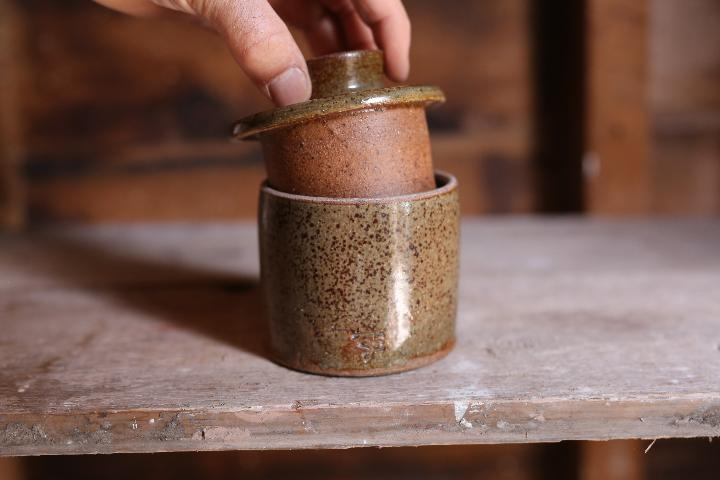
It is made by Steve Brown, a potter you may remember from the Great Pottery Throwdown, and it’s not only effective, but very beautiful. I’m a fan of small-scale low-tech ways of cutting energy use, and even more of objects that are both useful and well-designed. It might not add up to much on an individual level, but I can’t help feeling we’re at a point in the ecological crisis where any small thing we can do is better than not. And talking about it is important – it’s a way to change the cognitive context - what my nuclear scientist brother calls ‘the political plasma’ – of the society we live in. I saw a quotation from Rachel Donald's Planet Critical website –
"It may be that culture is the only thing that can go up against power",
and I am convinced that she is right.
This is the opening of my long poem The Wren in the Ash Tree, all about climate change and social collapse – much closer and more relevant than I hoped ten years ago! It was published in Haggards, in 2018, but the sequence starts at just this time of year, and though I am in a different garden now, much of the season is still the same
The Bird Who Brought the Fire
The birds have come back to the garden,
second brood starlings and sparrows
lined up along hedges, combing the lawn's thatch
for spilt grass seeds, emerging ants. Blue tits
cling to whippy branches, dunnocks pry into cracks
in the bark, goldfinches pick apart seed heads
of nettle and marigold. A willow warbler slips
furtive between the stiff dulling birch leaves
and blackbirds plunder the ripening currants.
The last swifts scythe the hot air, quilted
with sulk and threat of storm. The cormorant's
black crossbow looms above, heavy with hunger
and this year's wren sings on a high branch
claiming in summer his winter territory.
El Niño has exhaled a great hot sigh.
The ice is melting, sliding off Greenland's cliffs
into seas blooming with plankton. There are storms
and flash floods, blight and failure of crops.
There is drought in Africa and famine and war.
But the wren is on his high perch singing.
The druid's bird, the bard's bird, shaman's bird,
Brigid's chicken, the mouse's brother,
sits on his high perch and cries out, so loud
a voice in his small breast 'Now! Now! Now!'
The wrens are indeed claiming territory. The rain has come but we are still at peak butterfly, with many red admirals, peacocks and small tortoiseshells on the buddleia, and some meadow browns – even a speckled wood. There are plenty of bees too – the postman has been quite intimidated by them as he pushes through the lavender to the front door. The ditch where the burn runs is lined with seeding thistles and grass, and there are goldfinches and blue tits making the most of their opportunities. The only swift I’ve seen here this year flew over the house last week, and the first brood of house martins were making the most of the sudden surge of small insects making the most of the heat.
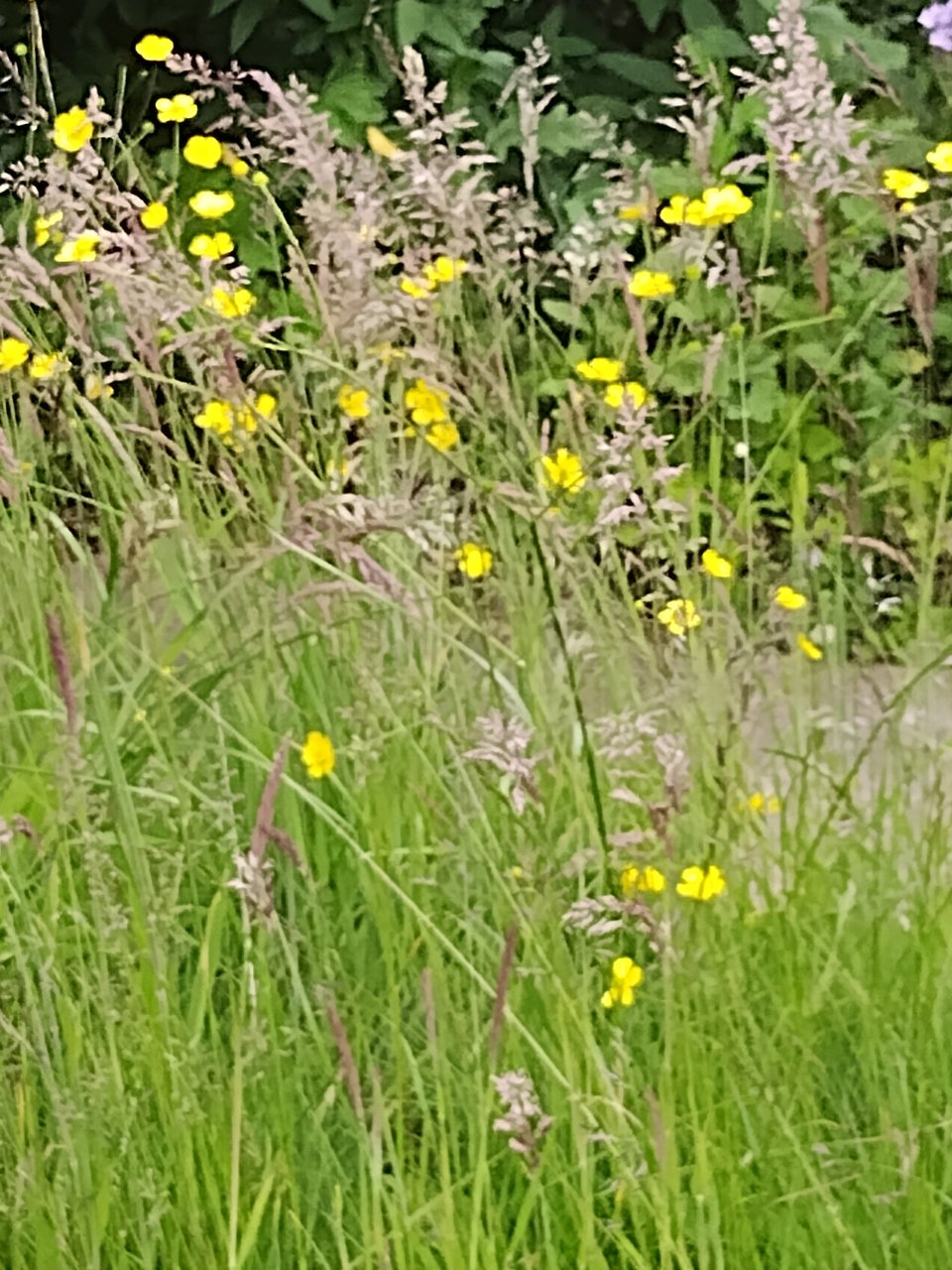
It’s a time for grain harvests and long grasses, and it makes me nostalgic. A peak experience for me in my childhood was being allowed onto the field behind our primary school which had been sold for housebuilding, where the grass had grown freely, shoulder height for many, over my head for me. For a week we ran wild, making tunnels and mantraps by tying bunches of stems together, for once able to disappear from adult sight and get lost even in the familiar surroundings of our playground. the first summer we were here, before the factor took over the maintenance of the grass beside our house, the boys had an opportunity to do the same, and I hope they remember it as I do.
The hay must be in by now and the first grain harvests must be close, though goodness knows how it will go in the erratic weather we’ve been having. Traditionally this weekend is Lughnasa, Lammas tide, and this year it’s the August Bank Holiday weekend too, so it’s a time for holiday, feasting and sharing. I’m unusually despondent about it this year – those who are neither good at caring for the earth that brings the harvest, nor sharing what we have are shouting the loudest, and it is hard to know where to start to resist. The bird shouting “Now! Now! Now!” is more urgent than ever.
I have had a time of adjusting to the learning I did last year while in therapy, and it has helped me accept what ‘now’ means for me. I am beginning to focus less on what could be done, and more aware of what I can do, and do well. And writing is it, mostly poetry, but also some of this sort of reflective writing – documenting my own rituals of connecting and cherishing the earth and my neighbours here on a personal and experiential level, but also considering how we can live together, renew our environment and society, and rescue ourselves from what seems inevitable. It will go under the #PlacePlantsPoetry hashtag and title.The arts and culture are enormously important here – poetry and herbs can bring us the tools we need!
I have been blogging a little about these things – there’s a post about funding for the arts, quite short and a bit ranty, and a comment or two on Odyssey, which I liked, but in the context of superhero films, rather than epic poetry. The fall of Troy is not only Homer’s story, it has shaped, and been shaped, by European thinking in many different ways, and this is just the latest. I’ll be having a few thoughts about it myself in the poems I’m beginning to work on. You can find the posts here.
Also the website has a new page, announcing the Leaf Support workshop, which was rescheduled from April, and will now run on the 19th September. You can find out more here.
The book has been selling well, I am very thankful to say, and the feedback has been encouraging, which, frankly, I really appreciate, as I gear myself up to the next thing. If you would like a copy, or to buy any of my other books,please go to my shop, (I have the only copies of Haggards and The Well of the Moon still in print) or to my publishers website at www.redsquirrelpress.com.
I will be following up on all of this in next few newsletters. Thank you for following me thus far, and I hope you’ll find it interesting enough to keep on!
You just read issue #20 of Place Plants Poetry. You can also browse the full archives of this newsletter.

