The mind that is not baffled is not employed.
The impeded stream is the one that sings.
Wendell Berry
You will probably have seen this quotation a lot lately. This poem, and the one about the peace of wild things have been everywhere since Wendell Berry died. He is a big loss to both poetry and the ecological movement, and this quotation has sparked a lot of my recent thinking.
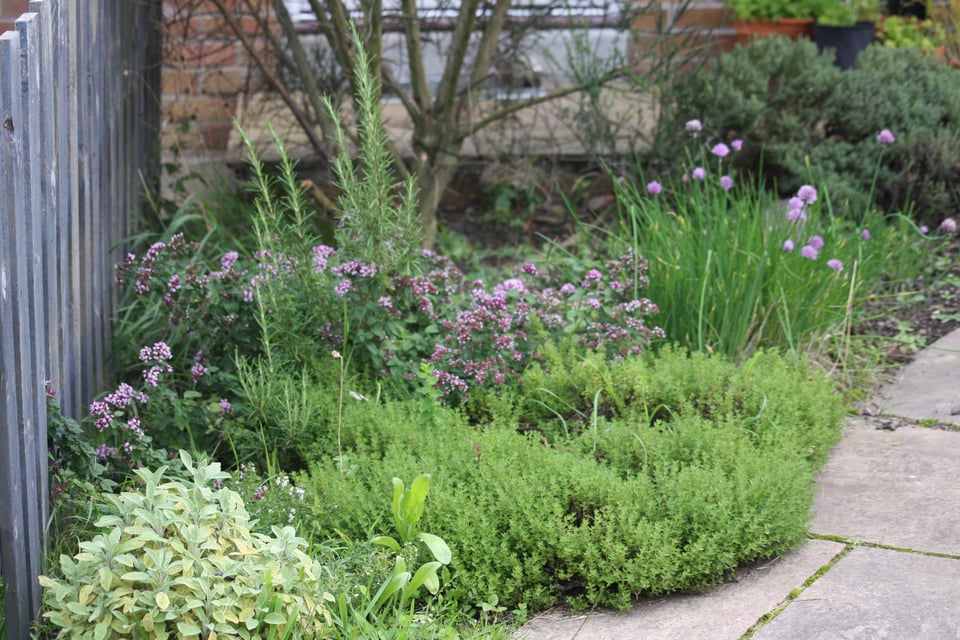
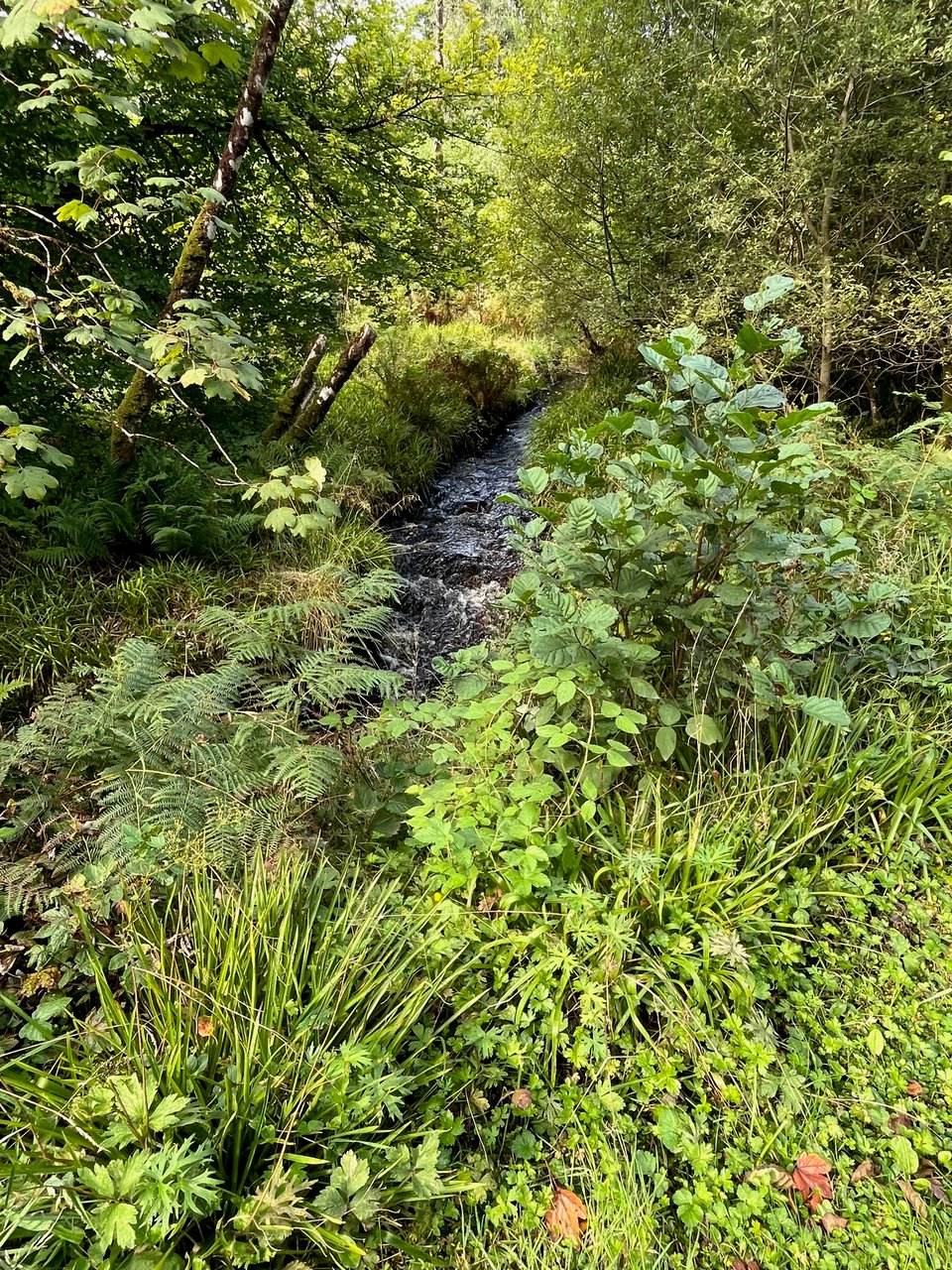
It’s been a turbulent summer, but last week I spent a few days in Argyll, listening to a burn beat-boxing its way into Loch Awe, watching grey banners of rain shake out across the forest, catching rainbows on the face of the hill. There were birds singing too – mostly robins, but also coaltits and goldfinches and wagtails moving south ahead of the winter weather, contact-calling across their new territory. Coming home, the weather has changed, and I’m preparing to settle in for the new season too. I’ve made damson jelly, harvested my herbs, cleared the spent annuals from the garden and bought bulbs for early pollen come the spring. The children are heading down the road to school, I’ve seen a grey squirrel kit chase across the fence after its mother and the wasps keep trying to get into the house, desperate for the last hit of sugar before the dark.
After Comrades of Dark Night came out in the world, I was feeling both baffled and in the need of a safe space to coorie in. I have had some wonderful feedback about the book, including this thoughtful and perceptive analysis from Suzannah Fitzpatrick, and I have sold a great many copies, but you can still buy them from my publisher Red Squirrel Press or from the shop on my website. Nevertheless, it has been hard to work out what to do next – the workshop my friend Susan Richardson and I were planning has had to be cancelled, and the notorious ‘post-book fallow’ doesn’t get any easier, no matter how clearly you understand it always happens! I have spent a useful time learning how the permaculture principles I apply to my gardening can be transferred to my writing life and doing a lot of reading in readiness the next stage. But Wendell Berry is not the only one that convinces me I have come to my ‘real work’.
I went to see Rebecca Tamás and Zakkia Sewell at the Edinburgh Festival and their books The Book of Mysteries and Finding Albion) on how the revival of folk traditions is allowing people to connect with their history and their communities in ways that help us navigate the threats of AI, misinformation and social division and climate change. On the same day I also saw Victoria Bennett talk about her new book The Apothecary by the Sea, and Cal Flynn (The Savage Landscape) and JC Niala (The New Eden) discuss wilderness and sharing spaces with different or dangerous species. All three conversations were lively, interesting and completely relevant to the concerns behind my own work, and they convinced me that I am on the right track. I also bought another lot of books to take with me on holiday!
In poetry, I can also recommend Stewart Smith’s Weathershaker and Vicki Husband’s Glasgoscopy (which I discussed in a blogpost called The Landscape of Well-being) Cathy Glavin’s Ethnology and John Burnside’s The Kingdom of Forgetting.
It is time to coorie in, and prepare for the ‘real journey’. I wish you good stores in your autumn larder and a cosy shelter from the storms!
You just read issue #21 of Place Plants Poetry. You can also browse the full archives of this newsletter.

