Wednesday, July 15, 2026. Annette's Roundup for Democracy
Yesterday was Bastille Day.


ICE is killing people.
Biddeford, Maine.

Maine and Texas
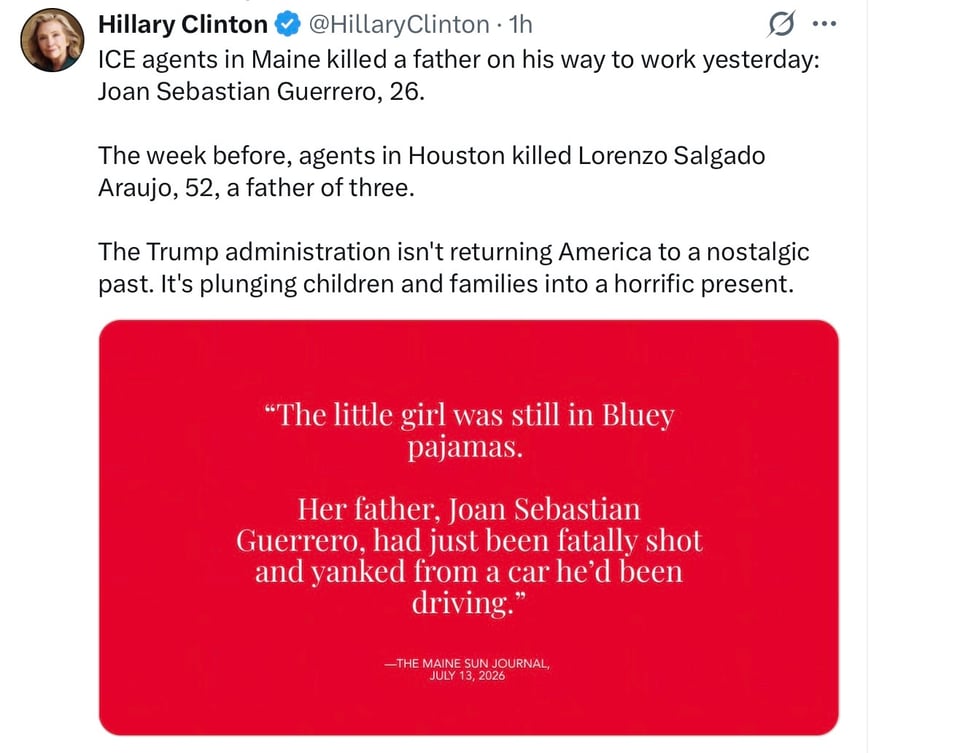
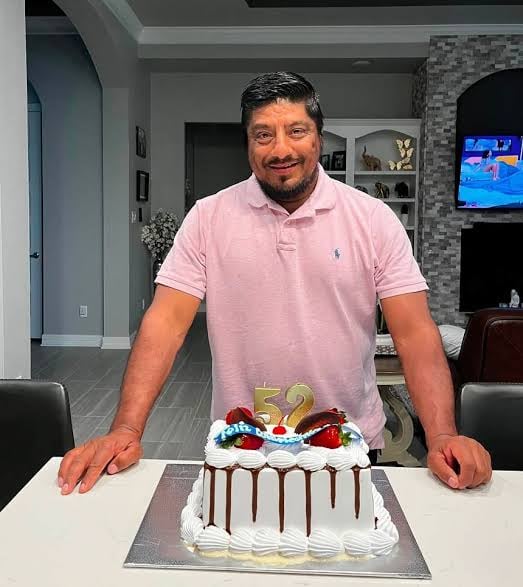
52-year-old Lorenzo Salgado Araujo.
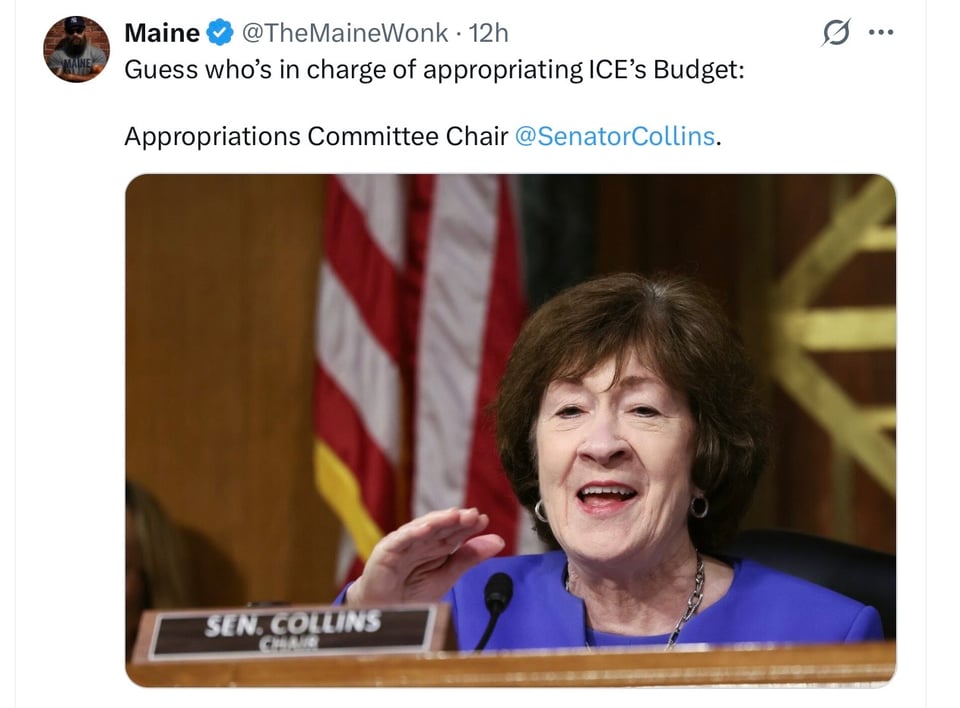
They have been dealt a blow.
Todd Blanche’s Senate Judiciary Committee confirmation hearings for Attorney General are scheduled for today and tomorrow.
The Trump cult may be as many as two senators shorter – Lindsey Graham is gone. Will his sister appointed to replace him appear on time? Who knows whether Mitch McConnell is dead or alive?
On Monday, a federal judge struck a blow àgainst Trump.
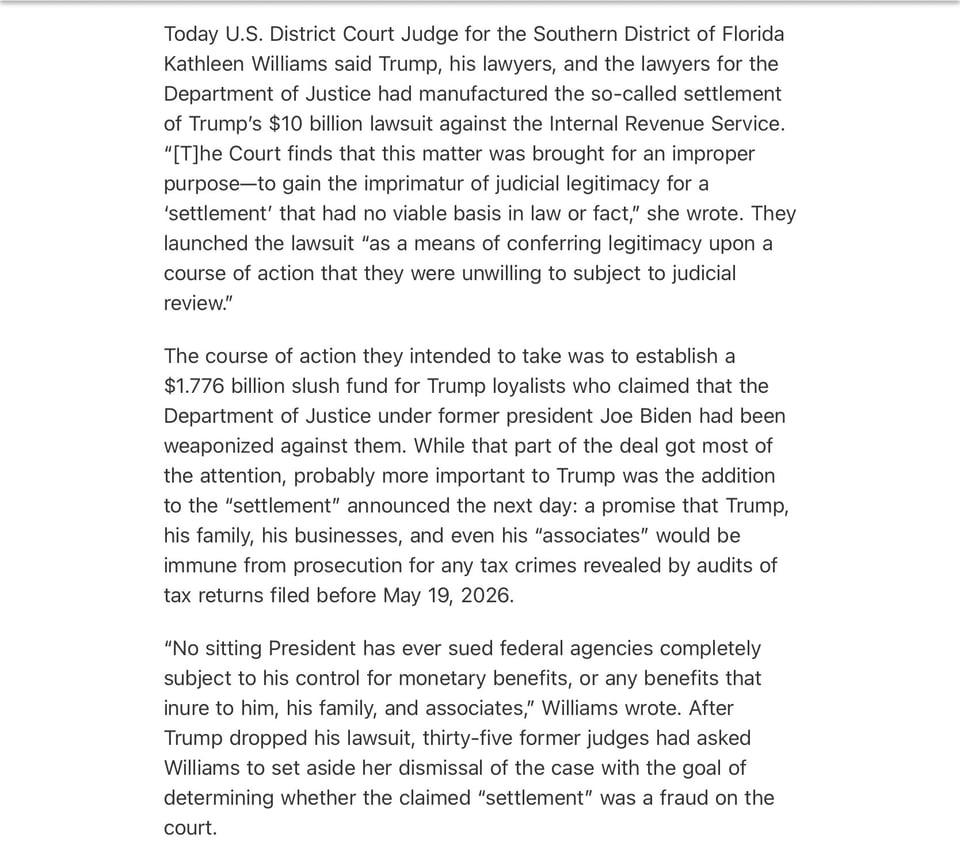
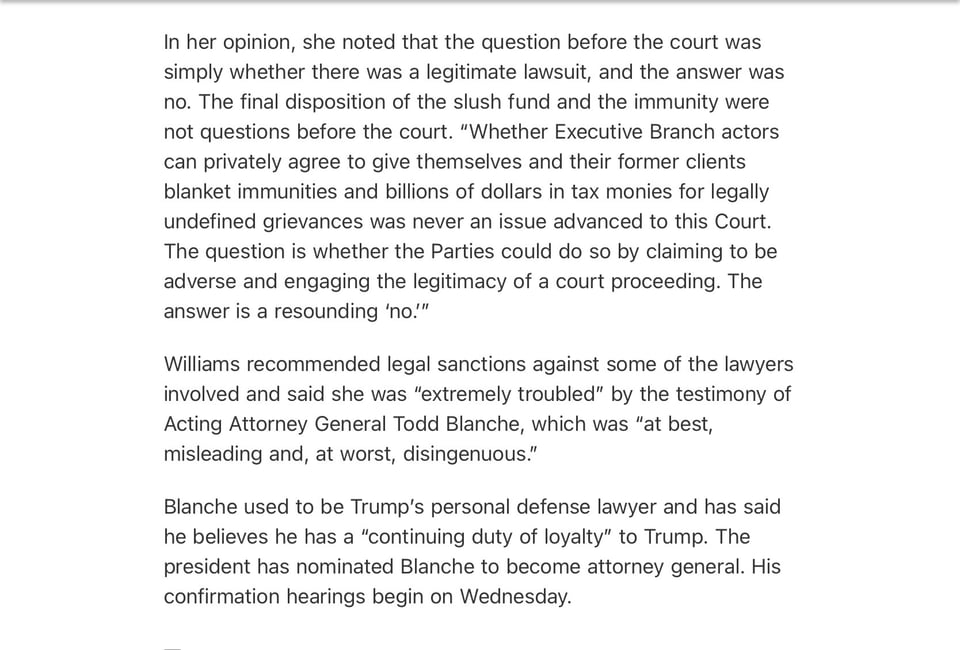
Source. Heather Cox Richardson, Łetters from an American.
One more thing.
Another blow.
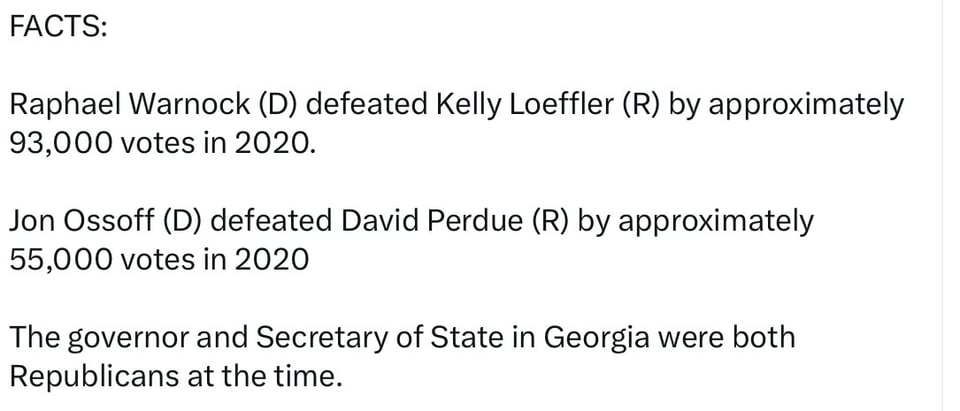
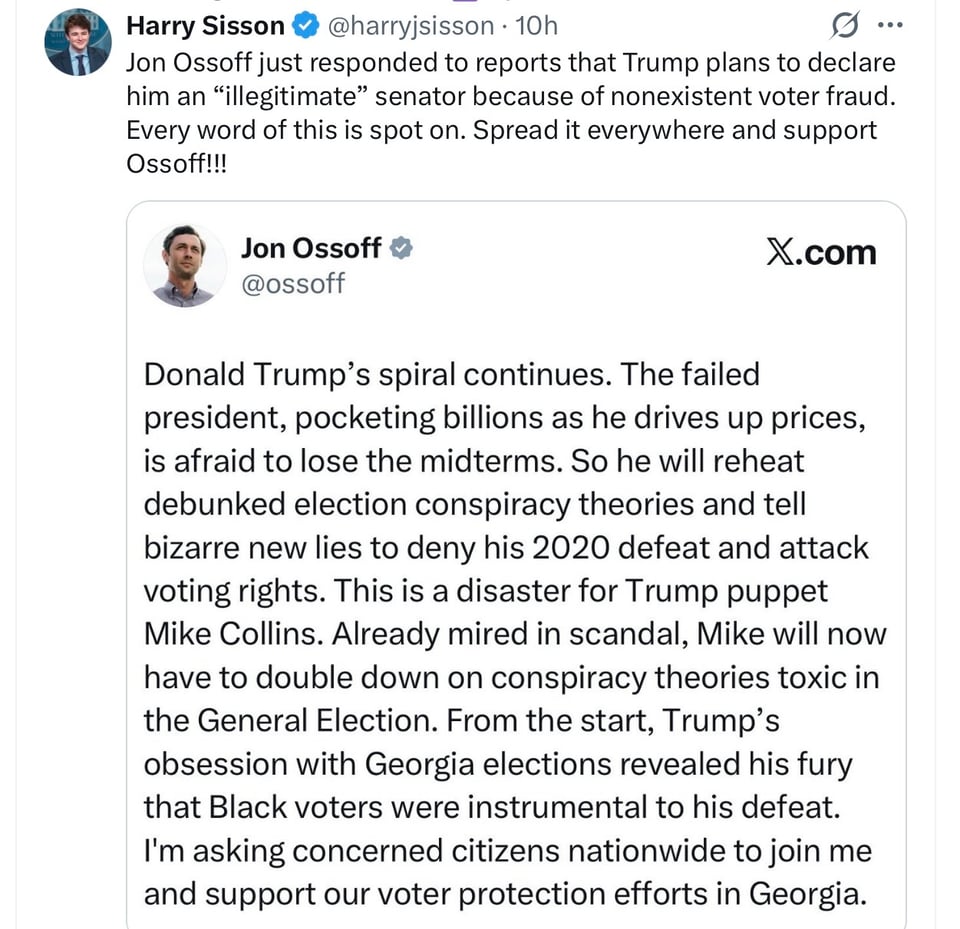
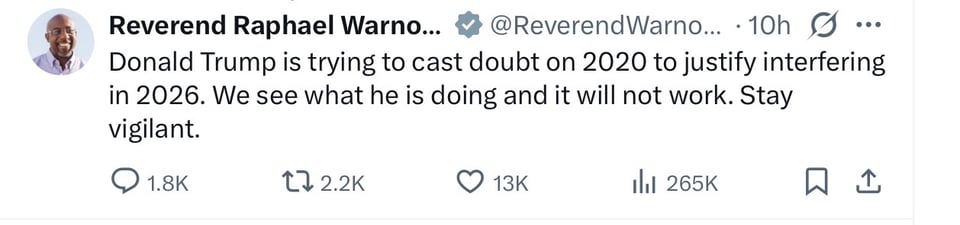
More Trump evil expected to be on display on Thursday, as he tries to undermine our midterm elections.
Georgia is anticipated to be his special target.
.
Another sad, sad analysis of Why Lindsey befriended Trump.
Peter Baker - How Lindsey Graham’s Journey From Trump Critic to Ally Made Him a Power Player
He initially called Donald Trump a “kook” who was “unfit for office,” only to join the new president’s Mar-a-Lago circle. “I’m still in the game,” Mr. Graham once explained of his much-analyzed turnabout.
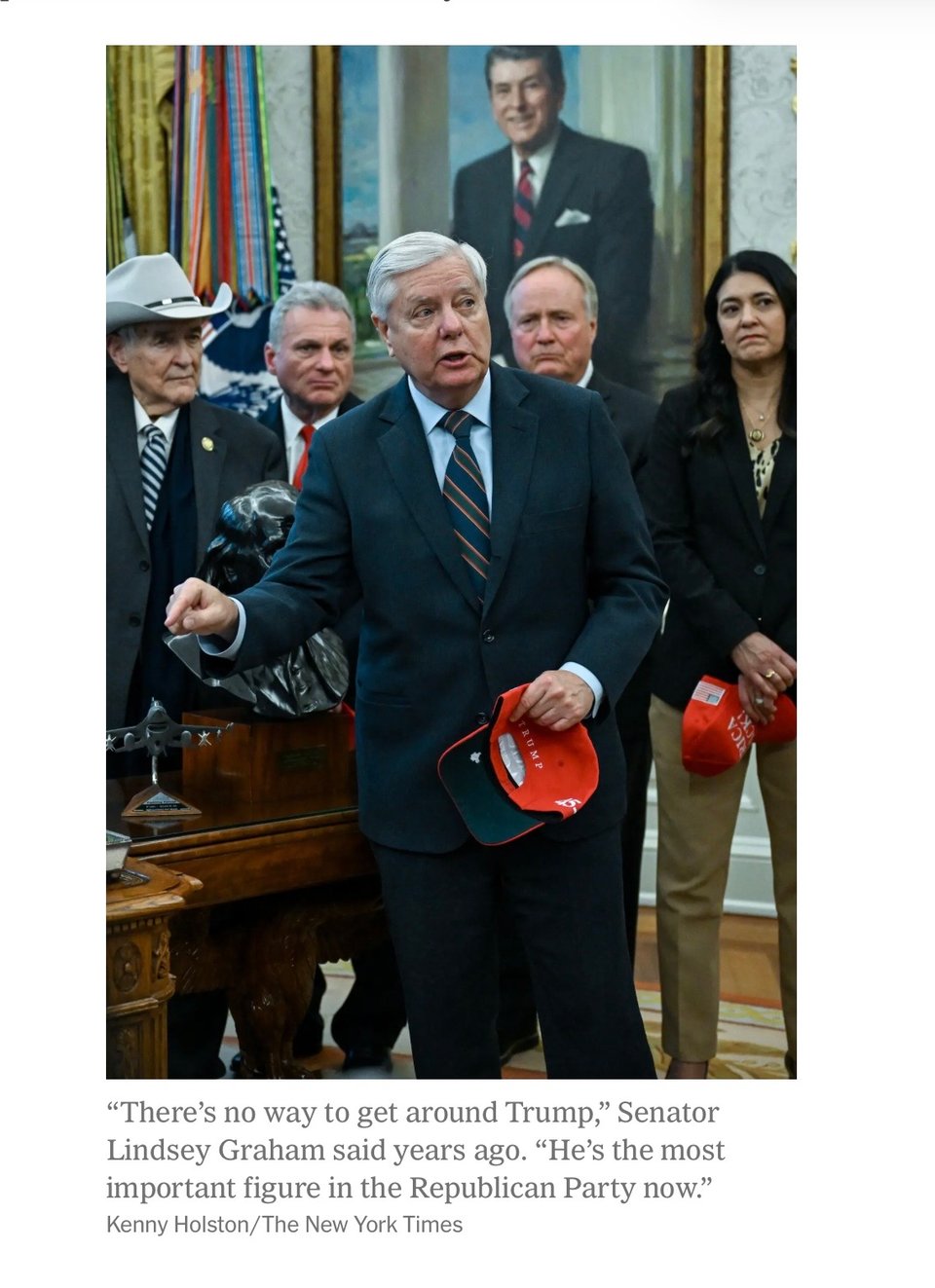
Senator Lindsey Graham was sitting in the back of a Thai restaurant on Capitol Hill one evening a few years ago after the last votes of the day, tucking into his chicken satay and trying to explain how he had gone from one of President Trump’s most scathing critics to one of his closest allies.
It had been a head-spinning transformation. When Mr. Trump first took the national stage, Mr. Graham denounced him as a “kook” who was “unfit for office.” Then after Mr. Trump won the presidency, Mr. Graham was at his side on the golf course and going on television to say how outrageous it was for anyone to call him “some kind of a kook not fit to be president.”
Mr. Graham made no apologies for his shift. This was politics. “I’ve just made a conscious decision — you know, I’m still in the game,” Mr. Graham explained to me that night as he sipped a glass of wine. “There’s no way to get around Trump. He’s the most important figure in the Republican Party now — not me, not John McCain, not George W. Bush. Donald Trump. Let’s play the hand we’re dealt.”
Mr. Graham, the South Carolina Republican whose sudden death on Saturday night at age 71 shocked the nation’s capital, was nothing if not a player. He was a quintessential Washington figure who dealt himself into some of the most critical issues of his time. He could be cynical. He could be opportunistic. But he was never dull, and he was always at the table playing the cards the best way he knew how.
An unabashed national security hawk who supported the Iraq invasion long after others gave up on it, Mr. Graham was a player to the end, pressing his friend in the White House in recent days to stand strong against both Iran and Russia. He had just returned hours earlier from Kyiv, where he announced that he had secured Mr. Trump’s support for increased sanctions on Moscow, when he succumbed to an aortic dissection at his home in Washington.
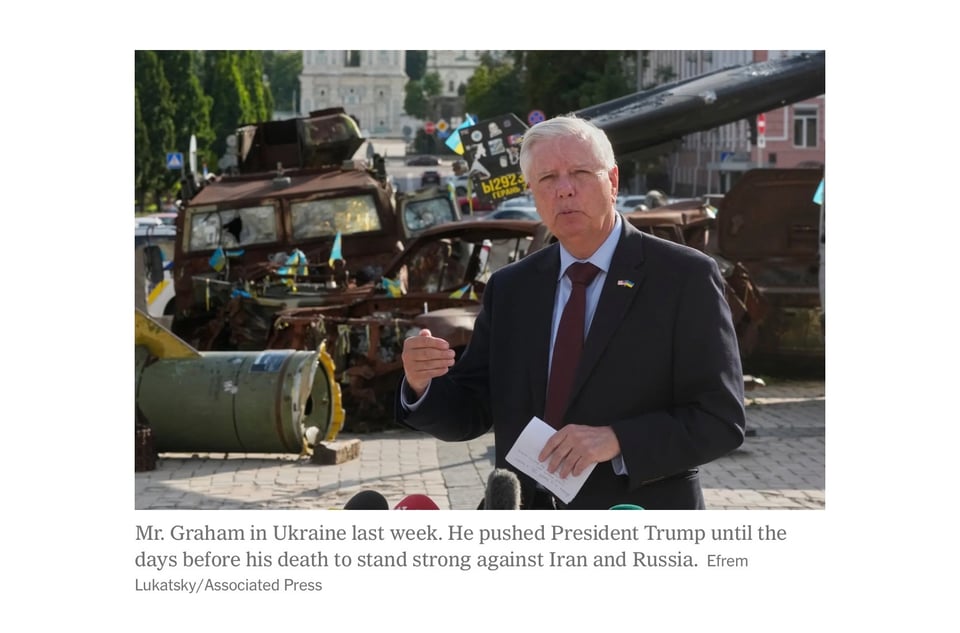
I first got to know Lindsey (as he was called by everyone in Washington, friend and foe) in 1998. He had just burst onto the scene as one of the House Republicans prosecuting impeachment articles against President Bill Clinton for his lies under oath about a tawdry affair with a former White House intern. Mr. Graham was folksy and funny, an extemporaneous speaker with a Southern drawl, not always tethered to the official talking points or the party marching orders, but an overnight political star.
His journey from Clinton impeachment trial manager to John McCain wingman to Trump whisperer became one of the most fascinating and perplexing political stories of recent times. In some ways, it reflected the evolution of his party over the past three decades. He was the personification of a conservative political establishment forced to accommodate itself to a disruptive outsider who staged a successful takeover of the system.
Mr. Graham, though, went beyond the holding-their-tongue acquiescence of many of his Republican colleagues, not just going along with Mr. Trump but actively joining his circle at Mar-a-Lago, 9-iron in hand, red MAGA hat on his head. His wholehearted embrace of Mr. Trump at times befuddled and even alienated some friends, especially Mr. McCain, his onetime mentor who stopped speaking to him for a time before his own death in 2018.
While he understood Mr. Trump’s flaws, Mr. Graham was drawn to his commanding authority and saw a raw, unformed political neophyte he thought he could influence. He had long attached himself to other powerful figures like Mr. McCain, the Arizona senator, seeking out partnerships that would give him entree to the circles where big decisions were made.
With those outside Mr. Trump’s team, Mr. Graham projected a wink-and-nod, I’m-in-on-the-joke demeanor. When my wife and I ran into him on the street in Washington one night during Mr. Trump’s first term coming out of a dinner at the see-and-be-seen Palm restaurant, he stopped to boast about just getting off the phone with Mr. Trump even as he laughed about the president’s foibles.
“He’s a lying motherfucker,” Mr. Graham allowed with a shrug, but also “a lot of fun to hang out with.” Mr. Trump, he said, was so dominant within the party that he could do almost anything with impunity. “He could kill 50 people on our side, and it wouldn’t matter,” Mr. Graham observed.
He loved the access, the proximity to power. Even after briefly breaking with Mr. Trump over the attack on the Capitol on Jan. 6, 2021 — “Count me out,” he said, “enough is enough” — he returned quickly to the fold.
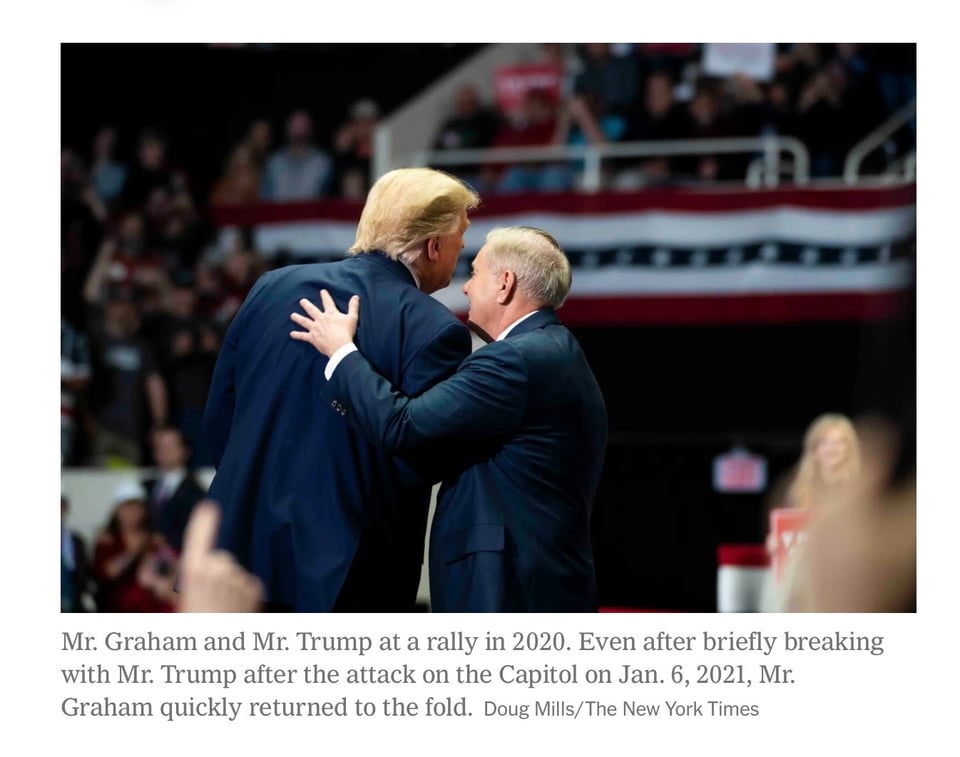
For all of his early criticism, Mr. Graham told me that he grew to genuinely like his party’s bombastic leader and, perhaps more important, relished being welcomed into his orbit. “Donald Trump was president of the United States,” he said. “He allowed me into his world. That’s great.” (New York Times)
Broadway's financial model is unsustainable.
Even as ticket prices rise, the cost of producing a show on Broadway (Capitalization) rises too.
The average capitalization of a Broadway musical during the 2024-2025 season, was an unreasonable $20 million.
Broadway producers offered 42 new plays and musicals during this same period but, by July 2026, only 9 recouped their capitalization - 1 of 21 musicals and 8 of 21 plays. The other 33 productions did not recover their initial investments (recoup).
During the 2024–25 Broadway season until July 2026, the average paid admission was approximately $129 overall, about $126–$130 for musicals and $141 for plays, reflecting the premium pricing of celebrity-driven limited-run dramas.
The average ticket price may be only about $129, but that number masks a huge range—from $10 lottery seats to more than $1,500 premium seats.
Audiences seeking tickets for star-driven shows or perceived hit shows which excite them - and finding them out of reach - may turn away from Broadway as an entertainment option for ordinary consumption.
Andrew Lloyd Webber: Broadway is in crisis – it needs addressing urgently
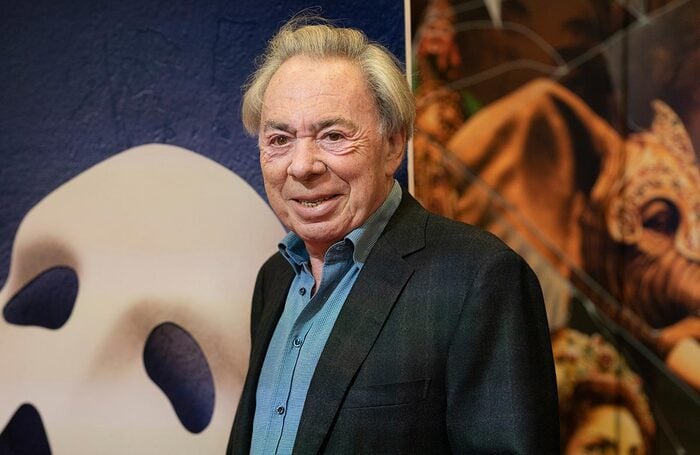
Andrew Lloyd Webber has called for the theatre industry to come together and address the “crisis” facing Broadway, warning New York is at risk of seeing “increasingly dark theatres”.
It comes after it was announced Cats: The Jellicle Ball will end its run there in August, having begun performances in April.

"Cats: The Jellicle Ball" Broadway cast
(Photo: Matthew Murphy and Evan Zimmerman for MurphyMade). The show will close August 8.
Writing on his Instagram account, Lloyd Webber said Broadway was no longer financially viable to producers or creatives and said that what was happening there "breaks my heart".
“One of the last things director Hal Prince said to me was that it broke his heart that it was impossible for new or daring work to be originated on Broadway anymore,” he said.
He added: “The truth is that, for any show, it makes practically no financial sense to come to Broadway with things as they are. Creators, writers and directors have been forced to take minimal royalties from new shows, often surviving on a fixed weekly fee rather than a royalty. It makes it impossible for young creatives to make a living from theatre alone.”
He added that “investors count themselves fortunate indeed if they see a portion of their money back”.
Lloyd Webber went on to “beg” theatre owners, unions and producers to “urgently” address the “crisis coming to a head” and added: “Broadway is in dire danger of rivalling Hollywood’s empty soundstages with increasingly dark theatres”.
His comments echo those of Sonia Friedman, who told The Stage in 2024 that Broadway was “a very, very challenging environment to both create and also have a commercial success”.
“The expense of Broadway is rising, the ticket prices are rising and it’s something that does need to be addressed across the industry, across the community,” she said. (The Stage.co.uk)

