Git It Together: The Key to Groupwork
Have you ever been stuck doing a group project where communication just seems impossible? I know I have. All you have to do is send a message to update the group on your progress, but even that is asking too much. That is why I chose to focus my attention on Chapter 12 of Anna Skoulikari’s Learning Git. The chapter focuses on how to successfully complete a pull request using Git. Skoulikari goes into the different steps involved in making a pull request and how each one fosters communication and prevents any data from being overridden.
I remember doing group labs in STAT II and struggling to make sure my partner and I had the same SAS code. If we had had access to something like Git repositories, things would have been a lot easier. Gone would be the days of reading over your partner’s shoulder to ensure you were at the right place. A repository would not fix something like your partner dropping the class and not telling you (true story) but a lot of other communication issues would be solved.
Recently, I read Katelyn’s newsletter titled “Stories with Data”. She opens by discussing how each of our classmates has different strengths. Whether that is coding, physics, or growing bacteria, everyone has something that makes their skill set important. When we begin working in groups with our clients, each of these skill sets will become invaluable. To make proper use of them, we will have to manage our collaboration well. This means we need strong communication, a system of who completes what, and more. Using Git will help us succeed at that. We can each have our individual specialties, but the practice of pushing and pulling allows for us to maximize how we use each one.
This semester I have the opportunity to take Marketing for Social Impact. We just received our groups and are preparing to start working with our selected nonprofits. While I do not think I am at risk of any of my teammates dropping the class, we will still have to put an emphasis on communication to adapt to our varying schedules, classes, and social commitments. I think that is why this chapter stood out to me.
Pull Requests allow for review, discussion, and a timeline of how the work has changed. No one can simply go in and change another person’s work without them being made aware. Since we will be working with real non-profits that need our help, our ability to communicate as a team is essential if we want to help make a difference. Although my classmates and I will likely not use Git in Marketing for Social Impact, the ideas and practices it encourages are still applicable.
My previous newsletters have all focused more on presenting data to an audience. It is an important topic, but one that means nothing if we cannot successfully communicate as a team. By utilizing Git and its push and pull process we make that task infinitely easier. While Git does not provide a universal solution to all of the pains of group work, it is a starting point. It gives teams a way to communicate and organize their work. I hope to see that in action later in the semester.
Until next week,
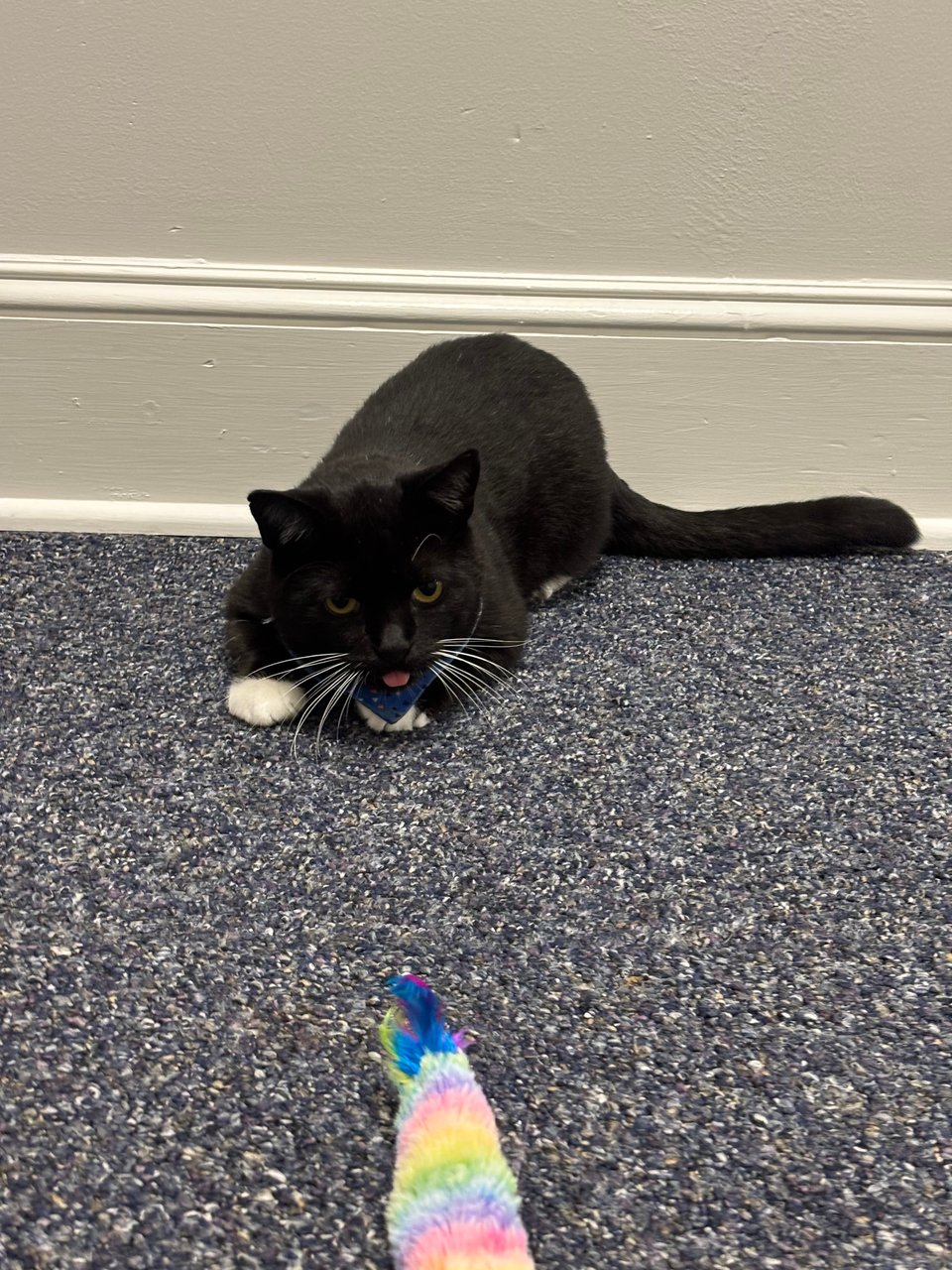
Aylee and Binksley