My Own Enemies to "Lovers" Story
Hey stranger,
What do you think about pigeons?
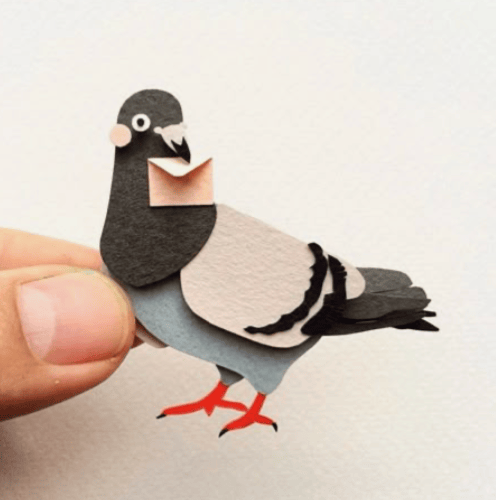
Some people call them flying rats or invasive species, while others pity them. For me, the pigeon evolved from being an archnemesis to a comfort companion over a span of ten years.
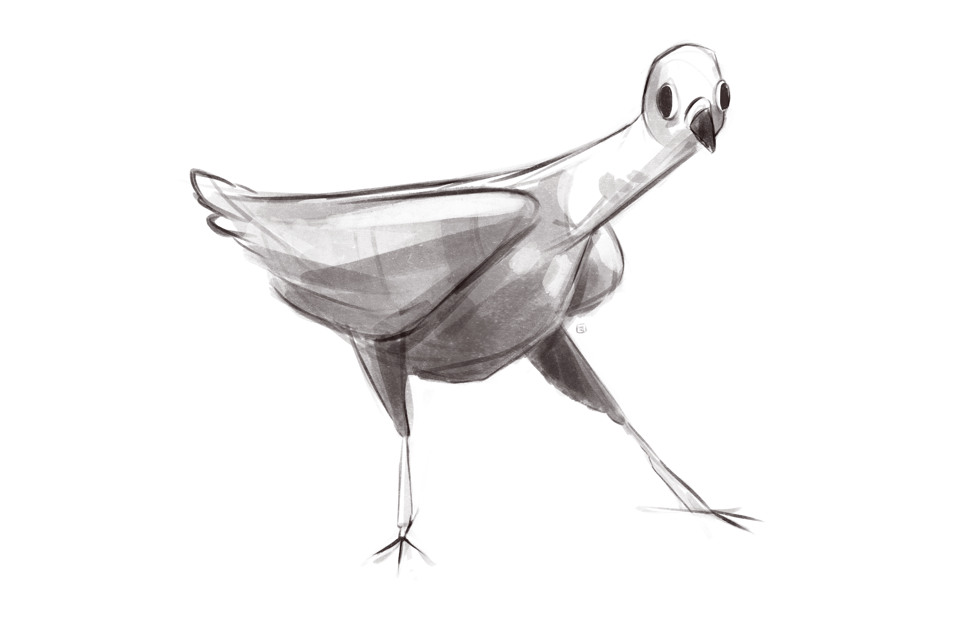
In Saint Petersburg, Russia, I came to despise walking through alleys full of pigeons. Hate is a strong word, but the nonchalance of this bird species set something off in my young mind. I often imagined dueling pigeons to free the sidewalk on my way home from school or to an art class. I would wave my arms and twirl around, hoping the flock would finally take off and leave me alone. But every time they took to the sky, they would pivot right back down, somehow multiplying in numbers.
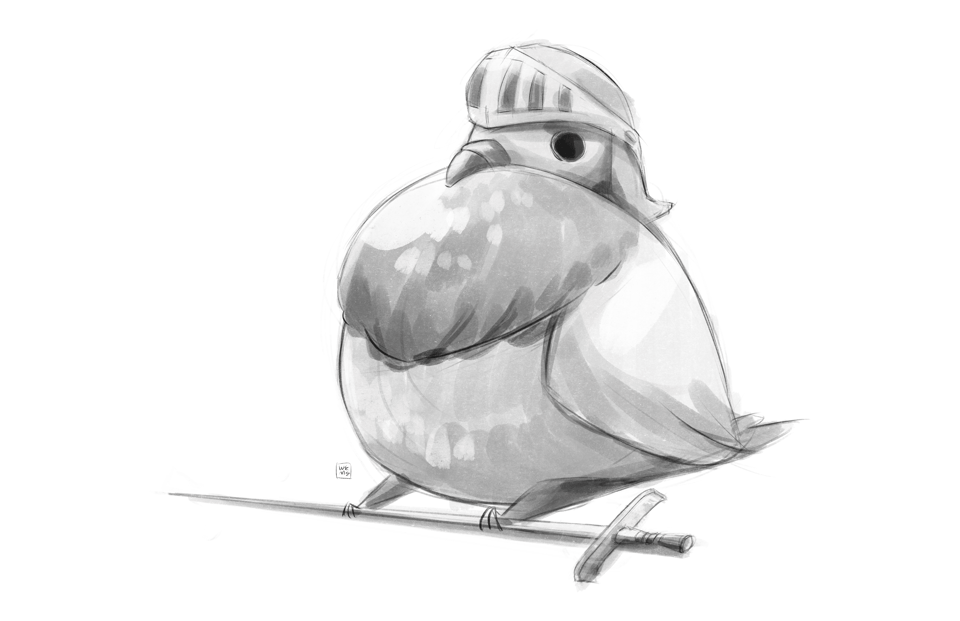
This rivalry for free passage on the streets continued until I moved to California, to a small suburban area with no pigeons in sight.
I had a couple of years of peace that I didn’t realize were also a kind of quiet emptiness. Mountain View, San Ramon, Halifax, and Pittsburgh were instead full of rabbits, deer, squirrels, and other critters. Even while traveling around Canada and the United States, I rarely encountered a proper flock of pigeons. I did not think much about them. I assumed I simply grew out of my irritation.
Then I moved to New York City, and the pigeons returned. Oh, boy. They were everywhere.
I expected the old discomfort to resurface, but instead, something unexpected happened: Now, if there are no pigeons on the streets where I walk, I start wondering whether the area is safe for me to be in. Their absence started to feel stranger than their abundance.
Here is a bit of pigeon history I learned due to my newfound curiosity:
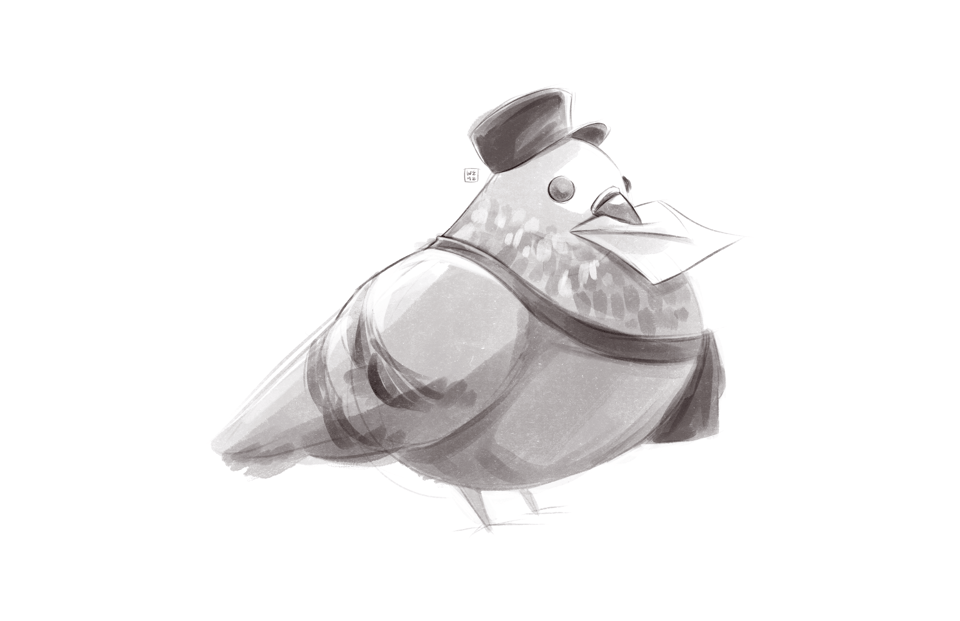
Pigeons came from the rock dove, Columba livia. Humans deliberately brought them into the cities for food, bred them for beauty, and trained them as messengers. They carried letters across borders, wars, and oceans until they were no longer needed.
When technology replaced them, pigeons were abandoned and left to adapt on their own. But they stayed close. They remained loyal to the ways they were raised. Cities—dense, noisy, overflowing with ledges and leftovers—became their natural habitat. What we now call a “nuisance” is simply a species that stayed behind after we moved on.
Pigeons don’t ask permission to exist. They walk where they want, take off only when necessary, and return without apology. They thrive in crowds, in mess, in the overlooked spaces between buildings and feet.
Somewhere along the way, I realized that their presence signals life. Where there are pigeons, there are people nearby—movement, noise, warmth, crumbs, chaos. It is a place where something is happening, a place where I’m not entirely alone.
I still step carefully around them, but not because of any negative emotions. When I see a pigeon perched on a fence or waddling ahead of me on the sidewalk, I feel oddly at ease.
I never thought that over time, something that felt like an obstacle would turn into a sign that I’m exactly where I should be.
So, what do you think about pigeons?
— Zhenia