

Five Finds: The Weirdest Minority
The unknown minority, exploding Haribo, and what if the US invades The Hague.

Five Finds: Japanese Domestic Market
The JDM phenomenon, giant tube TVs and why all steel is radioactive. Quick update: I've decided to switch the publishing day for Five Finds to Monday. My...
How Startups Get Viral
Tech people adore Stripe. Linear’s old branding infected GenAI so much all its landing pages look purple. Arc Browser received glowing coverages from top-...
Five Finds: Salami, Hiking, Deadly Everest
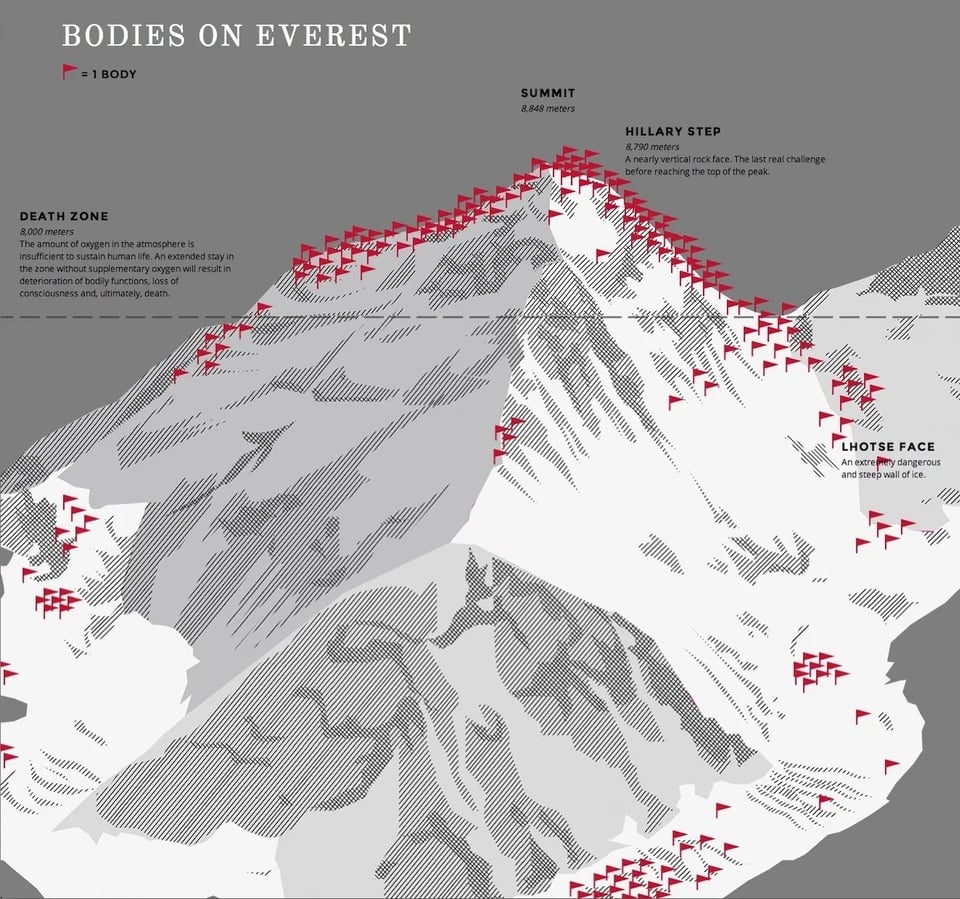
Salami, Hiking, Deadly Everest
Retro Tech Became the New Luxury
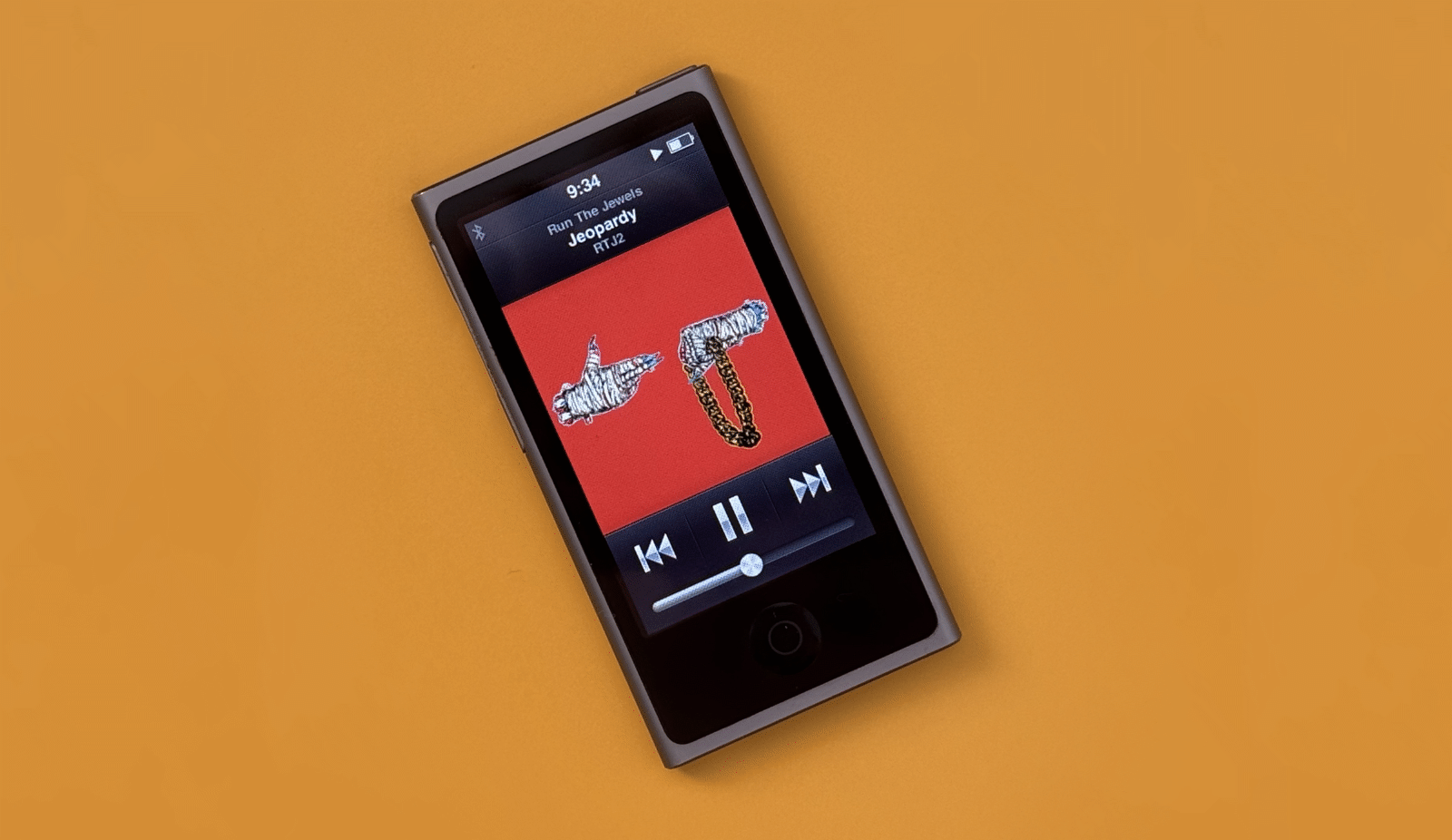
YouTube is full of videos with people trying to replace their iPhone with half a dozen devices. They carry an iPod for music, a dedicated camera to take...

Five Finds: Insane Engineering of the Human Brain
The marvellous Concorde, why nobody can ban tobacco and people with no imagination
Five Finds: Stealth Campers and Retro
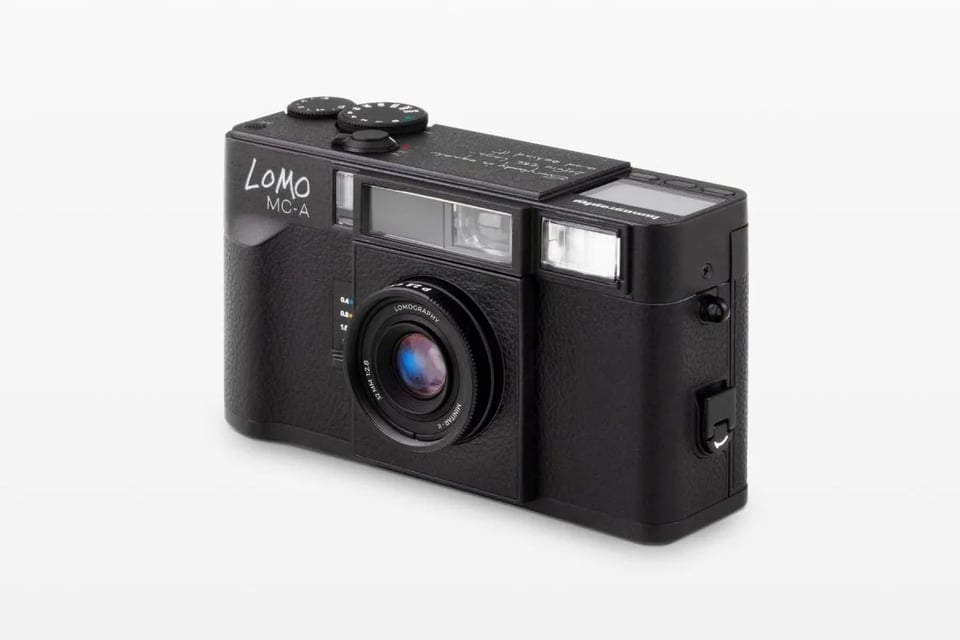
Man loves surfing so much he lives on a beach and capitalism brights back film cameras.

How Big is TBPN?
Zuckerbeg. Nadella. Benioff. An exclusive announcement from Microsoft. TBPN has been blasting from all corners of tech Twitter lately. It’s a technology...
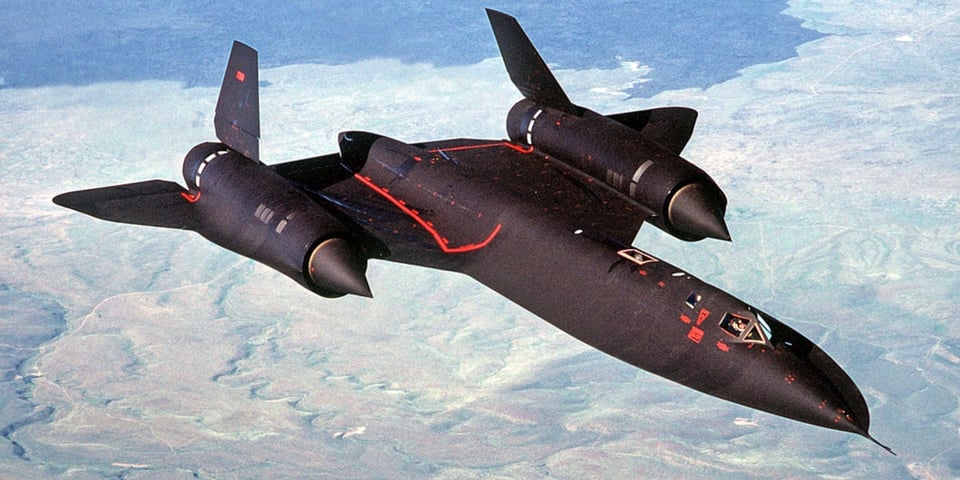
Five Finds: American Plane Made of Soviet Metal
SR-71 was built with Soviet titanium, modern cars look the same and beavers are cool.

Five Finds: The Uglification of the World
The uglification of the world, what animal to look for on the wine bottle, and how Uniqlo got to $20Bn in revenue.

Five Finds: The Worst Year to Be Alive
The worst year to be alive, lofi anime, and overachieving kids.

Five Finds: People Frozen in Time
Primitive tribes still live on practically all continents, the story on how phones lost their antennas and should I buy an old iPod?
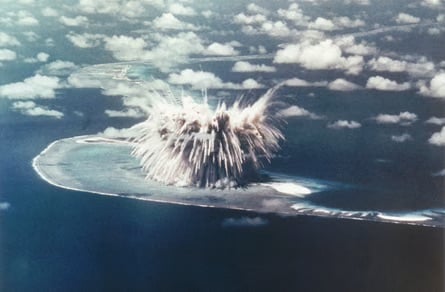
Five Finds: Somebody Blew Up a Bomb
Yesterday, I found myself sitting on a cliff with a brisket sandwich, wondering when this would end. Thankfully, today it's Friday! The Vela Incident This is...

Five Finds: You Can Drive on Any Side
Have a great Friday and the most perfect weekend! When Sweden switched sides Most countries got stuck with whatever side of the road they started using for...
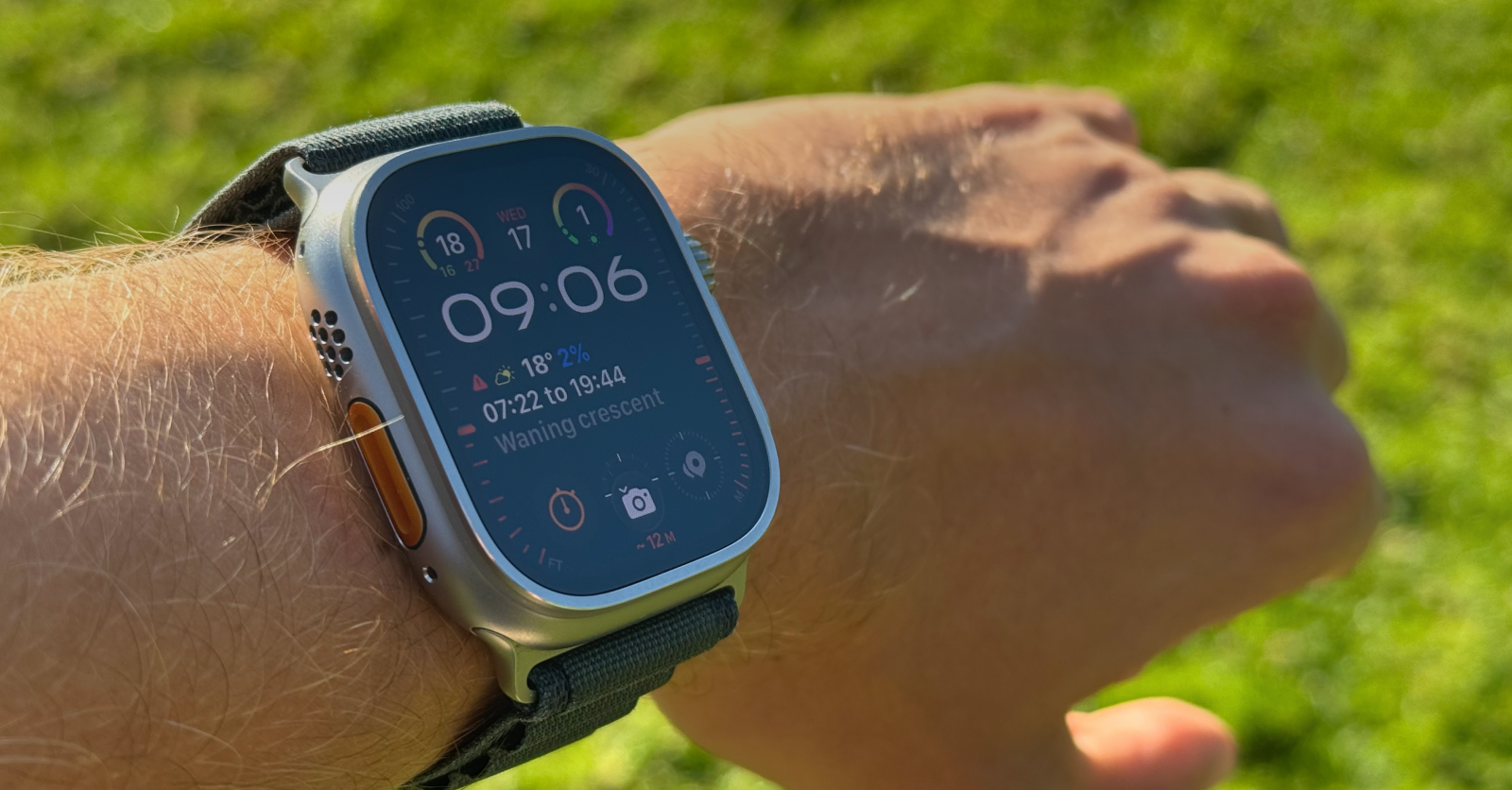
Apple Watch is Better than Whoop and Oura
Last week, Apple relented and introduced the Sleep Score for the first time since adding sleep monitoring to the Apple Watch. This is huge, since they were...

Five Finds: Clone The Winning Horse
Have a great Friday! Here are some links to kill the end of it. This guy cloned his winning horse Remember Dolly? Turns out cloning is accessible right now,...

The Best Brands for Enthusiasts
Good things are approximately ten times better than the average thing you can buy. In each category. The real challenge is finding them. Wirecutter was...
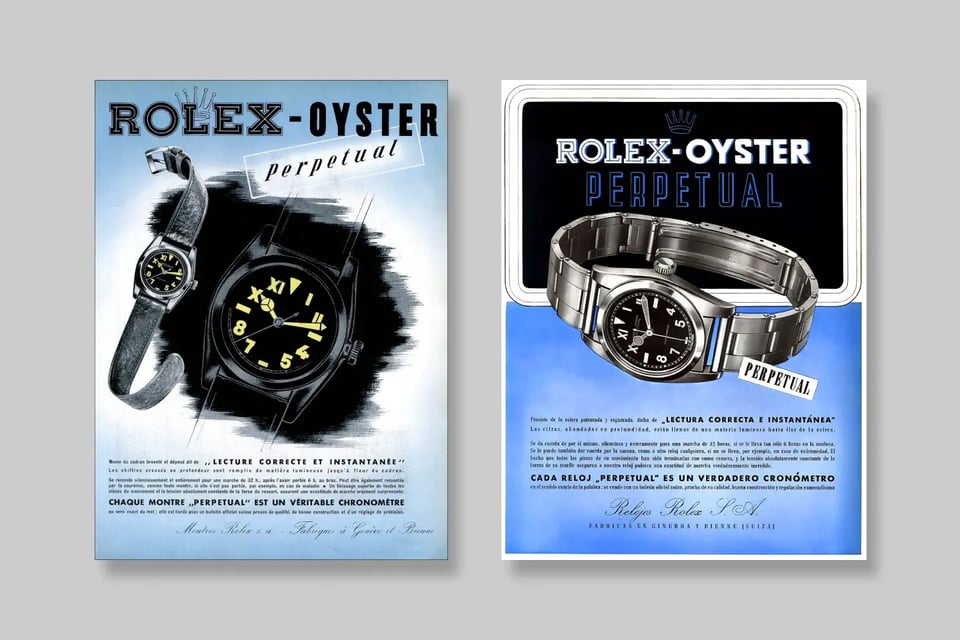
Find Finds: Your Plane Flies on French Fries Oil
The most interesting things I read about this week.

Five Finds: The 6 Nukes We Lost (And Never Found)
I'm launching Five Finds, a newsletter that will provide five amusingly interesting links I found each week.

The Broken Promises of Substack
Earlier in July, Substack announced a $100M funding round, bringing its valuation to $1.1 billion. Substack has built an entirely new media ecosystem by...
