Five Finds: Burned Fleet and Lightning
Good Monday, everyone!
500 Years Ago, China Destroyed Its World-Dominating Navy
In the 1400s, China owned the greatest seagoing fleet in the world, up to 3,500 ships at its peak. The Chinese were routinely sailing to Africa and back decades before Columbus was even born. Some vessels were up to 120 meters long, while Columbus's Santa Maria was only 19 meters.
But by 1525, all of China's "Treasure Fleet" ships had been destroyed — burned in their docks. The government destroyed the admiral’s records so that his expeditions could not be repeated.
Angus Deaton, the Nobel Prize-winning Princeton economist, says they did this because the emperors of China, worried about threats to their power from the rising merchant class.
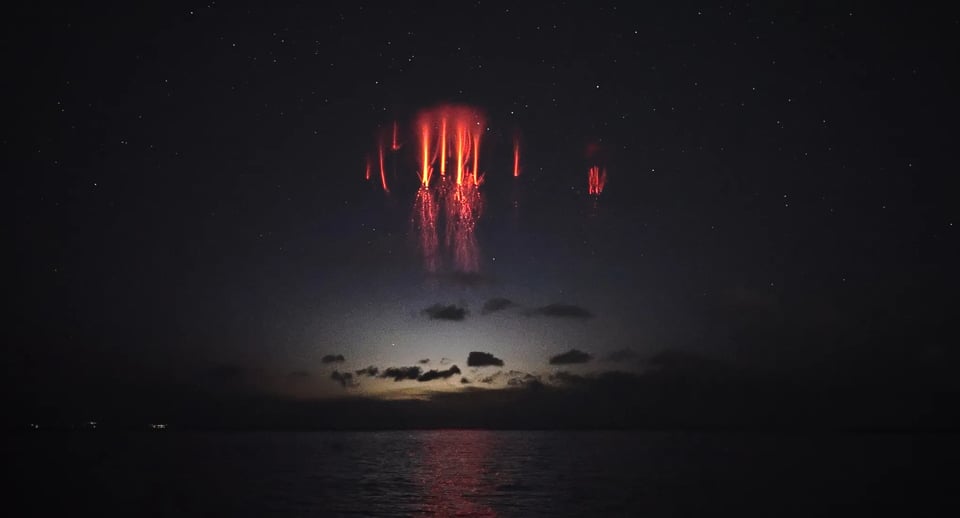
What Causes Lightning? The Answer Keeps Getting More Interesting.
We’re taught that lightning is caused by the buildup and discharge of electrical charge within clouds. This description isn’t complete and we still don’t have the full picture, but some scientists are getting close.
Lightning may begin with physics that sounds more like astrophysics: runaway electrons, gamma rays, X-rays, and high-energy particle avalanches inside storm clouds.
Emerich Juettner: The One Dollar Counterfeiter
Emerich Juettner was a terrible counterfeiter and somehow that was his genius. For nearly a decade, the elderly New Yorker printed crude one-dollar bills on a cheap hand press, knowing almost nobody bothered to inspect a single dollar.
When he was finally found and arrested, they only sentenced him to a year in jail because he showed no greed at all. In the court, he said that he never gave any single person more than one bill — so nobody was short of more than $1.
Japan's invisible electric wall
Japan is split by an invisible electrical border: the east runs on 50 Hz, the west on 60 Hz. The divide traces back to early generator purchases from Germany and the US, and it still shapes everything from vintage flip clocks to bullet trains and emergency power transfers.
The Shinkansen trains go across the entire country, and so they use their own dedicated power system to break through this barrier.
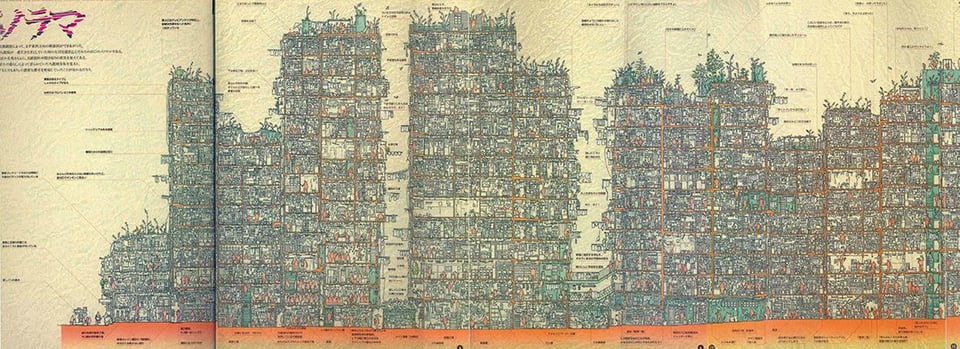
Kowloon Walled City’s last measured section
Kowloon Walled City in Hong Kong may have been the densest place humans ever built, with estimates around 1.9 million people per square kilometer. Just before demolition, Japanese researchers measured and drew its tangled interior until the night before it disappeared, preserving a cross-section of stacked rooms, corridors, and pipes.