Editor’s Note
Firstly, thank you for reading. It has taken me a while to start something like this, partly because I wasn’t sure about what I had to say and partly out of fear that something like this wasn’t worth my time. But recently, time opened up for me, and I took a look at my life with a wide-lens camera and asked myself what I really love, and what I really want to do. The result was this newsletter.
It feels too informal and personal to go into any sort of personal biography or history, and that’s far from the point of this newsletter, so instead I wanted to write a few words of introduction outlining my intentions. They aren’t grand intentions, or a manifesto, but simply what I hope to achieve.
Yoonseul is targeted towards Western readers with an interest in translated literature, particularly Korean literature. I use the wider term ‘translated literature’ with the idea of keeping my lens broader, but the newsletter takes a Korean word as its name after all, and it’s Korean literature and literary culture that inspires and propels the work. I would hope, too, that Korean readers may find Yoonseul at least of some interest, and primarily position the newsletter ‘towards Western readers’ as this is my own position, and as I, unfortunately, can only write and read fluently in English.
Yoonseul is not intended to be a book reviewing or opinion-based website. I don’t want to rate books as ‘good’ or ‘bad’ but instead write about what I learned from them, what I found interesting or challenging, and what I have questions about. As a Western reader absorbing translated literature, these questions naturally gravitate towards culture, society, history, language. I want to embrace the not-knowing and the curiosity. I think this is one of the most profound gifts of reading literature in translation.
Yoonseul is also about my ongoing discovery and exploration of the contemporary Korean literary scene. There are many writers without works translated into English who have a strong social media presence and reputation that has led me down new paths of interest, and new paths of frustration at myself for laziness with Korean language study. So, I’d like to position myself also as a Korean language learner with the goal of, eventually, reading contemporary Korean literature in the original Korean. There seems to be a rich and vibrant literature scene that I find inspiring and interesting and that motivates my learning.
Finally, I’d love to be corrected and challenged. If any readers find something I write in these newsletters that doesn’t sit right with them, please get in contact and let me know. I don’t want Yoonseul to be the opinions of one person, and eventually I hope to take contributors. To assist in keeping the newsletter alive, relevant, aware and open, I need collaboration. So please, if anything interests you, angers you, delights you or otherwise moves you, please do get in contact.
Thank you again for reading Yoonseul. I’ll sign off with the promise that future introductions will never be as long as this one.
Word
단어 (dan-aw)
Yoonseul
윤슬
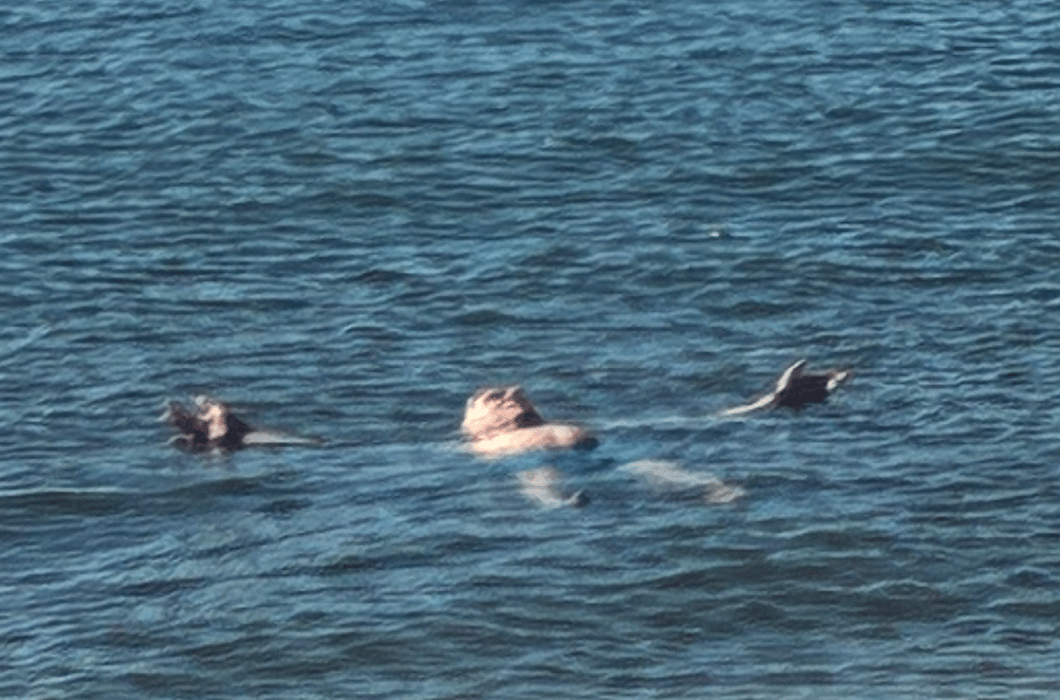
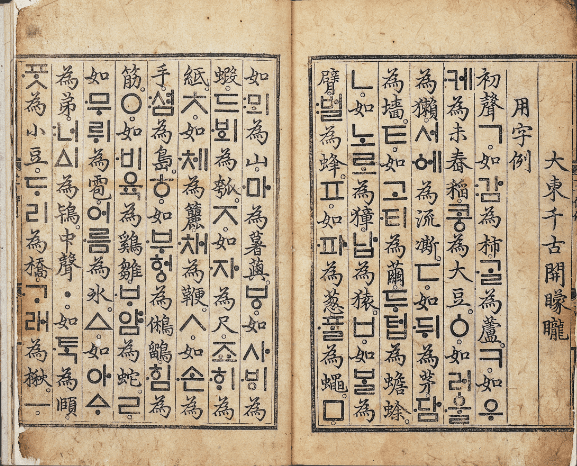
Yoonseul can be translated as “shimmering light dancing on the water’s surface” or “sunlight sparkling on water.” It refers to the dazzling, glimmering light that plays off water when it’s hit just right by the sun or moon.
The word is a combination of 윤 (yoon), which means light, and 슨 (seul), ripples.
Interestingly, Yoonseul is a ‘pure Korean word,’ or 순우리말 (soon-oo-ri-mal), meaning that it originated only from Korean without any Chinese influence (Sino-Korean).
Poem
시 (shi)
Park Joon – Superstition
Translated by Youngseo Lee
Published in Asymptote Journal, February 8 2022
Bad luck plagued this year


Whenever I ate

I bit my tongue


I quit being a student,

met a lover who kept growing younger and younger,

played in the grass with our shoes off


People who have stretched their legs

and touched sole to sole


can’t watch over

each other’s deaths,

the young lover told me


I told my lover how

emptily scissoring

brings bad luck


and you have to write 王

on the backs of new furniture


My lover’s small hands

grew busier

searching for clovers


I lay like a faded capillary

crossing through the love line

on my lover’s palm,


thinking of things

like the astrology

of the yet unrisen July sky
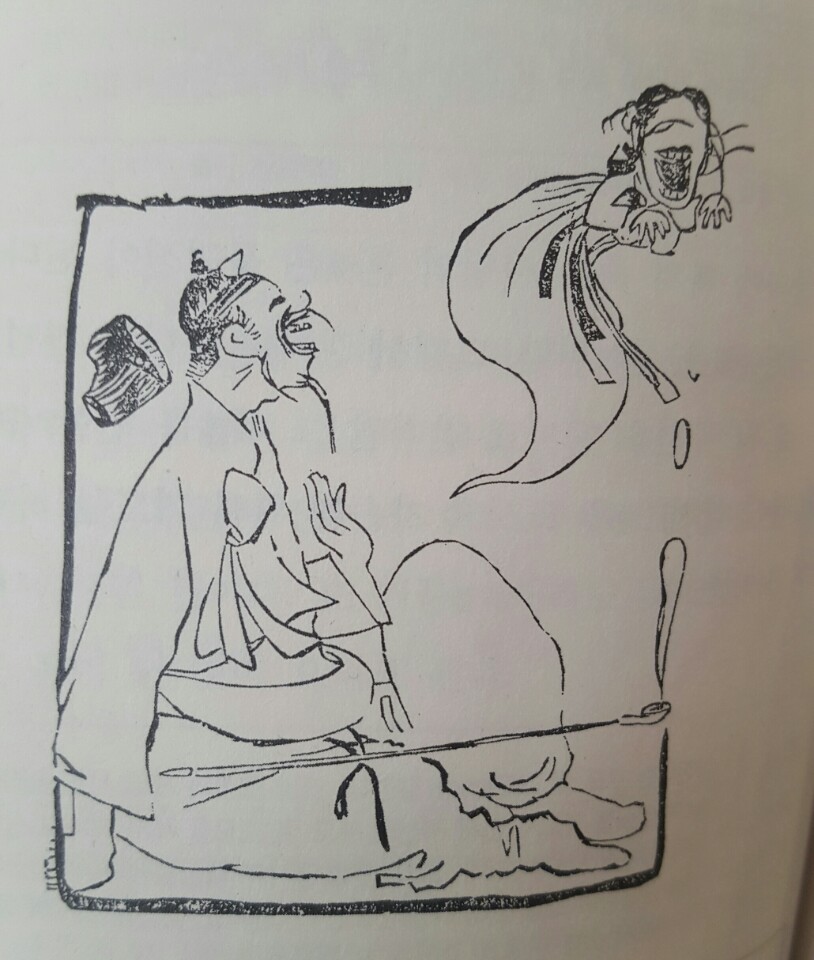
There are only a handful of Park Joon’s poems translated into English, yet each one has an unmistakable voice. A particularly apt description of his work states that his poems possess “the DNA of Korean poetry’s long and beautiful history.” There is something undoubtedly Korean about the emotionality of his work. There is melancholy, but not depression, and certainly not self-pity.
‘Superstition’ carries the romantic weight of an old-fashioned love poem while remaining contemporary. A lot happens in the poem. There is bad luck, thoughts about career, love, death, nature, astrology. The poem evokes imagery of summer holidays, or school breaks, where time seems endless, and self-reflection arises inevitably. The emphasis on superstitions (biting your tongue, using scissors without cutting anything) creates this child-like or youthful atmosphere.
Of particular importance to understanding the poem, especially for the Western reader, is the untranslated character 王. A little research reveals this is a Chinese character that can be sounded as ‘wang’ and means ‘king.’ Joon mentions this in relation to another superstition, where one writes this character on furniture to ward off bad luck.
The poet’s ‘I’ is tied closely to the superstition throughout this poem. ‘I bit my tongue,’ ‘I told my lover,’ ‘I lay like a faded capillary.’ The connection of the speaker to the superstitious rituals seems to hint a culpability – are superstitions simply ways we divert the blame from ourselves?
Translator Youngseo Lee noted the difficulties in translating this work arose from where sentences end. While it is easy to understand in Korean because of common endings such as 다 (da) or 요 (yo), English tends to rely on punctuation to signal the end of sentences. However, Park uses very little punctuation in his work, and Lee didn’t want to force any into her translations. She explains that she, cleverly, reordered the order of information to surpass this issue, creating the fluid and faithful translation.
Author
작가님 (jag-ga-nim)
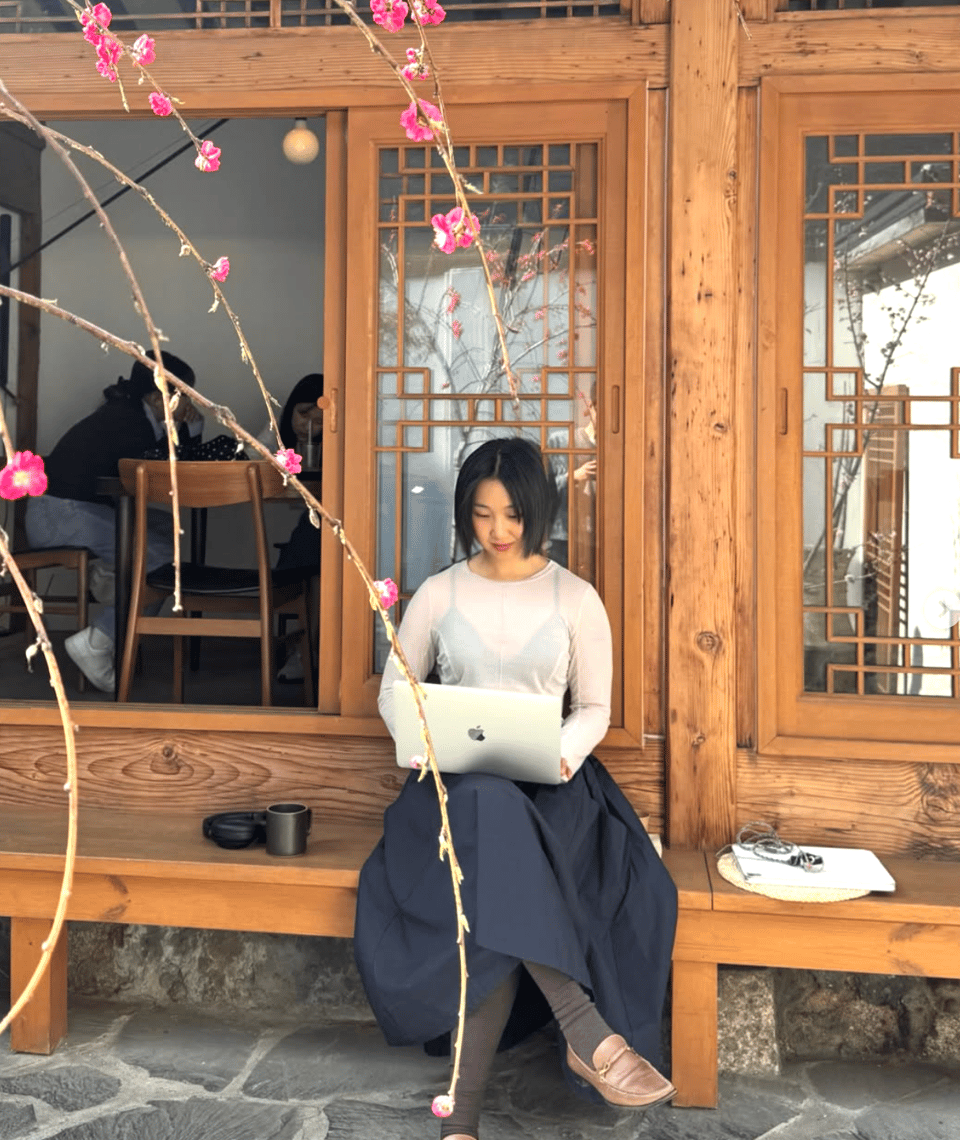
Editor’s Note: The ‘Author’ or ‘작가님’ section of Yoonseul is devoted to Korean authors who are either yet to publish in English, or who have published very little in English. Rather than reviews of their work, the section is intended to be a brief discussion on their place in Korean literature, advocacy for their translation, and promotion for their work. Sulla Lee/이 슬아 is important as the first author-study of Yoonseul, as without her this newsletter would have no motivation for existing.
Sulla Lee/YSRA
이 슬아
Sulla Lee, or YSRA as she sometimes writes, occupies a place in the contemporary Korean literary world that is unrivalled and unmirrored by any Western authors place in their own literary context. Lee is credited as the inventor and model of direct-to-reader publishing. She is a screenwriter, novelist, essayist and short story writer as well as an influencer. Her extremely contemporary presence on social media as well as her work ethic, the scope of her work and the content of her writing outlines what it means to be an author in the modern world.
Lee became known for her self-directed serial, 일간 이슬아 (il-gan-lee-sulla), or ‘Daily Sulla Lee.’ Readers paid 10,000 won per month (10 AUD) for essays written by Lee every weekday, delivered to their emails. What sets Lee apart with this publishing model is not only the totally self-run and self-managed structure, but the positionality of herself as a ‘labourer’ rather than a creative spirit. Under the weight of the responsibility for her reader’s subscriptions, Lee wrote over 500 pages per month. The effort behind her work kept readers subscribed and gratified.
At present, none of Lee’s books have been translated into English. However, her debut novel, translated as ‘The Age of the Filiarch,’ is known to have been translated by Lee’s husband, poet Lee Hwon, and the publication rights reportedly sold. The novel earned Lee the title of the “most prominent contemporary Korean writer,” in 2023. There are snippets floating around on Instagram of Lee and her husband and translator doing shared readings of the book in Korean and English, but these teasers are only part of very limited English translation information. At present, the light-hearted cover feature, “Don’t Ask Me When the Script Will Be Ready; I Don’t Have an Answer for You,” translated by Dasom Yang, is the only work by Lee available in English.
Lee’s work, both her novels and essays, would perfectly fit a wider readership among Western audiences. Themes of feminism, personal struggle, authorship and contemporary life endear Lee to young readers. Her work is highly relevant, and her public profile, as well as her self-publishing model, is a protype for what it means to be an ‘author’ among the TikTok generation. A DIY-approach, grouped with her wide range of interests, self-reflective themes and social commentary, make Lee a wholly modern author, and one whose work deserves a broad and supportive following.
Book
책 (chaeg)
What We Read
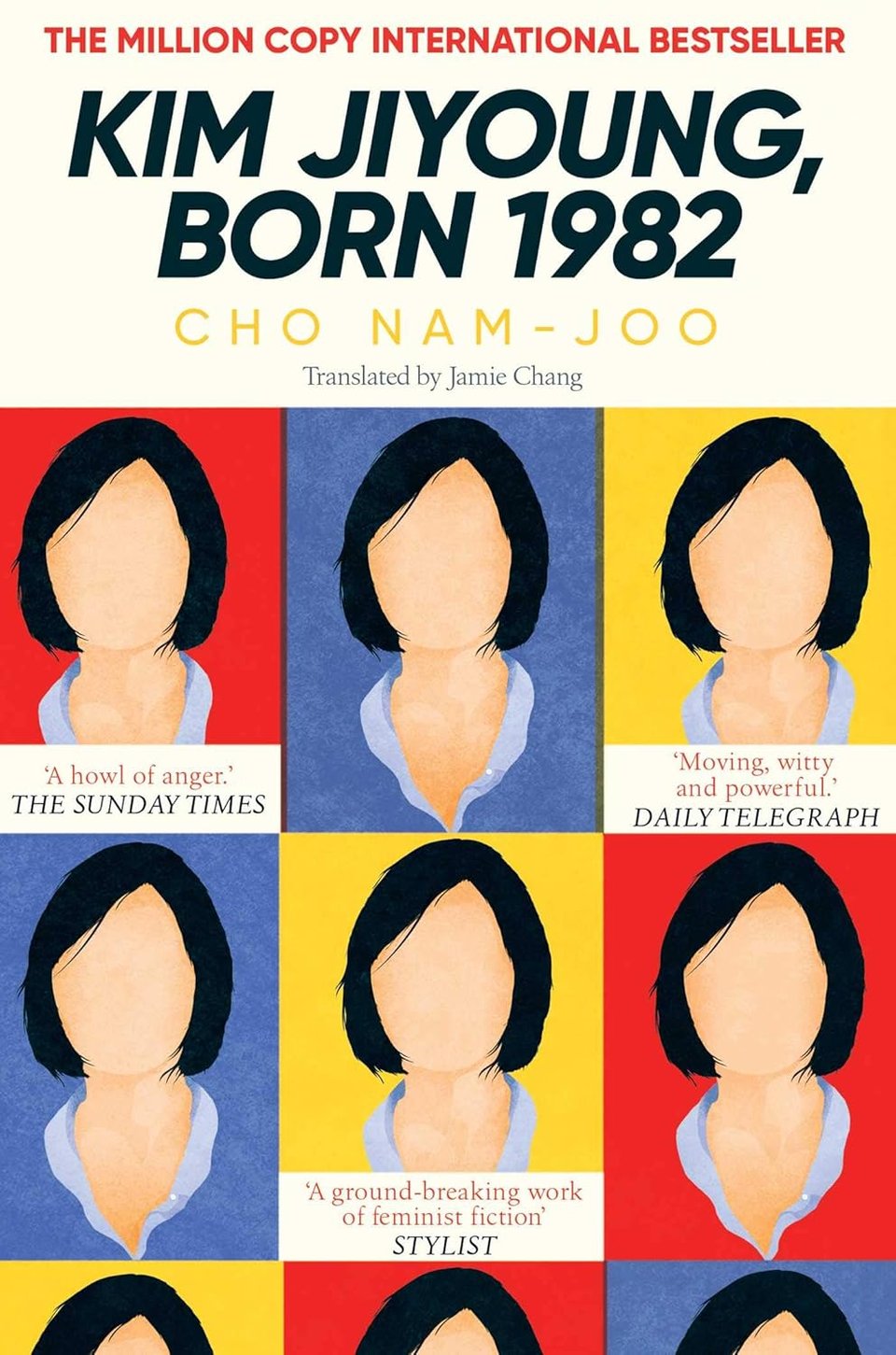
Kim Jiyoung, Born 1982, 년생 김지영 (nyeon-saeng-kim-ji-young)
Cho Nam-Joo, 조남주
Tr. Jamie Chang
Cho Nam-Joo’s ‘Kim Jiyoung, Born 1982,’ created a sensation when it was published in 2016. As well as selling over a million copies, the book was controversial in its discussion of female experience in Korea. The book was a key part in the #MeToo campaign in Korea and caused several controversies, with the male response to the book being largely hostile (very ironically).
What makes the work so impactful, as well as the delicate and powerful way it is written, is the inclusion of real facts and statistics throughout the work. Cho intertwines the narrative, a psychiatrist’s re-telling of Kim Jiyoung’s life and the terrible experiences she is subject to as a woman, with real sources on sexual harassment and discrimination. This makes the work highly relevant and relatable to female readers and makes the content impossible to dismiss as fiction. The genius of the work comes in its voice, the irony of a male narrator describing Jiyoung’s life and experiences coming to a powerful close in the final few lines of the work.
The topic of translation is particularly interesting with this novel. The work is based heavily in the lived experience of Korean women. Therefore, the reader might ask whether, even if the work is translated into their native language, they can truly understand it. Perhaps not in the way where one might respond with personal resonance. However, in another way, the fact the book is so based in the lived experience of a specific kind of person from a specific part of the world is what makes the novel so gripping and confronting.
What We Want to Read
Hodo
Yeong-shin Ma
Tr. Janet Hong
Published 15 September, 2026 (Penguin)
A cartoon tracing the life of a woman named Hodo through two parts.
Poems of Kim Yideum, Kim Haengsook, & Kim Min Jeong
Tr. Various
Published 2017 (Vagabond Press)
A collection of poetry in translation from three contemporary Korean female poets. The blurb describes the poems as an antidote to the ‘cuteness’ of Korean femininity as represented by K-pop, instead exploring themes of the male gaze and female autonomy.
Once You Cross a Street You’re On The Edge of a Cliff
Bomnal
Tr. Hyebin ShinPublished 19 August, 2025 (Spinifex Press)
A memoir exploring Bomnal’s twenty years in the prostitution and sex-work industry. Bound to be a fascinating comparison with Western memoirs about sex work.
Literary Lore
야사 (Ya-sa)
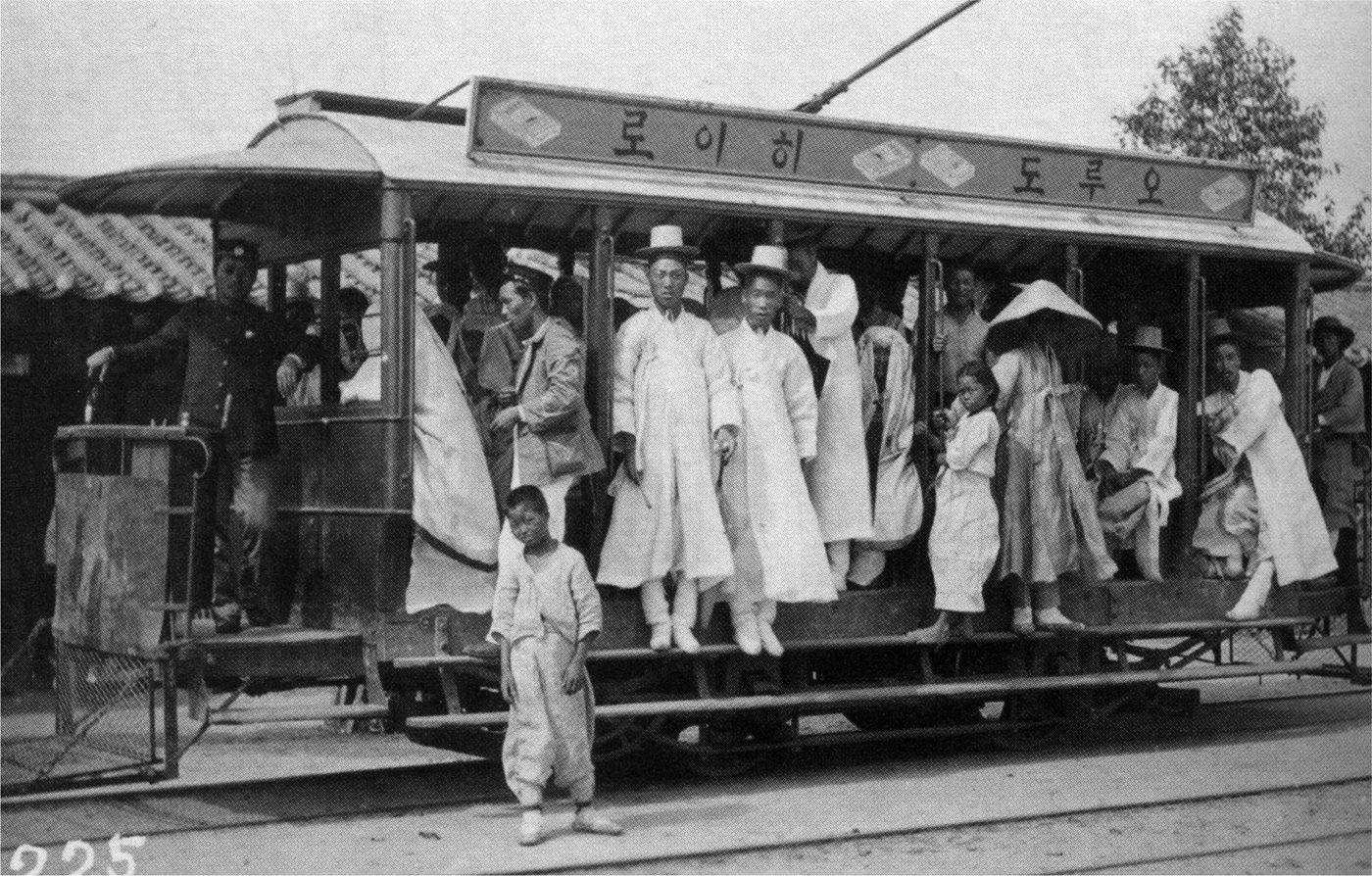
The Three Geniuses of Joseon/조선의 3대 천재 (jo-seon-i-3-dae-cheon-jae)
Some readers of Korean literature in translation may be familiar with the novel Mujeong by 이광수 (Yi-Gwang-su). The work is often called the first modern Korean novel, by which it is meant that the work comprises modernist features of individual freedom and enlightenment, rather than being a court, filial or historical drama. Yi is an important but controversial figure in Korean literature, both the author of the February 8 Independence Declaration and a later collaborator with Imperial Japan. He disappeared in North Korea during the Korean War and died in unclear circumstances.
Yi, along with 홍명희 (Hong Myeong-hui) and 최남선 (Choe Nam-seon), are sometimes called ‘The Three Geniuses of Joseon’ due to their contribution to the foundations of modern Korean literature. Hong is known for his novel 임꺽정 (Im Kkeok-jeong) a historical novel with a high degree of sympathy towards and support for the working classes. Choe wrote the first modern Korean free-verse poem, 해에게서 소년에게, translated as ‘From the Sea to Boys,’ and invented the term 한글 (hangeul) to describe the Korean alphabet.
All three author’s lives are inherently tied to their politics. Choe was the author of the March 1st Declaration of Independence, yet, like Yi, later collaborated with Japan. Although Hong never collaborated and always supported Korea’s independence, in later life he relocated to North Korea and spent time in various governmental and political roles. These complicated legacies have led to controversial remembrances of the three authors, yet they are still considered as foundational in modern Korean literature through contributions to the novel, to poetry and to publishing.
Sources
https://www.korea.net/Events/Overseas/view?articleId=26426
https://play.google.com/store/apps/details?id=com.iroum.yoonseul.official&hl=en_AU https://morningcalm.koreanair.com/en/issues/july-august-2025/a-gentle-laghttps://library.ltikorea.or.kr/discover/item/394/1001563
You just read issue #1 of Yoonseul. You can also browse the full archives of this newsletter.
Add a comment: