
WiderListen.ing Weekly — 2 October 2026
Sister Nancy: The Song Everyone Knows, The Artist Almost No One Paid
Dancehall's greatest song of all time — that's Pitchfork's verdict on "Bam Bam." Not a niche opinion. It's been sampled or interpolated more than a hundred times, by Kanye West, Jay-Z, Lauryn Hill, Beyoncé, used in adverts, built into other people's careers for four decades. And the woman who made it, Sister Nancy, spent thirty-two years seeing almost none of the money.
Start with what she broke into. In late-1970s Kingston, dancehall was a man's scene — sound systems, DJs, toasting, all of it. Sister Nancy came up on Stereophonic sound system, earned her reputation on the strength of her voice and her timing before anyone gave her studio time. She became the first female dancehall DJ. First woman to perform Reggae Sunsplash. First female Jamaican deejay to tour internationally. She didn't get an invitation into that world. She out-performed her way in.
"Bam Bam," from her 1982 debut, is the song that outlasted everyone. And here's the part that should stop you: she didn't see royalties from it for thirty-two years. An ambiguous contract, decades of silence, artist after artist sampling her voice and her rhythm while she worked an ordinary job in New Jersey. The thing that finally moved it — not a lawyer, not the industry correcting itself. Her own daughter spotted "Bam Bam" in a Reebok advert in 2014 and told her mother to get legal advice. That's how long it took for anyone to act on her behalf. Her own family, noticing before the people who'd built products on her voice.
Even then, the resolution wasn't clean. The settlement covered roughly the last decade of use and gave her fifty per cent of the rights going forward. Not the full thirty-two years. Not everything she was owed. Partial justice, arrived at late, and only because someone happened to see an advert.
So here's the question worth asking, and it's the same one Black History Month exists to keep asking: if it takes a Reebok ad and a daughter's persistence to get even partial recognition, how much other work like hers is still sitting uncredited, right now, earning someone else money? This isn't a closed case from music history. It's a pattern that's still running.
"Bam Bam" is already in the database — search it, and you'll find the concepts it teaches sitting right alongside the story behind it. Play the track. Then tell them who made it, and what it took for her to get paid for it.
Track of the Week
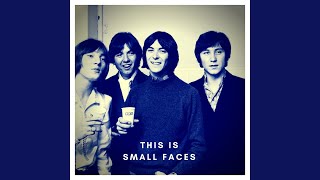
All Or Nothing by Small Faces — featuring Fill, Backbeat, Simple Quadruple (4/4), Organ
New in the database this week
- Requiem - Libera me by Gabriel Fauré — featuring Bass, Pizzicato, Chordal
- Prelude in Db major, Op. 28 No. 15, "Raindrop" by Frédéric Chopin — featuring Crescendo, Major, Pedal, Rubato, Forte
Enjoying this? Forward it to a colleague who teaches music.