the vinyl score music book club
Me again! What I have for you: a couple quick book reviews.
Dilla Time
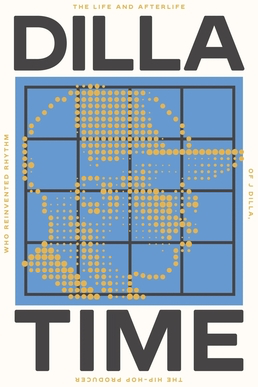
It turns out I’ve been a big J Dilla fan for 25 years. The production on Common’s “The Light” blew me away, but I’d also spent time that summer trying to figure out Busta Rhymes’s “Show Me What You Got”, which was on 2000’s Anarchy. Both are mystifying tracks: smooth, but subtly trippy and counterintuitive. While I would eventually get very familiar with his 2006 album Donuts, I definitely learned of it after he passed in 2006 at 32.
It was on Donuts that I appreciated his intricate and infinitely variable approach to beats — composing with samples leaves you thousands of choices, and Dilla somehow chose all of them — a tiny variation here, the reversal of two beats there, in a way that felt unpredictable and disorienting, but also totally organic. Hip-hop “beats” can be, at times, a dull listen: they’re the foundation, of course, for a vocal performance laid over the top. Rap verses add variety and variation to what can be repetitive, but Donuts is never, ever the same thing twice.
Dan Charnas’s Dilla Time theorizes that Dilla had a couple of special techniques, unique to him, that gave his work that unmistakable feel, but the main thesis is that he would cheat prominent parts of the drums ahead of the beat, as a real life (excited) drummer would. This is an insightful finding, and has changed how I listen to Dilla's work. I also love the way Charnas tracks that musical influence, including the beat-sliding thing, here 20 years after he passed.
It isn’t all musical analysis, though - the rest of the book deals with Dilla in real terms, with an admiration for not just what he did with the sampler, but also depicting him as a friend and father — a far-from-perfect one. It’s a really informative study of his life and career. While I'm not sure I would recommend it to people who aren't familiar with Dilla's work, I do recommend that everyone get familiar with Dilla's work, so do one of those or the other.
Quantum Criminals: Ramblers, Wild Gamblers, and Other Sole Survivors from the Songs of Steely Dan
Oh no, we’re talking about Steely Dan again. I’ll make this short.
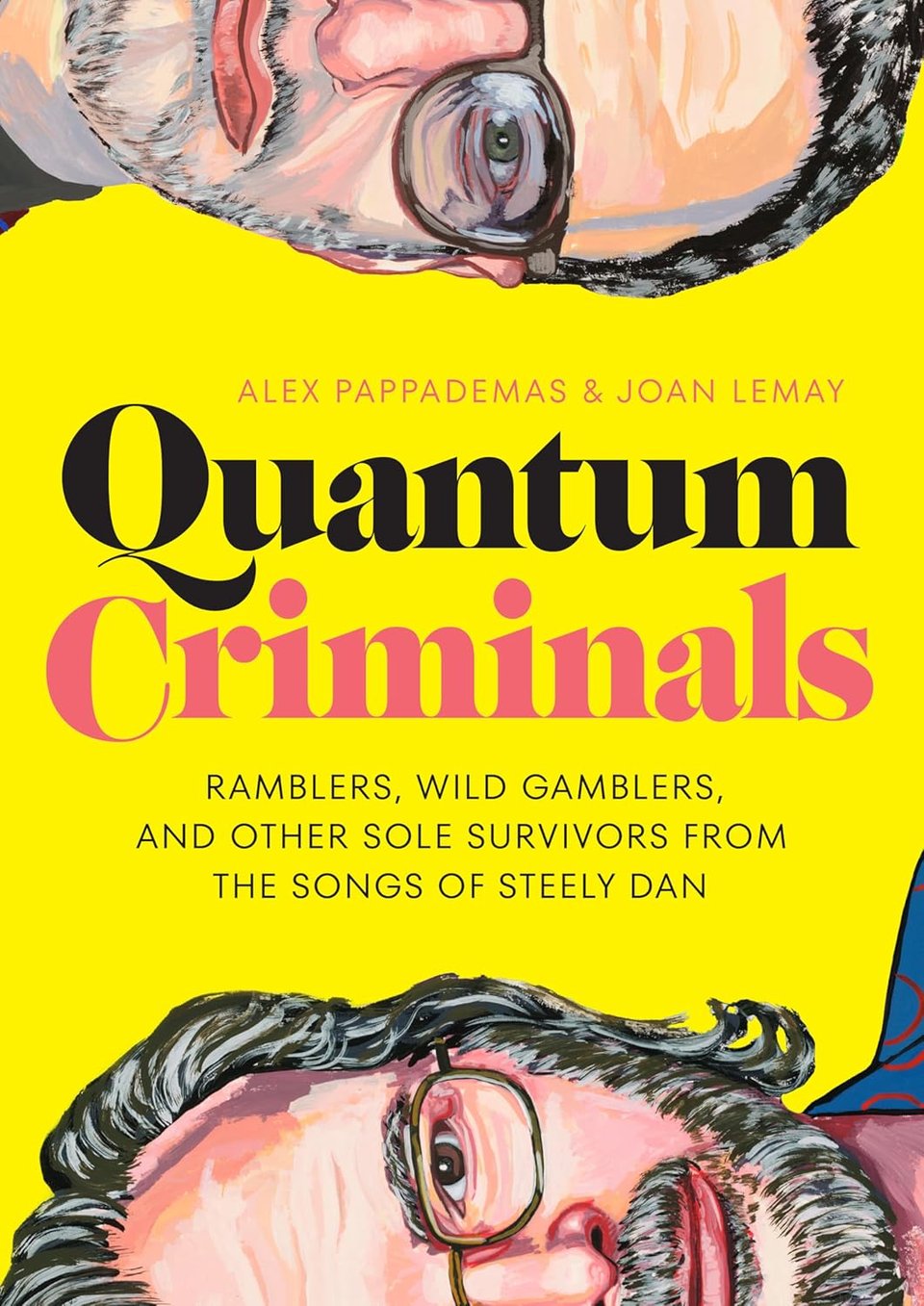
Quantum Criminals journeys through the work of Steely Dan, in album order, and usually from the perspective of a character in each song. By the end, we’re talking about Rikki (“… Don’t Lose That Number”) and Hoops McCann (the recipient of a “special delivery” in “Glamour Profession”). There are surprises around every turn, with Pappademas offering insight, back story, and praise for everything Steely Dan was and remains. The chapter about "Black Cow" (entitled "Peter/Tariq/Daniel") is particularly special, describing how the original composition has been borrowed into hip-hop, somewhat clumsily in 1997 by Lord Tariq and Peter Gunz ("Peter/Tariq") and then sublimely in 1999 by MF DOOM ("Daniel"). LeMay adds gorgeous images to each chapter, truly illustrating the characters and stories that Pappademas explores.
I've waited long enough to send this newsletter out that Pappdemas and LeMay now have another book, Friends of the Devil: West Texas Cowboys, Brown-Eyed Women, and Other Sunshine Daydreamers from the Songs of the Grateful Dead planned for November of 2026. You know I don't care for the Grateful Dead, but I'm inclined to give it shot on the strength of Criminals.
The Royal We
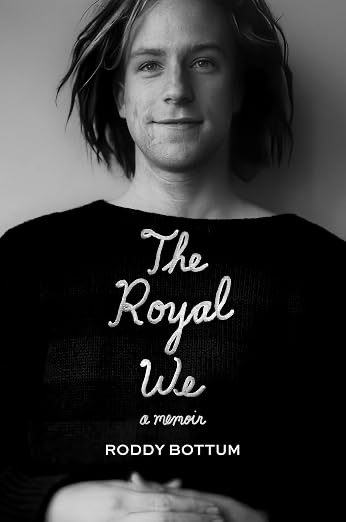
I'll listen to anyone tell the story of Faith No More. A truly innovative, contrary, visionary, and frustrating band, Faith No More reached critical, popular, and cult-admirer peaks that still inspire people today. It's hard even to appreciate them in retrospect, as those strong personalities continue to clash, interlock, and combine. (They cancelled a world tour a few years back, and then posted a series of "it was a good run" Instagram posts earlier this year, before... announcing a 2027 world tour.)
But Roddy Bottum was there. One of three founding members, he was responsible for FNM's signature keyboard sound, and one of the first openly gay performers in all of hard rock / heavy metal. The Royal We is his retelling of those events: hilarious and charming, if a little confused and occasionally exhausting. The best parts recount the infancy of the band and the sheer luck of his success — befriending a teenaged Courtney Love, adding Mike Patton after deciding that maybe the band does need a permanent lead singer, and sort of randomly becoming a millionaire investor. It wouldn't be responsible of him to skip the story of his excruciating addiction to heroin, but it's easily the least fun part of the story. I'm still curious about what it felt like to go from touring in a van to MTV to SNL, but it seems like that's when the drugs were making it hard to feel anything at all. Other books delve deeper into the influence of FNM, their unique place in music history, and their unusually international fan base, but I'm glad I read Roddy's version.
Thanks
That'll do for now — I have a couple more things to share, and I hope it'll be soon. Feel free to send this to a friend — they can subscribe, too.