Hoarding books and reading little
One of the many things that cheap labour in a growing economy with a huge wealth gap like India’s subsidises, is books. That and a slightly lower quality paper. One that I shamefully capitalise on whenever I come to India.
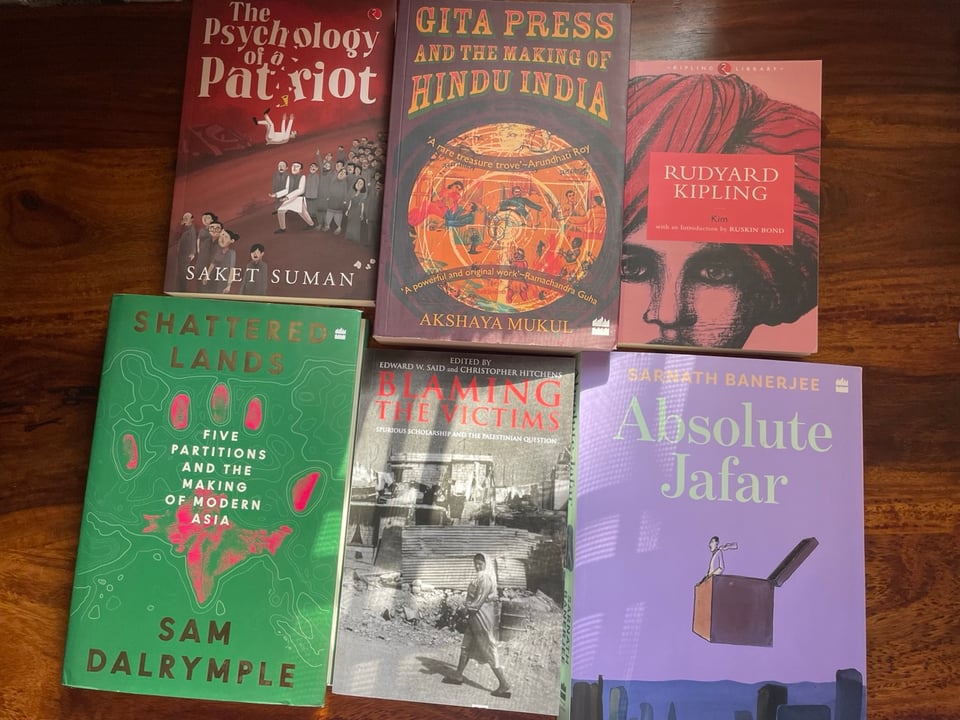
I read more offline than online this past week, and experienced a mix of appreciation, guilt, despair and hope at different points of reading the book ‘Why the poor don’t kill us’ by Manu Joseph. That’s what triggered the opening of today’s newsletter.
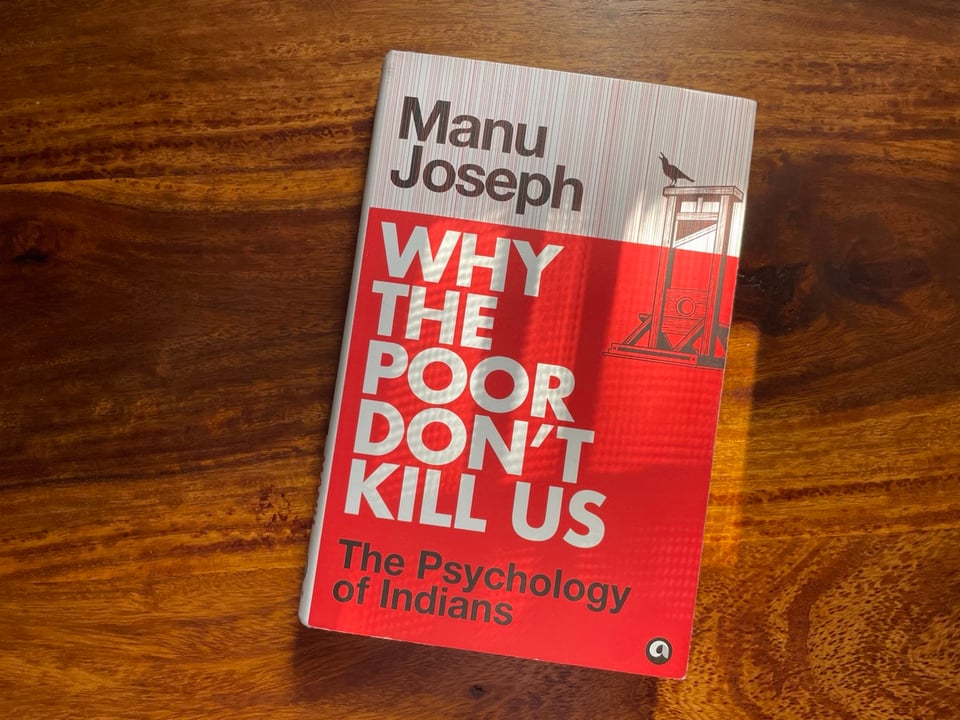
In the past, I took the cheap availability of new books for granted and how laughable the prices can be in some of the local second hand book markets 1. But this week, while reading the current book, is when I really gave the reasons behind a proper thought and did some ‘research’.
There is no single reason, but as I said before, and like many other things, cheap labour across industries is one of the major reasons why books are affordable compared to Europe, etc. The paper, often recycled, is also locally produced for the majority of books (paperbacks) that are sold in India. That’s what gives a lot of them a yellowish or off-white colour.
I think the paper industry and its supply chain in general is quite well established. I remember I used to write on notebooks with paper made of elephant poo when I was in the final years of my school.
But I digress, a few other reasons I can get 20euro books for 4-5euros in India are the razor thin margins and marketing budgets, and the fact that publishing runs on economies of scale.
Despite all this, the readership is low. People in India often find books and reading for pleasure a luxury affair, one that has more to do with availability (or the lack of) free time, than money. To this day, 90% of all books sold in India are textbooks.
But I’ll stop about books now. This week too wasn’t technical, but I did spend time signing up for google and apple stores for the very first time. With apple, it was an interesting experience. I’ll share more next week.
Let’s move on to the reading list for now.
Interesting reads
The future of everything is lies, I guess
It is a long series of articles, but definitely worth the read. Even if in multiple sessions. I also found some interesting reads from the links within.The ‘passive income’ trap ate a generation of entrepreneurs
I believe the argument here is applicable more towards ‘businesses’ other than core tech. But it is a passionate cry born out of real frustrationhttps://www.stilldrinking.org/programming-sucks
Ah, the joy of reading how programming used to be, and laugh at what used to be partial trauma.
A project I discovered
https://agent-ci.dev/Run GitHub Actions on your machine. Caching in ~0 ms. Pause on failure. Fix and retry — before you commit, before you push
A photo I my wife took
I didn’t like any of my photos as much, so sharing one that my wife took.

That’s it for today, see you next week ✌️
A reddit said they could find some books for ~25cents 2 years ago ↩
