An Up-Close, Personal Look at the DOGE-ing of Science
My 2025 was defined by watching friends and colleagues lose jobs and coworkers.
(Read to the end for Kristen Koopman’s favorite reads of 2026 and also some zobbin’.)
I recently produced my second installment in a series for WVTF on climate-health issues, this one about ticks. This piece was part of a collaboration with Climate Central, but while I was working on it, the nonprofit cut the program that I was working with. My coauthor, Melba Newsome, was no longer contracted for the work, and my editor there, John Upton, lost his job. I’m continuing to work on the rest of the series alone with WVTF. It’s tragic on multiple fronts.
First of all, let me say that Melba and John are OK. Melba has assured me that she is trying to retire anyway, and she doesn’t need the work. John is a talented and experienced environmental journalist. He’s in a tough job market, but I also imagine this isn’t his first rodeo and he’ll apply his talents elsewhere.
Even though they have to go through this unfortunate chaos, the greater loss is ours. Climate Central’s journalism program was specifically prioritizing health equity coverage and supporting local journalists, both of which are direly needed right now.
On a personal level, I also am feeling the loss of the camaraderie and mentorship this collaboration had offered me. Moneywise, I am OK. I will continue working on this series alone, and I will be paid by the Pulitzer Center and WVTF as originally agreed.
Instead, the losses I’m experiencing are intangible. Remote work and freelancing are often lonely, not to mention emotionally challenging (especially right now). Melba and I talked on the phone often, and she is funny, up-beat and extraverted. Even though the topics we had been working on are bleak (vulnerable populations affected by climate change), connecting with Melba and talking through those stories helped me process them. Melba’s been covering these issues far longer than me, and she’s not wallowing in despair, let me tell you. She knows how to reach out and help people who need it, without letting that stop her from having a good time every chance she gets. I also have never had the opportunity to be mentored by a Black woman, much less a Black woman who has successfully navigated a freelance journalism career. I loved how she very kindly but firmly checked me when I needed it, helping me center health equity in everything we were working on. Melba is also a savvy business woman, and she gave me lots of advice about how to freelance successfully. I learned so much from just watching her work.
This example is just one of the up-close, personal effects of the federal funding cuts that I am seeing. I will also say that if I thought these cuts were necessary or good for our country, I would see the loss of friends’ jobs as unfortunate for them, but maybe necessary for the greater good. But as I said: The loss is ours. Not only is an influx of unemployed people bad for the economy on so many fronts, but also these jobs were providing services that made our society better. We know, for example, that when local journalism declines, corruption in local governments goes up. And we know that public media journalism is associated with healthier democracies. There are costs associated with the loss of these jobs. The amount of investment they required paid off many times over.
Regardless, I want everyone to know I am not worried about me. (Though please buy me a coffee to help support my time spent on this newsletter.) I know I will be fine. Worst case scenario, I will have to find a job doing something else, and probably will make more money if I do. Nevertheless, I know that what I’m doing now is essential to meeting this moment in history, and I don’t want to stop. I don’t want the bullies to win. DOGE’s work is ongoing, despite taking up fewer headlines, and their cronies don’t want the accountability that journalists and scholars bring. As flawed as our media system is at doing that, it is far better than nothing.
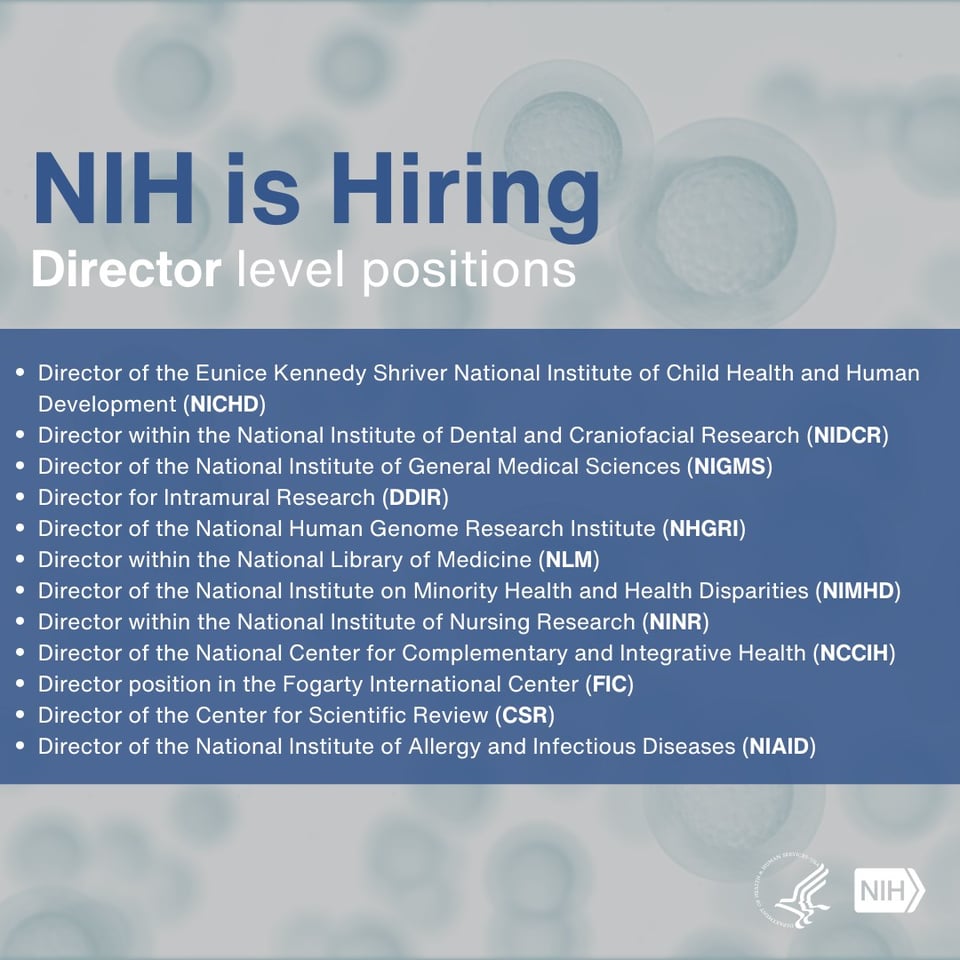
I’m writing this newsletter, because I don’t think people hear often enough about all the small but relatable ways these cuts are affecting lives everywhere. They add up to a massive mess. STAT News is publishing a 10-part series on how these cuts affect science, and how that in turn affects everyone. It’s well worth a read, and it will give you many more windows into the ripple effects of DOGE in people’s lives, much like the one I offer here. The Unbreaking project also follows a subset of topics (with more planned), with regular updates and links to relevant news stories. I especially love the timelines they offer for each issue to help me see the long view that the news rarely offers. (Disclosure: I volunteer for Unbreaking.) I don’t know how we’re going to come back from this, but I do know that doing so requires solidarity and being there for one another. I know many of you feel overwhelmed by it all.
So here’s my recipe for feeling better: First, revel in your joys, small and large. I was talking the other week with a friend who lost her job because of DOGE, and she said she was spending lots of time practicing music, out of “spiteful joy.” Bullies want people feeling powerless and distraught, and while we definitely do need to feel that sometimes, that doesn’t mean they take our joy. Enjoying your life will help you have the energy for step two: Reach out to the folks you know who are affected, just to offer a listening ear, or a drink, or some small gesture that they matter. When so much of the country has made people feel like they don’t matter, your small acts of resistance and solidarity add up. Not only will you feel better, this one small thing will help you gather your momentum for another small thing, and another.
DOGE isn’t the only one who can create ripple effects. We can too.
Koopman's Corner
It's been a long year, huh? Did minutes get longer or something? Because theoretically 2025 was the same number of days (hours, minutes, etc.) as any other (non-leap) year, but...woof.
In honor of the wild card and inexplicable nature of this year, I'm providing four stories that were among my favorites this year. I'm providing no additional context. Three of them are flash fiction (i.e., under 1,000 words); one is distinctly not, but is worth reading all the way through. I'm not telling you which is which, either.
So throw caution to the wind, click a link, and read whatever you see. It may be short or it may be long, but it will definitely be worth thinking about.
And hopefully next year will be...at the very least something different.
Five Hundred Defects, by Michael Zahniser in Small Wonders
Last Train from Deadwall, by Andre Geleynse in Beneath Ceaseless Skies
Sterling Analog Shut Down Kit: Quick Start Guide, by Bret Nelson in Small Wonders
Recent Things I Wrote:
- A billion lives in the balance: How we prepare for unbearable heat will shape the century, AHCJ
- New insights for health journalists from a climate communication research review, AHCJ
- Ticks Are Thriving in Southwest Virginia. Here’s What That Means for Your Health, WVTF
- How I Did It: Mapping hospital flood risks across the United States, AHCJ
Recent Things I Recommend:
- How I confronted my growing cynicism about academia—and rekindled my sense of purpose, Easton R. White, Science
- The Most Feared Person at the NIH Is a Vaccine Researcher Plucked from Obscurity, Katherine Wu, The Atlantic
- 30 Days, 9 Cities, 1 Question: Where Did American Prosperity Go?, Kyla Scanlon
- In red states, many academic researchers feel fear–and resolve, Hannah Richter, Science
Tell Us What You Think
Please tell us here what sorts of content and subscriber perks you suggest. In the meantime, please subscribe to the free version and buy me a coffee here.
Something Fun:
Here's a favorite clip from a show that has brought me much joy in 2025. We can tell when you're not zobbin'.
About Me: